
This Sarajevo-to-Srebrenica day trip is a long, emotionally heavy journey, built around guided visits to the Memorial Museum and the cemetery at Potočari. You leave at 8:00 am, travel through Eastern Bosnia’s mountain scenery, and come back the same day with real context for understanding what happened and why it still matters.
What I like most is how consistently guests highlight the guides and the careful, respectful way the story is explained. I also love that small touches show up in feedback, like guides adding breathing space, giving bottled water, and helping you feel comfortable from the first stop to the last drive back. Many travelers mention guides such as Edin, Almir, Enis, Ago, Ejub, Senad, and Vedad as standouts.
One consideration: this is not a casual outing. Even with the best guiding, the memorial and cemetery are deeply difficult to experience, and the day is long.
- Key points worth knowing before you go
- A long day with a clear purpose: Sarajevo to Potočari
- Hotel pickup and small-group comfort that matters more than you think
- The 8:00 am start and what to do the morning of
- The drive through Eastern Bosnia: views plus context
- Stop at the former UN battery factory site and the Museum of Genocide
- Memorial Room: victim stories, and yes, a section on perpetrators
- Taking the emotional temperature: what you’ll feel, and how to handle it
- Lunch in Srebrenica: plan for limited options
- Srebrenica town: from industrial hub to ghost city
- The memorial cemetery at Potočari: paying respects to identified victims
- Bill Clinton’s 2003 opening and why ceremonies matter
- What you’re really paying for: price versus full-day value
- Guides make or break this day: Edin, Almir, Enis, Ago, Ejub, and more
- The museum film and multimedia: why it’s worth your attention
- Transportation notes: seatbelts, water, and comfort on the route
- Who this tour fits best (and who should think twice)
- Booking timing, tickets, and cancellation safety net
- Should you book the Srebrenica Memorial study tour from Sarajevo?
- FAQ
- How long is the Srebrenica Genocide Memorial study tour from Sarajevo?
- What time does the tour start and where does it meet?
- Is the tour in English and is pickup offered?
- Is there an admission fee for the memorial and museum stops?
- Are food and drinks included?
- How many people are in the group?
Key points worth knowing before you go




- Small group size (maximum 8 travelers) helps keep the experience human, not rushed.
- Curator-led museum time is a major part of the value, including multimedia and films with authentic footage.
- The memorial cemetery visit is based on identified victims, with the count reported as 6575 to date and still rising.
- You’ll get historical context for the war and Yugoslavia’s collapse during the drive, not just facts on site.
- Food isn’t included, so plan for lunch in Srebrenica and bring a snack mindset.
- The tour uses hotel pickup and drop-off in Sarajevo, which makes a huge difference for a day like this.
A long day with a clear purpose: Sarajevo to Potočari
This isn’t a quick look-see. Expect roughly 10 hours on the clock, because the drive from Sarajevo to the Srebrenica area takes time and you also need time for guided museum and cemetery visits.
The payoff is clarity. You’ll see the place where remembrance is physically kept alive, and you’ll hear why Bosnia continues honoring the victims today. That context helps the memorial make more sense than reading about it after the fact.
Hotel pickup and small-group comfort that matters more than you think
Logistics are set up to reduce friction. You’re picked up from your Sarajevo hotel (or another pick-up point you choose, if arranged), and the tour returns you there at the end.
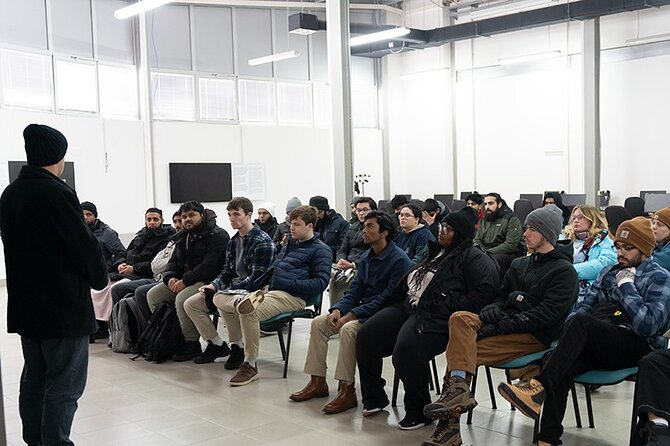
A maximum group size of 8 travelers shows up in the way the day flows. Guests repeatedly mention guides pacing the day, checking in on comfort, and allowing questions without turning the experience into a lecture hall.
The 8:00 am start and what to do the morning of
The tour starts at 8:00 am at Meet Bosnia Tours – Sarajevo Tours, Days Out, Excursions and Activities near Gazi Husrev-begova 75. It’s a very early start by vacation standards, but it’s realistic for a day that includes driving, museum time, lunch, and cemetery visits.
If you’re the type who likes a plan, do one small prep step: wear comfortable shoes and carry a layer. You’ll spend a lot of the day sitting in a vehicle, then standing at the cemetery.
The drive through Eastern Bosnia: views plus context
The scenic part isn’t just scenery. The trip includes a roughly two-and-a-half-hour drive through mountainous Eastern Bosnia, and the guide uses that time to explain the broader setting—especially stories about the fall of Yugoslavia and how the region’s politics and tensions shaped what followed.
Travelers also mention noticing the countryside and cultural differences along the route, which can help you understand Sarajevo as a hub versus what life looks like across the entities. You’ll likely stop briefly for coffee along the way, depending on timing and group needs.
Stop at the former UN battery factory site and the Museum of Genocide
Your first major arrival point is the Srebrenica Genocide Memorial complex, centered on a site associated with UN forces during the war. This is where you visit the Museum of Srebrenica Genocide, described by guests as one of the most modern museums in Bosnia.
One big reason this museum is praised: the visit isn’t just self-guided wandering. A curator guides you personally, and visitors often note multimedia facilities, including films with authentic video footage. That matters because the museum tries to connect timeline, evidence, and lived experience in a way that a basic audio guide can’t fully match.
Expect a mix of formats. In feedback, travelers highlight that you get multiple ways into the story—movies, exhibits, and the chance to explore the museum spaces with enough time to take it in at your own pace.
Memorial Room: victim stories, and yes, a section on perpetrators
After the museum, you’ll be taken to the Memorial Room. Here, travelers describe a strong “you’re inside the human story now” feeling, because you hear stories of victims told by a local journalist.
There’s also a dedicated area that covers the perpetrators. That choice is not subtle, and it’s part of what some guests seem to appreciate most: the tour doesn’t skip the hard responsibility question. It’s one of the reasons people call the experience essential rather than informative-but-sterile.
Taking the emotional temperature: what you’ll feel, and how to handle it
This is a day built for remembrance and learning, not comfort. Many travelers use words like moving, harrowing, and difficult, and they point out that you can’t treat it as a normal sightseeing block.
What helps is the pacing and respectful guiding. Guests mention that guides manage the tone carefully—often with the right kind of humor to break tension briefly, without turning the day light. If you tend to get overwhelmed, tell yourself up front: you don’t need to “finish processing” by the time the van leaves.
Lunch in Srebrenica: plan for limited options
You’ll have lunch in Srebrenica because dining options nearby are limited. This part is flexible in the day’s rhythm, but the message is consistent: you’ll stop for food, then continue.
Food and drinks are listed as not included, but travelers mention practical stops like local restaurants and local bakery options on some days. Bring cash or a card you trust, and consider a small snack stash for the moments between the stops.
Srebrenica town: from industrial hub to ghost city
After lunch, you’ll drive into the city area for a look at what it became after the war. Travelers describe it as a once-thriving industrial hub that now feels like a ghost city, with the reality of history visible in the landscape.
This isn’t a “photos for your feed” moment. It’s more like a pause to let the museum and cemetery connect to place. Seeing the everyday setting—now quiet—makes the scale of what happened feel less abstract.
The memorial cemetery at Potočari: paying respects to identified victims
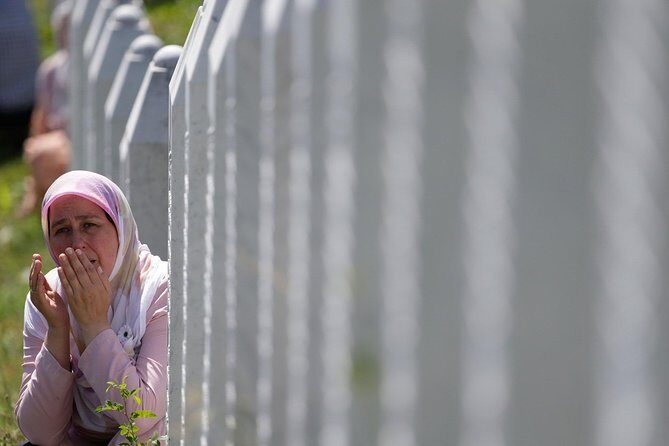
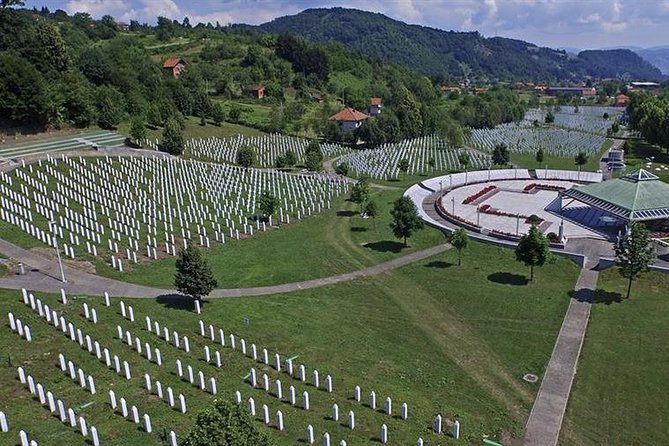
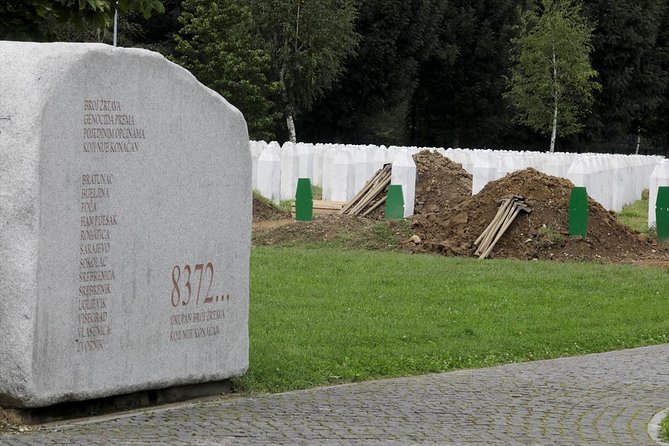
The cemetery visit is the heart of the trip. You’ll be able to pay your respects to the identified victims, and the tour context you receive includes the reported count of 6575 identified to date, with the number continuing to rise.
Guests repeatedly talk about the impact of the scale—rows upon rows and a sense of permanence that’s hard to shake. It’s not about numbers for shock value. The point is remembrance through names, markers, and continued work.
You’ll also learn that the process of honoring victims is ongoing. The tour description notes that due to the massive nature of the atrocity, victims are still being disinterred from mass graves and buried through successive efforts.
Bill Clinton’s 2003 opening and why ceremonies matter
The memorial complex was officially opened by former US President Bill Clinton in 2003. That detail may seem like trivia until you realize it explains how quickly the world recognized the need for an official, lasting space of remembrance.
From there, the process continued with annual successive burials. For travelers, that turns the memorial into something alive—history acknowledged, but also history that keeps requiring work.
What you’re really paying for: price versus full-day value
At $84.69 per person, the value isn’t the museum entry. Many memorial components are listed as free admissions within the day. The real value is the full package: a driver/guide, a professional guide, hotel pickup and drop-off, and the long, organized transport from Sarajevo.
You’re also paying for context. Several travelers say they could not have understood what happened without a guide. For a place like this, that’s not optional. The right guide helps you connect the historical timeline to the physical site.
Guides make or break this day: Edin, Almir, Enis, Ago, Ejub, and more
In the feedback, the guides show up again and again as the main reason the day feels coherent and respectful. Names that appear include Edin, Almir (also written by some as Almis), Enis, Ago, Ejub, Senad, Vedad, and Merjem (mentioned in connection with the memorial center).
Common themes in praise:
- strong historical knowledge, including complex politics
- personal openness about war experiences (where guides choose to share)
- respectful handling of a sensitive topic, including careful pacing
- friendliness that keeps the day from becoming cold or robotic
- unhurried time to absorb what you’re seeing
Even when people mention the day being long, they often add that the guide made it easier to carry.
The museum film and multimedia: why it’s worth your attention
If you only remember one museum element, make it the film with authentic video footage. Travelers specifically warn not to miss it, and it fits with the museum’s overall design: multiple formats help you grasp events leading to what happened.
You don’t need to watch everything in one emotional surge. The advantage of guided time plus free exploration time is that you can step back when you need to, then return when you’re ready.
Transportation notes: seatbelts, water, and comfort on the route
Most travelers feel the logistics are well-run. Feedback mentions a new air-conditioned van and basic comfort measures like bottled water, plus reminders about safety such as wearing seatbelts.
The drive is a big part of the story, too. You’re not only traveling distance; you’re traveling through a region that shaped the conflict. That’s why the guide stories on the road get called out as part of the experience, not just filler.
Who this tour fits best (and who should think twice)
This tour suits you if you want:
- a guided introduction to Srebrenica rather than a self-guided visit
- deeper context about the Bosnian war and how it unfolded
- a small group setting with room for questions
It may not be the right fit if you’re looking for an easy, upbeat day. Also, because the site is emotionally heavy, give yourself the freedom to take breaks and not force “closure” by the end of the ride.
Children are welcome, but the tour notes that children must be accompanied by an adult.
Booking timing, tickets, and cancellation safety net
Confirmation is received at booking, and you’ll get a mobile ticket. The tour also says it runs in English, and many travelers can participate.
If you want a safety net, the cancellation terms are reassuring: free cancellation up to 24 hours in advance for a full refund. Changes inside that 24-hour window aren’t accepted, so if you’re juggling flights, plan to decide earlier rather than later.
Should you book the Srebrenica Memorial study tour from Sarajevo?
If you’re visiting Sarajevo and you care about understanding Bosnia’s recent history responsibly, I’d say book it. This tour is built around the parts travelers consider most essential: guided museum context, victim-centered remembrance, and a cemetery visit where the names and numbers are treated with care.
Do it if you can handle a long day and heavy emotions. Skip it only if you’re hoping for light sightseeing, or if you know you’re not ready for this level of tragedy.
From Sarajevo: Srebrenica Genocide Memorial Study Tour
FAQ
How long is the Srebrenica Genocide Memorial study tour from Sarajevo?
It’s listed as about 10 hours total.
What time does the tour start and where does it meet?
The tour starts at 8:00 am at Meet Bosnia Tours – Sarajevo Tours, Days Out, Excursions and Activities (Gazi Husrev-begova 75 area). Pickup details are sent by email after booking.
Is the tour in English and is pickup offered?
Yes. The tour is offered in English, and hotel pickup and drop-off are included.
Is there an admission fee for the memorial and museum stops?
Admission is marked as free for the museum and memorial cemetery stops in the itinerary.
Are food and drinks included?
No. Food and drinks are not included, though the day includes a lunch stop.
How many people are in the group?
This tour has a maximum of 8 travelers.