
Tokyo Disneyland or DisneySea With Kids
Here’s the question every family planning a Japan trip agonises over: Disneyland or DisneySea? We spent a full day at each park with our three kids (aged 4, 7, and 10 at the time), and the honest answer is that it depends entirely on how old your children are. Not helpful, I know. But stick with me — I’ll break it all down so you can spend your money wisely.
Because tickets aren’t cheap. And you can’t just rock up and buy them at the gate, either. More on that shortly.
- The Short Version
- Tokyo Disneyland — The One for Little Ones
- DisneySea — The Showstopper (for Older Kids)
- Fantasy Springs — The New Bit Everyone’s Talking About
- Tickets — Read This Before Anything Else
- Practical Stuff That Actually Matters
- Strollers
- Baby Care Centres
- Child Switch
- The App
- Food
- What’s Overrated
- Our Recommended Split
- When to Go
- Getting There
- Final Thoughts
The Short Version
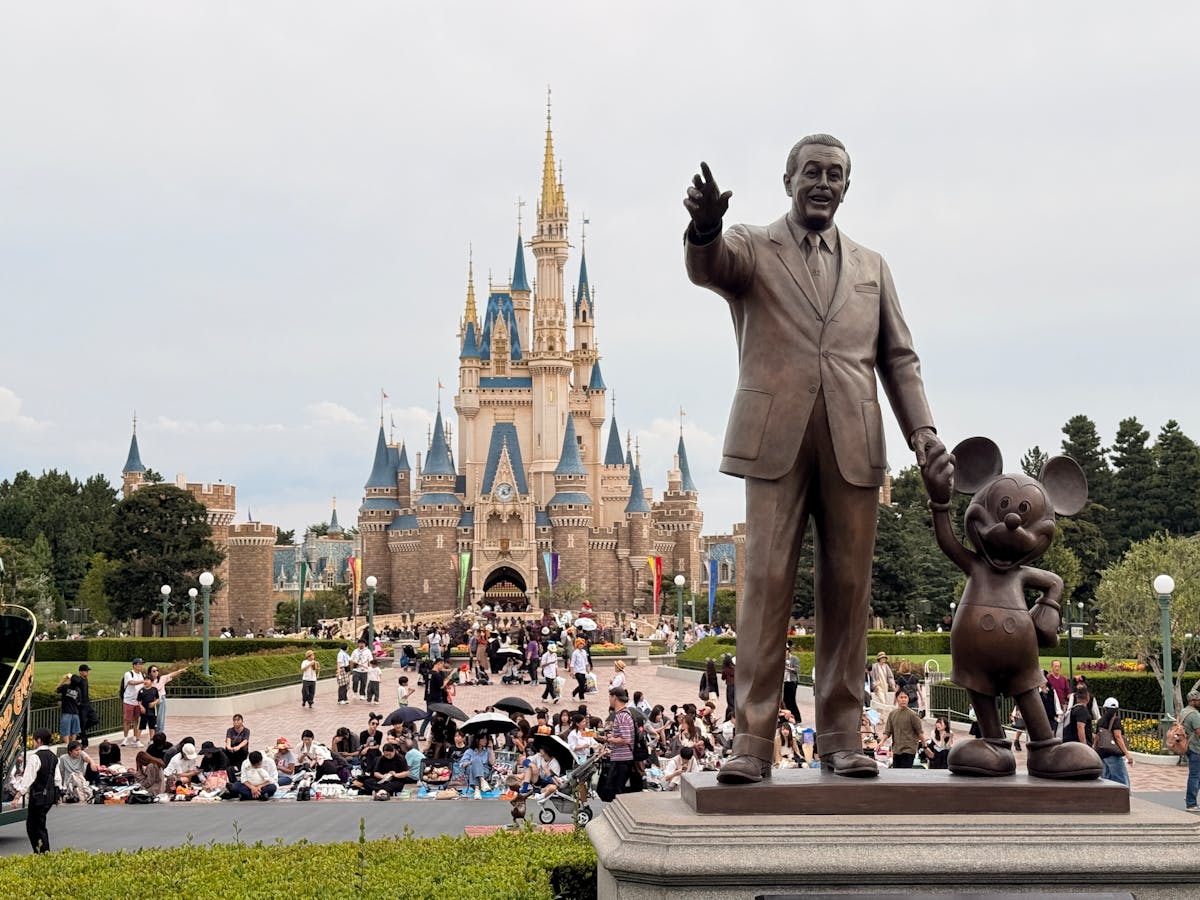
If your kids are under seven, pick Disneyland. No question. If they’re eight and above, DisneySea is the better park — it’s genuinely unlike any other Disney park in the world, and the new Fantasy Springs area is extraordinary. If you’ve got a mix of ages like we did, you’ll probably want to do both on separate days. Don’t try cramming both into one day with children. Just don’t. A park hopper ticket exists, but with little ones it’s a recipe for meltdowns (yours, not theirs).
Tokyo Disneyland — The One for Little Ones
Disneyland is the classic. It feels like a slightly more polished, obsessively clean version of the American original. Everything runs like clockwork. The cast members are extraordinarily attentive. And for young children, the ride selection is far superior to DisneySea.
Our four-year-old’s absolute favourite was Pooh’s Hunny Hunt. It’s a trackless ride — the cars move freely, which means every ride is slightly different. The queue itself is beautiful, all storybook pages and honey pots. Our daughter wanted to go on it three times. We managed twice.
Other wins for the younger crowd:
- Dumbo the Flying Elephant — yes, it exists everywhere, but the queue is shorter here than any other Disney park we’ve visited
- Gadget’s Go Coaster — tiny, fast, perfect for first-time coaster riders
- It’s a Small World — the Tokyo version has Disney characters woven into the scenes, which actually makes it more interesting than the original
- The parades — significantly better than DisneySea’s. Our kids were transfixed. The evening electrical parade alone is worth staying late for
The food situation at Disneyland is also easier with kids. Queue times for restaurants are noticeably shorter than at DisneySea, and there are more grab-and-go options scattered around the park. We had curry rice from one of the quick-service spots in Adventureland and it was genuinely tasty. About ¥1,200 (~£6) for an adult portion.
One thing that surprised me: the park isn’t enormous. You can walk from one end to the other in about fifteen minutes without rushing. That matters when you’ve got a tired child on your hip and another one complaining that their feet hurt.
DisneySea — The Showstopper (for Older Kids)
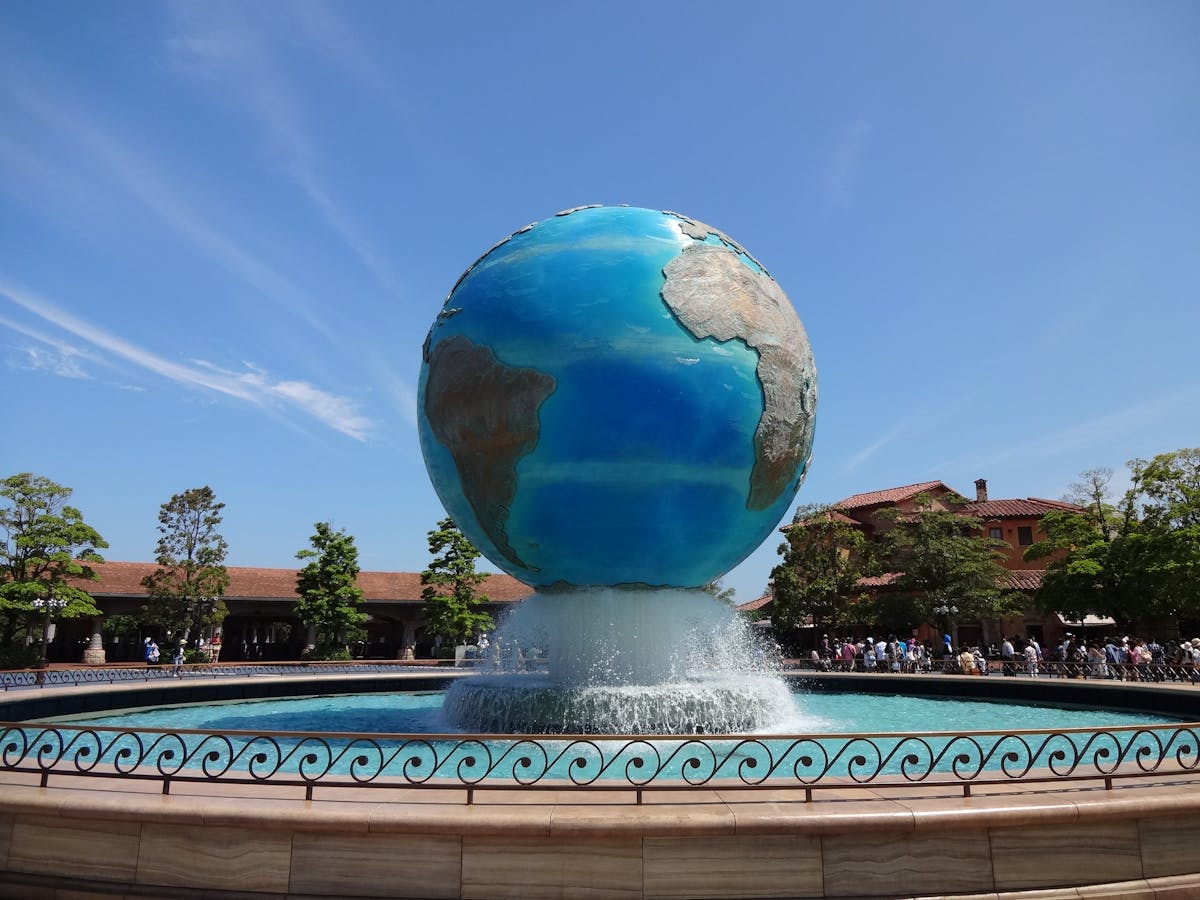
DisneySea is the park everyone raves about, and I’ll be honest — the hype is justified. Sort of. It’s architecturally stunning. The theming is on another level. The Mysterious Island area, with its volcano looming overhead, made my jaw drop. My husband, who is generally indifferent to theme parks, actually said “this is incredible” within ten minutes of walking in. The Arabian Coast zone feels like stepping into a completely different park. And the American Waterfront section has this odd, melancholy beauty — old steamships, moody lighting, a real sense of atmosphere that you simply don’t get at other Disney parks.
But.
It’s harder work with small children. Noticeably harder. The park is built on multiple levels with stairs, hills, and narrow bridges that make stroller navigation genuinely frustrating. We folded ours up more times than I can count. There are sections where you’re climbing steps with a buggy in one hand and a toddler’s hand in the other while other families stream past you. If you’ve got a child who still needs a pushchair, factor this in seriously. It’s not a dealbreaker, but it’s a faff. And the walking distances are greater than Disneyland — the park is spread around a central lagoon, so getting from one zone to another takes time.
The headline rides are brilliant but skew older:
- Journey to the Centre of the Earth — fast, dark, loud. Our ten-year-old adored it. Our seven-year-old was terrified. Height minimum of 117cm
- Soaring: Fantastic Flight — the best version of Soaring anywhere. Even our four-year-old loved this one, and there’s no height restriction, just a requirement that the child can sit upright unassisted
- Tower of Terror — our eldest’s highlight of the entire Japan trip. Not for nervous kids
- 20,000 Leagues Under the Sea — gentle submarine ride, works for all ages, but the queue can be brutal
Fantasy Springs — The New Bit Everyone’s Talking About
Fantasy Springs opened in 2024 and it’s DisneySea’s answer to the “nothing for young kids” criticism. There are three themed zones — Frozen, Tangled, and Peter Pan — and they’re gorgeous. The Peter Pan ride, in particular, is unlike anything I’ve experienced at a Disney park. It uses the same trackless technology as Pooh’s Hunny Hunt but on a much grander scale.
Here’s what nobody tells you, though. Getting onto the Fantasy Springs rides is a lottery. Literally. You enter a draw through the Tokyo Disney Resort app, and if you don’t win, you don’t ride. There’s no standby queue for most of the Fantasy Springs attractions. We entered the lottery four times across the day and won twice. Our friends who visited the following week won zero.
So please don’t build your entire day around Fantasy Springs. You might not get in. Have a backup plan. If your kids are Frozen-obsessed and will be devastated without riding Anna and Elsa’s Frozen Journey, manage those expectations before you arrive.
Tickets — Read This Before Anything Else
You cannot buy tickets at the gate. Full stop. Everything is advance purchase only, and the official Tokyo Disney Resort website is notoriously difficult with overseas credit cards. We tried three different cards before giving up.
Our workaround: Klook. Worked first time, confirmation came through instantly, and the e-tickets scanned perfectly at the gate. No markup on the price, either.
Current pricing:
- Adults (18+): ¥7,900–¥10,900 depending on the date (~£42–£57)
- Children (4–11): ¥4,700–¥5,600 (~£25–£29)
- Under 4: Free
Prices fluctuate based on demand. Weekdays during term time are cheapest. Weekends and Japanese school holidays push prices to the top bracket. For a family of four with two adults and two children over four, you’re looking at roughly ¥25,000–¥33,000 per park (~£130–£175). Not insignificant.
Check the official calendar before booking. Some days have shorter operating hours, which usually means fewer crowds. These “short-closing” days can actually work in your favour — the parks feel less rammed and you still get a solid eight or nine hours.
Practical Stuff That Actually Matters
Strollers
Both parks rent strollers for ¥1,000/day (~£5). They’re basic but functional. If you’re doing Disneyland, the rental stroller is fine — the park is flat and wide. If you’re doing DisneySea, I’d actually recommend a lightweight travel stroller you can fold with one hand and sling over your shoulder. You’ll need to.
Baby Care Centres
Both parks have dedicated baby care centres with nursing rooms, nappy-changing facilities, and somewhere to heat bottles and baby food. They’re spotless. Japan does this sort of thing properly. The Disneyland one is near the Central Plaza; the DisneySea one is near the Mediterranean Harbour entrance.
Child Switch
This is essential if one parent wants to ride something that the younger kids can’t. It’s called Child Switch (or “rider swap” if you’re used to the American terminology). One parent waits with the little ones while the other rides, then you swap without rejoining the main queue. Ask a cast member at the ride entrance — they’ll sort it. We used it for Journey to the Centre of the Earth and Tower of Terror. Saved us easily an hour of queueing across the day.
The App
Download the Tokyo Disney Resort app before you fly. You’ll need it for the Fantasy Springs lottery, checking wait times, and ordering food at some restaurants. It works in English but the interface is a bit clunky. Set it up the night before your visit, not when you’re standing at the gates at 8am with two impatient children pulling at your arms.
Food
The food across both parks is better than any Western Disney park. That’s not a controversial opinion — it’s just true. The Japanese approach to theme park food is entirely different. Our best meal was smoked turkey legs at Disneyland (¥900, ~£5) and a seafood pizza at DisneySea (¥800 per slice, ~£4). Portions are smaller than American Disney parks but the quality is miles ahead.
Budget roughly ¥3,000–¥4,000 per person per day for food and drinks (~£16–£21). Kids can easily share adult portions at some of the counter-service spots.
What’s Overrated
I’ll say it. Toontown at Disneyland is skippable unless your kids are under four. It’s colourful and there are some interactive bits, but the rides are forgettable and the area gets absolutely packed. Your time is better spent getting another ride on Pooh’s Hunny Hunt or watching the parade from a decent spot.
At DisneySea, the Venetian Gondolas look lovely in photos but the queue is absurdly long for what amounts to a five-minute boat ride with a singing gondolier. Skip it unless you find a walk-on moment, which is unlikely.
And the character meet-and-greets at both parks? The queues can stretch to ninety minutes. Ninety. For a photo with Mickey. We did it once, and I would not do it again. If your child is desperate for a character interaction, the parades are a much better bet.
Our Recommended Split
If you have two days and kids under seven: do Disneyland twice. Seriously. They won’t care that they’re missing DisneySea, and they’ll love having a second crack at their favourite rides.
If you have two days and kids over eight: do one day at each, starting with DisneySea when energy levels are highest (you’ll need them for the hills).
If you only have one day with mixed-age kids: Disneyland. It’s the safer choice. More rides accessible to everyone, easier logistics, better food queues, and the parades give you natural rest breaks where you can sit down and let the entertainment come to you.
When to Go
Avoid Japanese school holidays if you can. Golden Week (late April to early May), Obon (mid-August), and the Christmas to New Year period are rammed. We went in mid-October and it was ideal — pleasant weather, manageable crowds, and no rain. Spring is lovely but unpredictable. Summer is hot. Properly hot. Thirty-five degrees with humidity that makes you question your life choices. If you’re going in July or August, pack cooling towels and accept that you’ll spend half the day ducking into air-conditioned shops.
Tuesday to Thursday are generally the quietest days. Mondays and Fridays get spillover from weekend visitors extending their trips. Saturdays are the worst.
Getting There
Both parks are in Urayasu, about 15 minutes from central Tokyo by train. Take the JR Keiyo Line to Maihama Station — it’s directly outside Disneyland’s entrance. For DisneySea, you’ll need to hop on the Disney Resort Line monorail for one more stop. The monorail costs ¥260 per adult (~£1.40) per ride. Factor in an extra ten minutes for that connection, more if you’ve got a stroller to wrestle on and off.
Arrive before the gates open. Not “around opening time.” Before. The first hour in either park is golden — ride queues are short and you can knock out two or three major attractions before the midday crowds hit. We arrived forty minutes early and were through the gates within five minutes of opening. By 10am, Pooh’s Hunny Hunt already had a 60-minute wait. At 8:15, we’d walked straight on.
If you’re planning a broader family trip to Japan, we’ve put together a complete guide covering travelling Japan with kids that covers transport, accommodation, and all the bits that are hard to figure out from guidebooks alone.
Final Thoughts
Tokyo Disney Resort is expensive. There’s no getting around that. But it’s also one of the most well-organised, beautifully maintained theme park experiences you’ll find anywhere. The attention to detail is staggering — from the immaculate toilets to the cast members who wave at your children like they genuinely mean it.
Just pick the right park for your kids’ ages, book your tickets in advance, and don’t over-plan the day. Some of our best moments were unscripted — our youngest dancing to a street performer near the castle, our eldest gasping at the volcano erupting over Mysterious Island, all five of us sharing a bucket of popcorn (flavoured popcorn, because Japan) while watching the sun set over the harbour at DisneySea.
Those are the bits you’ll remember. Not whether you managed to tick off every ride on the list. Take it easy. Let the parks do the work. They’re very, very good at it.