
Japan Rail Pass With Kids
The Japan Rail Pass is one of those things that sounds too good to be true. Unlimited travel on nearly every train in Japan — including the bullet trains — for one flat price? With children under six riding completely free? Yes. And once you’ve done the maths, it genuinely is as brilliant as it sounds. Mostly.
We’ve used the JR Pass on two separate trips to Japan with our kids, and both times it saved us a fortune. But it’s not always the right call. There are situations where you’d be throwing money away. So here’s the honest breakdown — what it covers, what it costs, and whether it’s actually worth it for your family.
- What Exactly Does the Japan Rail Pass Cover?
- Children’s Pricing — This Is Where It Gets Good
- How Much Does It Cost in 2026?
- The Maths: When the JR Pass Is Absolutely Worth It
- When It’s NOT Worth It
- Practical Tips for Travelling With Kids on the Shinkansen
- Reserve Your Seats (Seriously, Do This)
- Ekiben — Station Bento Boxes
- Stroller Storage
- Toilets
- The Green Car Option
- Where to Buy the JR Pass
- Our Favourite JR Pass Itinerary With Kids
- Final Thoughts
What Exactly Does the Japan Rail Pass Cover?
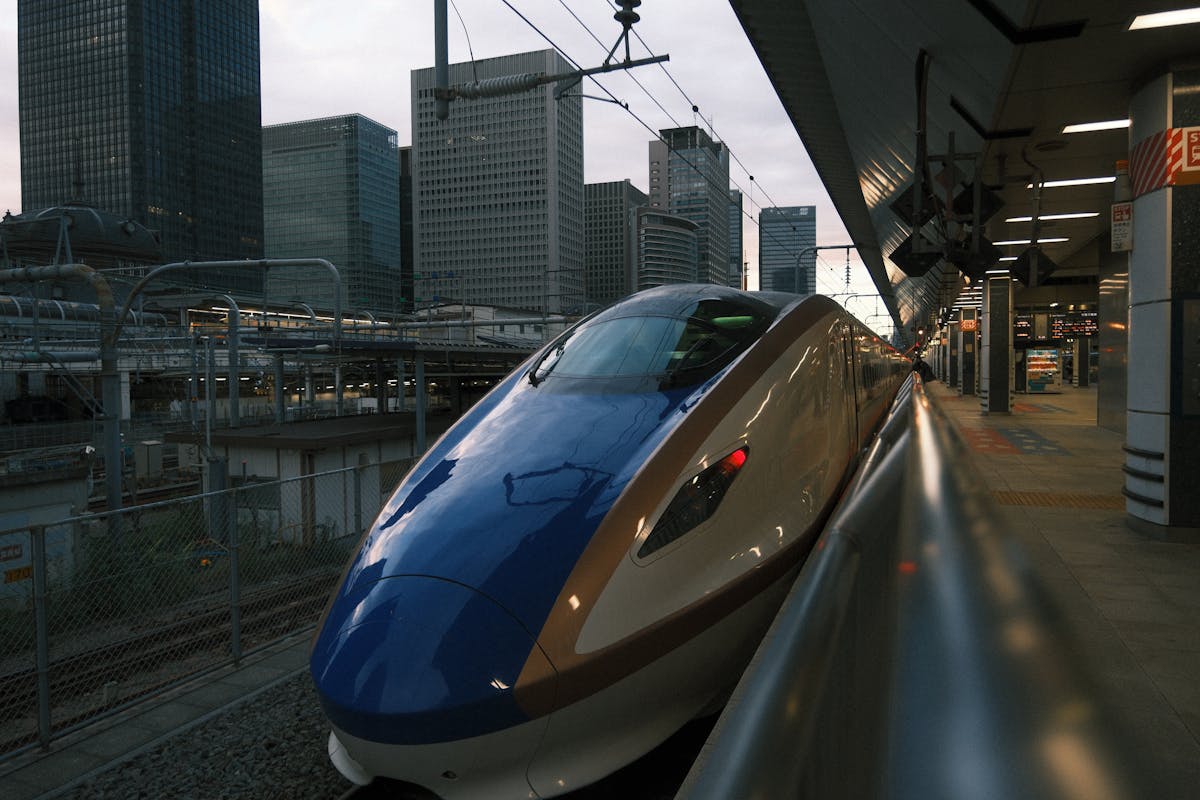
The JR Pass gives you unlimited travel on all Japan Railways (JR) lines across the country. That includes the famous shinkansen bullet trains, local JR trains, some JR buses, and even the JR ferry to Miyajima Island near Hiroshima.
One important catch, though. It does not cover the Nozomi or Mizuho shinkansen services. These are the absolute fastest bullet trains on the Tokaido and Sanyo lines. Instead, you’ll take the Hikari or Sakura services. The practical difference? Tokyo to Kyoto takes about 2 hours 20 minutes on the Hikari instead of 2 hours 10 on the Nozomi. Fifteen to twenty minutes. Honestly, the kids won’t notice and neither will you.
The pass also covers the Narita Express from Narita Airport into central Tokyo, which normally costs around ¥3,250 per adult each way. So if you’re arriving at Narita, your pass starts paying for itself before you’ve even reached your hotel.
Children’s Pricing — This Is Where It Gets Good
Japan’s child pricing rules are refreshingly simple and genuinely generous.
Under 6: Completely free. No ticket needed at all. Your little one sits on your lap on reserved seats, or takes up a free seat on unreserved carriages when there’s space. We never had a problem finding room, even on busier routes.
Ages 6 to 11: Half the adult price. A proper bargain when you see the numbers.
12 and over: Adult price, I’m afraid. Japan considers 12 the start of adulthood when it comes to train fares. Our eldest was deeply unimpressed by this particular milestone.
How Much Does It Cost in 2026?
Here are the current prices for the standard (Ordinary) JR Pass:
7-day pass: Adult ¥50,000. Child (6-11) ¥25,000.
14-day pass: Adult ¥80,000. Child (6-11) ¥40,000.
21-day pass: Also available if you’re doing a longer trip, though most families find 7 or 14 days covers their itinerary.
For a family of two adults and two children aged 6-11, a 7-day pass costs around ¥150,000 total. Sounds like a lot written down like that. But let’s do the sums.
The Maths: When the JR Pass Is Absolutely Worth It
A standard return journey from Tokyo to Kyoto on the shinkansen costs roughly ¥27,000 per adult without a pass. That’s just one return trip. So if you’re doing Tokyo to Kyoto and back, your 7-day adult pass at ¥50,000 has already clawed back more than half its value.
Add one day trip — say Kyoto to Hiroshima, or Tokyo to Hakone — and the pass has paid for itself. Throw in the Narita Express and a few local JR trains around cities, and you’re solidly in profit. For a classic two-week route hitting Tokyo, Hakone, Kyoto, Osaka, and Hiroshima, the savings are substantial.
The sweet spot? Any trip that involves at least two long-distance shinkansen journeys plus a couple of shorter ones within the pass period. That’s most family itineraries, frankly.
When It’s NOT Worth It
I want to be straight about this because nobody benefits from buying a pass they don’t need.
If you’re only staying in Tokyo: Don’t bother. Tokyo’s metro and subway systems aren’t covered by the JR Pass (they’re run by different companies). You’ll use JR lines occasionally within Tokyo, but not enough to justify the cost. A Suica or Pasmo IC card is what you want instead.
If you’re only doing a Tokyo-Osaka return: The return fare is about ¥28,000 per adult. The 7-day pass costs ¥50,000. Unless you’re adding other JR journeys on top, you’re paying ¥22,000 extra for no reason.
If your trips are concentrated in one region: Regional JR passes exist and can be much better value. The Kansai Area Pass covers Kyoto, Osaka, Nara, and Kobe for a fraction of the nationwide pass price. The Hokkaido pass is another good one. Have a proper look at regional options before defaulting to the full pass.
We made this mistake once, buying the nationwide pass when we were spending ten days mostly in the Kansai region. A regional pass plus individual tickets would’ve saved us about ¥15,000 per person. Lesson learned.
Practical Tips for Travelling With Kids on the Shinkansen
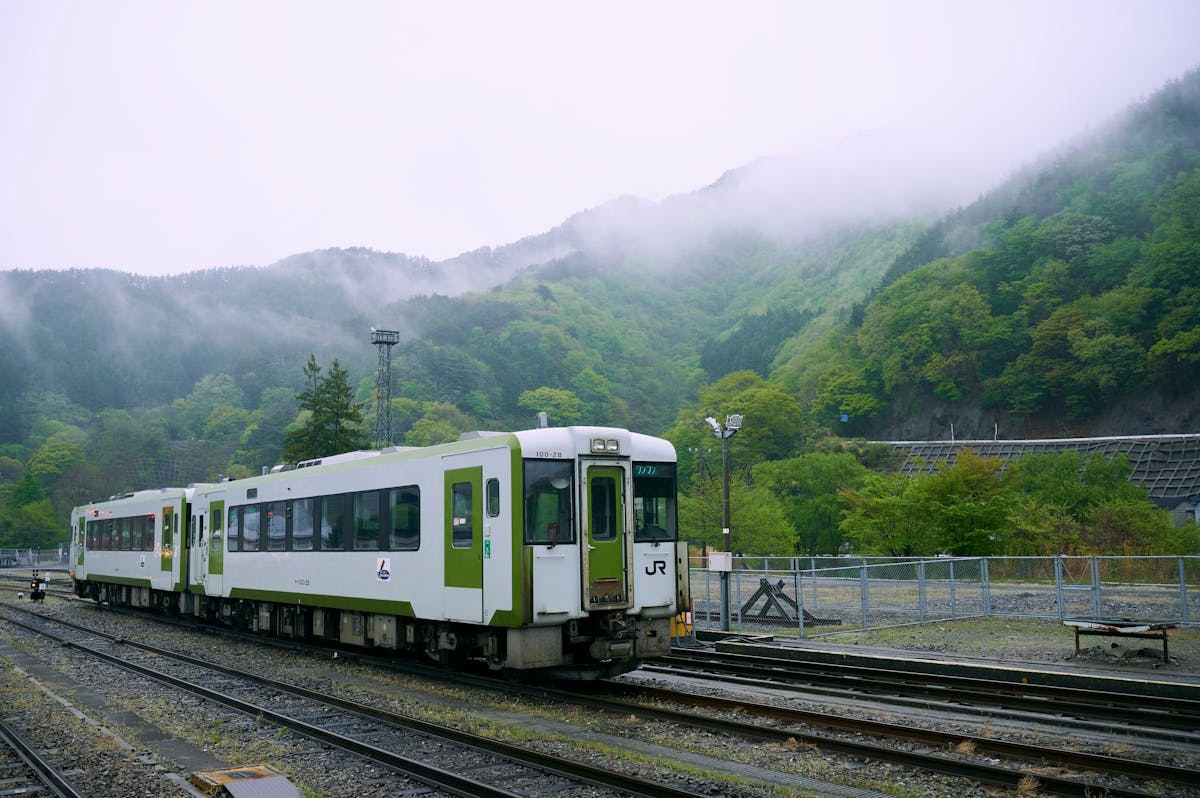
Right. You’ve got your pass. Here’s how to make the actual journeys smooth with children in tow.
Reserve Your Seats (Seriously, Do This)
Seat reservations on the shinkansen are free with the JR Pass. Free! There’s no reason not to reserve, and every reason to do it. Walk up to any JR ticket office (called “Midori no Madoguchi” — look for the green signs), hand over your pass, and they’ll book you onto a specific train with guaranteed seats together.
This matters enormously with kids. The unreserved carriages can fill up at peak times, and standing for two hours with a tired four-year-old and a stroller is nobody’s idea of a holiday. We always reserved, every single time, and it meant we could plan our days around specific departures. Much less stressful.
Ekiben — Station Bento Boxes
One of the genuine highlights of shinkansen travel. Every major station sells ekiben — beautifully packed bento boxes designed specifically for eating on the train. They’re a meal and an activity rolled into one. Our kids spent half the journey examining every compartment and negotiating swaps.
Tokyo Station has an entire ekiben shop called “Ekibenya Matsuri” near the Yaesu South exit with over 200 varieties. Prices range from about ¥800 to ¥1,500. Stock up before you board. The onboard trolley service exists but has a limited selection and slightly higher prices.
Stroller Storage
There’s luggage space behind the last row of seats in most shinkansen carriages, and this is the unofficial stroller spot. When you reserve seats, ask for the last row so you’re right next to it. On newer trains, there are also overhead racks, but a folded stroller is easier to stow behind the seats. We found this worked perfectly even with our bulky travel pushchair.
Toilets
Every shinkansen has clean, well-maintained toilets. Most include a Western-style option and a Japanese-style one. Some newer trains have a changing table too, though it can be a tight squeeze. We always did a “does anyone need the loo?” check before boarding because navigating the aisle with small children while the train’s moving is an adventure you don’t strictly need.
The Green Car Option
If you fancy a treat, you can upgrade to Green Car — Japan’s equivalent of first class. Wider seats, more legroom, quieter carriages. You’ll need to buy a Green Car JR Pass (roughly 30-40% more expensive) or pay a supplement per journey. With small children, the extra space can be genuinely worth it on longer legs. On shorter trips, standard class is perfectly comfortable.
Where to Buy the JR Pass
Order your JR Pass online before you travel. The official site is japanrailpass.net, and you can also buy through authorised resellers. You’ll either receive a voucher to exchange at a JR office when you arrive in Japan, or you can pick up the pass directly at major stations and airports.
Buy it at least a week before your flight to be safe. You can purchase the pass inside Japan at major JR stations, but the price is the same and you’ll spend precious holiday time queuing. Just sort it beforehand.
One thing to note: you choose your start date when you activate the pass, not when you buy it. So you can purchase well in advance and activate it on whatever day suits your itinerary. Handy if your first few days are in Tokyo before you start travelling further afield.
Our Favourite JR Pass Itinerary With Kids
If you’re planning a first trip to Japan as a family, this is the route that squeezes the most value from a 7-day pass:
Day 1: Activate pass. Narita Express to Tokyo.
Day 2: Day trip to Kamakura (great for kids — giant Buddha, the beach).
Day 3: Shinkansen to Kyoto. Settle into your accommodation.
Day 4: Day trip to Nara (the deer park alone is worth it).
Day 5: Day trip to Hiroshima and Miyajima Island (JR ferry included).
Day 6: Explore Kyoto using JR local lines.
Day 7: Shinkansen back to Tokyo.
That itinerary uses the pass almost every day and covers some extraordinary ground. The individual ticket cost for those journeys would be well over ¥70,000 per adult. The pass saves you roughly ¥20,000 per adult — and that’s before counting local JR trains.
Final Thoughts
The Japan Rail Pass isn’t complicated. It isn’t a gimmick. For families doing the classic multi-city route through Japan, it’s a straightforward way to save money while making travel days easier with kids. The free seat reservations alone remove half the stress of getting between cities.
Just be honest with yourself about your itinerary. If you’re moving between two or more cities with children, get the pass. If you’re staying put in one place, don’t. And if you’re somewhere in between, sit down with a calculator, look up the individual fares on Hyperdia, and do the maths. It takes ten minutes and could save you hundreds of pounds.
For tips on where to stay in Tokyo with kids, we’ve got a separate guide covering the best areas and family-friendly hotels.
Happy travels. And get those seat reservations sorted.