
Yokohama With Kids
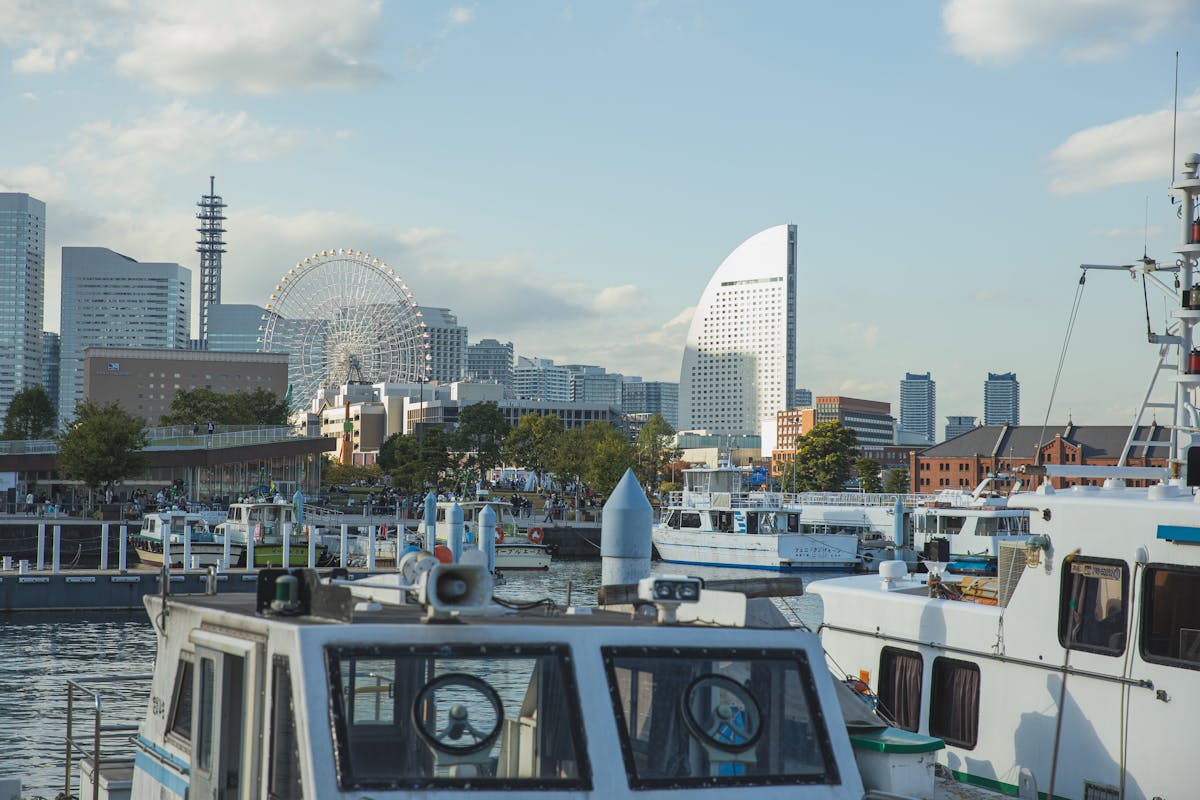
Yokohama is barely thirty minutes from central Tokyo by train, and yet it feels like a completely different city. Wider pavements. Fewer crowds. A gorgeous waterfront. And a collection of family attractions that, frankly, rival anything in the capital. We’d heard good things before our first visit. The reality was even better.
It’s an easy day trip — or half day, if you’re short on time — and it’s brilliantly set up for families. Flat, walkable, stroller-friendly. The kind of place where you can actually relax rather than spending the whole day wrestling a buggy up subway stairs. Here’s what to do in Yokohama with kids, and why it deserves a spot on your Japan itinerary.
Getting There
Simple. From Shibuya or Shinjuku, the Tokyu Toyoko Line or JR Shonan-Shinjuku Line will have you in Yokohama in about thirty minutes. Covered by the JR Pass if you’re using one, or just tap your IC card. No changes needed, no complicated transfers. The kind of journey you can do with a toddler on your lap and a coffee in your hand without breaking a sweat.
Yokohama Station is enormous, but well-signposted. From there, the Minato Mirai area where most of the family attractions sit is a short train hop or a pleasant twenty-minute walk along the waterfront. We walked. It was lovely.
Cup Noodle Museum
Right. This was the highlight for our lot, and I suspect it will be for yours too.
The Cup Noodle Museum — officially the Cupnoodles Museum Yokohama — is dedicated to instant noodles and the man who invented them. Sounds niche. It is niche. It’s also absolutely brilliant. The main draw for families is the “My Cupnoodles Factory” on the third floor, where you design your own cup noodle packaging (felt pens, stickers, go wild) and then choose your soup base, toppings, and flavourings before watching your creation get sealed up in front of you. The whole thing costs ¥500 per cup, which is about £2.60. That’s it.
Our children spent a genuinely focused forty-five minutes decorating their cups. No fighting. No whinging. Just pure, concentrated creativity. I nearly cried with joy.
Allow about two hours for the museum overall. There’s an interactive exhibition about the history of instant noodles (more interesting than it sounds, truly), a recreation of Momofuku Ando’s workshop, and for younger children, a play area themed around a noodle factory. One important note: book your tickets in advance online. Especially at weekends and during school holidays. Walk-ups do happen but you might face a long wait or miss out entirely.
Chinatown
Yokohama’s Chinatown is the largest in Japan, and one of the largest in the world. It’s a proper Chinatown — not a couple of restaurants and a gate, but block after block of food stalls, temples, shops, and ornate painted archways in red and gold. Walking through it is an event in itself.
For kids, this is basically one enormous street food crawl. Steam buns everywhere. Nikuman — those big, soft, pillowy pork buns — cost between ¥300 and ¥500 (roughly £1.60 to £2.60) depending on the filling, and they are perfect for small hands and big appetites. Dumplings. Sesame balls. Almond biscuits. Our strategy was simple: walk slowly, eat constantly, stop when full. It took a surprisingly long time to reach the “full” part.
The colourful gates at each entrance make good photo spots, and there’s a small temple — Kanteibyo — in the middle that’s free to look around. Don’t try to see everything. Just wander, graze, and enjoy it. That’s the right approach.
Cosmoworld
You’ll spot the Ferris wheel before you spot anything else in Yokohama. Cosmoworld is a small amusement park right on the waterfront in Minato Mirai, and the best bit about it — apart from the rides — is the pricing model. No entry fee. You just pay per ride, from about ¥300 to ¥800 per go. So if your three-year-old only wants to do two things, you’re paying for two things. No wasted ¥5,000 entry tickets while a toddler melts down after one ride.
The Ferris wheel itself is iconic — it’s one of the biggest clock-design wheels in the world, and the views from the top over the harbour and the city skyline are gorgeous. ¥900 per person (about £4.70). There are also rollercoasters, a log flume, spinning rides, and various arcade-style attractions. It’s not Disneyland. It doesn’t pretend to be. But for a couple of hours of fun between other sightseeing, it’s spot on.
Evenings are particularly good here. The wheel lights up and the whole waterfront takes on a different character.
Shin-Yokohama Ramen Museum
This one is a slight detour — it’s at Shin-Yokohama Station rather than the Minato Mirai area — but it’s worth the trip. The Shin-Yokohama Raamen Museum is part museum, part food hall, and entirely wonderful.
Downstairs, the entire basement has been recreated to look like a 1958 Tokyo street. Dim lighting, old shopfronts, fake twilight sky overhead, and a handful of ramen shops serving bowls from different regions across Japan. Tonkotsu from Kyushu. Miso from Hokkaido. Soy-based Tokyo style. Each one is a real ramen shop — these are actual restaurants from around the country that have set up satellite branches here. The quality is outstanding.
Entry is ¥380 for adults (about £2) and free for children under six. The ramen bowls themselves cost extra, obviously — budget around ¥900-1,000 per bowl. Most shops offer “mini” portions too, which are brilliant for kids or for anyone who wants to try more than one style. We managed three different bowls between the four of us. No regrets.
The atmosphere alone makes it worth visiting. Our kids were fascinated by the recreated street — the old post boxes, the retro sweet shop, the general sense of having stepped back in time. Genuinely atmospheric.
Minato Mirai Waterfront
Minato Mirai is Yokohama’s modern waterfront district, and it’s the area that ties everything together. Wide promenades. Clean, open spaces. Views across the harbour. It’s the kind of urban planning that makes you wonder why more cities don’t bother doing this properly.
The Red Brick Warehouse — Akarenga Soko — sits right on the water and houses a collection of shops, cafes, and restaurants. Nothing you urgently need to buy, but pleasant to wander through, and there are often seasonal markets and events in the open space between the two buildings. In winter there’s usually an ice rink. In summer, a beer garden. Always something.
For families, the real value of Minato Mirai is the walkability. Flat paths, no steps, plenty of space for buggies and scooters. After the sensory overload of Tokyo, the breathing room here is genuinely refreshing. We spent a good hour just ambling along the waterfront, stopping for ice cream, watching the boats. Sometimes the best bits of a trip are the unplanned ones.
Landmark Tower Sky Garden
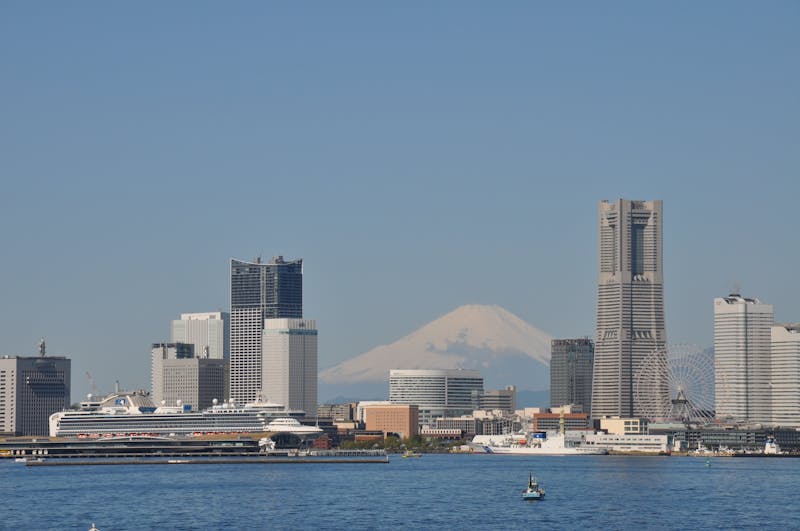
If you want a view, this is where to get one. The Yokohama Landmark Tower was Japan’s tallest building for years, and the Sky Garden observation deck on the 69th floor offers panoramic views across the city, the harbour, Tokyo in the distance, and — on a clear day — Mt Fuji. That last one depends heavily on the weather and the season. Winter mornings are your best bet.
Entry is ¥1,000 for adults (about £5.30) and ¥500 for primary school children. The lift to the top is absurdly fast — one of the quickest in the world, actually — which thrilled our kids far more than the view itself. Priorities.
It’s worth doing, but I’d suggest going early or late in the day when the light is best. Midday can be a bit hazy, and queues for the lift are shorter outside peak hours.
How Long Do You Need?
You could do Yokohama as a half-day trip from Tokyo. Cup Noodle Museum, a wander around Chinatown, a ride on the Ferris wheel, done. Back in Tokyo by mid-afternoon. Perfectly doable.
But a full day is better. It lets you fit in the Ramen Museum, spend proper time at the waterfront, maybe catch the Landmark Tower views at sunset. We did a full day and didn’t feel rushed, which is rare with children. The pace in Yokohama just suits families.
If you’re choosing between Yokohama and other Tokyo day trips, I’d put it right up there. Less walking than Kamakura, more variety than Nikko, and the food alone makes it worthwhile.
Practical Bits
Yokohama is flat. Gloriously, mercifully flat. After days of navigating Tokyo’s endless staircases with a buggy, the wide pavements and step-free routes here felt like a holiday within a holiday. Strollers work everywhere in Minato Mirai with no issues at all.
Toilets are everywhere and spotlessly clean. Japan standard, basically.
The whole area is noticeably less crowded than central Tokyo, even at weekends. You can actually sit down in restaurants without queuing for forty minutes. You can walk without being swept along by a river of people. Small mercies, but they matter when you’ve got little ones.
Coin lockers at Yokohama Station are plentiful. Dump your bags, explore light. The medium-sized ones fit a day bag easily.
One last thing. Yokohama is beautiful at night. If your children can handle a slightly later bedtime, staying for the sunset and the lit-up Ferris wheel is properly magical. We didn’t plan it — we just ran out of afternoon — but it turned into one of the best evenings of our whole Japan trip.
For more on planning your family trip to Japan, have a look at our guide to family travel in Japan and our Japan itinerary with kids.