
Nobody told us about the shoes.
We’d packed carefully for our first Japan trip — outfits planned, weather checked, luggage weighed. And then on day one, standing in the entrance of a temple in Kyoto, we watched our daughter struggle with her lace-up boots for the fourth time that morning while a queue of patient Japanese visitors waited behind us. Shoes off to enter. Shoes on to leave. Shoes off again at the next temple. Then the ryokan. Then the restaurant. Then a fitting room at Uniqlo.
Lesson learned. Here’s what we wish we’d known about dressing for Japan with kids — the stuff that actually matters on the ground.
Shoes: The Single Most Important Thing You’ll Pack
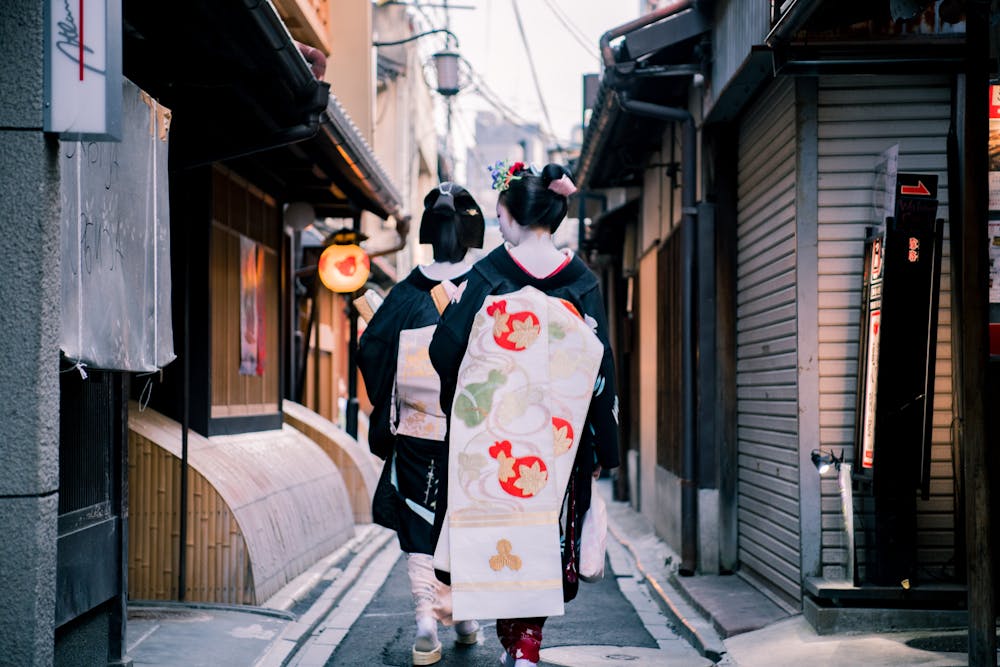
We cannot stress this enough. You take your shoes off everywhere in Japan. Temples, shrines, ryokans, many restaurants, some shops, fitting rooms, people’s homes. Multiple times a day, every single day.
Slip-on shoes are not optional. They’re essential. For you and for every child in your group.
Forget lace-up boots. Forget buckle sandals. Forget anything that takes more than two seconds to get on and off. Our rule now: if a child can’t do it themselves, those shoes stay home. Trainers with elastic laces work well. Slip-on Vans. Crocs for younger ones (not the most stylish, but honestly who cares when you’re removing them twelve times before lunch).
And here’s the bit people forget — socks. You’ll spend a surprising amount of time walking around in your socks. Temple floors, tatami mat rooms, ryokan corridors. Pack decent socks. Ones without holes. Ones you don’t mind being seen in. Dark colours hide dirt better than white, and trust us, your kids’ white socks will be grey by noon.
Walking: Your Feet Will Do More Than You Think
Japan is a walking country. We averaged 18,000 steps a day in Tokyo and hit 25,000 on big sightseeing days in Kyoto. Even with trains doing the heavy lifting between areas, you’ll walk enormous distances within stations, between attractions, and through sprawling temple grounds.
This isn’t a “comfortable shoes would be nice” situation. It’s non-negotiable.
Whatever shoes you bring, break them in before you go. New shoes plus 20,000 steps equals blisters by lunchtime. We learned this the painful way so you don’t have to. Our kids now travel in shoes they’ve worn for at least a month before the trip.
For little ones who might flag, a lightweight stroller or carrier is worth its weight in gold. But for kids aged five and up, they’ll need to walk. Build up to it at home if you can — weekend walks, skipping the car for school runs. Their feet will thank you.
Layers: Japan’s Weather Will Catch You Out
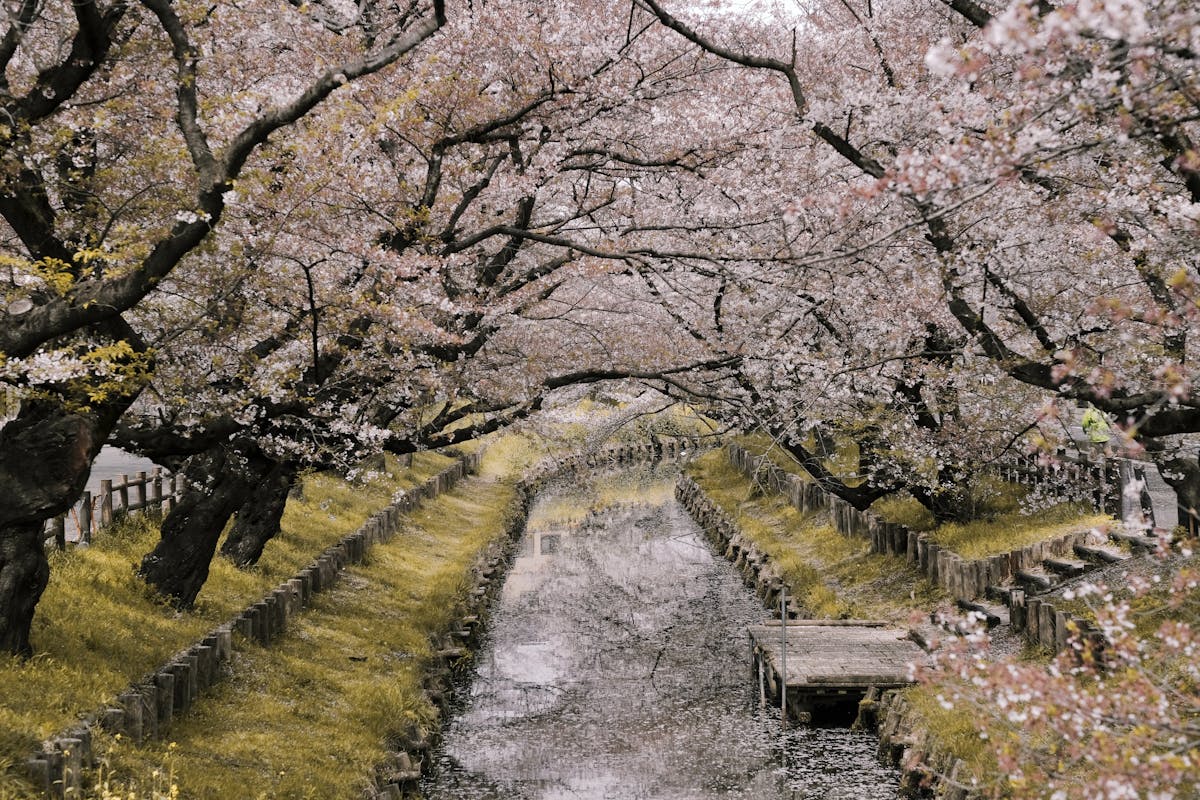
Here’s what surprised us about Japan’s climate: it varies wildly. Tokyo can be a sweltering 35°C in August or a bitter 5°C in January. And the shoulder seasons are properly unpredictable — we’ve had mornings in April where we needed a fleece and afternoons where the kids were in t-shirts and still hot.
Layers are your best friend. Not one thick coat. Multiple thin layers that go on and off easily throughout the day. This is especially true for kids, who run hot when they’re moving and cold the moment they stop.
A good base: t-shirt, light long-sleeve layer, thin fleece or hoodie, and a waterproof jacket stuffed into the bag. That combination handles about 80% of Japan’s weather outside the extremes of midsummer and deep winter.
What to Wear by Season
Spring (March–May): Our favourite time to visit, but don’t be fooled by the cherry blossom photos — spring in Japan can be chilly. Pack a light jacket, layers you can peel off as the day warms up, and always a rain jacket. Cherry blossom season brings scattered showers, and there’s nothing worse than being caught in the rain at Philosopher’s Path with no waterproof. Cotton layers, a light knit, and waterproofs will see you right.
Summer (June–August): Hot. Properly hot. And humid in a way the UK simply doesn’t prepare you for. Light cotton everything. Hats are essential, not optional — the sun is fierce. Slather on sunscreen and reapply constantly.
One thing we picked up from Japanese families: carry a small towel. The Japanese use tenugui — thin cotton towels — to dab sweat, and once you start doing it you’ll wonder how you ever managed without one. Every convenience store sells them. Buy a few on day one. Kids love having their own.
Autumn (October–November): Genuinely lovely. Similar to spring in terms of packing — layers, a light jacket, one warmer option for evenings when the temperature drops. The weather is generally kinder than spring, but evenings in Kyoto can get properly cold by late November.
Winter (December–February): This depends hugely on where you’re going. Tokyo and Kyoto sit around 0–10°C, so you need a proper winter coat, warm layers, gloves, scarves. It’s not dissimilar to a cold British winter. But if you’re heading to Hokkaido or mountain areas — serious winter gear. Proper snow boots. Thermal base layers. Hokkaido gets metres of snow and temperatures well below freezing.
Temples and Shrines: What’s Respectful?
Good news — there’s no strict dress code for temples and shrines in Japan. You won’t be turned away for wearing shorts.
But. There’s a “but.”
Covering your shoulders and knees is respectful, and the Japanese visitors around you will generally be dressed modestly. Ripped jeans feel out of place. Very short shorts or strappy vest tops draw looks. You don’t need to dress formally — casual and covered is the sweet spot. Think knee-length shorts, t-shirts with sleeves, nothing too revealing.
For kids, this is rarely an issue. Normal children’s clothes — t-shirts, trousers, leggings — are absolutely fine. Just avoid anything with slogans that might be rude (you’d be surprised what some kids’ t-shirts say).
Dressing Kids for Practicality
Forget fashion. Dress your children for function.
Toilet access is the big one. Japanese toilets are brilliant, but public ones still require speed and independence, especially when your four-year-old announces they need to go right now in the middle of a crowded train station. Toddlers in pull-ups. Easy pull-down trousers or leggings for everyone. Avoid dungarees, playsuits, or anything that requires full disassembly in a toilet cubicle.
Layers they can manage themselves. If your six-year-old can’t zip their own jacket or pull on their own hoodie, you’ll spend half the trip dressing them while managing bags, tickets, and your own coat. Practise at home.
A waterproof jacket lives in the bag at all times. Not in the suitcase at the hotel. In the day bag. Japan’s weather shifts quickly, and a five-minute downpour can soak everyone. Lightweight packable waterproofs are worth every penny.
Pack Light and Do Laundry
This is the single best packing advice we can give for Japan: don’t pack for every day. Pack for four or five days and wash as you go.
Most Japanese hotels have coin laundry rooms — usually in the basement or ground floor. Pop your clothes in before dinner, move them to the dryer before bed, fold them in the morning. It costs about 300–400 yen per load (around £2) and it means you’re not dragging a massive suitcase through train stations and up narrow hotel staircases.
If you’re staying at a MIMARU apartment-style hotel, you’ll have a washing machine right in the room. Absolute game-changer for families. We did a two-week trip with a single carry-on each by washing every three days.
Fourteen days of outfits for a family of four? That’s a logistical nightmare. Four days of outfits plus laundry? That’s a carry-on.
What NOT to Pack
Skip the heels. Cobblestones at shrines, gravel paths at temples, stairs everywhere in stations. Even wedges are a bad idea. Flat, comfortable, slip-on. That’s it.
Leave white shoes at home. Between temple dust, gravel paths, rainy days, and the general grime of 20,000 daily steps, white shoes will be ruined by day three. Dark trainers all the way.
And honestly? Don’t overpack kids’ outfits. Japan has incredible children’s clothing. Uniqlo is everywhere and their kids’ range is excellent — lightweight layers, fun prints, quality basics at fair prices. GU (Uniqlo’s cheaper sister brand) is even more affordable. And 100-yen shops sell surprisingly decent basics, socks, and accessories.
Some of our favourite kids’ clothes have come from random Japanese shops. Let them pick something out — it makes a better souvenir than a fridge magnet, and it’s one less thing you needed to pack from home.
The Short Version
Slip-on shoes. Comfortable and broken in. Layers for unpredictable weather. Modest but casual for temples. Easy-access clothing for kids. Waterproof always in the bag. Pack light, wash often, and buy cute Japanese clothes when you get there.
Get the shoes right and the rest follows. Get them wrong and you’ll feel it every single day.
For more on planning your trip, see our full guide to family travel in Japan and our Japan itinerary with kids.