
Venice is one of those places you think might be wasted on children. All that history, the architecture, the slow romance of it. Surely it’s a couples’ destination? We thought so too. Then we took our lot and discovered something unexpected — Venice is absolutely brilliant with kids. A city made of water, bridges, and narrow passages that feel like something from a storybook. They talked about it for months.
It does require planning, though. So here’s everything we learned, the hard way and otherwise.
Getting There
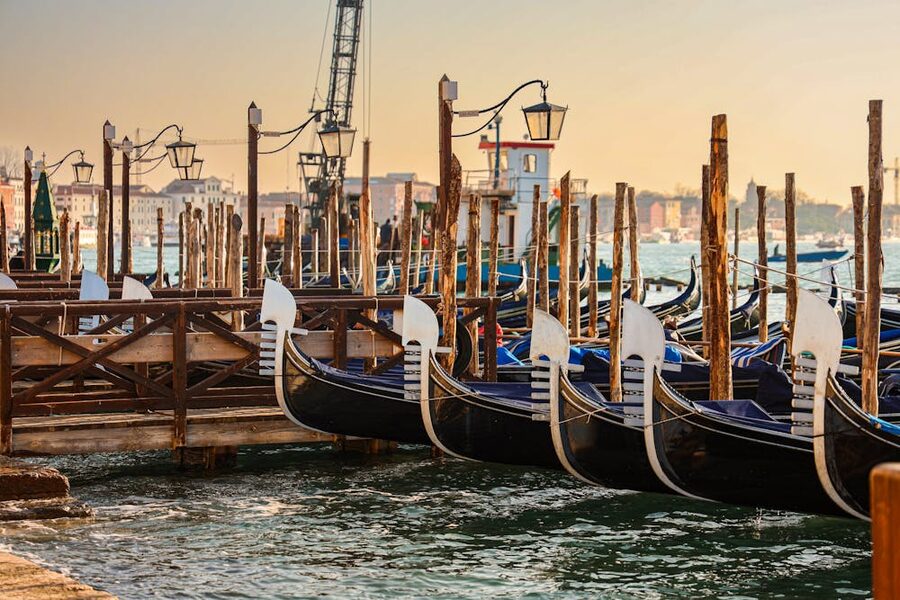
Fly into Marco Polo Airport, which is on the mainland just outside the city. From there, take a water taxi (fast but expensive — around €120-150 for the whole boat) or the Alilaguna water bus at about €15 per adult. The Alilaguna takes roughly 90 minutes depending on your stop, but the kids loved being on the water and it gave us that gradual approach to the skyline that felt properly cinematic.
The other option is the train. Honestly? This is our recommendation if you’re already in Italy. Trains from Rome, Florence, or Milan arrive at Santa Lucia station, right on the Grand Canal. You step off the train, walk outside, and Venice is just there. Water everywhere. Boats instead of buses. As a first impression, it’s hard to beat.
The Pushchair Situation (Read This First)
Right. This is the single most important piece of practical advice we can give you, so we’re putting it near the top.
Leave the pushchair at home. Or in the hotel. Or frankly in another city.
Venice has over 400 bridges. Most have steps. Very few have ramps. You will spend your entire holiday bumping a buggy up and down stone staircases while your toddler screams and travelers squeeze past looking sympathetic. We saw families doing this. Every single one looked defeated by lunchtime.
Baby or toddler? Bring a carrier. A proper structured one, comfortable for long days. Older children walk. Good shoes. Frequent stops. Bribery with gelato as needed. No pushchairs. This isn’t negotiable.
Piazza San Marco
St Mark’s Square is where everyone starts. It’s spectacular — the arcaded buildings on three sides, the basilica at the end. Even our kids went quiet for a moment.
St Mark’s Basilica is free to enter. The golden mosaics inside are extraordinary and the place feels ancient and slightly mysterious. Keep the visit short with young ones — fifteen minutes before the fidgeting starts.
The Doge’s Palace next door costs €30 for adults, but under sixes get in free. Older kids enjoy it — armoury rooms, prison cells connected by the Bridge of Sighs, an enormous painted hall. Worth the money with children over six. The Campanile bell tower is €12 per person for a lift to the top and proper views across the lagoon.
Two warnings. First: pigeons. Everywhere. Children will chase them. Let them. Second: the cafes around the square charge about €12 for a coffee. Get your espresso literally anywhere else.
Riding the Vaporetto
The vaporetto is Venice’s water bus and our children were obsessed. They’d have ridden it all day.
A single ride costs €9.50, which adds up fast. Buy a day pass for €25 instead — pays for itself after three rides. Children under six travel free.
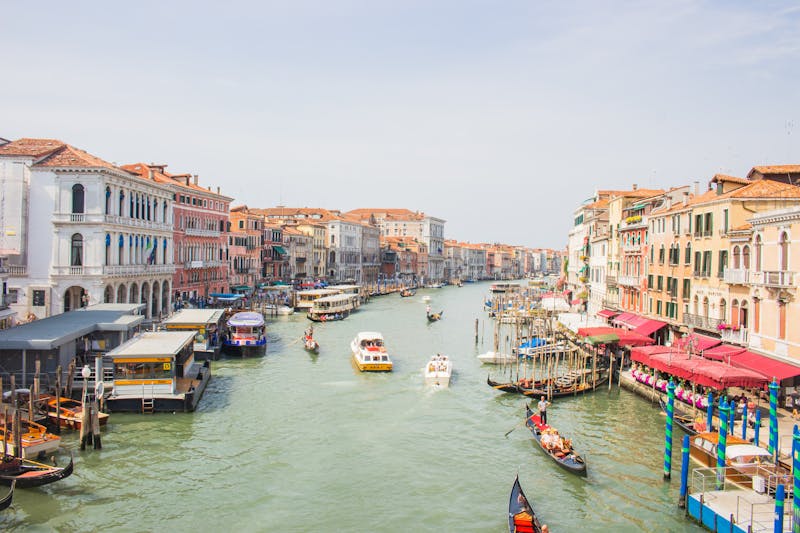
Here’s the trick: take the number 1 route down the Grand Canal. It stops everywhere along the way, which means it’s slow — and that’s the point. You’re getting a sightseeing cruise past palaces, churches, and the Rialto Bridge for the price of a bus ticket. Grab a spot at the front or back of the boat. Our kids pressed their faces against the railings and narrated everything. “Another palace! A dog on a boat! That building is sinking!”
The Gondola Question
Is it worth it? Yes. Expensive, slightly touristy, and none of that matters because your children will remember it forever.
The price is fixed at €80 for a 30-minute ride (€100 after 7pm). That’s for the whole gondola, which seats up to six. Don’t negotiate — it’s set by the gondoliers’ association. Fixed price.
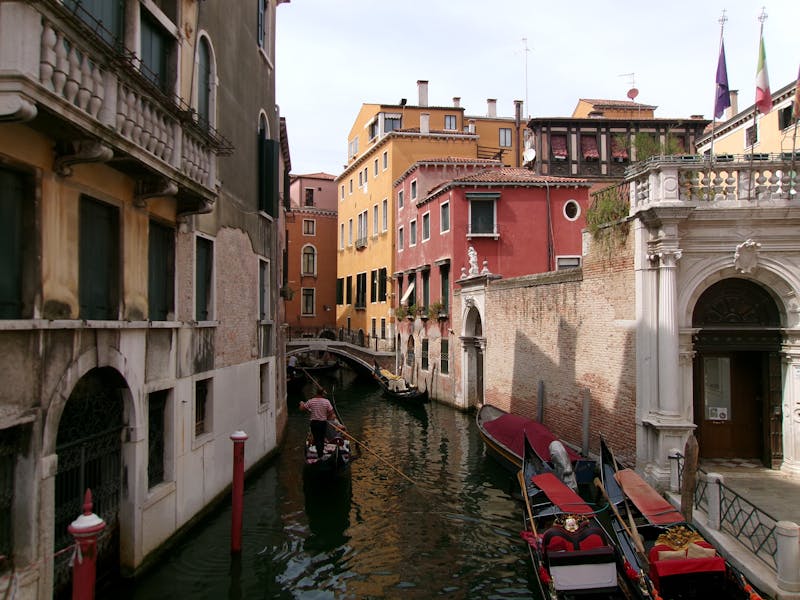
Our tip: find another family and share a gondola. Split six ways, that’s about €13 per person. Absolutely reasonable for a once-in-a-lifetime experience. We paired up with a family from Australia at a gondola stand near the Rialto and it was genuinely lovely — the kids chatted, the adults relaxed, and the gondolier took us through impossibly narrow back canals where you could almost touch both walls.
Getting Gloriously Lost
Venice is a maze. That’s not a problem — it’s the whole point.
Put the phone map away. Let the kids lead. Turn down narrow alleys that look like they go nowhere. Cross bridges you didn’t plan to cross. Tiny squares with a single fountain and a cat asleep on a windowsill. Dead ends that open onto canals. A bakery you’d never have found otherwise.
Our children treated it like an expedition. We gave them one job: follow the yellow signs that say “Per San Marco” or “Per Rialto” whenever we wanted to reorient. Those signs are posted throughout the city. Eventually you always end up somewhere you recognise.
Rialto Bridge and the Market
The Rialto Bridge is iconic and always packed. Shoulder to shoulder most of the day. Worth walking across once for the views up and down the Grand Canal, but don’t linger if the crowds are stressing the children out.
The real find is the Rialto Market underneath, on the San Polo side. It runs mornings only — get there before noon. The fish market is wonderfully grotesque if you have kids who enjoy that sort of thing (ours were fascinated and disgusted in equal measure). The fruit and vegetable stalls are colourful and the vendors are friendly. Good for a wander and a cheap snack. Grab some cherries or peaches in season.
Murano — Glass Island
Take the vaporetto to Murano and spend a morning watching people make glass. The factories offer free demonstrations — a glassblower takes a blob of molten material and turns it into a horse, a vase, a fish, right in front of you in about three minutes. Our kids were transfixed.
Afterwards you’ll be guided through the showroom. The pressure to buy is gentle but present. Small glass animals make great souvenirs at €5-15 each. The kids chose one each and they’re still on their bedroom shelves. Allow two to three hours for the whole visit.
Burano — The Colourful One
If Murano is about glass, Burano is about colour. Every house painted a different shade — turquoise, pink, orange, lemon yellow — and the effect is genuinely joyful. Like walking through a box of crayons. Children love it. Parents’ camera rolls fill up fast.
The lace-making tradition is interesting for about five minutes if you’re under ten. What the kids actually enjoyed was running along the canals and eating buranelli — local ring-shaped biscuits in various flavours. Buy a bag from one of the bakeries. Moreish and perfect for snacking on the ferry back.
Reach Burano by vaporetto from Venice (45 minutes) or Murano (30 minutes). Combine both islands in a day if the stamina holds.
Eating Well Without Going Broke
Here’s the secret to eating in Venice: cicchetti. These are Venetian tapas — small plates and bar snacks served at bacari (wine bars) all over the city. Tiny crostini topped with salt cod, artichoke, cured meats, sardines. €2-4 each. You stand at the counter, point at what looks good, and eat. The kids loved choosing their own bits and pieces.
Pizza al taglio — pizza by the slice — is another winner. Sold by weight from counters all over the city. A couple of thick slices and a drink for under €5 per child. Sorted.
The one rule we’d insist on: avoid any restaurant directly on Piazza San Marco or with a waiter aggressively beckoning you inside from the doorway. Walk two streets back from the main tourist routes. Prices drop. Quality goes up. It’s that simple.
Where to Stay
Cannaregio is our recommendation for families. It’s the residential northern part of the city — quieter streets, local restaurants, cheaper hotels and apartments. You’re still only fifteen minutes’ walk from the main sights but it feels like a different world in the evenings. Peaceful. Real. San Marco is central but priciest. Dorsoduro near the Accademia bridge is arty, more students, good restaurants, and slightly less frantic.
On a tight budget? Stay in Mestre on the mainland. Normal Italian hotel prices, ten-minute train to Venice. You lose the magic of waking up in the city itself, but for a family of four, the saving can be €100+ per night.
When to Go
Spring and autumn. Full stop. April, May, September, October — that’s the sweet spot.
Summer is hot. Properly hot. Thirty-five degrees with no shade in the squares and the canals smelling ripe. It’s also peak tourist season, so narrow streets feel claustrophobic and queues for everything double. We went in late September and it was perfect — warm enough for gelato, cool enough to walk all day without anyone melting down.
November through March brings acqua alta — periodic flooding that covers low-lying squares. St Mark’s Square floods first and worst. Not dangerous but inconvenient with children. February is Carnival — extraordinary masks and costumes, but the city is absolutely rammed.
Practical Bits
Cash is still useful in Venice. Many small shops, market stalls, and bacari prefer it, especially for purchases under €10.
Water fountains are dotted throughout the city. The water is clean, cold, and free. Bring refillable bottles and top up regularly, especially in warmer weather. This saves a fortune — bottled water in tourist areas is €3 a pop.
Venice has introduced a day-visitor entry fee of €5 per person on peak days. You need to register online and show a QR code. It doesn’t apply if you’re staying overnight in the city — your hotel handles the tourist tax separately. Check the dates before you visit.
One final thought. Venice is fragile — sinking, flooding, overwhelmed by visitors. Go in the off-season if you can. Stay a few nights rather than day-tripping. Spend your money at local shops. Teach the kids why this city matters. They understand more than you’d think.
Venice with children isn’t always easy. The walking is relentless, the lack of pushchair access is brutal, and by day three your legs will ache in places you didn’t know had muscles. But it’s completely, utterly worth it. A city built on water, with no cars, where getting lost is the best possible plan. What child wouldn’t love that?