
Cornwall is where we go when we need the sea. Not a polite seaside-town sea with a pier and some arcades — proper sea. Atlantic rollers, salt-crusted windscreens, cliffs that make you hold your children’s hands a bit tighter. We’ve been taking the kids down to Cornwall since they were tiny, and every single time it gets us. The light, the beaches, the pasties eaten on harbour walls. It’s the best family destination in the UK. I’ll say it. Fight me.
There’s a reason half of Britain descends on Cornwall every summer. The beaches are extraordinary. The food is brilliant. And for kids, it’s paradise — rock pools, surfing, castles, cream teas, and enough outdoor adventure to wear them out by six o’clock every evening. That last bit alone is worth the drive.
Getting There
Cornwall is far. Five to six hours from London by car. The M5 through Somerset is fine until Exeter, then the A30 takes you the rest of the way. In peak summer, that A30 can be grim. Leave early.
By train, Great Western Railway runs from Paddington to Penzance in about five hours. The stretch along the sea wall at Dawlish is spectacular.
But once you’re in Cornwall, you need a car. Public transport exists but it’s limited and slow. Getting to beaches and quieter spots without one is a headache. We tried it once. Never again.
Why Cornwall With Kids
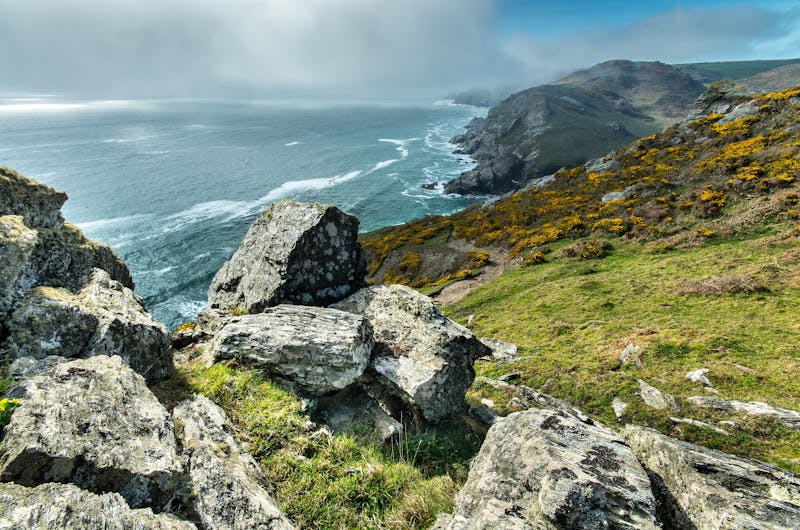
Because it has the best beaches in the country. Full stop. Beaches that would look at home in the Caribbean if you squinted and ignored the wetsuits. White sand, turquoise water, dramatic headlands.
Beyond the beaches, there’s proper stuff to do. The Eden Project. Tintagel Castle. Surfing lessons. Lost gardens with rope bridges. A tidal island you can walk to. And cream teas — the kids will eat their bodyweight in scones.
Cornwall also feels safe. The lifeguarded beaches are well-managed, the communities are friendly, and there’s a laid-back atmosphere that makes family holidays feel easy.
The Beaches
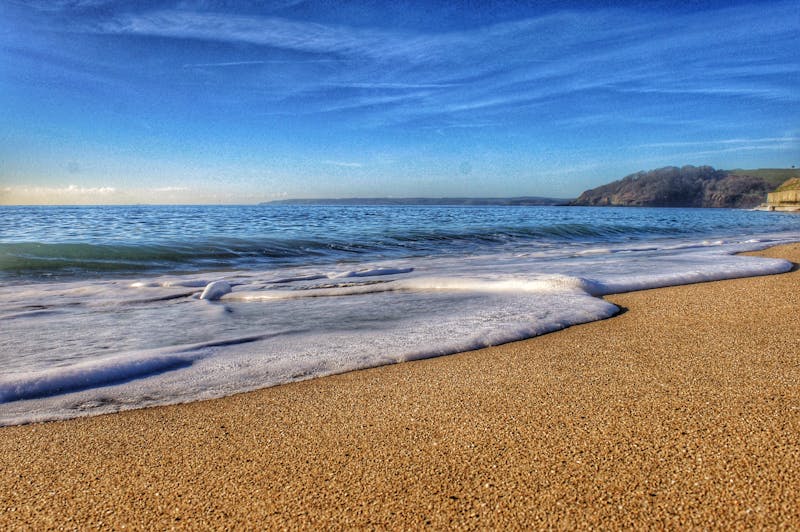
You could spend a fortnight in Cornwall and visit a different beach every day. We have our favourites.
Fistral Beach, Newquay is the big one. The surfing beach. Consistent waves, surf schools lined up along the back, a proper buzz about the place. It’s not the calmest beach for little ones paddling, but for kids old enough to get on a board, it’s the business. Lifeguards patrol throughout summer.
Porthminster Beach, St Ives is our go-to family beach. Sheltered, sandy, with calm water that’s actually swimmable. The kids can paddle and build sandcastles without us watching the waves nervously. There’s a cafe right on the beach. It’s the kind of place where you arrive at ten and look up at four wondering where the day went. Gets busy in August, mind. Get there early for a good spot.
Kynance Cove on the Lizard Peninsula is jaw-droppingly beautiful. Serpentine rock stacks, white sand, turquoise water. Looks like it belongs in a travel advert. The catch? It’s a steep walk down from the car park, and a steeper walk back up. With toddlers and beach gear, it’s hard work. With kids five and over, doable. Worth it for the scenery alone.
Sennen Cove, just up the coast from Land’s End, is our pick when we want surf without the Newquay crowds. A gorgeous wide beach with good waves, lifeguards in summer, and a fraction of the people. The sunset here is something else. Park in the car park at the top and walk down.
A word on beach safety. Always swim at lifeguarded beaches and always between the red and yellow flags. Cornwall’s Atlantic coast has rip currents, and they catch people out every year. Teach your kids what a rip current looks like and what to do — swim parallel to the shore, not against it. The RNLI website has excellent resources. Don’t let this put you off. Just respect the sea.
Eden Project
You’ve seen the photos. Those massive biomes that look like something from a science fiction film, sitting in an old china clay quarry near St Austell. The Eden Project is one of Cornwall’s headline attractions, and it lives up to it.
Inside the Rainforest Biome, it’s properly tropical — hot, humid, with a canopy walkway high above the plants. The Mediterranean Biome is drier, full of olive groves and citrus trees. Outside, the gardens are vast.
But Eden isn’t just plants. There’s a zip wire across the quarry (book separately). An ice rink appears in winter. Play areas and sculptures dot the gardens. Educational without being preachy. Our lot didn’t even realise they were learning, which is the gold standard.
Tickets are £32.50 for adults and £16 for children aged 5-16. Under fives go free. Book online and you’ll save a few quid. Allow at least half a day — we usually end up spending longer. The cafe is decent but pricey. Pack sandwiches if you’re watching the budget.
Lost Gardens of Heligan
Everyone knows Eden. Fewer people know Heligan, and that’s part of its charm. The Lost Gardens of Heligan are about twenty minutes from Eden, near Mevagissey, and we think they’re better for kids. Controversial, maybe. But hear me out.
Heligan was a grand estate garden that was abandoned after the First World War and swallowed by brambles and neglect for seventy-odd years. It was rediscovered and restored in the 1990s, and that story gives it a wild, slightly magical quality that manicured gardens lack.
The Jungle area is genuinely exciting for children — giant tree ferns, rope bridges, boardwalks over ponds. The Mudmaid sculpture, a sleeping figure covered in living moss and plants, is eerie and wonderful. There are farm animals, a wildlife hide, and trails through ancient woodland.
Tickets are £18 for adults and £10 for children. Cheaper than Eden, less crowded, and with a different energy. It feels like exploring rather than visiting. Brilliant for all ages.
St Michael’s Mount
A tidal island off the coast near Penzance, topped with a medieval castle and a church. At low tide, you walk across a cobbled causeway from Marazion village. At high tide, you take a little boat. Either way, it’s magical. The kind of place that makes children (and adults, frankly) go quiet with wonder.
The castle has armour, dungeons-type rooms, and views from the battlements that stretch forever. Kids love it.
Castle entry is £14.50 for adults and £7.25 for children. National Trust members go free. Check the tide times before you go — the causeway is only walkable for a few hours either side of low tide. Getting this wrong means waiting around or missing it entirely. The National Trust website has a tide timetable.
Surfing Lessons
Cornwall is where British surfing happens. Newquay is the capital, and there are family surf schools everywhere.
A two-hour group lesson costs from about £35 per person. Most schools take children from age seven or eight. Everything is provided — wetsuit, board, instruction. Fistral Beach and Watergate Bay are the main spots. Watergate Bay is slightly less intense and arguably better for first-timers.
Our kids took their first lesson at eight and were standing up by the end of the session. The instructors are patient, encouraging, and used to nervous children. The sheer joy of catching a wave is infectious. Book ahead in summer.
Tintagel Castle
Perched on cliffs above the Atlantic, linked to the mainland by a dramatic bridge over a chasm. This is King Arthur country. English Heritage runs the site, and whether or not you believe the legends, the setting is extraordinary.
The bridge alone is worth the visit — a sleek, modern footbridge spanning the gap between cliff and headland, with the sea crashing below. Kids find it thrilling. Adults find it thrilling, if we’re honest.
The castle ruins are spread across the headland. There are a lot of steps. Quite a lot of steps. Kids aged five and up should manage, but bring snacks and patience. Pushchairs? Absolutely not. Baby carriers yes.
Tickets are £16 for adults and £9.60 for children. English Heritage members free. Our top tip: bring a toy sword. Or a stick. Your child’s imagination will fill in the rest — Arthur, Merlin, knights, the lot. We spent two hours up there with the kids staging an entire medieval drama. Best £50 we ever spent.
St Ives
St Ives is the pretty one. Narrow cobbled streets, whitewashed cottages, artists’ studios, galleries everywhere. It’s genuinely lovely. And the light is extraordinary — there’s a reason artists have been coming here for a century.
For parents, Tate St Ives is worth an hour — it sits right above Porthmeor Beach. Tickets are £10, under 18s free. The Barbara Hepworth Museum nearby is £8.50, also free for under 18s.
St Ives is more of a parents’ place than a kids’ place. But the beaches fix that. Porthminster for calm paddling, Porthmeor for surf. Ice cream from the harbour. Fish and chips on the front. It works.
Adventure Activities for Older Kids
If your children are ten-plus and crave adrenaline, Cornwall delivers. Coasteering — scrambling along rocks, jumping off cliffs into the sea, swimming through caves — is available around Newquay and the north coast. Sessions start from about £35 per person and typically last two to three hours. Wetsuits, helmets, and buoyancy aids provided. Minimum ages vary but usually around ten.
Sea kayaking is another option. Guided trips explore caves, coves, and coastline you can’t reach on foot. Similar price range. Both activities depend on sea conditions, so flexibility helps.
These aren’t gentle activities. Your kids will come back buzzing, exhausted, and covered in salt. Which is exactly the point.
The Great Cream Tea Debate
Right. This matters. In Cornwall, the cream goes on the scone first, then the jam on top. In Devon, it’s jam first, then cream. Cornwall and Devon have been arguing about this for approximately forever.
Your kids will not care. They will slather both on in whatever order they grab first and get jam on every surface within a two-metre radius. This is fine. The scone is the point, and Cornish cream teas are superb. Clotted cream that’s almost yellow, proper strawberry jam, warm scones. Most cafes and tearooms serve them. Expect to pay around £4 to £6 per scone with cream and jam.
If you’re asked which way you prefer, say cream first. You’re in Cornwall. When in Rome. Or Truro.
Where to Stay
Cornwall is big enough that your base matters. Here’s how we think about it.
Newquay for surf and activities. The most action, the most choice, the most other families. It can feel a bit hectic in peak summer, but if your kids want surf schools, coasteering, and a lively town, this is the spot.
St Ives for charm and beauty. Quieter, prettier, more expensive. Brilliant beaches on the doorstep. Better for families who want to potter rather than do adrenaline activities.
Padstow for food. Rick Stein’s hometown. Excellent restaurants, a pretty harbour, and good beaches nearby. Pricier but worth it if food matters to you. Which it should.
Falmouth for a harbour-town feel. Less touristy than St Ives, with the National Maritime Museum, boat trips, and a proper working-town atmosphere. Good beaches at Gyllyngvase and Swanpool. A solid all-rounder.
Self-catering cottages are the best value for families. A three-bedroom cottage runs from around £800 to £1,500 per week in summer depending on location and proximity to the coast. Book early for school holidays — the good ones go fast. Sykes, Classic Cottages, and Aspects Holidays all have strong Cornwall listings.
Practical Stuff
Weather. Cornwall’s weather is its own thing. You can have blazing sunshine and horizontal rain in the same afternoon. In August. Pack layers, pack waterproofs, pack sun cream. All of them, every day. A waterproof jacket lives in our car boot permanently during Cornish holidays.
Roads. Cornish roads are narrow. Properly narrow. Single-track lanes with high hedges where you can’t see oncoming traffic. If you’re not used to reversing into passing places, you will be by the end of the week. Allow more time than Google Maps suggests for any journey. The A30 is the main artery, but everything else is slow.
Parking. Popular beaches charge for parking, and it’s not cheap. Expect £5 to £10 per day at the busier spots. Some accept coins only. Some have apps. Bring both options. National Trust car parks are free for members, and several of the best beaches have NT car parks — another reason to get that membership.
Timing. July and August are peak. Everything is busier and pricier. June and September are our favourite months — the weather is often just as good, the beaches are quieter, and prices drop. Half-term weeks in May and October work too, though the sea is colder.
Cornwall with kids is one of those holidays that just works. Sand between toes, cream on noses, that particular tiredness that comes from a day in sea air. We keep going back. So will you.