If you’re planning to visit Warsaw and want a meaningful way to understand its complex past, this Tour of the Warsaw Ghetto might be just what you’re looking for. It’s a well-reviewed, in-depth experience that covers the major sites and stories connected to one of Europe’s most significant Jewish communities before WWII.
What immediately catches your eye is the top-rated guides—many reviewers comment on how knowledgeable and empathetic they are, making a difficult subject easier to connect with. Plus, the inclusion of transportation and walking makes it a comprehensive way to see the city’s historical sites without feeling overwhelmed.
One thing to consider is the price of around $98.68 per person — it’s a good value considering the length and depth of the tour, but it does not include entrance fees to some sites like the Nozyk Synagogue. The tour is especially suitable for those who are interested in history, WWII, or Jewish heritage, and are prepared for a sobering, emotional experience.
Our tour guide Marzana was phenomenal. Her knowledge of the ghetto and its history made the tour very educational, informative and enlightening. I highly recommend this tour for anybody looking to gain some knowledge while visiting Warsaw!
Great informative tour, lots of information, lots of walking. Marzena was a fantastic guide, patiently answering our many questions.
Tour was great and provided a lot of information on the ghetto. Tour guide had lived there all her life and was very knowledgeable.
If you’re ready to learn more about Warsaw’s past and want an experience led by passionate guides, this tour could be an eye-opening addition to your trip.
Key Points
- Highly rated with a perfect 5-star average from 100 reviews, indicating consistent quality and visitor satisfaction.
- Expert guides like Marzena and Mary receive praise for their knowledge, empathy, and storytelling skills.
- The itinerary covers key historical sites like the Nozyk Synagogue, ghetto fragments, Umschlagplatz, and the POLIN Museum.
- The duration of about 3 hours balances depth with manageability, including walking and some public transport.
- The price includes hotel pickup, making logistics easier, but some sites like the synagogue require separate admission.
- Reviews highlight the emotional, insightful nature of the trip, making it ideal for those ready to confront this chapter of history.
What You Can Expect on This Tour
This three-hour journey is designed to give a comprehensive look at the Warsaw Ghetto, from its origins to its tragic end. It’s a mix of walking, public transportation, and storytelling, carefully arranged to maximize understanding while respecting the gravity of the subject.
You can also read our reviews of more tours and experiences in Warsaw.


The Itinerary – Step by Step
Stop 1: Nozyk Synagogue
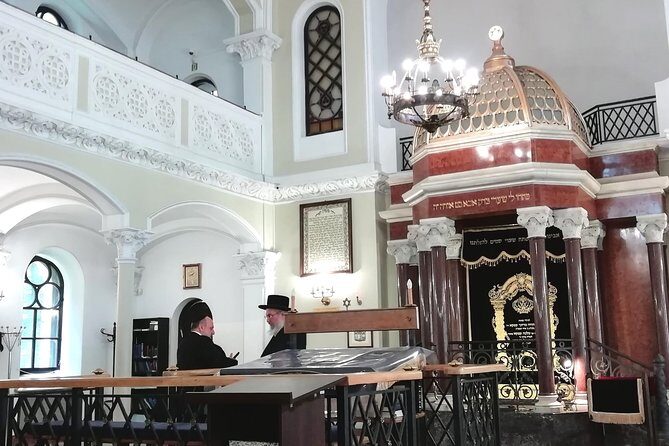
The tour starts here with the only synagogue that survived WWII and is still active today. Though the admission fee isn’t included, visiting this site offers a tangible link to the community that once thrived here. The synagogue’s resilience is a powerful symbol of endurance amidst devastation, as many visitors note how moving it is to see it still standing.
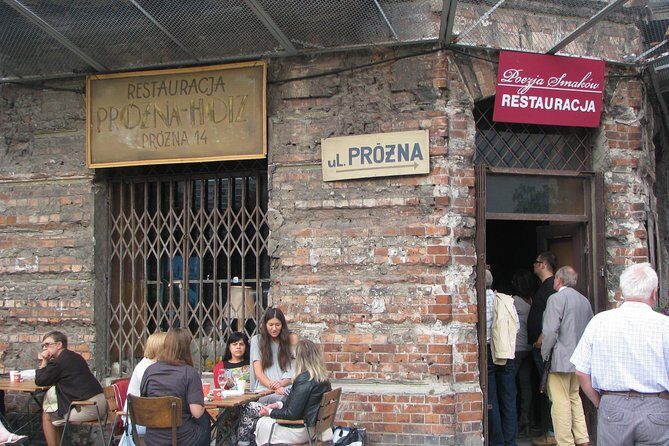
Stop 2: Próna
Next, you’ll explore the streets that remained within the ghetto’s borders, the last surviving pieces of this once-thriving Jewish neighborhood. Walking through these streets lets you see firsthand how much has changed and what has been preserved, even after all this trauma.
Stop 3: Waliców
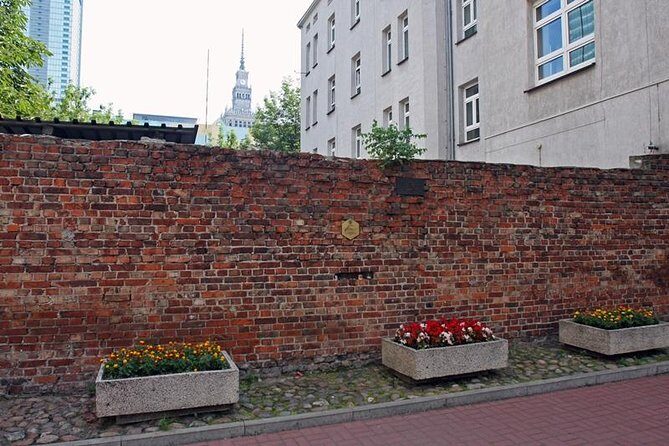
Here, fragments of the ghetto wall stand as silent witnesses. This stop offers a chance to think about the origins of the ghetto, daily life for its residents, and the 1943 uprising. The stories shared here evoke a sense of resilience and resistance, as many visitors comment on how personal and touching the narration is.
Stop 4: Chlodna Street
This is the spot where the connecting bridge between the Small and Big Ghetto once stood, a symbol of division and hope. It’s also linked to the story of Władysław Szpilman, the pianist whose life inspired The Pianist. Walking here, you’ll appreciate the historical significance of this place and get a glimpse into the atmosphere of the time.
This was an informative, extremely interesting tour! I would strongly recommend to anyone visiting Warsaw.
I booked the Warsaw Ghetto tour through Viator and ended up with a private tour that was absolutely outstanding. Our guide was the most amazing storyteller—funny and engaging, yet deeply respectful when tackling the heavy history of the Nazi era. She kept us fully engaged as we navigated the ghetto sites, weaving in WW2 history, personal stories, and the immense suffering endured by Poles and Jews with sensitivity and clarity. We learned a tremendous amount—about the daily life, the resistance, and the lasting impact of the occupation on Warsaw and its Jewish community. If you’re visiting Warsaw and want a tour that is informative, thoughtfully paced, and delivered with warmth and humo…
It’s a lot of waking. Our guide was very, very knowledgeable. We took the metro to meet the 3 others who were also going on the tour. She showed us photographs and maps of the different sites we visited before the war and after the war. This tour was very informative and interesting. If you’re in the Jewish history and life in the ghetto, this tour is a must.
Stop 5: Umschlagplatz
A site of immense historical weight, this is where Jews were gathered for deportation. Many visitors find this moment particularly poignant, as it marks the beginning of the end for countless lives. The tour explains the final solution plan and its brutal implementation.
Stop 6: POLIN Museum of the History of Polish Jews
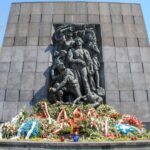
The journey continues at this world-class museum, where you learn about the heroic uprising and daily life in the ghetto. The museum’s symbols, like the Ghettohelden Memorial, are explained here, offering context for acts of defiance and aid.
Stop 7: Willy Brandt Memorial
At the site of Willy Brandt’s famous kneeling gesture, history and symbolism converge. It’s a moment that many reviewers found especially meaningful, as it underscores international acknowledgment of Polish-Jewish suffering.
Stop 8: Memorial at Mila 18
This bunker was the scene of the ghetto uprising’s climax. It’s a powerful reminder of resistance and defiance. Visitors often reflect on the courage of those who fought here.
Stop 9: Pawiak Prison Museum
Finally, the tour touches on the brutal repression by the Nazi regime, with a visit to Pawiak Prison. This site encapsulates the suffering endured by many.
Why the Tour Works
This tour’s strength lies in its balanced mix of walking, storytelling, and site visits. Many reviews praise the guides’ knowledge and their ability to handle such a sensitive topic with empathy. The fact that it’s a private experience means you get personalized attention and the flexibility to ask questions.
The transportation element, including rides on public transit, makes it more than just a walking tour. It adds authenticity, as you experience how residents moved around the ghetto area and how the city’s fabric was affected.
While the price point might seem high to some, the detailed itinerary, expert guidance, and emotional depth justify the cost. It’s especially valuable for serious history buffs or travelers wanting a comprehensive, heartfelt understanding of Warsaw’s Jewish past.
Practical Details and Tips
- The tour starts at Próna 11 and ends at the POLIN Museum, with hotel pickup included, which simplifies logistics.
- Most travelers book this about 54 days in advance, so plan ahead if you want a spot.
- Be prepared for a rough emotional experience—the history is heavy, and some stories may be upsetting.
- The tour doesn’t include entry to the Nozyk Synagogue, so if you want to go inside, budget extra for tickets.
- Note the tour schedule — on Fridays afternoon, Saturdays, and Jewish holidays, the visit inside the synagogue is not included.
- It’s not suitable for children, given the intense nature of the content.
- The duration of about 3 hours combines walking and public transport, so comfortable shoes and an open mind are recommended.
Tour of the Warsaw Ghetto
"Our tour guide Marzana was phenomenal. Her knowledge of the ghetto and its history made the tour very educational, informative and enlightening. I ..."
FAQs
Is this tour suitable for families with children?
Not really—it's quite emotional and deals with heavy topics, making it less appropriate for kids.
Do I need to pay extra for entrance fees?
Some sites, like the Nozyk Synagogue, require separate admission if you want to go inside. The tour itself does not include these fees.
What’s the starting point?
It begins at Próna 11 in Warsaw, and the tour includes pickup from your hotel in the city center.
How long does the tour last?
It’s approximately 3 hours, including walking and some public transportation.
Is the tour conducted in English?
Yes, reviews mention guides speaking excellent English, and the experience is tailored to an international audience.
Can I cancel this tour?
Yes, you can cancel for free up to 24 hours in advance for a full refund.
What’s the main focus of this tour?
It covers the history of the Jewish Ghetto, its uprising, and related sites with a focus on understanding both the events and their emotional impact.
Are there any site visits inside the POLIN Museum?
No, during this tour, there is no visit to the main exhibition, but the museum is recommended for a later visit.
Is this tour wheelchair accessible?
The provided information doesn’t specify accessibility, but expect some walking and street terrain—good to check directly if needed.
All in all, this Tour of the Warsaw Ghetto offers a thoughtful, well-reviewed experience that balances history, emotion, and authentic storytelling. It’s a meaningful way to understand Warsaw’s past, especially if you’re ready for a sobering look at a dark chapter of history.
Whether you’re a history enthusiast or someone wanting to gain a deeper appreciation of Warsaw’s resilience, this tour could leave a lasting impression.