When you’re planning a trip to Lisbon, finding authentic experiences that don’t require deep pockets can feel like searching for a needle in a haystack. This walking tour through Alfama—Lisbon’s oldest and most atmospheric neighborhood—manages to deliver genuine cultural insight at a price that seems almost too good to be true. We’ve examined this tour based on thousands of traveler reviews and detailed itinerary information, and what we’ve discovered is a remarkably well-executed introduction to one of Europe’s most historically layered districts.
What makes this experience particularly appealing is the combination of passionate local guides who bring centuries of history to life and the pay-what-you-wish model that removes financial barriers to learning. You’re not shuffled through crowded tourist zones on a megabus; instead, you’ll walk narrow medieval streets alongside a guide who genuinely loves this neighborhood. The tour consistently earns nearly perfect ratings from thousands of travelers, with 99% recommending it to others.
That said, there’s one important consideration: Alfama is built on steep hillsides with narrow, uneven streets and numerous stairs. While guides work hard to maintain a comfortable pace for all fitness levels, this isn’t a flat, leisurely stroll. If you have mobility concerns or prefer less strenuous walking, you’ll want to factor in the physical demands before booking.
This tour works best for travelers who want to understand Lisbon beyond the typical postcard sights, who appreciate learning from locals rather than guidebooks, and who value authentic neighborhood exploration over polished tourist attractions. If that describes you, read on—we’ve got plenty of details that will help you decide whether this is the right experience for your Lisbon visit.
- The Pay-What-You-Wish Model: Breaking Down the Real Value
- Understanding the Itinerary: Twelve Stops Through Time
- The Opening: Casa dos Bicos and Setting the Tone
- Medieval Water and Community Spaces
- Hidden Plazas and Living History
- Religious and Artistic Landmarks
- The Viewpoints: Why They Matter Beyond Instagram
- The Lisbon Cathedral and Santo António: The Spiritual Heart
- What Travelers Actually Experience: Insights from Thousands of Reviews
- Practical Details That Affect Your Experience
- The Honest Considerations
- Who This Tour Is Actually For
- Frequently Asked Questions
- The Best Of Lisbon!
- More Tours in Lisbon
- More Tour Reviews in Lisbon
The Pay-What-You-Wish Model: Breaking Down the Real Value
 1 / 7
1 / 7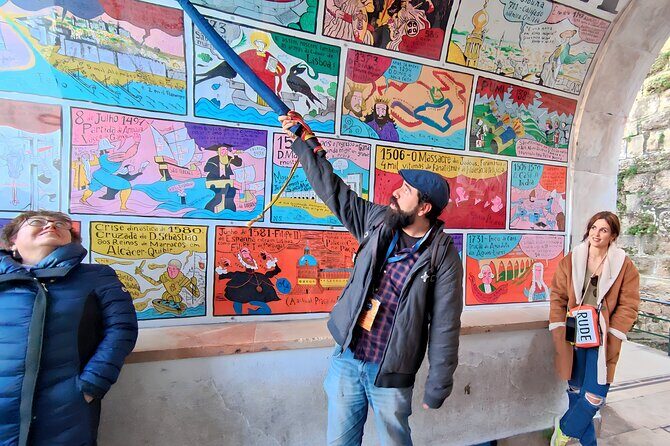 2 / 7
2 / 7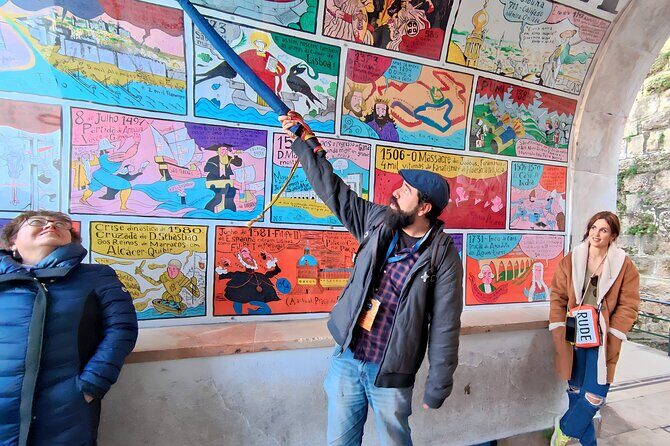 3 / 7
3 / 7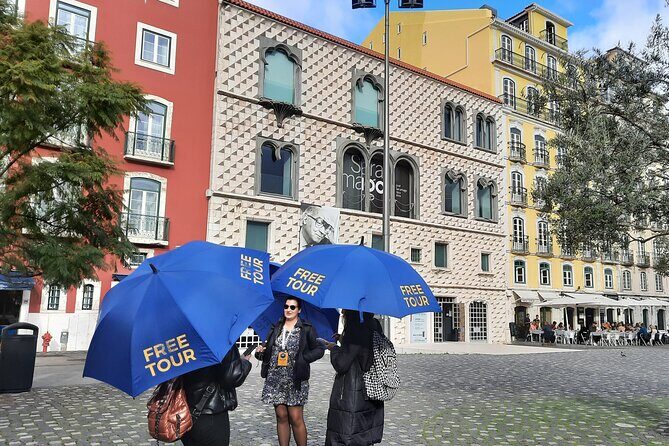 4 / 7
4 / 7 5 / 7
5 / 7 6 / 7
6 / 7 7 / 7
7 / 7Let’s address the elephant in the room first: the listed price of $3.62 per person. This isn’t a gimmick or a loss-leader designed to trap you into something else. This tour operates on a voluntary tip basis, which means you control what you actually pay based on the quality of your experience. From reading through thousands of reviews, we can tell you that travelers consistently report tipping their guides well—often far more than that $3.62 minimum—because the experience genuinely delivers value.
What this pricing model actually means is that you’re removing financial risk from your decision to explore Alfama. If you’re uncertain about whether a guide-led tour is worth your time, this structure lets you find out without committing to a fixed price upfront. In practice, most travelers seem to view their guides as worth somewhere in the $15-25 range based on the enthusiasm in reviews, but that’s entirely your call. You might tip differently depending on group size, guide energy, and how much you personally connected with the experience.
This approach also attracts guides who are genuinely passionate about their work rather than those simply collecting paychecks. When your income directly reflects traveler satisfaction, you’re motivated to deliver something special. And the reviews suggest that’s exactly what’s happening here—guides are consistently described as “passionate,” “engaging,” and “knowledgeable,” with many travelers specifically calling out individual guides by name and praising their storytelling abilities.

👉 See our pick of the 14 Of The Best Walking Tours In Lisbon
Understanding the Itinerary: Twelve Stops Through Time
The tour covers twelve distinct stops across approximately 2.5 hours, which means you’re spending an average of 12-15 minutes at each location. This isn’t rushed—it’s a thoughtful pace that allows for explanation, questions, and the kind of observation that actually sticks with you. Let’s walk through what you’ll encounter.
You can also read our reviews of more tours and experiences in Lisbon.


The Opening: Casa dos Bicos and Setting the Tone
You’ll start at Casa dos Bicos (House of Beaks), which gets its name from the distinctive diamond-shaped stone pattern covering its facade. This 16th-century mansion now houses the Lisbon City Museum, and the blue umbrellas that mark the location serve as an easy meeting point in a busy area. While admission to the museum isn’t included, your guide will provide context about its historical significance and what you’re looking at from the outside. This opening stop establishes the architectural language you’ll be reading throughout the tour.
Medieval Water and Community Spaces
The next few stops—Chafariz D’El Rei and Largo do Chafariz de Dentro—take you into the practical history of medieval Lisbon. The Chafariz de El-Rei is believed to be Lisbon’s first public fountain, built in the 13th century when access to fresh water was a significant public concern. Standing here, you’re literally at a spot where centuries of Lisboetas came to collect water, socialize, and conduct daily business. These weren’t just utilitarian structures; they were community hubs.
Largo do Chafariz de Dentro, once called the Horse Fountain plaza, sits within the walls of the Fernandina fortification. Your guide will help you visualize what this neighborhood looked like when these walls meant actual protection, and how the area has evolved from a fortified settlement into the organic, lived-in neighborhood you’re walking through today.
Hidden Plazas and Living History
Largo de São Rafael and Largo do Salvador are smaller, quieter spaces where your guide will share stories about how locals actually use these areas. These aren’t major tourist attractions, which is precisely what makes them valuable. You’re seeing Alfama as it functions for residents, not as a curated display. One traveler noted that these stops are “where memories of the old Alfama still linger,” and that’s the real insight your guide is offering—not just what happened here historically, but how that history remains present in the neighborhood’s character.
Religious and Artistic Landmarks
The Igreja de São Miguel (Church of Saint Michael) and the nearby Church of Santo António represent different layers of Lisbon’s spiritual life. São Miguel is famous for hosting the Popular Saints Festivities—celebrations that date back centuries and remain central to neighborhood culture. Your guide will explain these traditions and their significance to the community, giving you context for understanding modern Lisbon’s relationship with its past.
The History of Lisbon Mural by Nuno Saraiva is a more contemporary addition to the itinerary, but it represents how Alfama continues to be a canvas for cultural expression. Street art in Lisbon often carries historical and political meaning, and your guide will decode what you’re looking at rather than just pointing and moving on.
The Viewpoints: Why They Matter Beyond Instagram
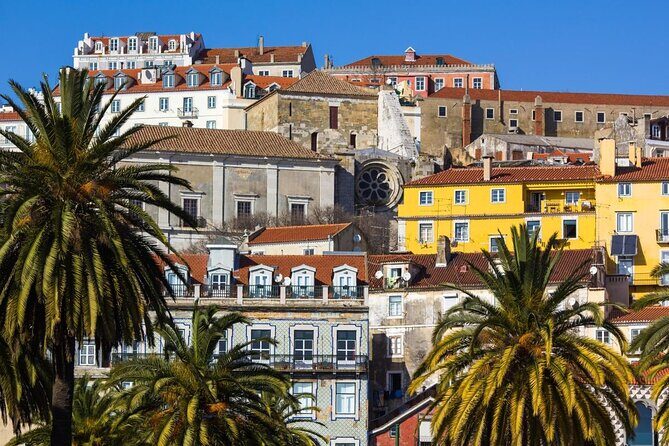
Three stops on this tour are dedicated to viewpoints—Miradouro de Santo Estêvão, Miradouro das Portas do Sol, and Miradouro de Santa Luzia. Yes, these are famous for their views, and yes, they appear on countless postcards. But here’s what makes experiencing them with a guide different: you’re seeing them in context.
From these vantage points, your guide can help you understand Lisbon’s geography, explain what you’re actually looking at across the river and throughout the city, and discuss how the city’s layout reflects its history. The Miradouro das Portas do Sol, described as “one enormous balcony overlooking all of Alfama,” offers a perspective that makes the neighborhood’s winding streets and tightly-packed buildings suddenly make sense. You understand why this geography made Alfama defensible, why it developed the way it did, and why it remains so distinct from modern Lisbon.
One traveler described Santa Luzia as “as romantic as it gets,” and while that’s subjective, the terrace genuinely offers a different energy than the other viewpoints. Your guide will likely give you time to absorb the atmosphere, take photos, and ask questions rather than herding you through like cattle.
The Lisbon Cathedral and Santo António: The Spiritual Heart
The Sé de Lisboa (Lisbon Cathedral) is the oldest and most important church in the city, with construction dating back to the 12th century. Your guide will provide historical context about its significance, architectural evolution, and role in Lisbon’s spiritual and political life. While admission to enter isn’t included (it costs €5), you’re getting the benefit of an expert explanation of what you’re looking at from the outside, which often provides more context than wandering through alone.
The Church of Santo António, Lisbon’s patron saint, brings the tour full circle by connecting you to the living spiritual traditions of the city. Santo António is beloved in Lisbon, and your guide will explain why and how that devotion shapes neighborhood culture.
What Travelers Actually Experience: Insights from Thousands of Reviews
Reading through thousands of reviews provides a clearer picture than any marketing copy could offer. What stands out consistently is the quality of individual guides. Travelers mention guides by name—Cecelia, Belem, Laura, Hugo, Jessica, Cláudia, Katrina, Nina, Joao—and describe them with genuine affection. This isn’t standard tour guide praise; this is people remembering specific moments and specific individuals.
One particularly detailed review captures what makes this tour special: “Hugo is an extraordinary guide who brings Alfama’s tangled history to life with clarity, wit, and genuine passion. His storytelling doesn’t just inform—it invites you to feel Lisbon’s soul.” This traveler goes on to describe how Hugo connected Roman ruins, Moorish alleys, the Jewish quarter, and the legacy of colonization into a coherent narrative about the neighborhood. That’s the kind of intellectual engagement this tour delivers.
Another common theme across reviews is the inclusion of ginjinha—a traditional Portuguese cherry liqueur served in chocolate cups. Multiple travelers specifically mentioned this as a highlight, and it’s a perfect example of how the tour goes beyond just telling you about local culture; it lets you taste it. One traveler called it “a little bit of Porto,” suggesting it was an unexpected delight that added authentic flavor to the experience.
The pacing consistently receives praise. Guides are described as “patient,” “attentive to the needs of our group,” and willing to adjust based on fitness levels. One 79-year-old traveler noted that despite the hills, they “were able to keep up” because the guide adjusted the pace accordingly. This matters more than it might seem—a poorly paced tour can turn a neighborhood into a blur of information, while good pacing lets you actually absorb what you’re experiencing.
Practical Details That Affect Your Experience
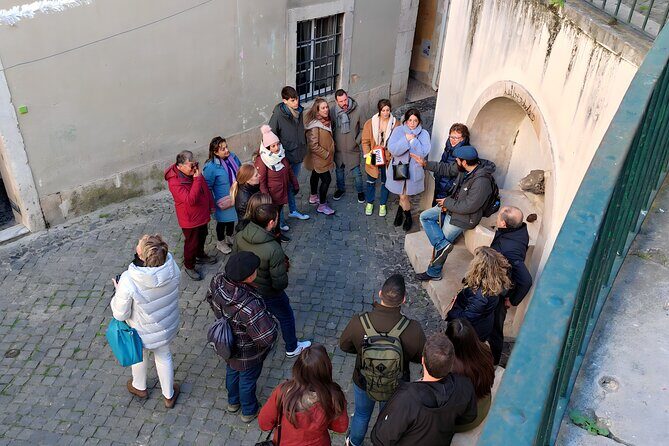
Group Size and Intimacy: Tours are capped at 25 travelers, which is actually a reasonable limit for a walking tour. In practice, based on reviews, groups seem to run smaller—often 6-12 people—which creates a more intimate experience where you can actually hear your guide and ask questions without shouting.
Meeting Point and Logistics: You’ll start at Rua dos Bacalhoeiros 12A, which is near public transportation. The tour ends at a different location (details would be provided at booking), so you’re not retracing your steps. This makes logistical sense for a neighborhood tour and means you finish in a different part of Alfama than where you started.
Time and Seasons: The 3:30 PM start time is listed as an example, but morning and afternoon options are available. Consider that afternoon light in Alfama’s narrow streets can be dramatic and beautiful, while morning light offers different photographic opportunities. Both have merits depending on your schedule and preferences.
Cancellation Policy: You can cancel up to 24 hours before the tour for a full refund, which removes risk from your booking. The tour does require a minimum number of participants, so there’s a small possibility of cancellation if too few people book—though thousands of reviews suggest this isn’t a common problem.
What to Bring: Multiple reviews emphasize wearing “excellent walking shoes.” Alfama’s streets are uneven, steep, and involve stairs. Comfortable footwear isn’t optional; it’s essential. Bring water, especially for afternoon tours, and sun protection if you’re visiting during summer months.
The Honest Considerations
We want to be fair about potential drawbacks. A few travelers mentioned that the meeting point was difficult to locate, particularly when multiple groups were gathering in the area. Arriving 10-15 minutes early and having your booking confirmation handy will help you connect with your guide smoothly.
The physical demands are real. If you have knee problems, mobility concerns, or aren’t accustomed to walking uphill for extended periods, this tour will be challenging. One traveler specifically noted “lots of walking with very steep grades and lots of stairs,” which they found challenging. Your guide will work with you, but you need to be realistic about your fitness level going in.
One negative review mentioned a guide canceling a small group tour (citing low numbers) and then allegedly misrepresenting whether another tour was available the next day. This appears to be an outlier based on the overall review volume, but it’s worth noting that small group tours can occasionally be subject to cancellation if minimum numbers aren’t met.
Who This Tour Is Actually For
If you love history and want to understand how past events shape present-day neighborhoods, this tour delivers. If you appreciate local perspectives over guidebook information, this is exactly what you’re looking for. If you’re traveling on a tight budget but don’t want to sacrifice quality, the pay-what-you-wish model lets you participate fully.
This tour also works beautifully if you’re new to Lisbon and want context before exploring other neighborhoods, or if you’ve been to Lisbon before but never really understood Alfama’s character. It’s suitable for solo travelers, couples, small groups, and families with older children (though very young kids might struggle with the stairs and pace).
You should skip this tour if you need wheelchair accessibility, if you have significant mobility limitations, or if you prefer structured, fast-paced sightseeing over the kind of walking and stopping that characterizes this experience.
Alfama Tour in Lisbon Old Town
Frequently Asked Questions
How much should I actually tip the guide?
There’s no required amount, but based on reviews, travelers seem to tip anywhere from €10-25 ($11-27) depending on group size and personal satisfaction. Some travelers tip more for exceptional guides. Think of it like a restaurant meal—you’re paying for a service based on the quality of experience you received.
What if I can’t find the meeting point?
Your confirmation will include specific details about where to meet. The location is near public transportation, and arriving 10-15 minutes early will give you time to locate your guide. If you’re having trouble, your booking confirmation should have contact information for the tour operator.
Is the tour in English?
Yes, tours are offered in English. If you speak other languages, check availability when booking, as some guides may offer tours in multiple languages at different times.
Do I need to bring anything specific?
Comfortable walking shoes are essential—this cannot be overstated. Bring water, especially for summer visits. A camera or phone for photos is helpful. Sun protection during warm months is wise. Don’t bring anything you can’t comfortably carry while walking uphill.
What happens if the tour is cancelled?
Tours require a minimum number of participants. If a tour doesn’t meet the minimum, you’ll be offered a different date or a full refund. Based on the popularity evident in reviews, cancellations appear to be rare.
Can I do this tour if I’m not very fit?
Guides are experienced at adjusting pacing for different fitness levels. However, you need to be honest with yourself about your abilities. If you struggle with stairs or sustained walking, this tour will be difficult. The hills of Alfama are real, and no guide can change the neighborhood’s geography.
What’s included and what’s not?
Your tip-based fee includes the guide, stories, and local recommendations. It does not include food or beverages (though you might encounter the ginjinha tasting). Museum admissions are not included, though museums are viewable from outside. Plan for potential purchases if you want to enter any museums or buy refreshments.
How long is the tour really?
The stated duration is approximately 2.5 hours. Based on reviews, guides seem to stick reasonably close to this timing, though they adjust based on group questions and pace. Budget for 2.5-3 hours to be safe.
The Bottom Line: This tour represents genuine value in the travel world—not because of the low price tag, but because of what you actually get for your money. You’re paying (via tips) for passionate guides who understand their neighborhood deeply and can communicate that understanding in ways that transform a walk through old streets into a real education about Lisbon’s soul. The nearly perfect rating from nearly 5,000 travelers isn’t an accident; it reflects a tour that consistently delivers on its promise. Whether you’re a first-time visitor wanting to understand Lisbon’s oldest neighborhood or a returning traveler seeking authentic local perspective, this is the kind of experience that stays with you long after you leave Portugal. Wear comfortable shoes, bring an open mind, and prepare to see Alfama not as a tourist attraction but as a living neighborhood with centuries of stories to tell.