This tour cuts straight to the heart of what makes Belfast complex and unforgettable. You’ll spend three hours walking through West Belfast, moving between the Falls Road and Shankill Road with two separate guides—one from the nationalist community and one from the loyalist side. Each brings their own lived experience to the story of the Troubles, which means you’re getting history the way it actually happened, not the sanitized version you’d find in a textbook.
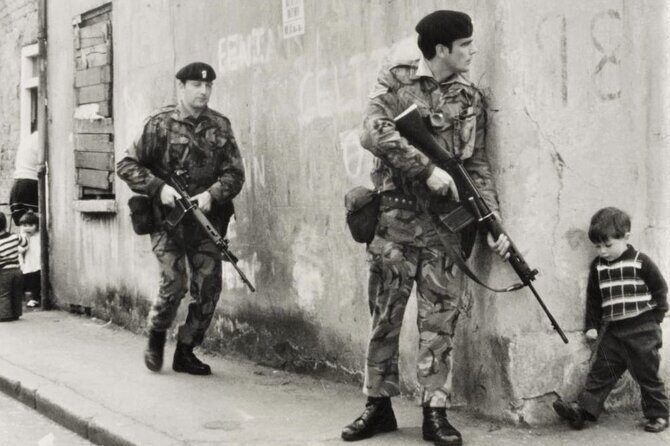
What makes this experience genuinely special is the dual-perspective approach. Rather than one guide offering a balanced overview, you get raw, personal accounts from people who lived through decades of conflict. The guides aren’t performing; they’re sharing their own stories, and that authenticity changes everything. You’ll hear about specific bombings, memorials, and the daily reality of growing up in a divided city, all while standing in the actual places where these events occurred.
The main consideration here is that this tour demands more than just your feet—it asks for an open mind. The stories aren’t wrapped up with neat conclusions, and the Peace Wall still has gates that lock at night. You’ll leave with questions rather than answers, which is precisely the point.
- What Sets This Tour Apart
- Starting at Divis Tower: Setting the Stage
- The Falls Road: Understanding the Nationalist Perspective
- Crossing the Peace Wall: A Physical and Psychological Boundary
- The Shankill Road: Hearing the Loyalist Experience
- The Memorials: Where History Becomes Personal
- The Walk Itself: Practical Realities
- The Value Proposition: What You’re Actually Paying For
- Who Should Book This Tour
- The Guide Quality Variable
- What to Expect Emotionally
- The Weather and Timing Consideration
- Should You Book This Tour?
- FAQ
- How physically demanding is this tour?
- What if I disagree with what a guide is saying?
- Will I understand the Troubles if I don’t know much about Irish history?
- Is this tour safe?
- Can I bring children on this tour?
- What if the weather is terrible?
- The Best Of Belfast!
- More Walking Tours in Belfast
- More Tours in Belfast
- More Tour Reviews in Belfast
What Sets This Tour Apart
 1 / 9
1 / 9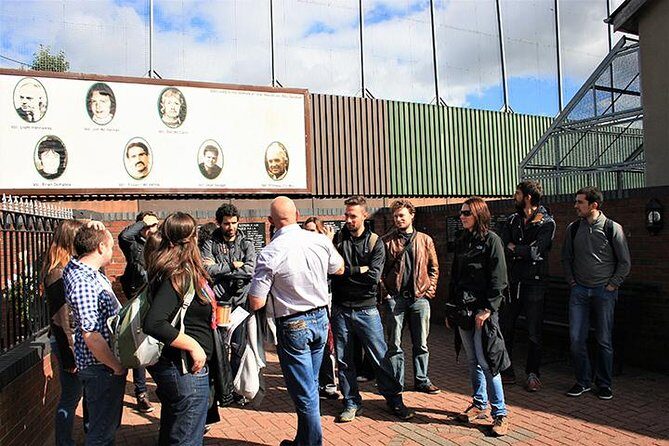 2 / 9
2 / 9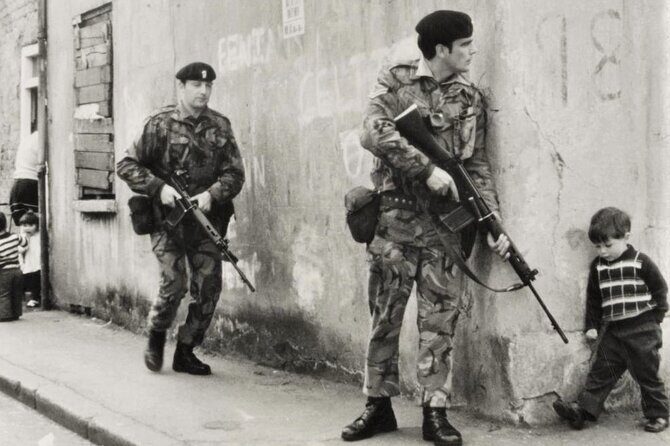 3 / 9
3 / 9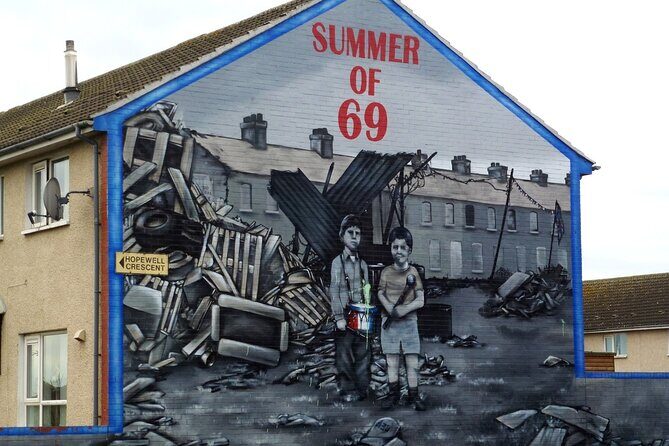 4 / 9
4 / 9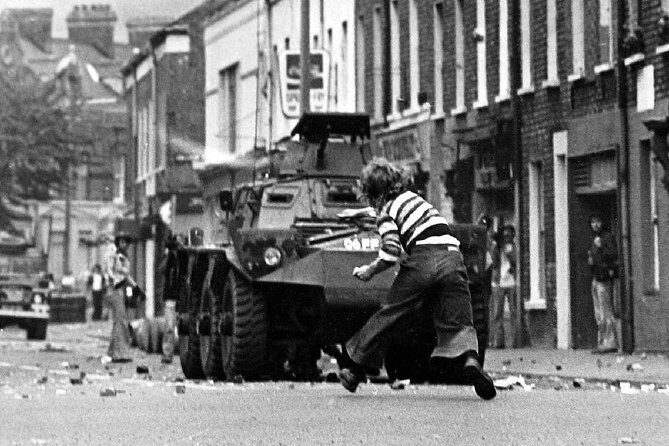 5 / 9
5 / 9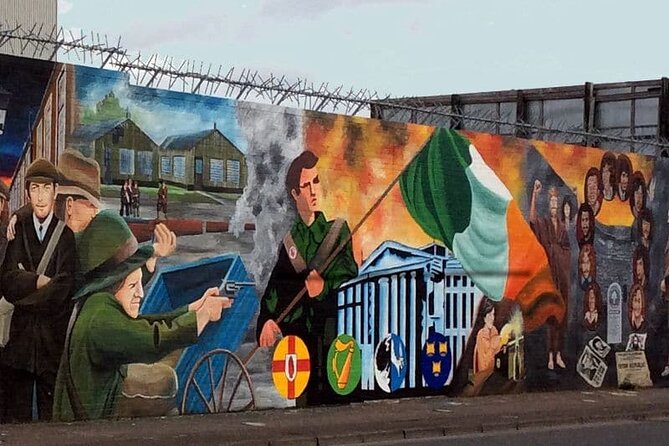 6 / 9
6 / 9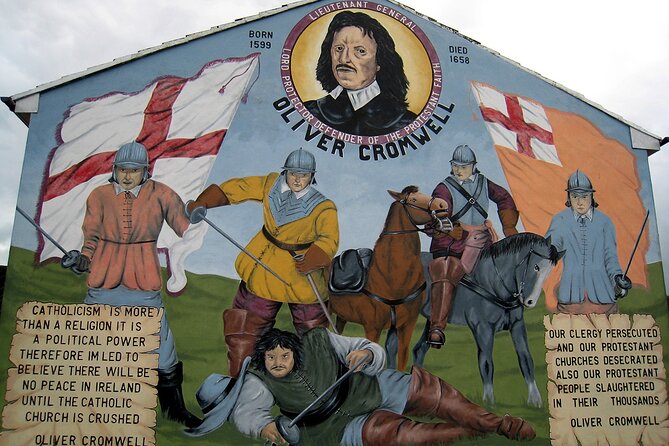 7 / 9
7 / 9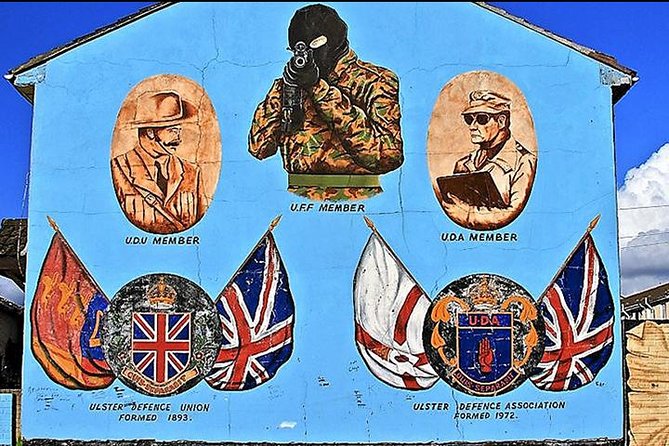 8 / 9
8 / 9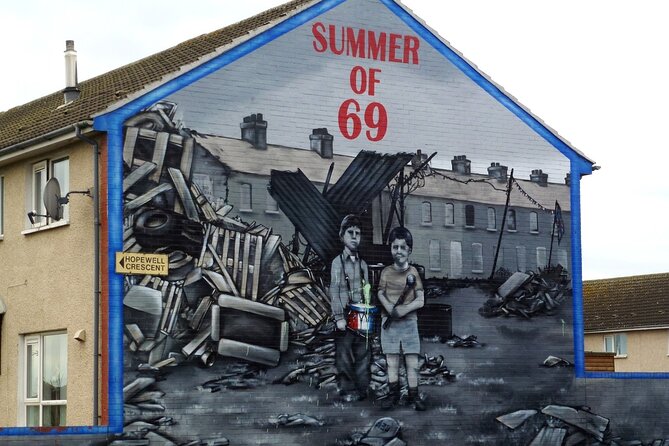 9 / 9
9 / 9Two guides, two truths, one journey – Most political tours present history through a single lens. This one deliberately fractures that lens so you can see how the same events look completely different depending on which side of the Peace Wall you grew up on. Guides like Jack and Paul (names that appear frequently in visitor feedback) aren’t trying to convince you they’re right; they’re trying to help you understand why they believe what they believe.
Real people, real consequences – These aren’t tour guides playing a role. Many are former political prisoners who spent years in jail for their beliefs. When someone describes a bombing that killed their neighbors or a friend who disappeared, that weight carries through. You’re learning history from people who have scars—literal and emotional—from the conflict.
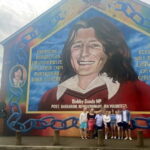
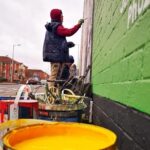
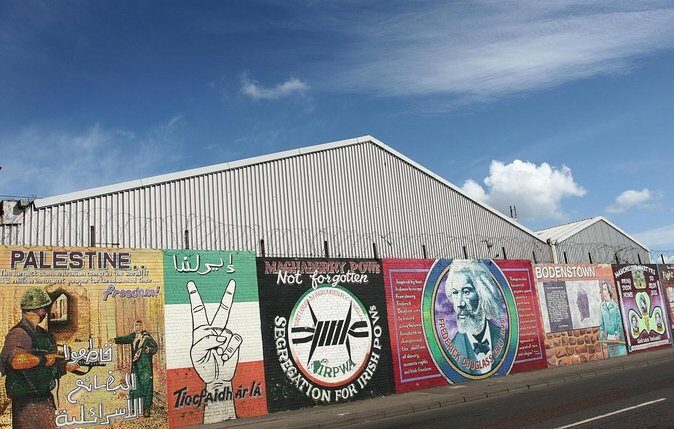
The murals tell their own stories – You’ll see dozens of painted walls throughout the tour, but each one has a backstory. The Bobby Sands Mural on the Falls Road and the various memorials along Shankill Road aren’t just colorful street art; they’re how communities remember their dead and their heroes.
Three hours passes faster than you’d expect – Even though you’re walking the entire time with minimal breaks, visitors consistently report that the pacing feels natural. The guides stop frequently to tell stories, and the time flies because you’re genuinely engaged, not trudging through tourist checkpoints.
Weather won’t ruin your plans – The tour operates in rain or shine, and if truly bad weather hits, you can reschedule or get a full refund. Just dress in layers and bring comfortable walking shoes; you’ll be outside the entire time in what can be windy conditions.
Small groups mean real conversation – With a maximum of 20 people per tour, you’re not one of a hundred faces. Guides have mentioned being open to questions throughout, and you can actually hear what’s being said without shouting over a megaphone.
👉 See our pick of the 11 Must-Try Shore Excursions In Belfast
Starting at Divis Tower: Setting the Stage
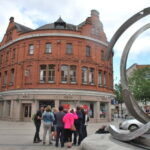
Your tour begins at Divis Tower in the heart of West Belfast. This isn’t a random meeting point—Divis is itself a landmark with political significance, a high-rise building that overlooks the divided city. Before the actual walking begins, you’re already getting a sense of Belfast’s geography and how physical spaces reflect the conflict.
From here, you’ll head into the Falls Road area with your first guide. The Falls has been the heart of the nationalist community, and the murals here commemorate IRA volunteers and victims of violence. You’re not just seeing images; you’re learning the names and stories behind them.
You can also read our reviews of more walking tours in Belfast


The Falls Road: Understanding the Nationalist Perspective
The first 90 minutes take you through nationalist West Belfast, where Bobby Sands and other political figures are memorialized in large-scale murals. Sands, an IRA member who died during a hunger strike in 1981, remains a powerful symbol in this community, and seeing his image while learning about his death creates a visceral understanding of why the conflict cut so deep.
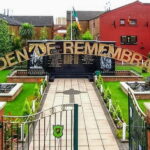
You’ll also visit the D Company Memorial Garden and walk along Bombay Street, where the community suffered particularly brutal violence. Your guide will explain not just what happened, but what it meant to grow up in a neighborhood where violence was a fact of life. One consistent piece of feedback from visitors is that guides provide genuine historical context alongside personal anecdotes—dates, significant figures, and the broader political backdrop, not just emotional storytelling.
The nationalist narrative here is unapologetic. Your guide may have spent years in prison for their beliefs, and they’ll explain why they believe the British presence in Ireland was and is illegitimate. This is where some visitors find themselves uncomfortable, which is exactly the point. You’re not meant to agree necessarily; you’re meant to understand how this perspective developed and why it persists.
Crossing the Peace Wall: A Physical and Psychological Boundary
The transition between the Falls and Shankill roads involves crossing the Peace Wall, a physical barrier that separates these two communities. The wall exists because, even decades after the official end of the Troubles, tensions remain real enough that a concrete barrier feels necessary. Your guides will point out that the gates in this wall are still locked at night—a detail that drives home how unresolved things still are.
Walking through this wall is a moment that sticks with visitors. You’re literally moving from one community to another, and the shift in murals, memorials, and street art is immediate and striking. This physical crossing makes the division real in a way that no amount of explanation could achieve.
The Shankill Road: Hearing the Loyalist Experience
The second half of the tour shifts to the Shankill Road, the heart of the loyalist community. Here, your guide will be from a different background, often with their own history of loss and imprisonment. The murals here commemorate different figures—UVF members, British soldiers, victims of IRA attacks.
You’ll learn about specific bombings like the Bayardo Bombing and Frizzells Fish Shop Bombing, events that killed civilians and shaped how this community sees the conflict. The loyalist perspective often emphasizes their identity as British and their fear of being forced into a united Ireland. Your guide might be English or have strong ties to Britain, and they’ll explain how the conflict looked from inside the loyalist community.
What visitors appreciate is that the second guide doesn’t try to convince you the loyalists were the good guys and nationalists the bad guys. Instead, they explain how violence felt justified from their perspective, how they lost people they loved, and how the conflict shaped their identity. It’s uncomfortable, but it’s honest.
The Memorials: Where History Becomes Personal
Throughout both sections, you’ll stop at various memorials and gardens. The Shankill Memorial Garden contains photographs and names of people killed during the Troubles. Standing in front of these photographs—some of them children—creates a moment where statistics become real. Both communities lost people. Both communities lost children. Both communities still grieves.
These aren’t sanitized tourist stops. They’re places where real mourning happens, and your guides are walking you through someone else’s grief. That requires respect and genuine attention, and most visitors rise to the occasion.
- Titanic Belfast Entrance Ticket: Titanic Visitor Experience Including SS Nomadic
★ 4.5 · 3,698 reviews


The Walk Itself: Practical Realities
You’ll be on your feet for the full three hours, with stops for stories but no extended breaks. The terrain is flat—no hills to climb—which helps, but the duration matters. Visitors consistently recommend comfortable walking shoes and dressing in layers. Belfast wind is real, and you might experience sun, clouds, and rain all in one tour.
The tour ends at Lower Shankill Road, which is an 8-minute walk back to where you started or about 15 minutes to the city center. Your guide will help with directions or can assist in getting you a taxi if you need one. The logistics are straightforward, but knowing this upfront helps you plan the rest of your day.
The Value Proposition: What You’re Actually Paying For
At $36 per person, you’re paying for three hours of guided walking through one of the world’s most politically significant neighborhoods. But more importantly, you’re paying for access to people who lived through the conflict and are willing to talk about it. You can’t get this perspective from a book or a museum exhibit. You get it from standing on a street corner with someone who was there.
The tour books about 31 days in advance on average, which suggests it’s popular but not impossible to schedule. You can cancel up to 24 hours before for a full refund, so there’s minimal risk if your plans change.
Who Should Book This Tour
This tour suits travelers who want to understand contemporary political conflict through lived experience rather than academic distance. If you’re interested in modern history, peace processes, or how communities heal after violence, you’ll find genuine value here. If you’re visiting Belfast and want to see beyond the tourist attractions, this is essential.
The tour also appeals to people with political interests, whether they’re activists, students, or simply curious about how different groups remember the same events differently. It’s intellectually engaging in ways that most walking tours aren’t.
That said, this isn’t the tour for people seeking entertainment or a light cultural overview. It’s emotionally heavy at times, and it requires genuine engagement with difficult subject matter. If you’re looking for a cheerful introduction to Irish culture, book something else.
The Guide Quality Variable
The quality of this tour depends significantly on your guides. The feedback is overwhelmingly positive about guides named Jack, Paul, Ian, and Mark, with visitors praising their knowledge, passion, and willingness to answer questions. One visitor mentioned that the tour is run by Coiste Political Tours, a well-established Belfast organization that specializes in this work.
However, there are occasional reports of guides who don’t hit the same mark. One visitor mentioned a guide with audio equipment issues and another reported a guide who didn’t show up (though the company responded professionally about the refund). These are exceptions to the rule, but they’re worth noting. Most tours are excellent; some aren’t.
What to Expect Emotionally
Visitors frequently mention that they’re still thinking about the tour hours or even days later. One couple reported debating the stories they heard in bars that evening. This isn’t a tour you passively consume and forget. It’s one that challenges your assumptions and sits with you.
Some visitors leave with a sense of hope—guides often express a genuine commitment to peace despite their history. Others leave frustrated by how little has actually changed, particularly the fact that the Peace Wall gates still lock at night. Most leave with a deeper appreciation for how complicated conflict resolution actually is.
The Weather and Timing Consideration
The tour happens rain or shine, and the weather matters more here than on many walking tours because you’re outside for the full three hours with minimal shelter. If weather is truly severe, the tour will be canceled and you can reschedule or get a refund. Book this tour on a day when you can handle being outside for extended periods, and check the forecast beforehand.
The 3-hour duration means you’ll want to schedule it either in the morning or early afternoon, leaving the rest of your day for other activities or recovery time. Some visitors mention feeling emotionally drained afterward, which is a normal response to the material.
Should You Book This Tour?
Yes, if you want to understand Belfast and the Troubles in a way that textbooks can’t provide. This tour offers something rare: the chance to hear from people on both sides of a significant conflict, in the places where that conflict happened. The price is reasonable, the guides are generally excellent, and the experience genuinely changes how you see the city.
The main risk is that you might find the emotional weight heavier than expected, or you might get a guide who doesn’t connect as well as others. But even those less-stellar versions are still more honest and authentic than most historical tours you’ll take.
If you’re in Belfast for more than a day, make room for this tour. If you’re only there briefly, it should probably be at the top of your list rather than something optional. This is the kind of experience that justifies the trip itself.
Belfast Political Tour-Conflicting Stories Walking Tour
FAQ
How physically demanding is this tour?
The tour involves three hours of continuous walking on flat terrain with no hills. There are frequent stops to hear stories, but you’re not sitting down for extended breaks. If you can walk for three hours with only short pauses, you can do this tour. Comfortable shoes are essential, and dressing in layers helps since you’ll be outside regardless of weather.
What if I disagree with what a guide is saying?
Guides actively welcome questions and seem genuinely interested in discussing different perspectives. This tour is designed around the idea that people see history differently, so disagreement isn’t unexpected. The goal isn’t to convince you of anything; it’s to help you understand why people believe what they believe. You can ask questions, and guides have shown patience with challenging conversations.
Will I understand the Troubles if I don’t know much about Irish history?
Yes. While basic knowledge helps, guides provide historical context including dates, key figures, and the political background. One visitor specifically mentioned that guides gave them enough foundational information to understand the complexity. You don’t need to be an expert beforehand, though reading a brief overview of Irish independence and the partition of Ireland beforehand wouldn’t hurt.
Is this tour safe?
The areas you’re visiting are safe for travelers. You’re walking through neighborhoods that have moved significantly toward peace, and your guides are respected community members. That said, the subject matter is serious and sometimes confrontational. Physical safety isn’t a concern; emotional discomfort is more likely.
Can I bring children on this tour?
The tour involves detailed discussions of violence, bombings, and deaths. While children aren’t prohibited, most families would find the content inappropriate for younger kids. Teenagers with interest in history or politics might gain value, but it’s not designed as a family activity.
What if the weather is terrible?
Tours operate in rain and typical Belfast weather, so bring waterproof clothing. If conditions are severe enough to be unsafe, the tour will be canceled and you can reschedule or receive a full refund. You can cancel up to 24 hours before for any reason and get your money back, so there’s no financial risk if weather looks genuinely bad.
The Best Of Belfast!



More Walking Tours in Belfast

More Tours in Belfast


More Tour Reviews in Belfast
- Titanic Belfast Entrance Ticket: Titanic Visitor Experience Including SS Nomadic
★ 4.5 · 3,698 reviews