When you’re planning a trip to Berlin, understanding the city’s complex 20th-century past becomes essential to truly grasping what you’re seeing. This half-day walking tour, offered by Original Berlin Walks, tackles one of history’s darkest chapters with the kind of clarity and sensitivity that makes difficult subjects accessible and meaningful. We’ve reviewed the experiences of hundreds of travelers, and what emerges is a picture of an exceptionally well-organized tour that respects its serious subject matter while delivering genuine educational value.
What we particularly love about this tour is how it combines efficiency with depth. You’ll cover significant ground in just four hours—visiting eight major sites—while learning from guides who possess genuine expertise rather than just reading from scripts. The second major strength is the sheer value proposition: at $21.77 per person, this tour costs less than a decent dinner, yet it provides hours of professional historical context that would take days to research and experience on your own.
One consideration worth mentioning upfront: this tour covers genuinely heavy historical material. It’s not a lighthearted walk through Berlin’s neighborhoods. The sites you’ll visit tell stories of persecution, deportation, and systematic violence. This isn’t a drawback—it’s actually a strength—but it’s worth knowing what emotional tone to expect.
This tour works best for travelers who want to understand Berlin’s history without spending an entire day on the subject, for history enthusiasts seeking expert perspectives, and for anyone who feels it’s important to confront and learn from difficult historical periods. If you’re looking for a quick overview that leaves your afternoon free for other activities, you’ve found it.
- What You’re Actually Getting: Tour Structure and Value
- The Route: Eight Stops That Tell a Story
- Starting at the Jewish Quarter
- The Machinery of Repression
- Understanding the Broader Context
- The Memorials: Bearing Witness
- Closing at the Reichstag
- The Guides: Why They Make the Difference
- Physical Demands and Practical Considerations
- Value Proposition: Why This Tour Delivers
- Practical Details for Booking
- Frequently Asked Questions
- The Bottom Line
- The Best Of Berlin!
- More Walking Tours in Berlin
- More Tours in Berlin
- More Tour Reviews in Berlin
What You’re Actually Getting: Tour Structure and Value
 1 / 7
1 / 7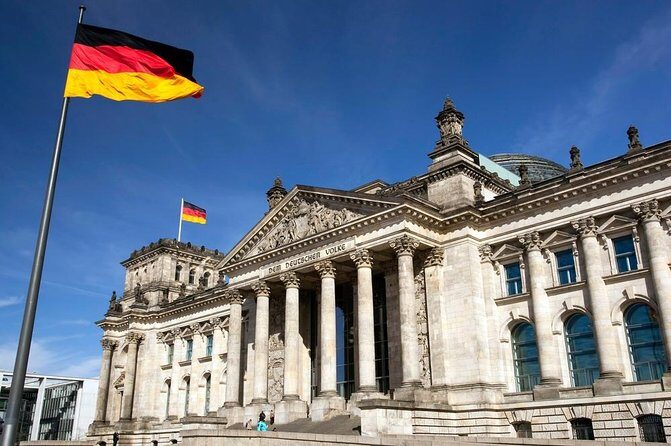 2 / 7
2 / 7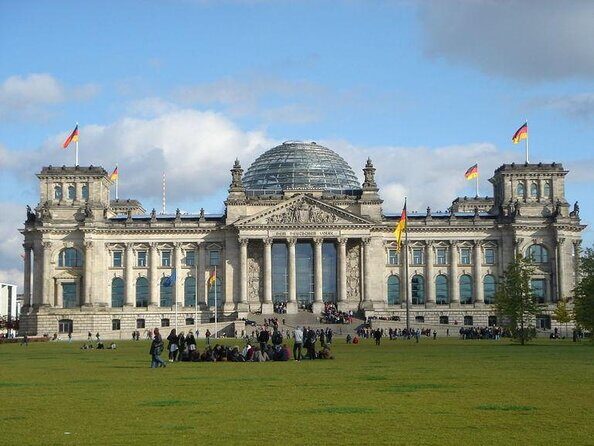 3 / 7
3 / 7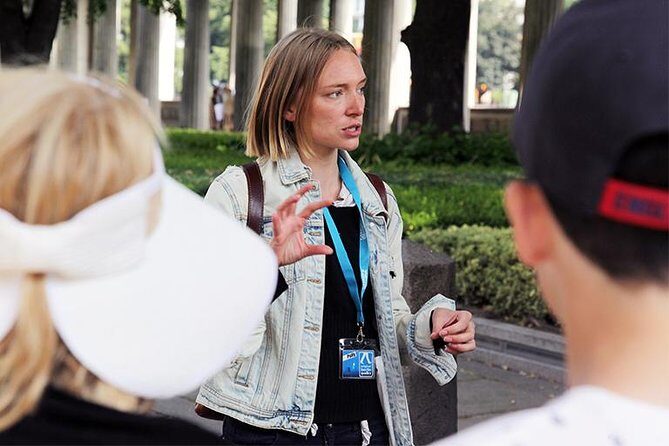 4 / 7
4 / 7 5 / 7
5 / 7 6 / 7
6 / 7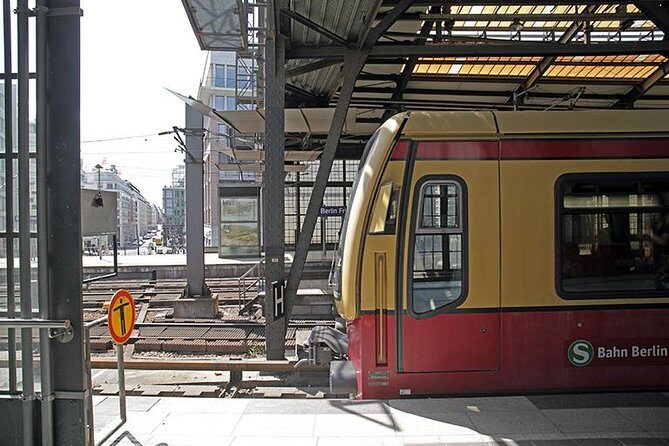 7 / 7
7 / 7At $21.77 per person, you’re getting four hours with a professional English-speaking guide, a carefully planned route that maximizes what you can see and learn, and access to some of Berlin’s most historically significant (and often somber) locations. The tour operates in all weather conditions, which speaks to its reliability—you won’t find it canceled because of a little rain.
The group size caps at 25 people, which matters more than you might think. Larger tours often feel like cattle herds moving from spot to spot. This size allows for genuine interaction with your guide and the ability to ask questions without feeling rushed. Several reviewers specifically praised this aspect, with one noting, “Small group helped as well. Strongly recommend and excellent value for money.”
The tour departs at 10:00 AM from Hackescher Markt S-Bahn station and concludes at the Reichstag. That timing works well for most travelers—you’re finished by early afternoon with the rest of your day ahead. You’ll want to budget for an AB Zone transport ticket (approximately €3.80), which you can purchase at the meeting point, but this minimal additional cost keeps the tour price accessible.

👉 See our pick of the We Rank The 9 Best Wine Tours In Berlin
The Route: Eight Stops That Tell a Story
Rather than jumping randomly between locations, this tour follows a narrative arc that helps you understand how the Nazi regime operated and what it cost the people of Berlin and beyond. The progression matters as much as the individual sites.
You can also read our reviews of more walking tours in Berlin


Starting at the Jewish Quarter
Your guide begins at the Museum Blindenwerkstatt Otto Weidt, a lesser-known site that many solo travelers would miss entirely. This former workshop employed blind workers, including Jewish employees, during the Nazi era—a story of quiet resistance that provides important context about how ordinary people navigated extraordinary circumstances. From there, you’ll spend time at the Stiftung Neue Synagoge Berlin – Centrum Judaicum, which allows you to see the physical remnants of Berlin’s once-vibrant Jewish community and understand what was lost.
One traveler captured the significance of this portion perfectly: “The tour also included important aspects of Jewish history in Berlin, and in combination with the Third Reich sites, provided a rich experience.” This isn’t accidental—it’s by design. The tour ensures you understand the human dimension of the history, not just the institutional structures.
The Machinery of Repression
The tour then moves to Anhalter Bahnhof, the railway station where thousands of Berlin’s Jewish residents were deported to concentration camps. Standing at the ruins, your guide will explain the logistics and the human tragedy in ways that feel immediate and real. As one reviewer noted after visiting with guide Giles, “While folks may be able to find some sites on their own, Giles made the city come alive, using historical pictures and reference points.”
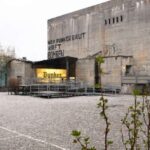
The Topography of Terror represents one of the tour’s longest stops (15 minutes), and with good reason. This museum occupies the former site of the SS and Gestapo headquarters—the nerve center of the regime’s terror apparatus. Your guide will explain how these institutions operated, the scope of their reach, and the individuals who worked within them. It’s dense historical material, but guides are trained to make it comprehensible without oversimplifying.
Understanding the Broader Context
The Aviation Ministry of Berlin stop provides perspective on how the Nazi regime touched every aspect of German society, including civilian institutions. Your guide discusses how this building functioned and what happened to its leadership after the war—context that helps you understand the complexity of post-war Germany.
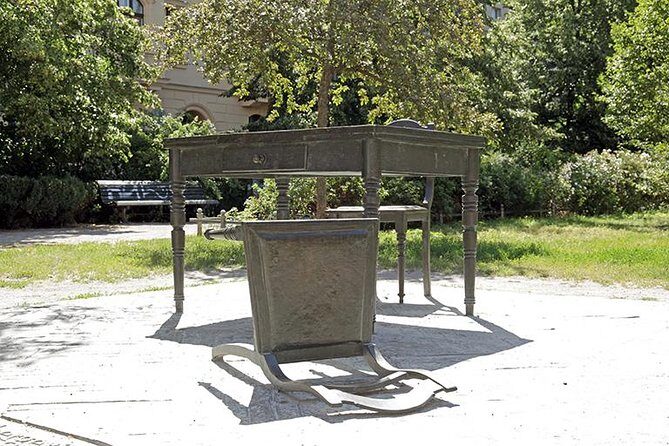
The Johann Georg Elser Sculpture marks an important counterpoint to the narrative of Nazi dominance. Elser attempted to assassinate Hitler in 1939, and remembering him reminds visitors that not all Germans accepted Nazi rule passively. These nuances matter for understanding history accurately.
The Memorials: Bearing Witness
The tour includes visits to three memorials that show how modern Germany honors victims and confronts its past. The Holocaust Memorial—with its 2,711 concrete slabs arranged in a grid—offers a powerful, abstract representation of loss. The Monument to Homosexuals Persecuted Under National Socialist Regime and the Soviet Memorial Tiergarten ensure that you understand the regime’s crimes extended far beyond one community.
One reviewer appreciated this comprehensive approach: “There were visits to memorials including Jewish, Roma, LGBT, Soviet, and the Topography of Terror/Berlin Wall. Tom our guide was superb—great teacher/masters degree from university.” This breadth of perspective prevents the tour from becoming a narrow narrative.
You can also read our reviews of more tours and experiences in Berlin

Closing at the Reichstag
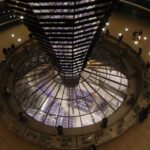
The tour concludes at the Reichstag building itself, where the Nazis came to power in 1933 and where the final days of World War II unfolded in 1945. Standing at this location with your guide’s explanation of these two moments creates a powerful bookend to the four-hour journey.
The Guides: Why They Make the Difference
You’ll notice something striking when reading the reviews: people consistently name their guides and speak about them with genuine appreciation. Peter, Glen, Rohan, Tom, Hannah, Benjamin, Rebecca, James, Jonathan, Scott—these aren’t generic tour operators. They’re historians who’ve chosen to share their expertise in this format.
A reviewer who traveled all the way from Australia specifically to see this history noted: “Scott brings World War 2 history to life. He gives you the background on how Hitler and the Third Reich came to power then we travel in time to the demise of Hitler and the Third Reich… Scott made it come to life. Thank you Scott.”
Another traveler observed: “The knowledge of our guide was amazing. Benjamin was easy to understand and shared great information.” This consistency across reviews—with different guides and different travelers—suggests the tour company has genuinely invested in training knowledgeable professionals rather than hiring people to simply point at buildings.
Guides are described as “knowledgeable,” “easy to hear,” “appropriately sensitive to the subject,” “enthusiastic,” and “passionate.” One reviewer appreciated that their guide “combined the feeling and emotion with well-timed humor, really made the tour.” This balance—treating serious subject matter seriously while keeping the experience engaging—is harder to achieve than it sounds.
Physical Demands and Practical Considerations
This is a four-hour walking tour, which means you’ll be on your feet for an extended period. One traveler with leg surgery recovery and foot problems reported having “no trouble doing the walk,” suggesting the pace is manageable for most fitness levels. That said, comfortable shoes are essential—as one reviewer noted, “comfy shoes needed.”
The tour operates in all weather conditions, so you’ll want to dress appropriately for Berlin’s climate on the day you visit. The group size of 25 people maximum means the tour won’t feel crowded, and your guide can actually hear questions and engage with participants meaningfully.
The 10:00 AM start time gives you flexibility. You’re finished by early afternoon, leaving time for lunch, rest, or other activities. The tour doesn’t require advance tickets to any of the sites (admission is free at all stops), which keeps logistics simple and costs down.
Value Proposition: Why This Tour Delivers
At $21.77, this tour costs roughly what you’d pay for a casual lunch in Berlin. For that price, you’re getting four hours with an expert guide, a carefully planned route covering eight significant historical sites, and context that transforms what you’re seeing from interesting buildings into meaningful historical lessons.
Consider what you’d spend trying to visit these sites independently: time researching locations, potentially getting lost, standing outside buildings without understanding their significance, and missing the connections between sites that your guide makes explicit. The guides themselves—many with university degrees in history—represent genuine expertise. As one traveler put it after spending four hours with Tom: “This was an amazing tour… Tom demonstrated a love for History… Very important tour for all generations and nationalities to embark upon.”
The 97% recommendation rate (travelers recommending the tour to others) reflects genuine satisfaction, not just a pleasant experience. People are recommending this because they feel they learned something important and experienced it well.
Practical Details for Booking
Confirmation arrives immediately upon booking, and you’ll receive a mobile ticket—no need to print anything. The free cancellation policy (up to 24 hours in advance) removes financial risk if your plans change. The only additional cost beyond the tour price is the transport ticket (€3.80), which you can purchase at the meeting point.
You’ll meet at Hackescher Markt S-Bahn station at 10:00 AM, and the tour concludes at Platz der Republik (near the Reichstag). Service animals are welcome, and the tour is accessible for most travelers. The company operates daily, and with an average booking window of 23 days in advance, it’s popular enough that you’ll want to reserve ahead, especially during peak seasons.
Frequently Asked Questions
How much walking is involved, and what’s the fitness level required?
You’ll walk for approximately four hours with stops at eight locations. The pace appears manageable for most fitness levels—travelers recovering from leg surgery and those with foot problems reported completing the tour comfortably. Comfortable, well-broken-in walking shoes are essential. The tour operates in all weather, so dress appropriately for conditions on the day you visit.
What’s included in the tour price, and what costs extra?
The $21.77 price includes four hours with a professional English-speaking guide and access to all eight sites (admission is free at each location). You’ll need to purchase an AB Zone transport ticket (approximately €3.80) to reach the meeting point, available at Hackescher Markt S-Bahn station.
How large are the groups, and will I have a chance to ask questions?
Groups are capped at 25 people maximum, which is small enough to allow genuine interaction with your guide. Reviewers consistently mention guides being “open to questions” and responsive to group interests. The small size also means your guide can adjust pacing and depth based on group interest.
Is this tour appropriate for teenagers and younger visitors?
Yes. One family brought teenagers and reported: “Very knowledgeable historian and kept the entire tour interesting, even for our two teenagers.” However, the subject matter is serious and includes discussion of persecution and genocide, so consider your audience’s maturity level and sensitivity to these topics.
What happens if the weather is bad?
The tour operates in all weather conditions, so rain won’t cancel it. Dress appropriately for the conditions expected in Berlin on your visit date. The company’s commitment to operating regardless of weather reflects the tour’s importance—this is history that shouldn’t be postponed.
Do I need to book advance tickets for any of the sites?
No. All sites included in the tour have free admission, and your guide handles explanations at each location. You don’t need to purchase separate entrance tickets for anything on the route.
Can I take this tour if I don’t speak perfect English?
The tour is conducted in English, and guides are described as “easy to understand” and speaking “in a way that was easy to hear.” If English isn’t your first language, the careful pacing and willingness of guides to answer questions should make the tour accessible. However, if you have significant language barriers, you might consider whether English-language tours work for you generally.
Berlin Third Reich Sites: Half-Day Walking Tour
The Bottom Line
This tour represents exceptional value for Berlin visitors who want to understand the city’s complex 20th-century history in depth without spending an entire day on the subject. The combination of guides, carefully planned routing, genuine historical significance, and rock-bottom pricing makes this one of Berlin’s most worthwhile half-day activities. Whether you’re a history enthusiast, a traveler who believes in confronting difficult historical truths, or simply someone wanting to understand the city you’re visiting more completely, this tour delivers educational substance and human insight that justifies its place in your Berlin itinerary. The consistent praise from hundreds of travelers—with guides named specifically and appreciated genuinely—suggests you’ll leave with both knowledge and respect for how the experience was presented.