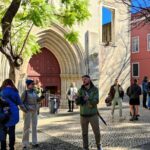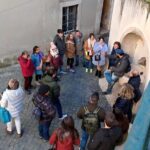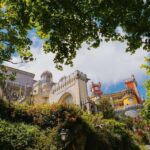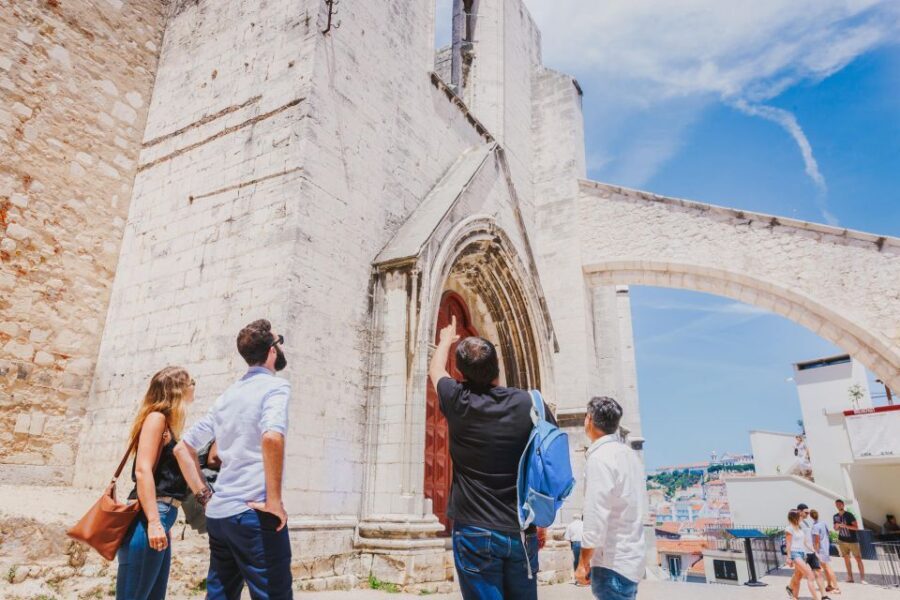
Lisbon can feel like a city of surprises: grand squares one minute, twisty old lanes the next. This Best of Lisbon Walking Tour strings together the big landmarks and the lived-in neighborhoods, starting in Rossio Square and finishing near Praça do Comércio (Terreiro do Paço).
I really like two things here. First, the guide-led storytelling makes the city’s turning points click, from Portugal’s independence to the 1974 Carnation Revolution. Second, the food-and-drink breaks feel practical (and genuinely Lisbon): you get a pastel de nata plus a snack tasting and a wine tasting, timed so you’re not just eating on the run.
One consideration: it’s still a walking tour, and the route includes hills, photo stops, and uneven old-street corners. If you want inside visits everywhere (like the cathedral), note that entrance fees are not included, so you may need to pay extra depending on what you choose to do on the day.
- Key takeaways before you go
- Starting at Rossio Square: the best launch pad for first-timers
- Rossio Square and the ornate Rossio Central Station moment
- St. Dominic’s Square and the quick photo-stop rhythm
- Largo do Carmo and the Carnation Revolution that changed everything
- Viewpoints along the way: where the city makes sense
- Chiado: old cafés, theaters, boutiques, and bookshop energy
- Baixa de Lisboa after the earthquake: urban design you can read on the street
- The pastry break: pastel de nata and why it’s timed well
- Wine tasting in the older lanes: Alfama’s pairing logic
- Alfama and fado culture: getting close without a formal show
- Passing through squares to end near Praça do Comércio
- Price and value: what buys you in real terms
- Logistics that actually matter on a walking tour
- Guide quality: why reviews keep pointing to the same strengths
- Pacing and what you’ll feel after 3 hours
- Who this tour suits best
- Should you book? My practical take
- FAQ
- Where does the tour start?
- How long is the walking tour?
- What does the tour cost?
- What is included in the price?
- Is the tour offered in English?
- What’s the cancellation policy?
- Are pets allowed on the tour?
- More Walking Tours in Lisbon
- More Tours in Lisbon
- More Tour Reviews in Lisbon
Key takeaways before you go
 1 / 10
 2 / 10
 3 / 10
 4 / 10
 5 / 10
 6 / 10
 7 / 10
 8 / 10
 9 / 10
 10 / 10
- Neo-Manueline details at Rossio Central Station: why this station looks so ornate and what it signals about Lisbon
- Restauradores Square’s independence obelisk: a quick, memorable stop tied to Portugal’s modern identity
- Carmo Square and the Carnation Revolution: a small square with big meaning
- Chiado’s old cafés, theaters, and bookstores: a neighborhood that still moves at pedestrian speed
- Baixa’s earthquake rebuild logic: you’ll see how the city was redesigned after the 1700s disaster
- Alfama’s fado mood (and tile work): you get close to the music culture without needing a museum ticket
Starting at Rossio Square: the best launch pad for first-timers
The tour begins at Rossio Square, meeting near the Estátua de D. Pedro IV. That location matters because Rossio is easy to orient around, and it’s a natural point to build a route that makes sense in your head.
Right away, the walk turns from “here are sights” into “here’s how Lisbon connects.” You’ll notice how the city blends old ceremonial power with everyday bustle, especially as you move toward the station area.
You can also read our reviews of more walking tours in Lisbon

Rossio Square and the ornate Rossio Central Station moment
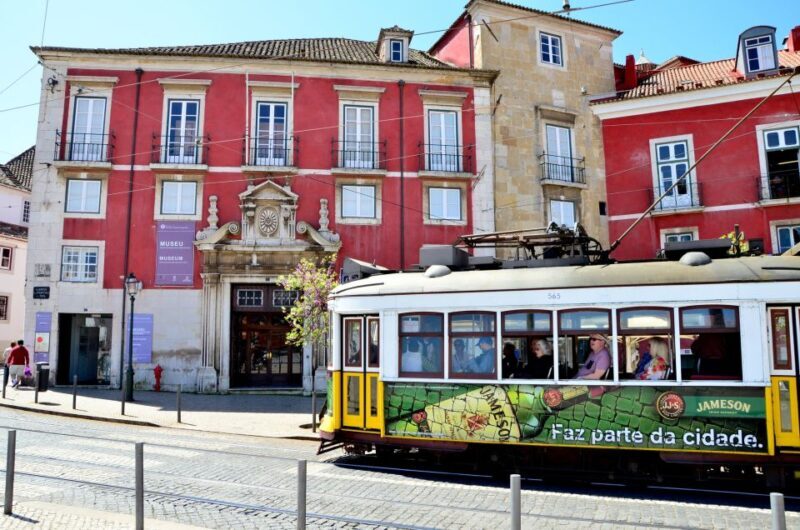
At Rossio Square, you’ll take in the grand civic vibe and then head toward photo moments that highlight Lisbon’s design personality. One stop puts special attention on the neo-Manueline architecture at Rossio Central Station, which is a fancy way of saying you’re looking at a style that’s loud, decorative, and unmistakably Portuguese.
This is one of those details that pays off later. When you understand why buildings look the way they do, you stop treating Lisbon’s streets as a random set of pretty backdrops and start seeing a visual story.
St. Dominic’s Square and the quick photo-stop rhythm
You’ll pass through St. Dominic’s Square with a short photo stop and guided context. It’s not a long pause, but it helps you keep moving while still anchoring the tour in specific places rather than vague “this is where things happen.”
For many travelers, this tour works because it respects pacing: quick stops, clear explanations, then a stretch of walking so you actually get the neighborhood feel.
Largo do Carmo and the Carnation Revolution that changed everything
Then comes Largo do Carmo Square, another short stop that carries heavy meaning. The guide explains the Carnation Revolution of 1974, the event that ended 48 years of dictatorship.
What I like about this kind of stop is that it doesn’t get stuck in textbooks. You’re standing in a real public space, so the story lands where people actually lived their days—before and after the political shift.
More Great Tours NearbyViewpoints along the way: where the city makes sense
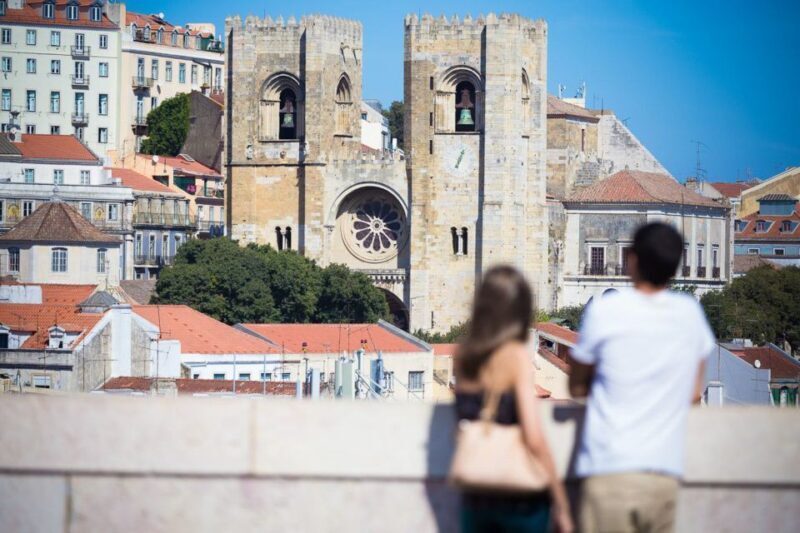
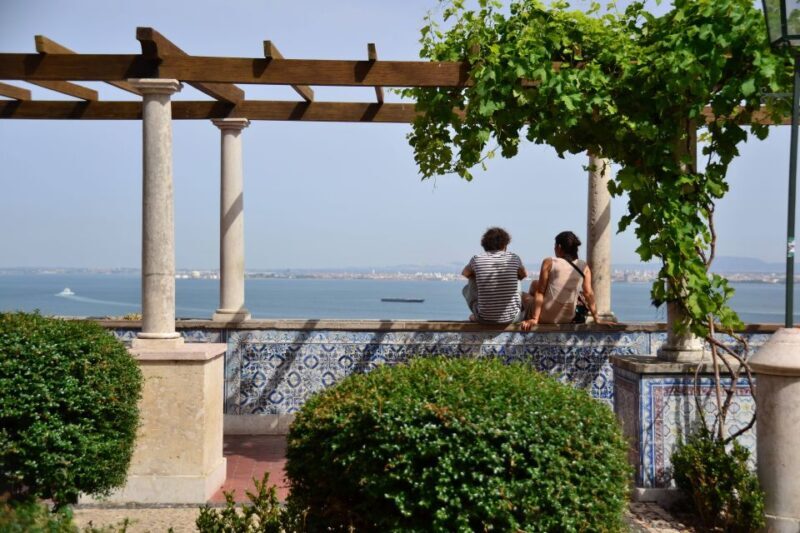
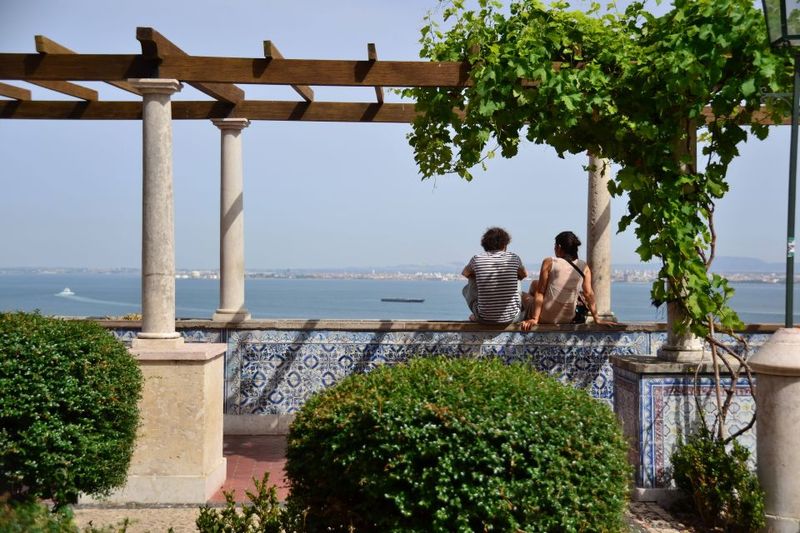
The itinerary includes a couple of viewpoint/photo-stop moments. These pauses matter because Lisbon’s layout is steep and layered, and it’s hard to understand without a quick visual reset.
If you’re prone to taking photos but missing orientation, treat these as your navigation checkpoints. Even a short look can help you connect neighborhoods, streets, and future plans.


Chiado: old cafés, theaters, boutiques, and bookshop energy
Moving into Chiado, you start feeling the city’s refined side—still very Lisbon, just more polished. You’ll pass by places tied to cafés, boutiques, theaters, and small bookstores, and the guide’s comments help explain why the area became such a cultural hub.
Chiado is also a good example of how this tour mixes “sights” with “how people live.” It’s not only about what’s historic; it’s about what still feels active and human.
One practical note: Chiado can be busy. The tour keeps it manageable with guided flow, but you’ll still want to keep your shoes ready for steady walking.
Baixa de Lisboa after the earthquake: urban design you can read on the street
When the route reaches Baixa de Lisboa, the tone changes. This is where the guide connects the physical city to a very specific turning point: Lisbon’s devastating earthquake in the 18th century and the rebuilding afterward.
The tour highlights that the neighborhood was rebuilt under new urban rules, with an approach described as anti-systemic architecture. In plain terms, you’re seeing how Lisbon tried to rebuild smarter instead of rebuilding the same way—and you’ll notice the layout feels more ordered and intentional than the medieval lanes you’ll see later in Alfama.
If you’ve ever wondered why some parts of Lisbon feel more straight-lined while others twist like a puzzle, this is the segment that clarifies it.
The pastry break: pastel de nata and why it’s timed well
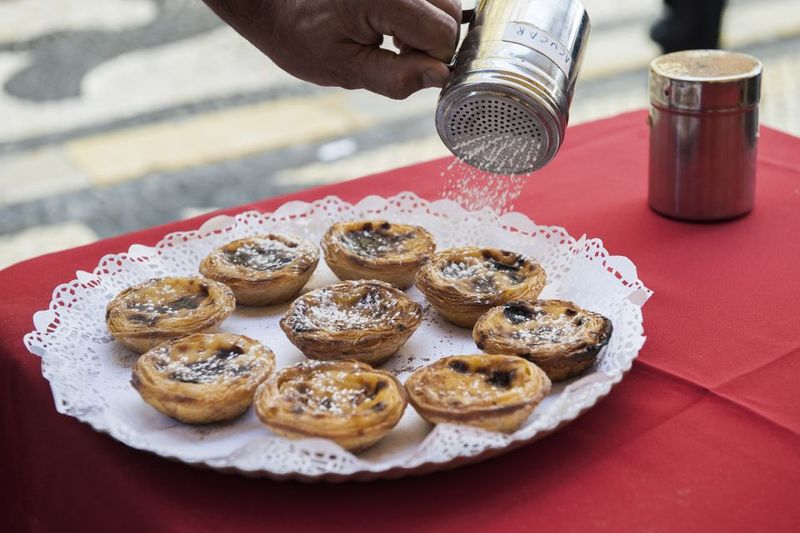
A key included stop in Baixa is the food moment: you’ll try pastel de nata (egg custard tart). It’s iconic for a reason—flaky pastry, warm custard, and that slightly caramelized top that makes it hard to stop at just one bite.
This tour does the timing right. Instead of stacking everything in the early minutes, it gives you a break once you’ve already built context for where you are. And for travelers who get hungry quickly while walking, this kind of planned pause is a relief.
Reviews also mention snack tastings that can include codfish cake, along with other local nibbles. Since your tasting is included but snack type may vary, think of it as a curated sample of Portuguese comfort food, not a single-item guarantee.
Wine tasting in the older lanes: Alfama’s pairing logic
Next is Alfama, the oldest neighborhood in Lisbon and the area where the atmosphere shifts into something much more intimate. The tour includes a wine tasting and additional food tasting here.
One helpful detail from traveler feedback: some groups report that the wine can be green wine. Even if yours differs, the concept is the same—this is a chance to slow down for a drink in a neighborhood that feels made for lingering.
And because Alfama streets are narrow and winding, having a break mid-walk can make the rest of the visit feel lighter, not tougher.
Alfama and fado culture: getting close without a formal show
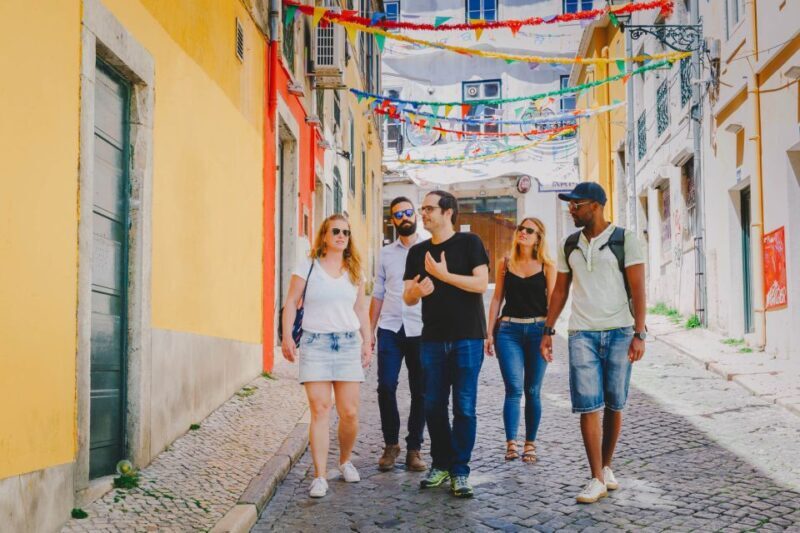
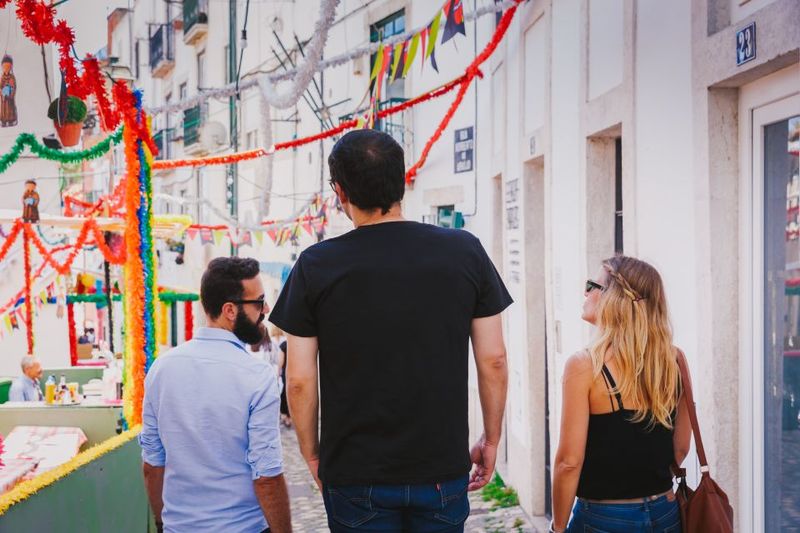
In Alfama, the tour focuses on the feel of the place—its Moorish influence and how fado works in everyday culture. You get an up-close encounter with the art form as you move through alleys and winding streets.
You may not catch a full performance during a walking tour, but you do get context for why fado belongs here. When you understand that, even a casual moment—someone singing nearby or the music vibe in the air—can feel less random and more like a living tradition.
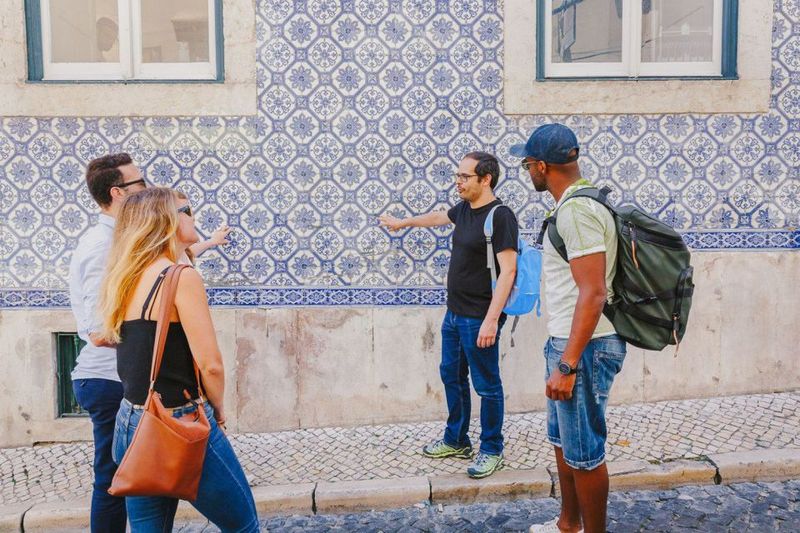
Also, Alfama is famous for its tiles and façades, and several travelers specifically mention asking about what’s going on with the tiled fronts. If that’s the kind of detail you love, you’ll likely come away with new things to notice on your own afterward.
Passing through squares to end near Praça do Comércio
The tour finishes at Terreiro do Paço, also tied to the area around Praça do Comércio. This is the payoff: after twisting lanes and uphill walking, you land in a broad, open space that feels like the city’s public living room.
It’s also a fitting close because the tour frames this part of Lisbon as the former entrance hall of the city. You’ll likely feel the difference immediately—wide views, formal architecture, and the sense that Lisbon was designed (and then redesigned) around movement of people and goods.
Price and value: what $23 buys you in real terms
At $23 per person for a 3-hour guided walk, this is a value play—especially because tastings are included. You’re not just paying for a guide telling stories; you’re also getting 1 pastel de nata, 1 snack tasting, and 1 wine tasting.
That matters because Lisbon food costs add up fast. Even if you don’t make this your only tasting plan, the included bites help you sample the basics without needing to decide on the spot where to eat.
One more value point: the tour includes free cancellation up to 24 hours in advance. That’s useful if your schedule is flexible or if weather looks questionable.
Logistics that actually matter on a walking tour
This one is 3 hours, in English, with a live guide. The meeting point is clear: Rossio Square near the statue of D. Pedro IV.
What to bring is basic but important: comfortable shoes and comfortable clothes. Lisbon walking is often not just long—it’s steep and sometimes uneven.
Not allowed: pets. If you’re traveling with an animal, you’ll need a different plan.
Entrance fees are not included, so if you want to go inside places you pass—like the Lisbon Cathedral the tour references—budget extra time and money. The tour is designed for viewing, context, and street-level discovery, not ticketed museum-style add-ons.
Guide quality: why reviews keep pointing to the same strengths
Traveler feedback repeatedly highlights the guides as the reason this tour works. People mention guides like Filipa, Martin, Filipe, Joana/Joanna, Daniel, Maria, Carlos, Catarina, Alex, Ricardo, José/José Luis, Fatima, and Natalia.
Common themes show up again and again: guides are described as knowledgeable, approachable, and able to answer questions without turning the experience into a lecture. A lot of reviewers also praise the guide’s humor and energy, which helps on a walk where you’re covering several neighborhoods in a short time.
So if you care about meaning—not just photos—this tour looks like it’s built for you.
Pacing and what you’ll feel after 3 hours
By the end, you should feel more oriented in Lisbon. The tour runs through major areas like Rossio, Chiado, Baixa, and Alfama, using a mix of squares, streets, and viewpoints to connect the dots.
It also tends to set you up for better independent wandering later. After you hear why Baixa was rebuilt and why Alfama feels different, you’ll naturally explore with more confidence the next day.
The tastings help too. Even small breaks prevent tour fatigue, and they give you something to anchor the experience to: taste memory plus a story.
Who this tour suits best
This tour is a strong fit if you:
- Want a first-time Lisbon overview across classic neighborhoods
- Like history that’s explained in street-level terms (independence, revolution, rebuilding)
- Enjoy small food and drink stops that don’t turn into a full meal plan
- Prefer a guide who answers questions and keeps things moving
It may be less ideal if you:
- Need fully step-free mobility all day (the route includes hilly, old-street areas)
- Want a tour with lots of interior visits and ticketed stops (entrances aren’t included)
- Don’t like walking photo-stop-heavy routes
Should you book? My practical take
I’d book this tour if you want an efficient, high-quality way to understand Lisbon in a few neighborhoods. The combination of guided storytelling, scenic viewpoints, and included pastel de nata + snack + wine makes it feel like more than a basic sightseeing walk.
You should also book it early in your trip. Get the orientation first, then use it to guide your next choices—especially for where to wander on foot.
If you’re sensitive to uneven streets or steep climbs, plan ahead with good shoes and a pace that suits you. And if you care about going inside specific sites, be ready for extra costs since entrance fees aren’t included.
Best of Lisbon Walking Tour: Rossio, Chiado & Alfama
FAQ
Where does the tour start?
The meeting point is Rossio Square, close to the Estátua de D. Pedro IV.
How long is the walking tour?
The tour duration is 3 hours.
What does the tour cost?
The price is $23 per person.
What is included in the price?
You get a local guide and walking tour, plus 1 pastel de nata, 1 snack tasting, and 1 wine tasting.
Is the tour offered in English?
Yes. The tour is guided in English.
What’s the cancellation policy?
You can cancel up to 24 hours in advance for a full refund.
Are pets allowed on the tour?
No, pets are not allowed.
If you tell me your travel month (and whether you prefer morning or afternoon walking), I can help you decide the best time to fit this into your Lisbon plan.
You can check availability for your dates here: