When you’re planning your time in Bordeaux, one of the world’s greatest wine regions, you face a choice: spend big money on flashy wine experiences, or find something authentic that actually teaches you something meaningful. This museum admission with wine tasting walks that line perfectly. We’ve reviewed what makes this particular experience work so well for travelers, and the verdict is refreshingly straightforward—it delivers genuine value and real knowledge about how Bordeaux’s wine trade actually functions.
What we really appreciate about this experience is its honesty. You’re not paying for fancy presentation or Instagram-worthy aesthetics. Instead, you get access to a working museum housed in actual 18th-century cellars where Bordeaux wine merchants once conducted their business, paired with a guided wine tasting that teaches you something useful. The other thing that stands out is the price—at $14.51 per person, this is one of the better-value wine experiences in a city where wine tourism can get expensive quickly.
The main thing to understand upfront is that this is not a high-tech, polished museum experience. You’ll be navigating two vaulted cellars with printed guides and small wall text, and yes, some visitors note the musty smell that comes with authentic 300-year-old spaces. But if you’re the type of traveler who gets excited about stepping into real history rather than a recreated version of it, this distinction actually matters in a positive way.
This experience works best for travelers who are genuinely curious about wine and want to understand the business and history behind what they’re drinking. It’s equally good for couples looking for a meaningful morning or afternoon activity, groups of wine enthusiasts, and anyone with a couple of hours to spend before heading to lunch. You don’t need any wine knowledge going in—the tasting portion is designed to teach you.
- What You’re Actually Getting: Breaking Down the Experience
- The Museum Itself: History in Two Cellars
- The Wine Tasting: Where It Gets Really Good
- The Practical Details That Matter
- What Travelers Are Actually Saying: The Real Picture
- The Value Question: Is .51 Worth It?
- Important Booking Details and Logistics
- How This Compares to Other Wine Experiences in Bordeaux
- Final Thoughts: Who Should Book This?
- Frequently Asked Questions
- The Best Of Bordeaux!
- More Food & Drink Experiences in Bordeaux
- More Tickets in Bordeaux
- More Tour Reviews in Bordeaux
What You’re Actually Getting: Breaking Down the Experience
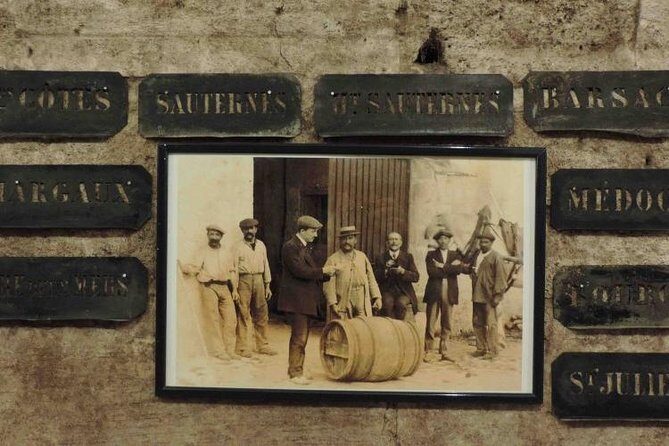
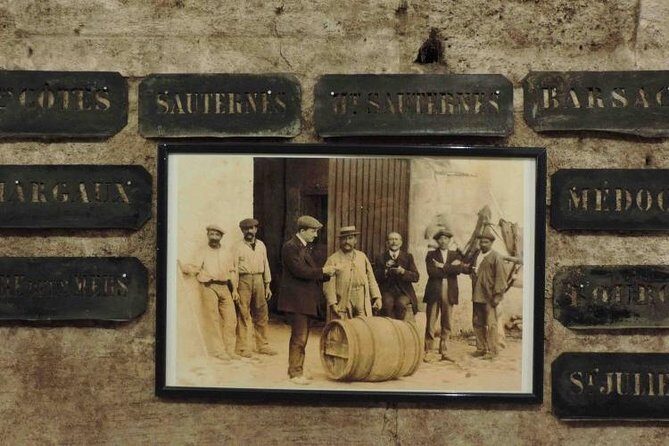
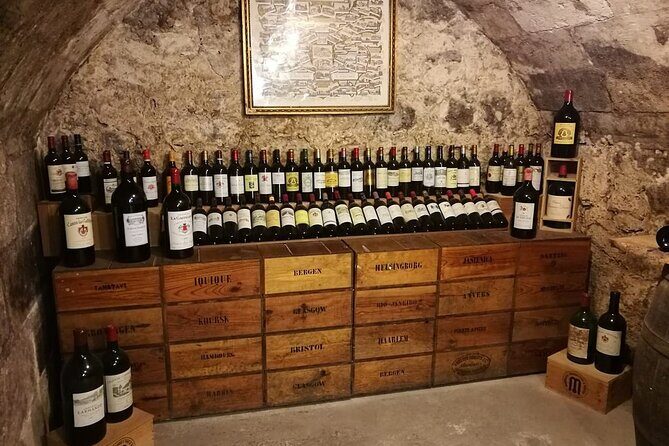
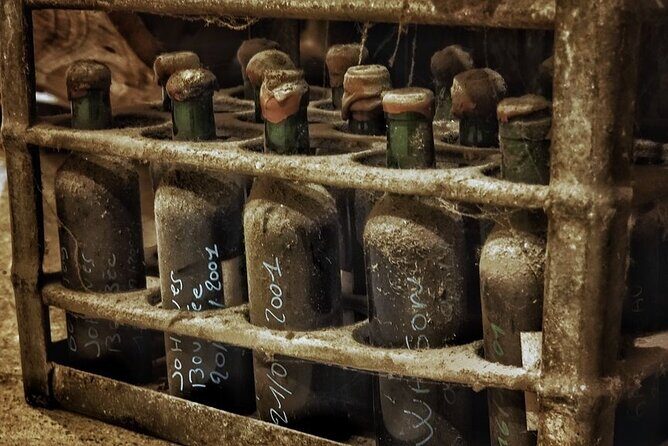
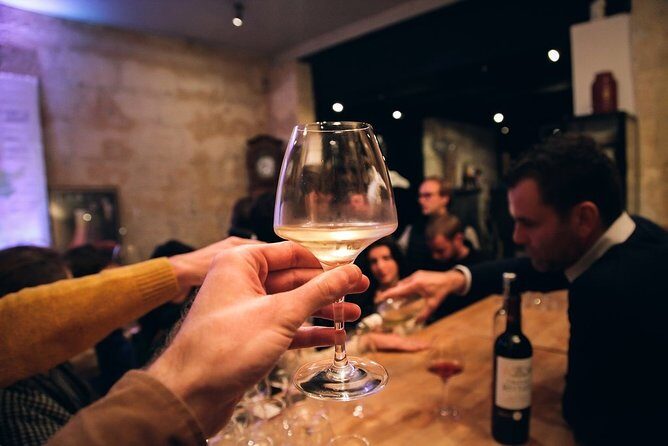
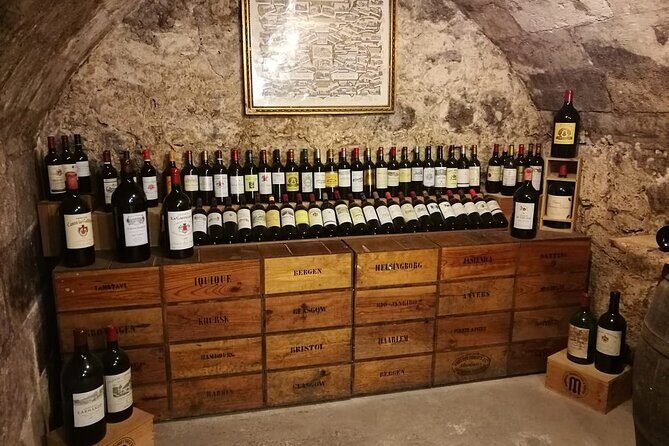
Let’s be clear about what’s included here. You’re paying for admission to the Musée du Vin et du Négoce (the Wine and Trade Museum), plus two wine tastings at the end. That’s genuinely it. No lunch, no additional beverages beyond those two tasting pours, no fancy extras. Everything else—the detailed information, the knowledgeable staff, the location in an actual historic building—comes as part of the package.
The museum opens daily from 10 AM to 6 PM, which means you have plenty of flexibility about when to visit. Most people spend between one and two hours here, though you can move through it faster if you prefer or linger longer if you’re really diving into the details. The experience is self-guided, which means you’re in control of the pace—something that appeals to independent travelers who don’t want to be herded along on a strict schedule.
One important detail: this museum is located near public transportation in Bordeaux, which makes it genuinely accessible whether you’re staying downtown or outside the city center. You won’t need a car, and you won’t need to book a separate transfer.
👉 See our pick of the 15 Top Wine Tours In Bordeaux (With Reviews & Prices)
The Museum Itself: History in Two Cellars
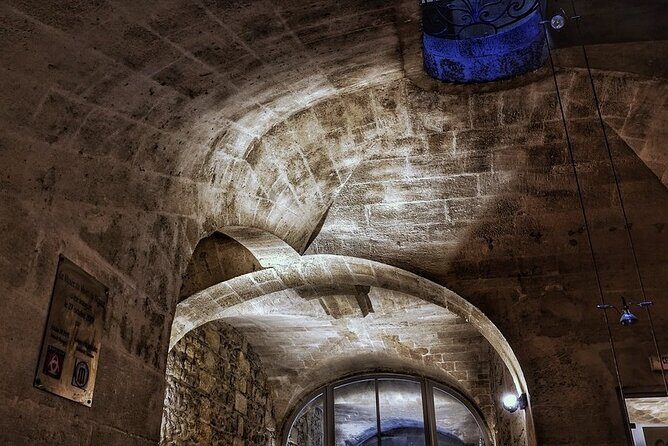
The building housing this museum has a story that matters. It was constructed in 1720 as the headquarters for a royal broker under Louis XV—basically the power broker of the wine world at the time. When you walk into those vaulted cellars, you’re standing in the actual workspace where some of Bordeaux’s most important wine merchants made their deals and aged their wines.
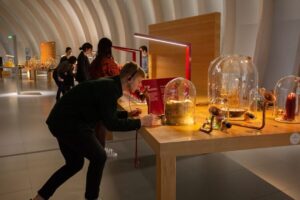
The museum uses those two cellars to tell the story of Bordeaux’s wine trade across three centuries. You’ll find collections of tools used by coopers (barrel makers), displays showing traditional aging practices from the 19th century, and artifacts that trace the careers of the merchant families who built Bordeaux’s wine reputation. There are also archival documents and visual displays explaining how the Chartrons district became the center of the wine trade.
What makes this valuable, beyond just looking at old stuff, is understanding how wine commerce actually worked. One reviewer noted: “I had a better understanding of wine commerce after touring and actually preferred it to the high tech Cite de Vin.” That comment is telling. Sometimes the best way to understand history is to see it in its original context rather than through interactive displays.
The museum provides English guidebooks and English text on displays, which means language isn’t a barrier. You can take your time reading, watching the videos, and examining the collections. The space is small—two connected cellars—so you won’t feel overwhelmed, and you can actually absorb what you’re seeing rather than rushing through something massive.
You can also read our reviews of more tours and experiences in Bordeaux

The Wine Tasting: Where It Gets Really Good
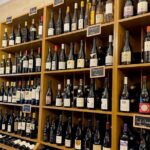
Here’s where this experience genuinely earns its reputation. At the end of your museum visit, you move to the museum’s boutique space for a guided wine tasting. You’ll taste two wines: a Merlot and a Cabernet Sauvignon, which are two of Bordeaux’s most important grape varieties. The staff member leading the tasting will walk you through the differences between these varieties, explain what you’re tasting, and discuss the distinction between “Merchant” wines and “Chateau” wines—a distinction that actually matters when you’re buying wine in Bordeaux.
Multiple reviews emphasize how good this part of the experience is. One traveler said: “The wine tasting was absolutely divine. The staff provided excellent knowledge about the wines.” Another noted: “The person who led it was able to answer lots of questions and give lots of information about the wine produced in Bordeaux as well as the two wines we tasted.”
What’s impressive is that the staff seems genuinely knowledgeable and willing to engage with questions. This isn’t a rushed, assembly-line tasting where you’re hurried through in five minutes. Reviewers mention that staff members spent time answering questions, even providing additional context about different Bordeaux regions, soil types, and climate factors that affect the wines. One family even noted that the staff provided a “scent game for the kids” during the tasting, showing they think about making this engaging for different types of visitors.
The portions aren’t massive—this is a tasting, not a drink-as-much-as-you-want situation—but that’s actually appropriate for the price point and the experience. As one reviewer wisely noted: “Not massively generous in the tastings, but you are in Bordeaux—step outside and find a glass of wine if you just want to drink it.”
The Practical Details That Matter
Timing and Flexibility: This experience is offered multiple times throughout the day, which gives you real flexibility in planning your Bordeaux itinerary. You can fit it in the morning before exploring the city’s architecture, or in the afternoon when you want a break from walking. Most people book about 35 days in advance, but that doesn’t mean you need to—you’re just working with advance availability if you’re planning ahead.
The Self-Guided Aspect: This is worth understanding because it shapes how you experience the museum. You’re not following a tour guide through the space. Instead, you get a printed guidebook and the freedom to spend as much or as little time as you want at each display. Some travelers love this autonomy. Others find it means you can miss details or context that a guide might provide. The good news is that staff are available to answer questions, so if something confuses you or sparks your curiosity, you can ask.
The Building Itself: The museum’s location in actual 18th-century cellars is simultaneously one of its greatest strengths and the source of one common complaint. The humidity and musty smell that one reviewer mentioned isn’t a maintenance issue—it’s an authentic feature of a historic cellar that’s maintained with the humidity needed to preserve wine properly. If you’re sensitive to musty odors, that’s worth knowing. But if you appreciate genuine historical spaces over polished modern museums, this is exactly what you want.
Group Size: The museum is intimate by design. You won’t be part of a large tour group. This means you can move at your own pace and have a more personal experience during the wine tasting, but it also means you won’t have the social energy of a bigger group if that’s something you enjoy.
What Travelers Are Actually Saying: The Real Picture
With 599 reviews and a 4.5-star rating, this experience has substantial feedback to parse. The breakdown tells the story: 476 five-star reviews, 86 four-star reviews, 17 three-star reviews, 12 two-star reviews, and 8 one-star reviews. Most people love this. But let’s look at what the critics say, because that’s where you find useful information.
The one-star review came from someone who confused this museum with a different wine experience (Cin de Vin) and couldn’t get a refund—which is more about booking confusion than the museum itself. The two-star and three-star reviews highlight consistent themes: some people find the museum too small or not interactive enough, and some felt the self-guided format meant they missed context. One reviewer said: “Not a tour…we were given a book and told to look around.”
That’s fair feedback. If you’re hoping for a guided tour through the museum with someone explaining everything, this isn’t that. You get a guidebook and independence. But here’s what’s interesting: the same people often praise the wine tasting portion enthusiastically. Even the critic who wanted more interactivity said: “The wine tasting was worth the price by itself.”
The five-star reviews consistently mention three things: knowledgeable staff during the tasting, good value for money, and appreciation for learning about Bordeaux’s wine trade and history. One reviewer summed it up: “Interesting small museum with very informative explanation of the various wine regions in Bordeaux.” Another said: “An excellent introduction to the Bordeaux wine trade both historically and of recent times.”
What’s also notable is that the museum’s staff actually responds to reviews, acknowledging criticisms and explaining their perspective. When someone complained about the musty smell, they explained that humidity is essential for wine preservation and that the building is designed to maintain it. That kind of engagement suggests they care about the experience beyond just selling tickets.
The Value Question: Is $14.51 Worth It?
At this price point, you need to think about what you’re getting. You’re paying roughly $7 per wine tasting and $7 for museum admission. That’s genuinely inexpensive for Bordeaux. A single glass of wine in most Bordeaux restaurants costs $8-15. Two tastings plus museum admission for $14.51 is objectively good value.
Multiple reviewers specifically mentioned the price: “Very reasonable price,” “Excellent value for money,” “Complimentary bottles of wine in the end was very nice surprise.” That last comment is interesting—some visitors were surprised by additional wines included beyond the advertised two tastings, suggesting the experience sometimes exceeds expectations.
The real value isn’t just in the cost per item, though. It’s in what you learn. If you’re planning to buy wine in Bordeaux—either while you’re there or to take home—understanding the difference between merchant wines and chateau wines, and being able to taste the difference between Merlot and Cabernet Sauvignon, actually changes how you shop. That knowledge is worth more than the ticket price.
You can also read our reviews of more food & drink experiences in Bordeaux


Important Booking Details and Logistics
Cancellation Policy: You can cancel up to 24 hours before your scheduled time for a full refund. That’s genuinely flexible and means you’re not locked in if your plans change. Just make sure you cancel with enough time—the cut-off is based on the museum’s local time, not your time zone.
What to Bring: The information doesn’t specify, but it’s worth noting that the museum is in cellars, which means it will be cooler than outside. You might want a light jacket even in summer. Also, bring reading glasses if you use them—the museum has wall text in small fonts.
Language: The experience is offered in English, with English guidebooks and English explanations on displays. Staff speak English fluently based on reviews. If you speak French, that’s a bonus, but it’s not necessary.
Accessibility: The museum notes that “most travelers can participate,” which suggests there may be some physical limitations (cellars, stairs, uneven floors), but nothing that would exclude most people. If you have mobility concerns, it’s worth checking with the museum directly at [email protected] or +33556901913.
How This Compares to Other Wine Experiences in Bordeaux
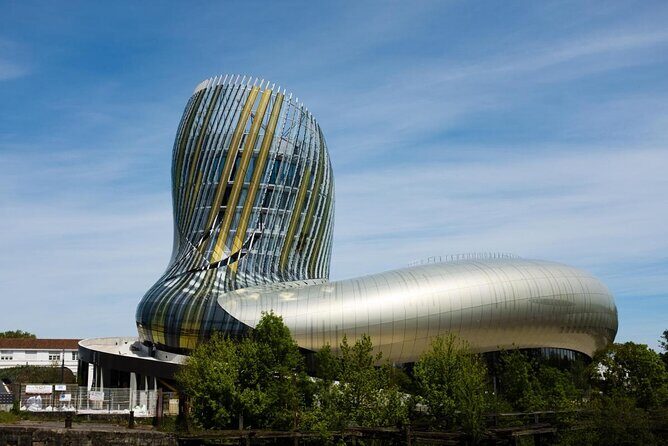
You’ll notice that similar tours in Bordeaux often involve trips to chateau vineyards outside the city, half-day excursions to Saint-Emilion, or visits to the Cité du Vin (a newer, high-tech wine museum). This museum is different—it’s a city-based, history-focused experience that doesn’t require transportation beyond Bordeaux’s public system.
One reviewer specifically compared it to the Cité du Vin: “I had a better understanding of wine commerce after touring and actually preferred it to the high tech Cite de Vin. I would see both.” That’s a meaningful endorsement. The Cité du Vin is flashier and more modern, but this museum offers something the other can’t: actual history in an actual historic space.
If you have limited time in Bordeaux (say, just a morning or afternoon), this is more practical than the full-day chateau tours. If you’re interested in wine business and trade history rather than vineyard touring, this is more relevant. And if you want to stretch your budget, this is significantly cheaper than the alternatives.
Final Thoughts: Who Should Book This?
You should book this if: You’re genuinely curious about wine and want to understand how the business works, you have a couple of hours in Bordeaux and want to spend them learning something useful, you appreciate authentic historical spaces over polished modern museums, you’re on a budget but don’t want to skip wine education, or you’re planning to buy wine in Bordeaux and want to make informed decisions.
You might want to skip this if: You need a guided tour experience where someone walks you through everything, you can’t tolerate musty smells in old buildings, you’re looking for a party-atmosphere wine tasting, or you’re short on time and need something that takes less than an hour.
The bottom line: This is a genuinely good experience that delivers honest value. You’re not paying for marketing or fancy presentation—you’re paying for access to real history, real knowledge, and real wine. The staff cares about the experience, the reviews are overwhelmingly positive from people who understand what they’re getting, and the price is fair. If you’re in Bordeaux and have a couple of hours, this deserves to be on your list.
Bordeaux Wine and Trade Museum Admission Ticket with Wine Tasting
Frequently Asked Questions
Q: Is this a guided tour or self-guided?
A: It’s self-guided. You receive an English guidebook and can move through the two cellars at your own pace. However, staff members are available throughout to answer questions, and the wine tasting portion at the end is guided by a knowledgeable staff member who explains the wines and takes questions.
Q: What exactly is included in the $14.51 price?
A: Museum admission and two wine tastings (one Merlot, one Cabernet Sauvignon). Food and additional beverages are not included, though some reviewers mentioned receiving small complimentary items like chocolate.
Q: How long does this experience actually take?
A: The stated duration is 1 to 2 hours. You can move through faster (some reviewers mentioned 45 minutes) or slower depending on how much time you spend reading the displays and watching videos. The wine tasting itself takes about 20-30 minutes.
Q: Do I need wine knowledge to enjoy this?
A: No. The wine tasting is specifically designed to teach you the differences between grape varieties and types of Bordeaux wines. Many reviewers mentioned learning a lot despite having no prior wine expertise.
Q: What’s this about a musty smell in the cellars?
A: The museum is housed in authentic 18th-century wine cellars that maintain humidity to preserve wine properly. This creates a musty, cellar-like smell that some visitors find atmospheric and others find unpleasant. It’s not a cleanliness issue—it’s a feature of the historic building.
Q: Can I cancel if my plans change?
A: Yes. You can cancel up to 24 hours before your scheduled experience time for a full refund. Cancellations made less than 24 hours before are non-refundable.
Q: Is this experience suitable for children?
A: The experience is self-guided, which works well for families who can move at their own pace. One reviewer mentioned that staff provided a scent game for children during the wine tasting, suggesting they’re family-friendly. However, the wine tasting itself is alcohol-based (though non-drinkers received grape juice according to one review).
Q: How do I get to the museum from central Bordeaux?
A: The museum is near public transportation, so you can reach it by bus or tram from anywhere in the city. The exact directions depend on where you’re staying, but the museum can provide specific transit information when you book.