Casa Batllo with Children: Is It Worth It?

My eight-year-old grabbed my arm in the main salon and whispered, “Mum, we’re inside a dragon.” She’d worked it out before the audioguide told her. The ceiling curves like a ribcage. The walls ripple like scales. The window looks like an eye. Gaudi designed Casa Batllo as a living creature, and children figure it out in seconds flat.
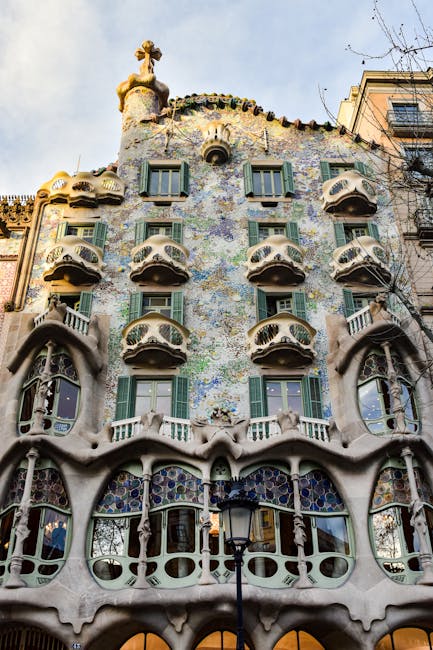
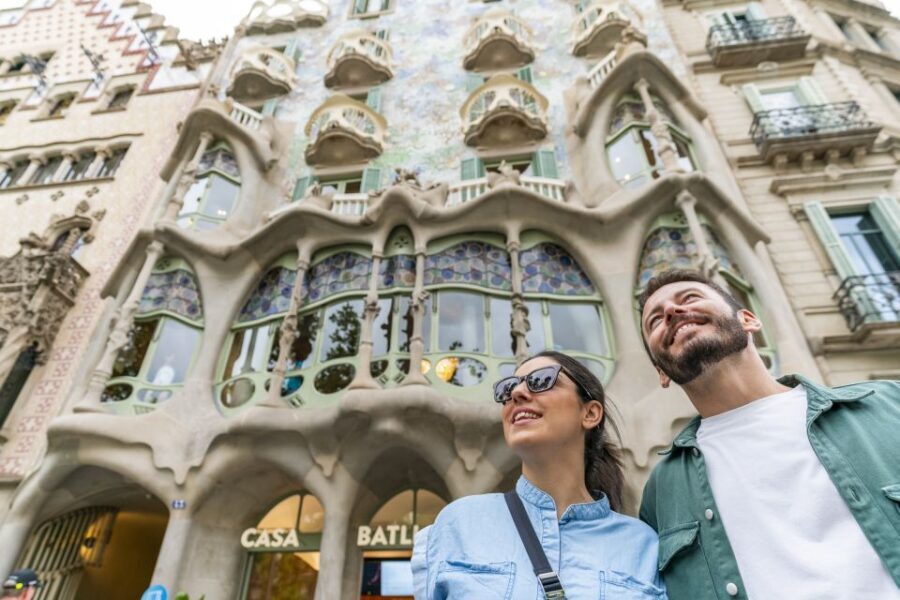
Ornate Casa Batllo facade on Passeig de Gracia Barcelona
The facade alone stops people in the street. Locals call it “the house of bones” because the balconies look like skulls and the columns look like leg bones. My kids thought this was brilliant. One said it was “a haunted house but pretty.” The building sits right on Passeig de Gracia between two perfectly normal apartment blocks, which makes it look even more extraordinary.

Here’s the best bit for families: children under 12 go free. Completely free. No reduced rate, no child ticket — just free entry with a paying adult. In Barcelona, where everything seems to cost a fortune, that’s genuinely remarkable.

But Casa Batllo divides opinion when it comes to kids. Some families call it the highlight of their trip. Others say it’s not suitable for young children. Both are right. It depends entirely on your child’s age, temperament, and how you approach the visit.
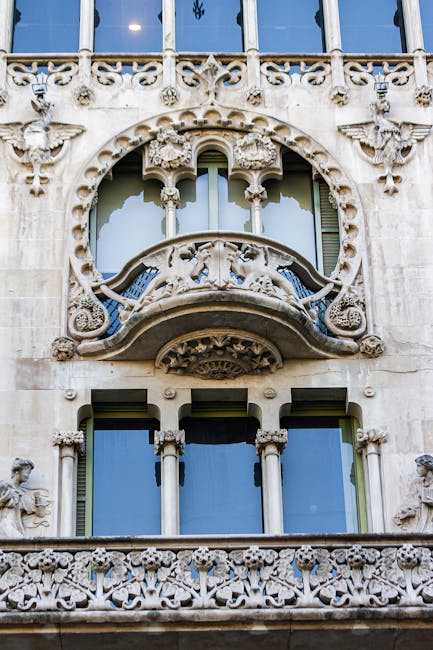
Skull-shaped balcony masks on the facade of Casa Batllo
Those “skull” balconies are actually bone-shaped iron railings. From the street you can see them for free, and if your kids are very young (under 4), this might be enough. The exterior is genuinely the most photographed building on Passeig de Gracia. We spent ten minutes just standing across the road looking up before we even went inside.

Short on Time? Here Are Our Top Picks

Casa Batllo Entry with Self-Audioguide — $34
The standard visit. Augmented reality guide makes the building come alive for older kids. Under-12s free.
Book Now
“Be The First” Early Entry — $53
Empty rooms before the crowds arrive. Worth it if your kids can handle a 9am start.
Book Now
Casa Batllo Admission via Viator — $54
Same building, different booking platform. Intelligent audioguide included.
Book Now

Is Casa Batllo Suitable for Kids? (Honest Answer)
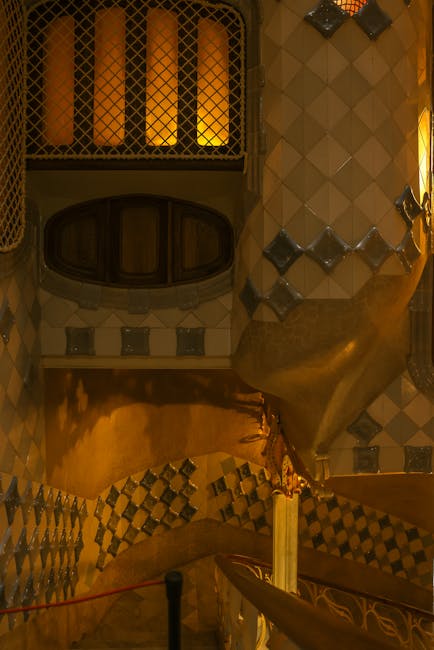
Flowing organic interior design inside Casa Batllo by Gaudi
The interior is stunning but it is a residential house — rooms are not huge. Toddlers who need to run will struggle here. There are roped-off areas, fragile-looking furniture, and staff who (understandably) get nervous when small hands reach for things. If your children are under 4, you might spend more time saying “don’t touch” than actually enjoying the architecture.

Here’s what I tell other parents: Casa Batllo is brilliant for children aged 5 and up. The augmented reality audioguide turns the visit into something genuinely interactive — they hold up a device and see the rooms come alive with animations. Dragons, butterflies, rain. Kids love it.

For under-5s, it’s hard work. The building is a residential house. Rooms are small. There are fragile objects everywhere. No space to run. If your toddler is in a touching-everything phase, you’ll spend the whole visit stressed. I’d skip it with under-4s unless they’re exceptionally calm.

The rooftop is the highlight for every age group. Even the toddler who was driving me mad on the first floor completely forgot about touching things when she saw the dragon-spine chimney tiles. Something about being outdoors with all those colours resets the mood.
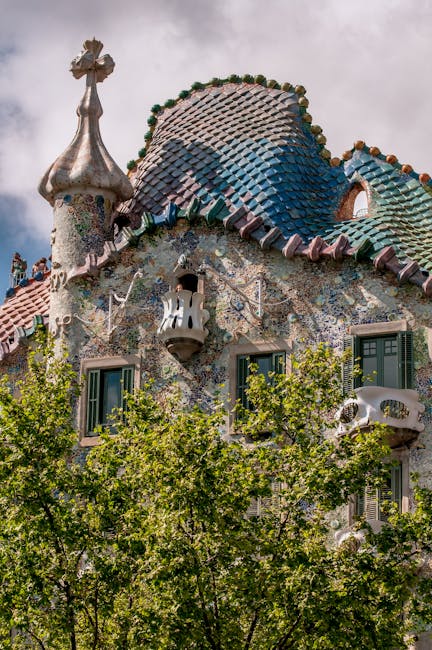
Dragon-spine tile rooftop of Casa Batllo Barcelona
The rooftop is the moment. These tiles are meant to be the spine of a dragon — the whole building tells the story of Saint George slaying the beast. The cross at the peak is Saint George’s sword, the roof is the dragon’s back, and the balconies below are the bones of its victims. My kids thought this was the best story Barcelona had to offer. They weren’t wrong.

What It’s Like Inside with Children

Swirling wave-like ceiling design inside Casa Batllo
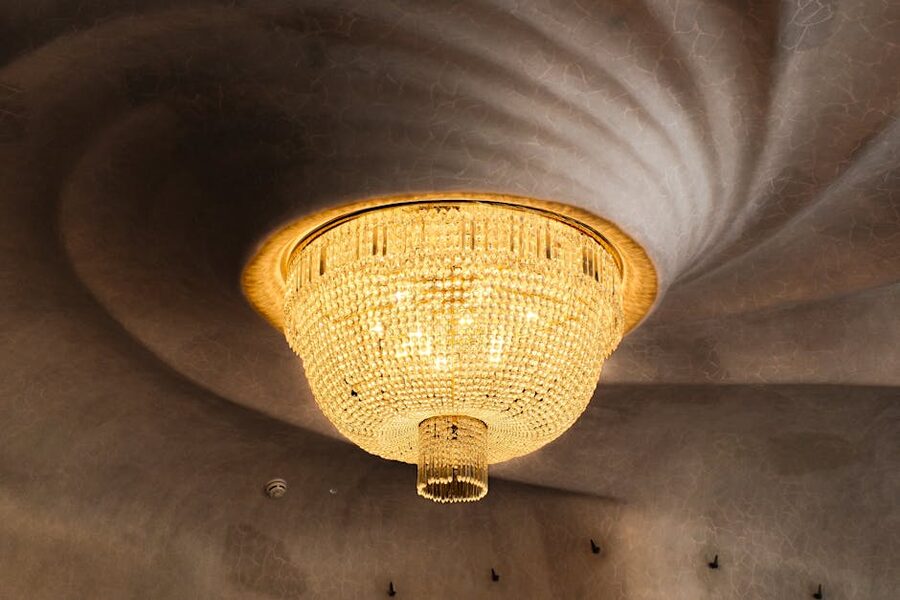
Every ceiling in the building is different. This one swirls like a whirlpool. The audioguide’s augmented reality makes water appear to pour across these surfaces, which had my eight-year-old standing with her mouth open for a solid minute. Without the audioguide, it’s still beautiful — but with it, the building genuinely comes alive.

The visit follows a one-way route through the building, from the ground floor up to the rooftop. You can’t skip ahead or double back, which is actually good with kids — no arguments about where to go next.

The main salon on the first floor (what Gaudi called the “noble floor”) is where the dragon story becomes clear. The ceiling undulates like the inside of a creature. The window facing Passeig de Gracia is an enormous eye. The fireplace nook has a mushroom-shaped seat that children are allowed to sit on — one of the few things they can actually touch, and they’ll remember it.
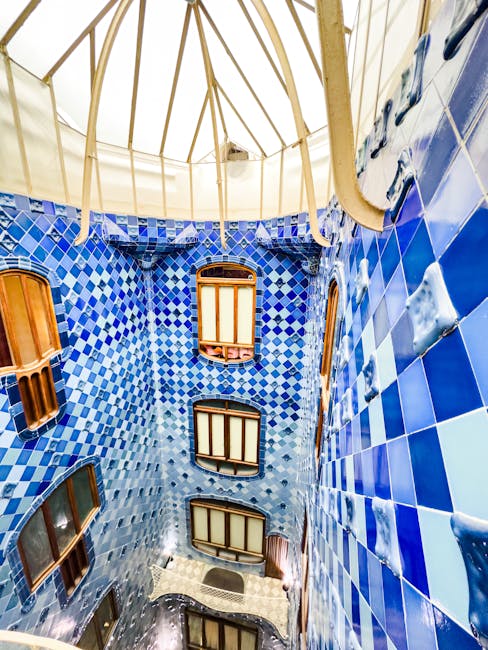
Blue tiled light well inside Casa Batllo with gradient colours
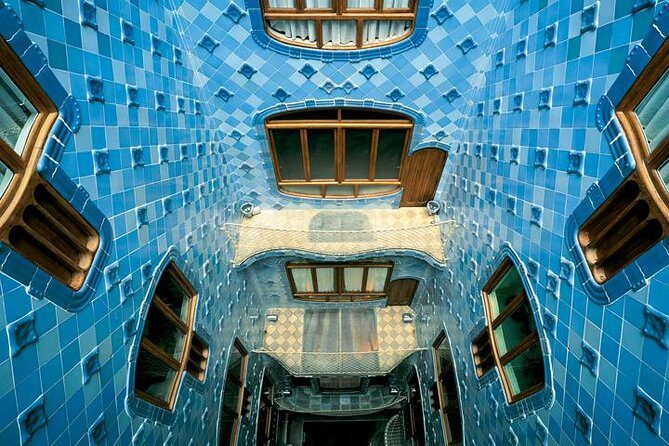
The central light well is one of Gaudi’s cleverest tricks. The tiles change colour from dark blue at the top to white at the bottom, so that natural light distributes evenly through every floor. The windows also get bigger as you go down. It’s genius engineering disguised as decoration. Older kids who’ve studied light and colour at school will immediately understand why it works.

The light well in the centre of the building is extraordinary. Gaudi lined it with tiles that graduate from dark blue at the top to pale blue and then white at the bottom. This distributes light evenly through every floor. The windows also change size — bigger at the bottom where less light reaches. It’s engineering disguised as art, and it’s the kind of detail that older children genuinely appreciate.
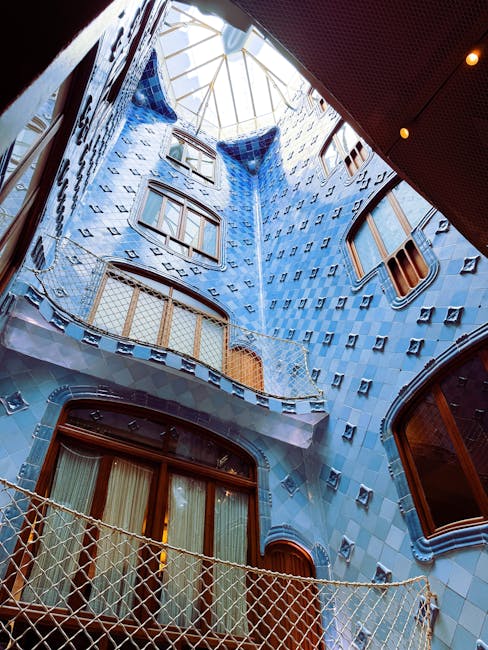
Blue-tiled patio courtyard inside Casa Batllo
The patio courtyard is a moment of calm in the middle of the visit. Blue tiles surround you on all sides and the light from above creates this extraordinary aquatic feeling — like being at the bottom of a swimming pool. The kids quietened down here instinctively. Something about the blue light and the enclosed space made everyone whisper.
Organic curved design detail in Gaudi architecture
Nothing in Casa Batllo is straight. Not a single right angle in the entire building. Gaudi famously said “there are no straight lines in nature” and he meant it. Every wall curves, every doorframe bends, every ceiling ripples. Children notice this immediately — my son kept saying “this building is bendy.” He’s not wrong. It is bendy. Deliberately, beautifully bendy.

The attic has white parabolic arches that look like the inside of a whale’s ribcage. Children always notice this — they’ll say it looks like bones or a cave or an animal. They’re right. Gaudi designed it from the skeleton of a snake, and the resemblance is unmistakable.
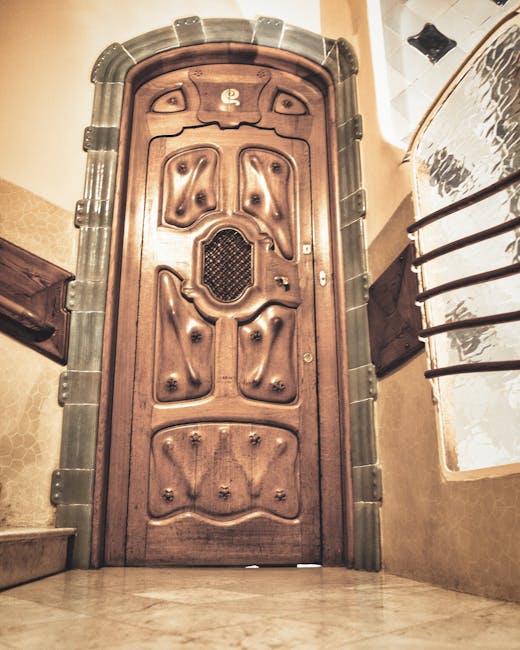
Organic curved door handle designed by Gaudi
Even the door handles are designed to fit the human hand perfectly. Gaudi made plaster casts of his own hands to shape them. You can actually hold these on the way through — one of the rare touchable things in the building. My daughter said it “felt like holding someone’s hand” which is both lovely and slightly creepy. Classic Gaudi.

The Audioguide: Is It Worth It for Kids?
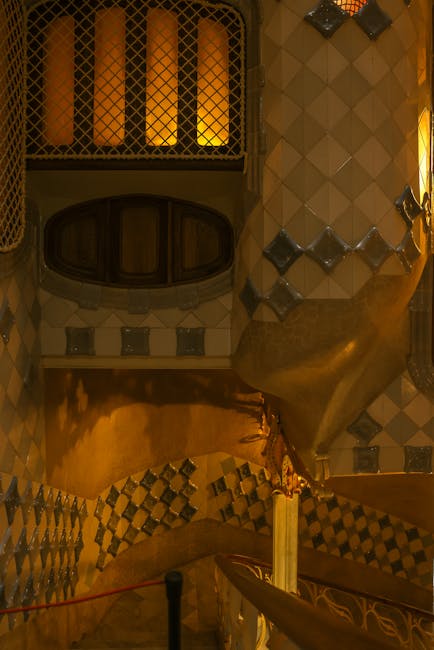
Ornate iron window guard on Casa Batllo facade
Details like this ironwork are everywhere but easy to miss without guidance. The augmented reality audioguide highlights things you’d walk straight past — hidden creatures in the metalwork, optical illusions in the tile patterns, the way every single surface references the sea or nature. For kids aged 6 and up, it transforms the visit from “nice house” to “interactive treasure hunt.”

The standard ticket includes the audioguide and it’s included in every option — you don’t pay extra for it. It uses augmented reality on a handheld device. Point it at a room and the space transforms: rain falls from ceilings, butterflies emerge from walls, the dragon comes alive on the rooftop.

For children aged 6 and up, it’s genuinely brilliant. They hold the device, they control the experience, they feel involved. It’s like a video game crossed with a museum visit. My eight-year-old rated it higher than Park Guell specifically because of the audioguide.

For under-6s, the device is too complicated and the augmented reality won’t hold their attention. Skip the audioguide with toddlers and just let them look at the building with their own eyes. The colours and shapes are enough.

The Best Tickets for Families
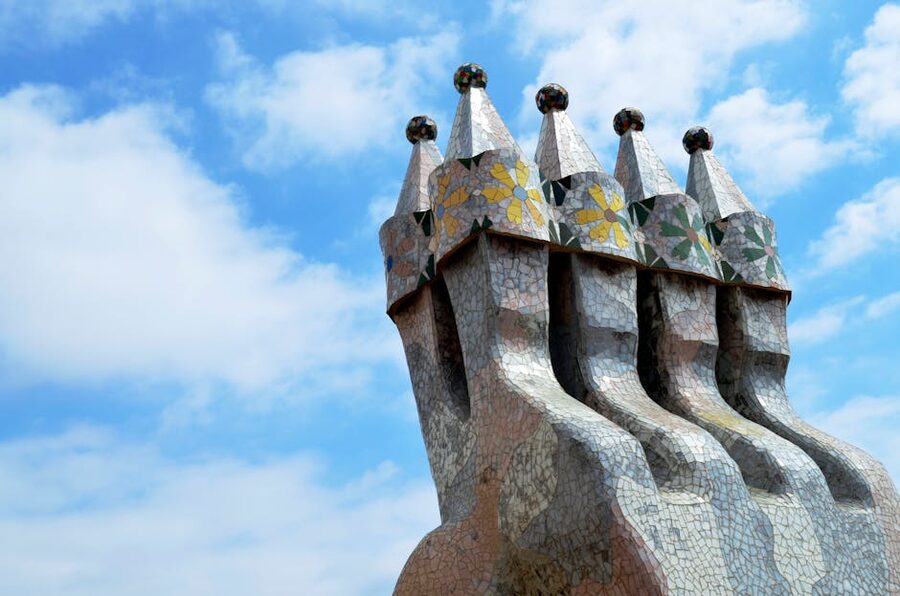
Colourful mosaic chimneys on a Gaudi rooftop
Gaudi’s chimneys are some of Barcelona’s most photographed objects. The ones on Casa Batllo are covered in mosaic tiles and each one is different — some look like soldiers, some like mushrooms, some like abstract sculptures. The rooftop is where you want to spend the most time with kids. It’s outdoors, colourful, and they can move around without anyone panicking about breakages.

1. Casa Batllo Entry with Self-Audioguide — $34
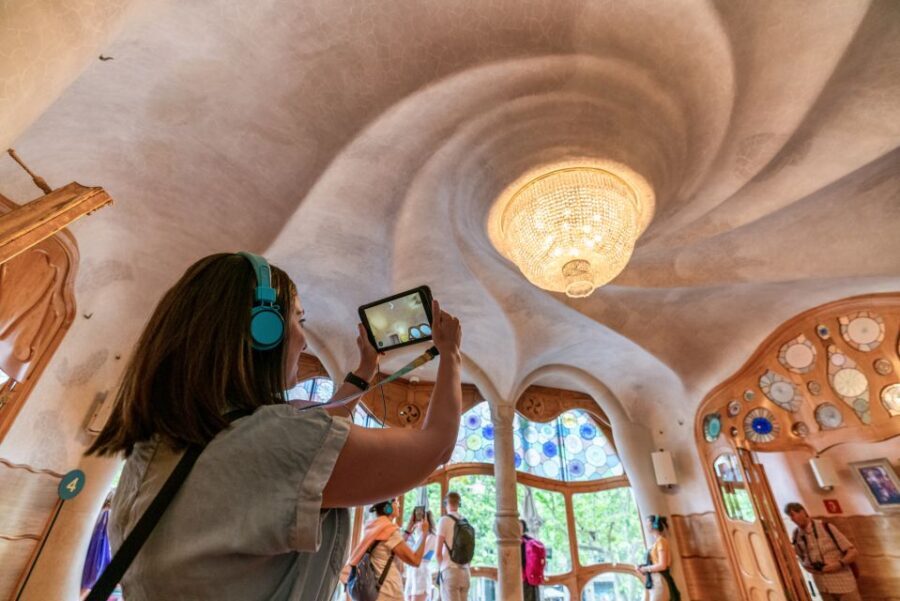
Casa Batllo entry with audioguide tour
The standard entry is the one most families should book. Under-12s go free, which makes this excellent value — a family of two adults and two children under 12 pays just $68 total. The augmented reality audioguide is included and it’s available in 15 languages. Download it before you arrive to avoid faffing with WiFi in the entrance hall.

The standard visit with over 25,000 reviews and a 4.7 rating. Self-paced audioguide with augmented reality, full access from ground floor to rooftop. Children under 12 enter free — that’s the detail that makes this outstanding family value. Our full review covers the tech experience and how the audioguide keeps older kids engaged throughout.

2. “Be The First” Early Entry — $53
Casa Batllo Be The First early entry ticket
Early entry means empty rooms. If your children struggle with crowds or you want photos without strangers in every shot, this is worth the premium. You get in before regular ticket holders and have the building almost to yourselves for the first 30 minutes. With small children who need space and quiet, this changes the entire experience.

Early access before the general public arrives. Rated 4.8 stars by visitors who love having the building to themselves. The premium is about $19 more per adult — no extra for under-12s since they’re free anyway. Check our review for what makes the early access special. Best for families who want a calmer, less crowded experience.

3. Casa Batllo Admission via Viator — $54
Casa Batllo admission with intelligent audioguide
Same building, same audioguide, different booking platform. Viator sometimes has better cancellation policies, which matters when you’re booking family trips months in advance. Check both platforms and go with whichever offers the best flexibility for your dates. The experience is identical once you walk through the door.

The same Casa Batllo experience booked through Viator. Over 3,000 reviews with a 4.5 rating. Includes the intelligent audioguide. Our review compares this option with the GYG alternatives. Worth checking if Viator’s cancellation terms suit your travel plans better.

Practical Tips for Families
Children playing in a sunny plaza in Barcelona
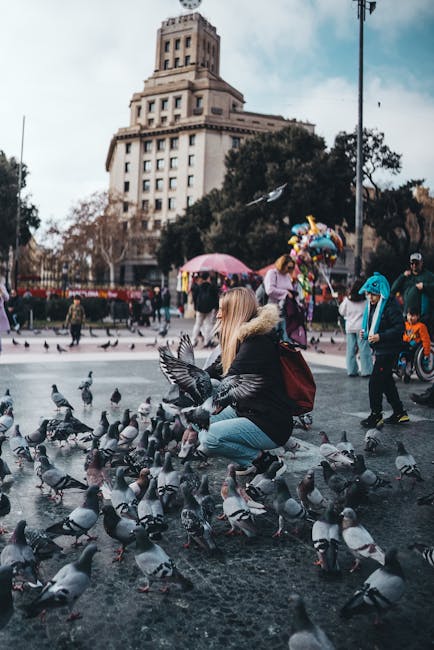
Plan a playground break before or after. There’s a small plaza with benches about two blocks south on Carrer d’Arago where children can decompress. Casa Batllo is a “look but don’t touch” experience for kids and they’ll need somewhere to let loose afterwards. We made the mistake of going straight to La Pedrera afterwards and the kids were done with “nice buildings” by that point.
Aerial view of Barcelona Eixample grid intersection
Casa Batllo sits right in the heart of the Eixample grid. This neighbourhood is the most family-friendly part of Barcelona for walking — wide pavements, shaded by trees, with playgrounds dotted every few blocks. After the intensity of a Gaudi house visit, just walking the grid and looking up at building facades is exactly the kind of low-key activity tired kids can handle.

No buggies inside. You’ll need to leave buggies in the entrance area. There’s a small cloakroom but no guarantee of space. If you have a baby, bring a carrier. The building has a lift between floors but it’s small and not always available for visitors.

Time required. Allow about 60-90 minutes. With the audioguide and the rooftop, most families spend about an hour. Without the audioguide (toddler mode), you can be through in 30-40 minutes.

Best time to visit. First thing in the morning or late afternoon. Midday is packed. The “Be The First” ticket solves this if your family can handle an early start.

Toilets. There are loos inside the building. Clean and accessible.
Outdoor cafe terrace on a Barcelona street with diners
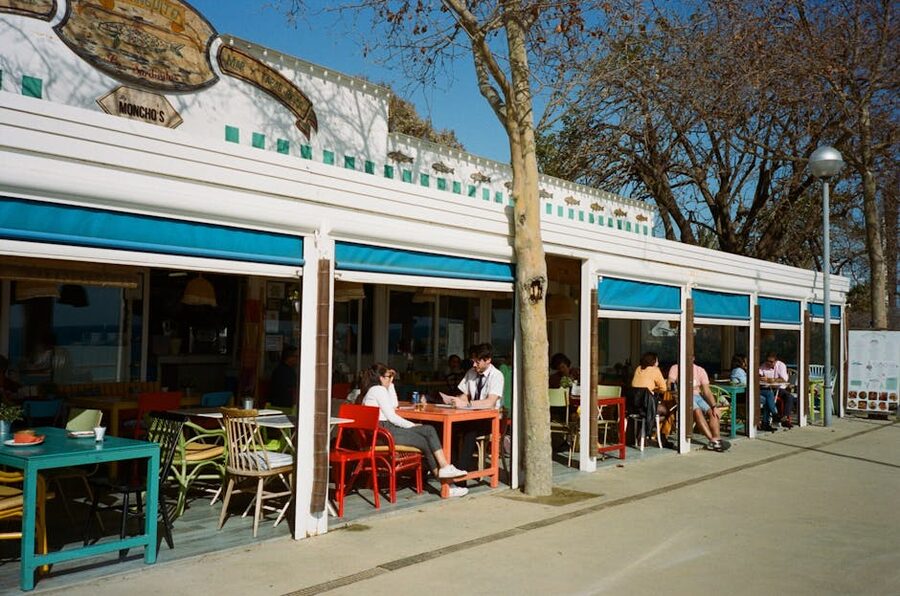
Passeig de Gracia has plenty of cafes for a post-visit treat. We found a great spot two doors down where the kids had hot chocolate and we had coffee, sitting outside and looking back at the building. Budget about 5-6 euros per person for drinks. The touristy restaurants directly opposite are expensive — walk one block down for better prices.
Gelato ice cream display in a Barcelona shop
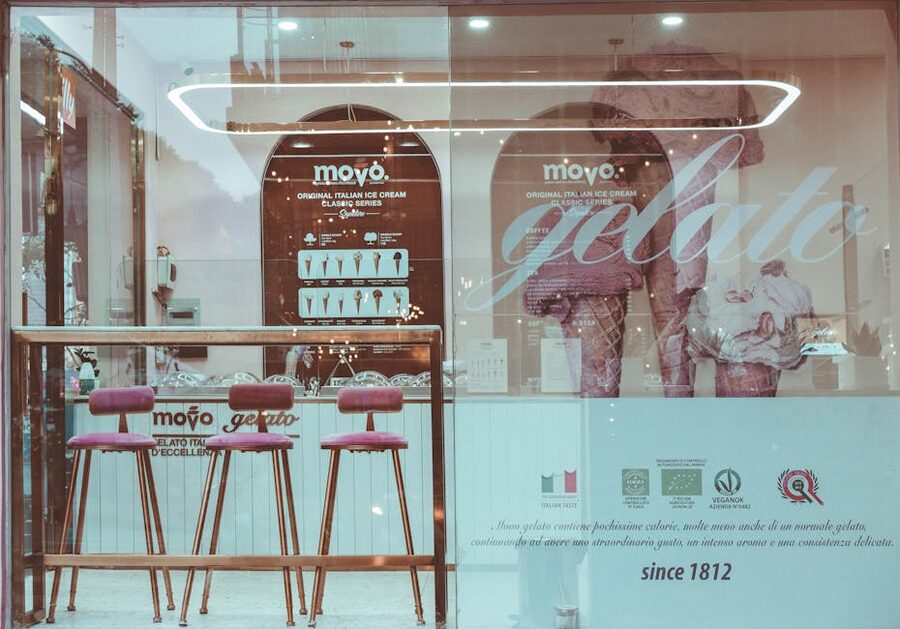
Ice cream after Casa Batllo is basically mandatory. There’s a Rocambolesc on Passeig de Gracia (two minutes from the exit) that does extraordinary ice cream — it’s owned by one of the Roca brothers, whose restaurant has three Michelin stars. The kids won’t care about that but they’ll care about the toppings. Budget 4-5 euros per ice cream.

Dress code. No specific requirements, unlike Sagrada Familia. Trainers are fine. The rooftop can be windy, so bring a light layer even in summer.

The gift shop. It’s on the ground floor as you exit. Expensive but has beautiful things — mosaic-print scarves, Gaudi design books, and small dragon figurines that my daughter carried around for the rest of the holiday.

The Saint George and the Dragon Story
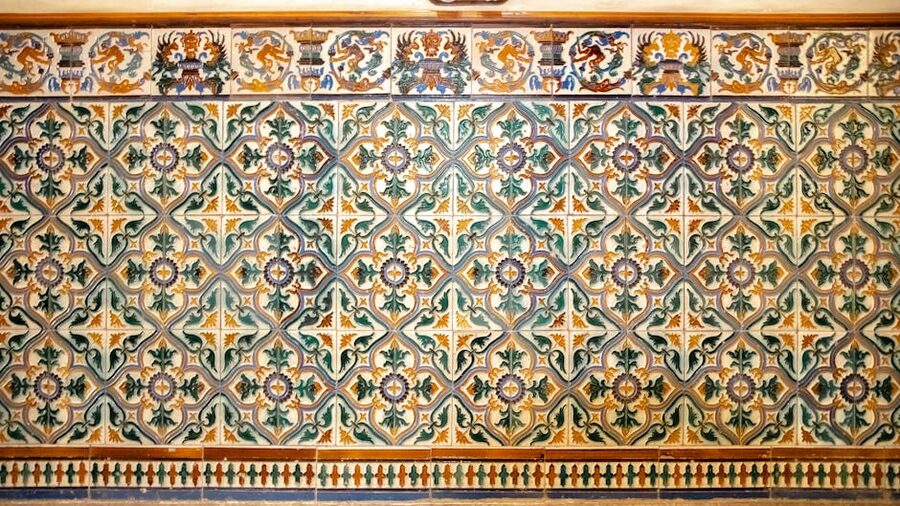
Colourful Spanish tile pattern close-up
Tiles like these tell stories throughout Barcelona. Casa Batllo is the story of Saint George (Sant Jordi) — patron saint of Catalonia — slaying a dragon. The whole building is the dragon. The roof is its back. The cross is the knight’s sword. The bones on the facade are the dragon’s victims. Once you know the story, you can’t unsee it.

The whole building tells the story of Saint George — Sant Jordi in Catalan — slaying a dragon. This is Catalonia’s most beloved legend, their version of England’s Saint George but with more flowers and more architecture.

Gaudi encoded the story into every element. The roof is the dragon’s scaly back. The cross on top is Saint George’s sword, plunged through the dragon’s spine. The balconies are the skulls and bones of the dragon’s victims. The columns on the ground floor are the beast’s legs.

Children love this. It turns the entire visit into a story hunt. “Where’s the dragon? Where are the bones? Where’s the sword?” My son spent the whole time looking for dragon parts and found things I’d completely missed — like the way the staircase bannister feels like a dinosaur’s spine.
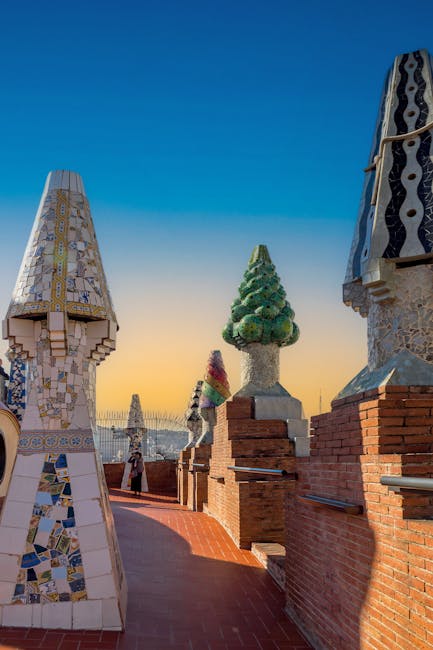
Colourful mosaic chimney on a Gaudi rooftop in Barcelona
Gaudi’s chimneys always look like characters. The ones at Casa Batllo are meant to be the dragon’s guards — watching over the rooftop with their mosaic helmets. Each one is different. Some look friendly, some look menacing. The kids named them all. I can’t remember the names now but there was definitely a “Dave” in there somewhere.

Casa Batllo vs La Pedrera: Which for Families?
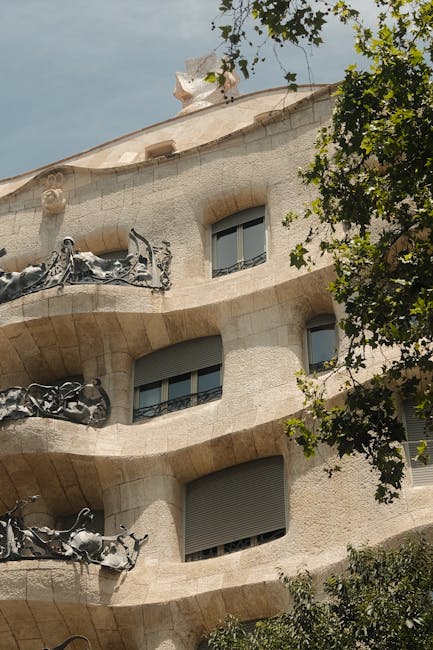
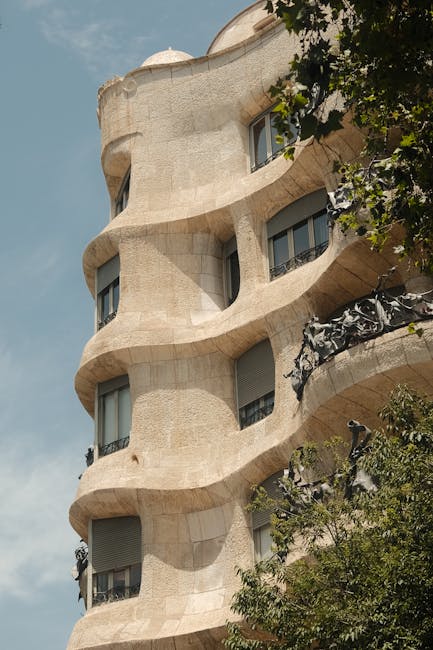
Wavy stone facade of La Pedrera Casa Mila in Barcelona
La Pedrera (Casa Mila) is just 400 metres up the same street. If you can only do one Gaudi house, do Casa Batllo with kids. It has the dragon story, the augmented reality, and the free child entry. La Pedrera is more architectural and less narrative — beautiful for adults, but children connect more with the story-driven experience at Casa Batllo.

This comes up constantly. Both are Gaudi houses on Passeig de Gracia, about 400 metres apart. Both are worth visiting. But if you can only do one with children, here’s my take.

Casa Batllo wins for families. The dragon story gives kids a narrative thread. The augmented reality audioguide keeps them engaged. And children under 12 go free, which makes it dramatically better value. La Pedrera charges for everyone.

La Pedrera is the more “architectural” experience. The rooftop with its warrior chimneys is spectacular, and the attic exhibition about Gaudi’s methods is genuinely interesting for older teenagers. But it lacks the storytelling element that makes Casa Batllo click with younger children.

If your kids are under 10: Casa Batllo only. If they’re over 10 and interested in design: do both.
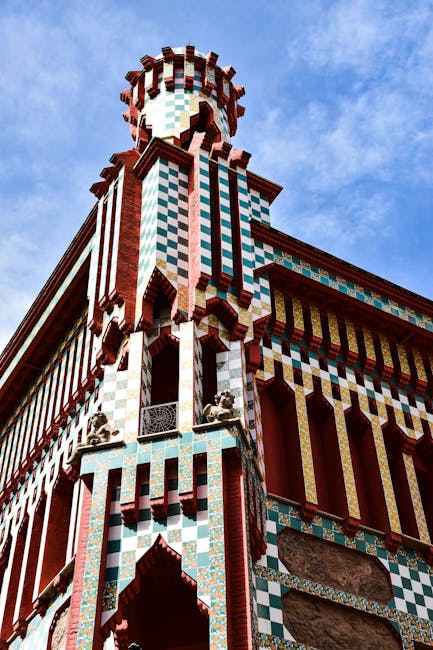
Ornate Modernisme building facade in Barcelona Eixample district
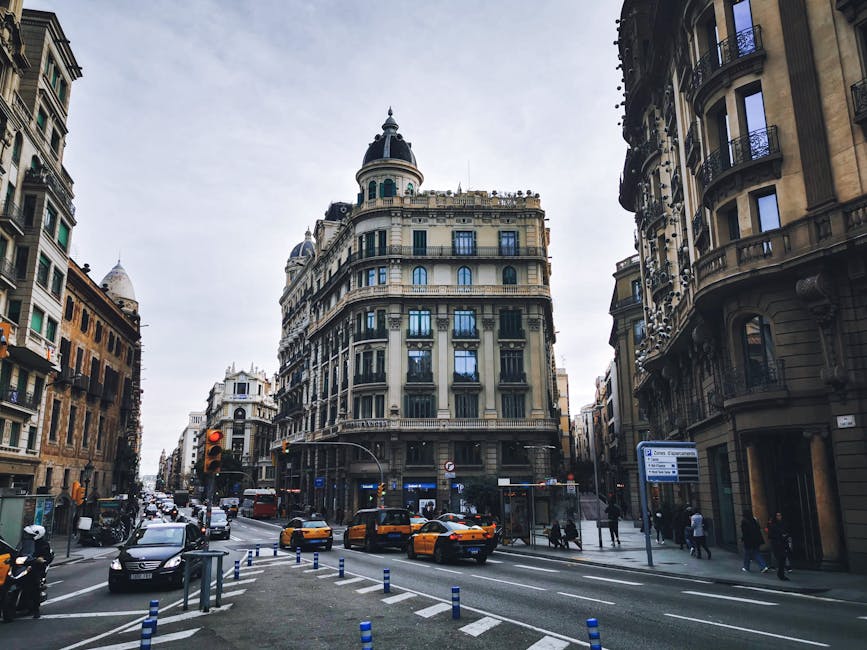
The Eixample is full of Modernisme buildings — not just Gaudi. Walk between Casa Batllo and La Pedrera and you’ll pass a dozen ornate facades designed by Gaudi’s contemporaries. My kids started pointing at every decorated building saying “is that one Gaudi too?” Mostly not — but the fact they were looking up at architecture instead of down at their shoes was a parenting triumph.

Getting There

Barcelona Metro underground station platform
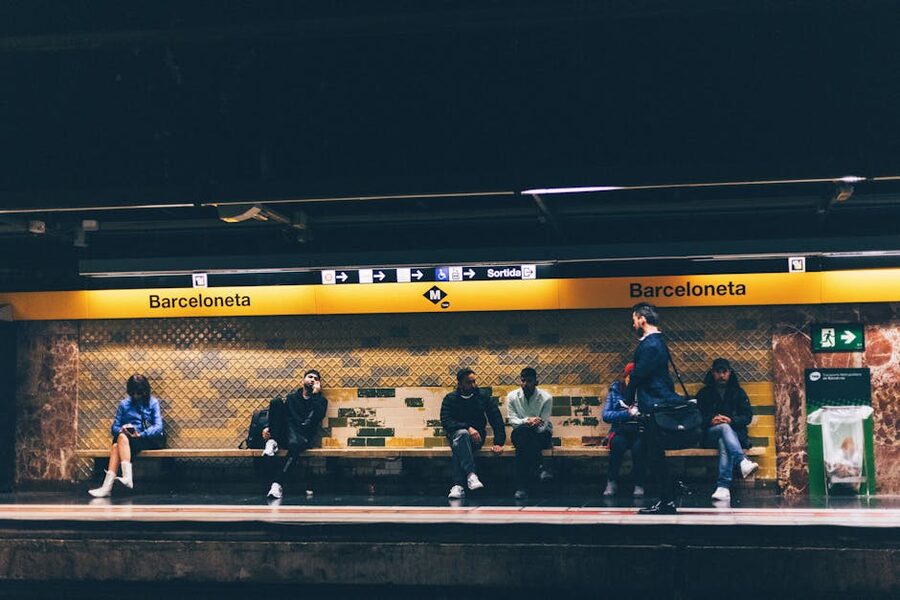
Passeig de Gracia Metro station is directly below the building. Lines L2, L3, and L4 all stop here. Come up the escalators, turn left, walk 30 seconds, and you’re at the entrance. With kids, this is the easiest approach in the city. No buses, no walking, no arguments about who’s tired.

Passeig de Gracia Metro station (L2, L3, L4) is right underneath the building. You come up the stairs and Casa Batllo is right there. It’s the most convenient Gaudi attraction to reach in the entire city.

If you’re walking from the Gothic Quarter, it’s about 20 minutes along Via Laietana and then up Passeig de Gracia. A pleasant walk with older children, though the last stretch is uphill.
Passeig de Gracia illuminated in the evening Barcelona
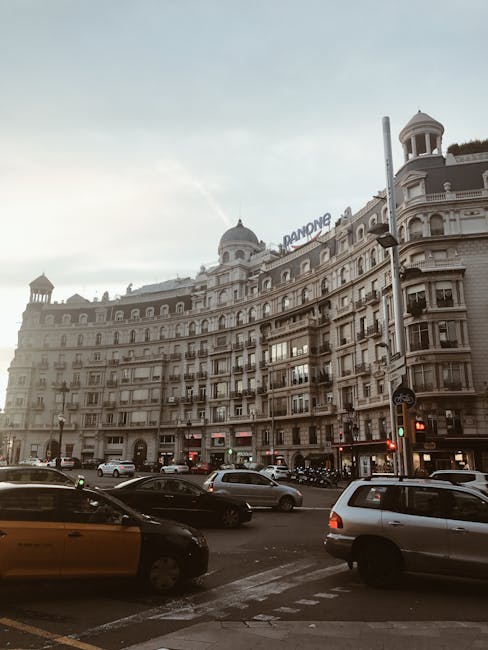
Passeig de Gracia at night is worth a wander. Casa Batllo is lit up in changing colours and you can see the facade details you missed during the day. If the kids are still awake after dinner (big if, I know), a ten-minute evening stroll past the illuminated buildings is a lovely way to end a Barcelona day. Free, too.

More Barcelona Family Guides

Barcelona building balcony decorated with flowers
Every corner of Barcelona has something worth looking at. The balconies, the tilework, the iron railings — Gaudi’s influence is everywhere. Once your kids learn to spot Modernisme at Casa Batllo, they’ll see it on every street. Turn the whole city into a treasure hunt. It’s free, it’s educational, and it keeps them walking without complaining.

If the dragon story at Casa Batllo captivated your lot, Sagrada Familia with kids is the natural next step — Gaudi spent his entire life on it and the interior is the most extraordinary space in Barcelona. Park Guell for families takes the Gaudi experience outdoors, with room to run and mosaics to explore across an entire hilltop. Both are within easy Metro distance from Casa Batllo. For a completely different kind of day, the Barcelona Aquarium has a shark tunnel that keeps even the most Gaudi-fatigued child mesmerised, and the Hop-On Hop-Off bus is the lazy-parent lifesaver for seeing everything without anyone’s feet hurting.