
I came away loving how this Champagne and Reims day trip turns a long travel day into something focused and easy. You start with hotel pickup, then head straight to Épernay and Reims, with guided stops that explain both the history and the wine, not just the scenery.
Two things I like a lot: first, the small group size (max 24) usually means you get more hands-on attention during tastings. Second, you get a real mix of experiences, from big-name Champagne houses to family-style visits, plus views over the vineyards and a 3-course lunch that keeps you fueled for the long day.
One consideration: it’s a full 10 to 12 hours, and the day runs on a schedule. If you hate long drives or you need lots of downtime, plan for a slower evening back in Paris.
- Key things to know before you go
- Paris to Champagne in one day: how this trip actually feels
- Value check: is 2.23 worth it?
- Small group (max 24) and guides: the secret sauce
- First stop: Épernay and the grand house tasting experience
- Avenue de Champagne: the walk that makes the region feel real
- Second tasting stop: a local or family-owned Champagne house
- Hautvillers Abbey area: vines and grape varieties
- Scenic viewpoints in the Champagne region
- Reims and Notre-Dame de Reims: the cathedral stop you’ll remember
- Lunch in the Montagne de Reims area: fueling a long day
- Cellars are cold: what to pack for the Champagne houses
- Drinking age, nonalcohol options, and staying comfortable
- What tastings you can expect (and the fun surprises)
- Who this trip is best for
- Timing, meeting logistics, and smooth pickup
- Rain, crowds, and how the day handles it
- Cancellation policy: what your risk looks like
- Should you book the Champagne and Reims day trip from Paris?
- FAQ
- What time does the tour start?
- How long is the Champagne and Reims day trip?
- Do they pick you up from your hotel in Paris?
- How many people are in the group?
- Is Champagne tasting included?
- What kind of lunch is included?
- What Champagne houses might you visit?
- What should I bring for the cellars?
- What is the cancellation policy?
Key things to know before you go
- Hotel pickup and drop-off: door-to-door convenience for a long countryside day.
- Reims UNESCO stop + cathedral visit: not just wine, but the French coronation story tied to Notre-Dame de Reims.
- Two Champagne formats are common: you’ll see both large producers and smaller estates (based on availability).
- Tastings plus a cellars tour: the tour style is designed around how Champagne is actually made.
- Vineyard and viewpoint time: you’ll get at least one scenic pause high in the Champagne region.
- Cold caves warning: cellars can be around 45°F / 10°C, so pack a layer.
Paris to Champagne in one day: how this trip actually feels
This is the kind of day trip that works best when you’re ready for pace. You leave Paris early (start time is 8:00 am) and you’ll spend close to two hours getting to the Champagne region, then about another two hours back, depending on traffic. On paper that sounds like a lot of driving, but the trip fills that time with structured stops: Épernay streets, cellars, Reims sights, and then the regional lunch area.
The big quality here is that your time isn’t wasted. The logistics are handled for you—air-conditioned vehicle, scheduled transfers, tickets/access included—so you’re spending your energy where it counts: tasting and walking.
And yes, it’s a Champagne day, but it’s also built around understanding. You’re not just handed glasses; you’re guided through the process from grape to the secondary fermentation that creates the bubbles.
Value check: is $422.23 worth it?
At $422.23 per person, this isn’t a budget add-on. The value comes from the combination of things most cheaper tours skip:
- Hotel pickup and drop-off (a real time-saver in Paris)
- Entrance/tickets to the Champagne houses and planned visits
- A 3-course lunch included in the price
- A guided experience across multiple stops, not just one winery
- Multiple tastings as part of the house visits
If you’re the kind of traveler who wants Champagne houses with cellars and guided explanation—plus a proper meal—then the cost starts to make sense. If you’re only interested in a single tasting and don’t care about historical stops in Reims, you’d probably get better value elsewhere. But for a “do it all in one day” trip, this is priced like a full-service day.
Small group (max 24) and guides: the secret sauce
One of the most consistent themes is how much the guides matter. Many travelers singled out guides like Alex and Sebastian (and others including Arthur and Sasha) for being engaging, organized, and genuinely helpful.
What you’ll likely feel in the van: you’re not just watching a slide show. Guides typically connect the dots—how the terroir works, why different grapes matter, and what you’re tasting as you move from one producer to another. Several travelers also mentioned the guides going the extra mile with personal touches, like surprise experiences and lots of care during the day.
First stop: Épernay and the grand house tasting experience
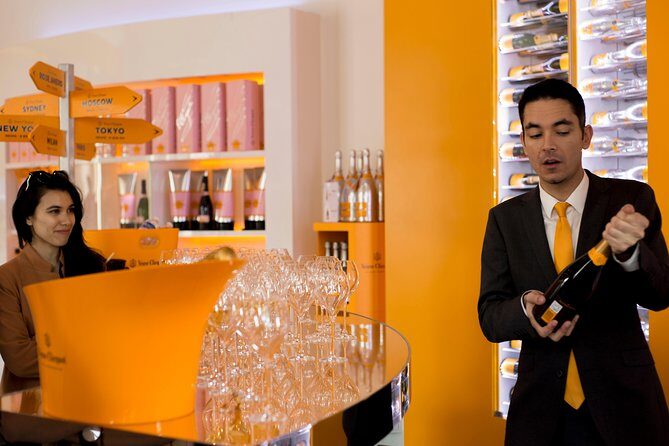
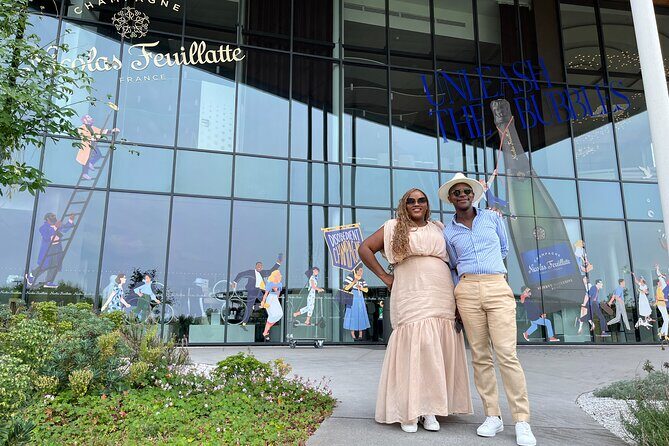
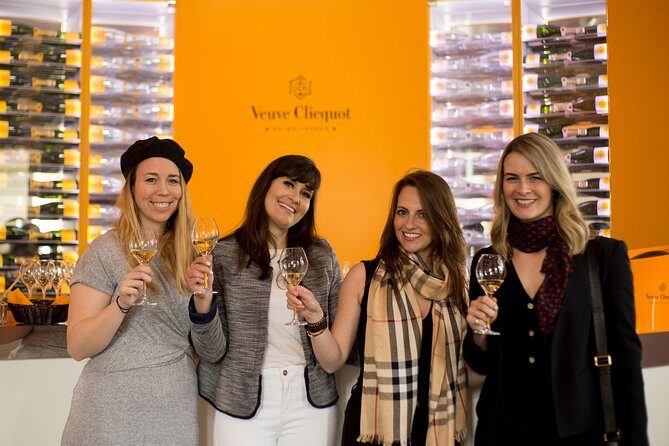
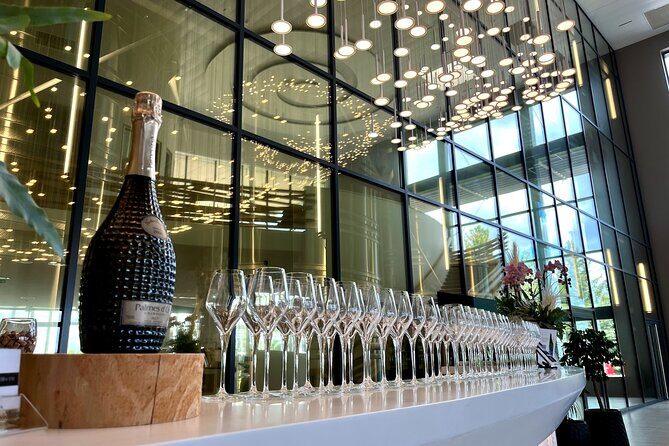
Your morning starts by heading toward Épernay, the heart of Champagne territory. In Épernay, you’ll join a guided tour at one of the major Champagne houses, depending on availability. Options commonly include names like Moët & Chandon, Mercier, Nicolas Feuillatte, Veuve Clicquot, Taittinger, and Boizel.
What I like about this stop is the contrast it creates in your mind. Even if you’ve heard these names for years, visiting in person puts them in context: you see how production works, you walk the cellars, and you taste as part of the story instead of tasting randomly.
Also, the tour structure matters. You’re given time to sip, listen, and ask questions—so if you’re a Champagne nerd, you’ll actually get value from the visit.
Avenue de Champagne: the walk that makes the region feel real
Then you’ll stroll Avenue de Champagne, a prestigious stretch lined with the grand mansions and seats of major houses. It’s a short stop (about 15 minutes), but it’s one of those “you get the feeling in a minute” moments.
Think of it as a snapshot of Champagne culture: it’s less about buying souvenirs and more about understanding how these brands built their identity around place, legacy, and architecture.
Second tasting stop: a local or family-owned Champagne house
After that, you’ll move to a Champagne stop that’s often described as more intimate—a local or family owned Champagne house. This part of the day is where you usually notice the difference in approach, because a small estate tends to feel more personal.
Travelers have highlighted how this can mean two contrasting tastings: one larger, production-focused visit and another that feels more hands-on and specific to a smaller producer’s style. If you’re someone who enjoys comparisons (big brand vs boutique, traditional method vs producer nuance), this setup is ideal.
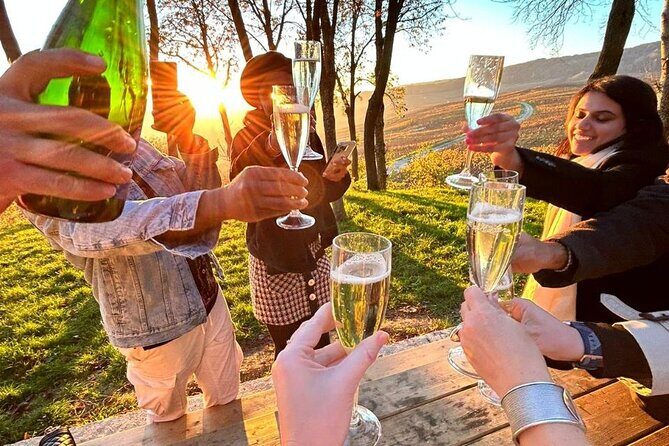
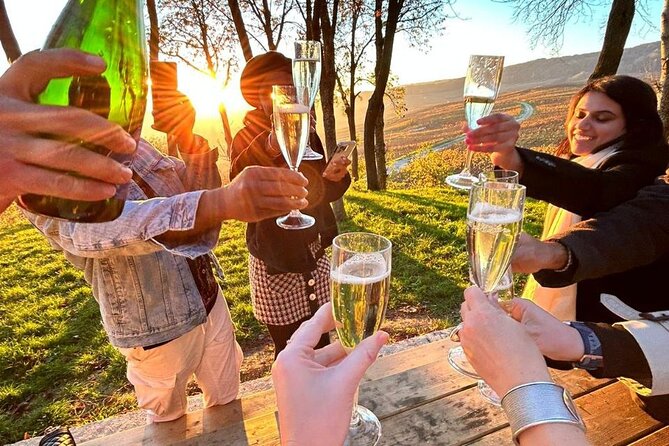
A practical note: tasting amounts can vary, but the day is clearly designed for tasting. The tour includes Champagne tastings and cellars access at the scheduled houses, so you should treat the day as an alcohol-forward experience if that’s your preference.
Hautvillers Abbey area: vines and grape varieties
Next comes Abbaye Saint-Pierre d’Hautvillers, a short stop that centers on the vines and how grapes connect to Champagne character. You’ll likely hear about terroir and grape varietals, which helps you make sense of your tastings later.
This is also where you get a bit of landscape education—less “factory tour,” more “why the place matters.” Even if you’re not a winemaking expert, these explanations can turn the next glass into a more thoughtful sip.
Scenic viewpoints in the Champagne region
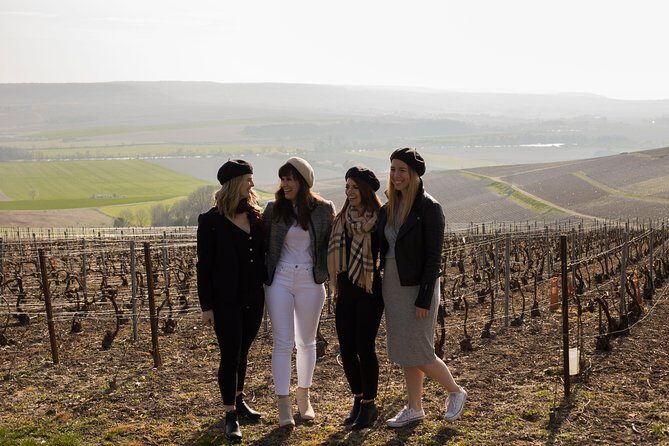
The itinerary includes a stop for breathtaking vistas from an elevated point in the Champagne region. This is typically one hour of views—rolling vineyards, soft hills, and that Champagne-land look you see in postcards but can’t fully appreciate until you’re standing there.
The value here is twofold:
1) You get a break from walking inside cellars.
2) You get to visually connect Champagne with geography, not just branding.
Bring your phone, but also look up often. A lot of travelers get so focused on photos that they forget to just take in the scale of the vineyards.
Reims and Notre-Dame de Reims: the cathedral stop you’ll remember
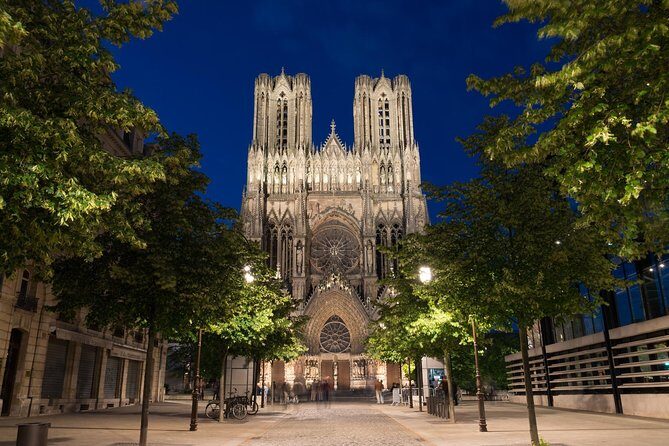
Now comes Reims, a UNESCO-listed town with ancient Roman roots and a strong French historical identity. You’ll visit the Cathedrale Notre-Dame de Reims, famous as the coronation site for many French kings.
This cathedral stop isn’t just architecture sightseeing. Guides often tie it to major historical moments, including the role of Joan of Arc—she traveled to Reims and helped persuade Charles VII to move troops through the city, where Charles VII was declared king in the cathedral context.
Architecturally, it’s Gothic and 13th-century, and you’ll likely feel the scale in person. Even if you’re not usually a “cathedral person,” this stop is one of the anchors of the day, because it connects the region to national history rather than only wine.
Lunch in the Montagne de Reims area: fueling a long day
Lunch is served in the Parc Naturel Régional de la Montagne de Reims area (and the restaurant can vary based on availability). Expect a 3-course lunch featuring regional specialties.
A few travelers mentioned that the lunch level was particularly impressive—one wrote that it felt like a Michelin-star restaurant. Still, you should plan for variety. What stays consistent is the format: a multi-course meal included in the tour.
If you want to drink Champagne later (and many people do), lunch is your reset button. It helps you enjoy the tasting experience instead of rushing through it.
Cellars are cold: what to pack for the Champagne houses
Here’s the practical detail travelers love that people often forget: caves and wine cellars are usually cold, around 45°F / 10°C. Plan to bring a warm layer, especially if you’re visiting in fall or winter, or if the day is rainy like a few travelers reported.
This isn’t just comfort. It also helps you enjoy the cellars tour without feeling chilled every time you step underground.
Drinking age, nonalcohol options, and staying comfortable
The tour states a drinking age of 18. If you’re traveling with anyone under 18, they’ll be offered different nonalcoholic grape juices instead of Champagne.
A small note on comfort: with a schedule this packed, it helps to wear shoes that work on uneven ground (you’ll walk inside/outside at multiple stops). Also plan for a long day sitting and standing—this is sightseeing, not a quick drive-and-sip.
What tastings you can expect (and the fun surprises)
The tour includes Champagne tasting during the cellars visits. You should expect multiple tastings as part of the structured house tours. Some travelers also mentioned moments that go beyond standard tastings—like a sabrage (saber opening) surprise, and extra added experiences depending on the day.
Don’t count on surprises as a guarantee, but do know the tour style is set up for memorable moments. The better your guide is, the more personal these touches can feel.
Who this trip is best for
This day trip fits you well if you want:
- A guided Champagne education (not just free time)
- Two types of tasting experiences (big house + smaller estate style)
- A major history stop in Reims
- A smooth day with door-to-door pickup
It’s also a good fit for first-timers who feel overwhelmed by Champagne logistics. You don’t have to plan anything besides showing up.
It might not be the best fit if you:
- Hate long days (10 to 12 hours)
- Want a lot of unstructured wandering
- Prefer a very low-alcohol schedule
Timing, meeting logistics, and smooth pickup
Pickup is at your Paris hotel, and you’ll be told the pick-up time the day before. If your address doesn’t show up in the booking interface, the instructions say to send your information to sort out pickup details.
You’ll also want to confirm you understand the pick-up point clearly the evening before. When travelers report “seamless” days, it’s often because everything clicked on pickup timing.
Rain, crowds, and how the day handles it
One traveler noted they had a rainy day on tour and it still worked out well. The itinerary includes indoor cellars and structured stops, so weather doesn’t fully derail the plan the way it can on purely outdoor tours.
Still, bring a light rain layer or umbrella if the forecast looks questionable. Comfortable weather means you can enjoy the vineyard viewpoints and walks more easily.
Cancellation policy: what your risk looks like
You can cancel for a full refund up to 24 hours before the experience start time. The rule is simple: cancel at least a day ahead for the safest outcome.
The tour also notes it may require a minimum number of travelers. If the minimum isn’t met, you’ll either be offered a different date/experience or a full refund.
Should you book the Champagne and Reims day trip from Paris?
Book it if you want one of the most efficient ways to experience Champagne from Paris with real structure. The big strengths are guides, stunning vineyard and viewpoint moments, and an excellent Champagne selection that usually includes both big-name houses and more personal estates. Add the included 3-course lunch and the convenience of hotel pickup, and this reads as good value for a full-day tasting + history combo.
Skip it (or shop around) if you’re hoping for a short, flexible outing, or if the price feels too high for your style. This is built for travelers who want Champagne explained, tastes guided, and Reims delivered alongside the wine.
If that sounds like you, you’re in the right place. Champagne is fun—but this format is how you make it meaningful.
Champagne and Reims Tasting Day Trip from Paris
FAQ
What time does the tour start?
The start time is 8:00 am. Your exact hotel pickup time is shared with you the day before the tour.
How long is the Champagne and Reims day trip?
It runs about 10 to 12 hours, depending on traffic.
Do they pick you up from your hotel in Paris?
Yes. Hotel pickup and drop-off are included, and you’ll be informed of your pickup time in advance.
How many people are in the group?
This tour has a maximum of 24 travelers.
Is Champagne tasting included?
Yes. The tour includes Champagne tasting and cellars tour and tasting at one of the famous Champagne houses.
What kind of lunch is included?
Lunch is included as a 3-course meal at a local restaurant in the Montagne de Reims area. The restaurant can change based on availability.
What Champagne houses might you visit?
Visits are chosen based on availability. Options listed include Moët & Chandon, Mercier, Nicolas Feuillatte, Veuve Clicquot, Taittinger, Boizel, or other famous houses.
What should I bring for the cellars?
Wine cellars are often around 45°F / 10°C, so it’s smart to bring a warm layer.
What is the cancellation policy?
You can cancel for a full refund up to 24 hours before the experience start time. If you cancel less than 24 hours before, the amount paid is not refunded.