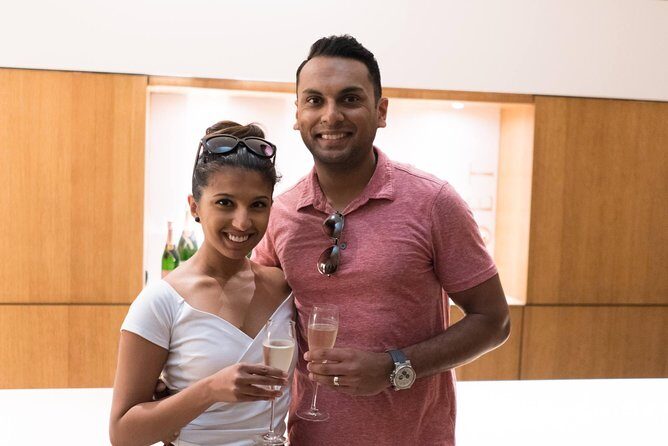
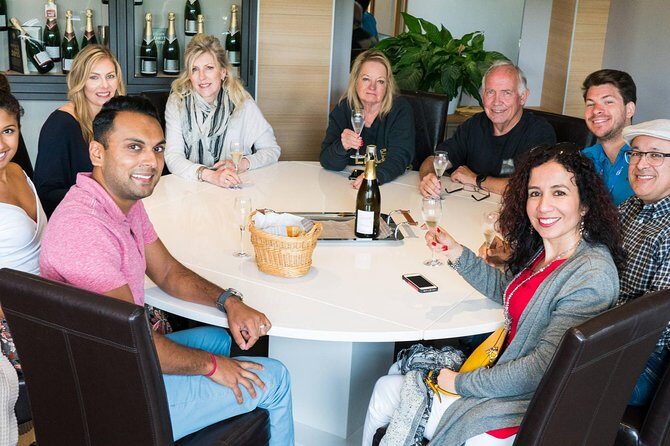
We’ve looked at a lot of Paris day trips, and this Champagne experience strikes that sweet spot between substance and logistics. What immediately stands out is the intimate group size—capped at just eight people—which means you’re not herded through wineries with 40 other travelers. You actually get to chat with the winemakers, ask questions without feeling rushed, and have genuine conversations over glasses of real Champagne. One traveler summed it up perfectly: “It was a small group so everyone chatted with each other while we just enjoyed the environment and learning about the small house champagne makers.”
The second thing we appreciate is how thoughtfully the itinerary balances wine education with regional history and culture. You’re not just visiting wineries; you’re also standing inside Reims Cathedral, where French kings were crowned, and paying respects at Dom Pérignon’s grave. This isn’t wine tourism in a vacuum—it’s a window into the Champagne region’s soul.
The main consideration is the early start (7 a.m. pickup) and the full-day commitment (11 hours total). This is a marathon, not a sprint, though most travelers say it’s absolutely worth the effort.
This tour works best for wine enthusiasts who want authentic experiences over mass-market tourism, travelers with a genuine interest in how Champagne is made, and anyone looking to understand the history behind the bubbles rather than just drink them.
- The Real Value Proposition
- Meeting Point and Getting There
- Stop 1: The Vineyards and Landscape
- Stop 2: Nicolas Feuillatte
- Stop 3: Hautvillers Abbey and Dom Pérignon’s Grave
- Stop 4: Reims Cathedral (Notre-Dame de Reims)
- Stop 5: Champagne DOMI—The Highlight for Many
- Stop 6: Épernay and Lunch
- The Guides Make All the Difference
- What About the Champagne Itself?
- Timing and Pacing Considerations
- Who Should Book This Tour?
- Practical Details That Matter
- The Value Equation
- The Bottom Line
- Frequently Asked Questions
- The Best Of Paris!
- More 1-Day Tours in Paris
- More Wine Tours in Paris
- More Tour Reviews in Paris
The Real Value Proposition
 1 / 8
1 / 8 2 / 8
2 / 8 3 / 8
3 / 8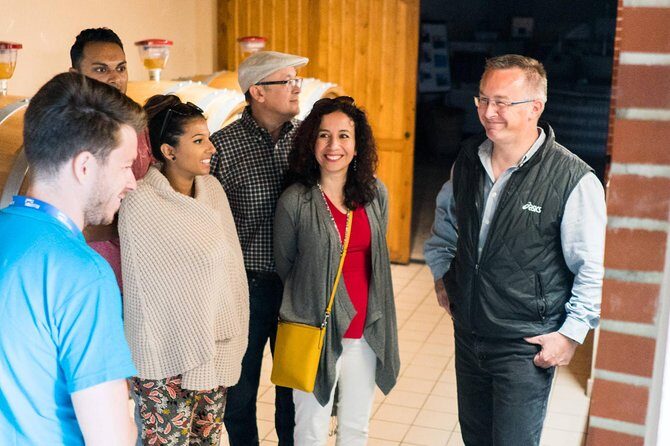 4 / 8
4 / 8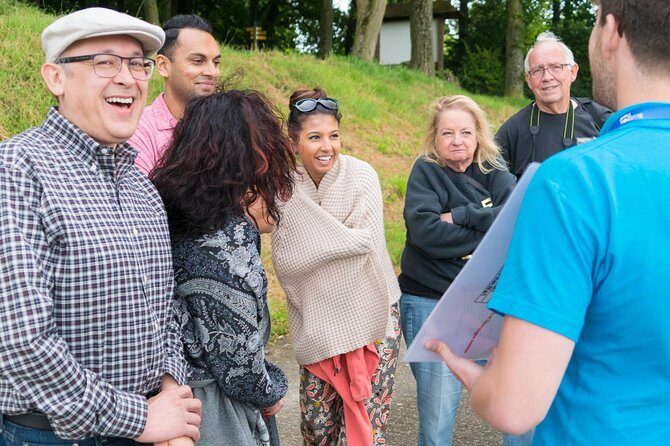 5 / 8
5 / 8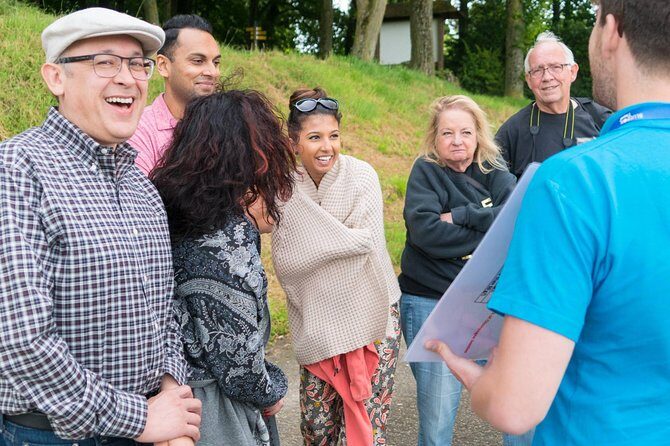 6 / 8
6 / 8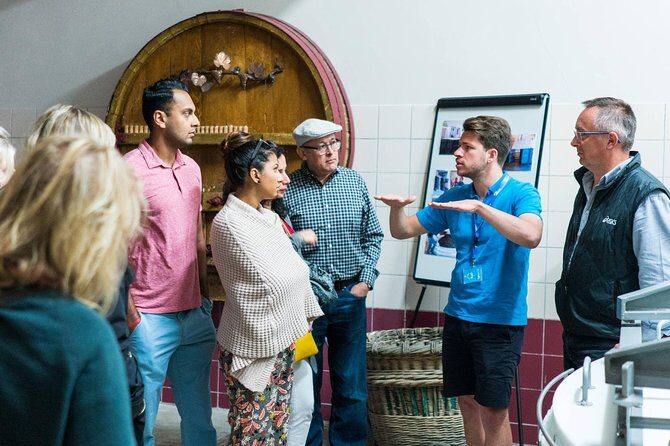 7 / 8
7 / 8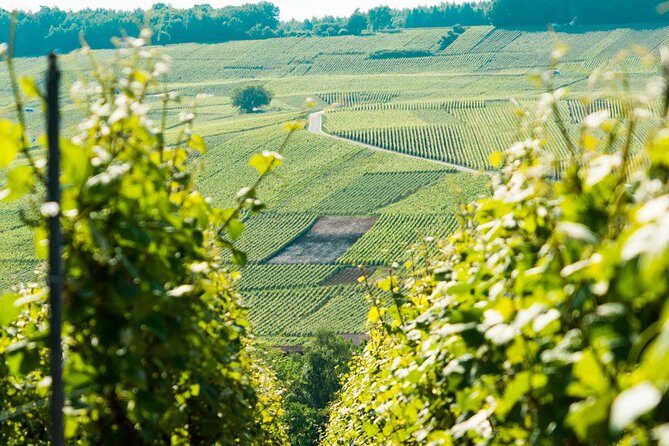 8 / 8
8 / 8At $278 per person, you might initially wonder if this is a premium experience. But let’s break down what you’re actually getting: round-trip transportation from Paris in a climate-controlled minivan, admission and guided tours at two separate wineries, six full glasses of Champagne (not thimble-sized sips), visits to two historically significant churches, and expert local guidance for 11 hours. When you factor in that lunch isn’t included but you have free time in Épernay to eat what you want where you want, you’re looking at exceptional value for a full day in a UNESCO World Heritage region.
The transportation alone matters more than people realize. Renting a car and driving from Paris to Champagne, finding parking, navigating between sites, and dealing with the stress of driving back after wine tastings would cost you considerably more—and frankly, wouldn’t be safe or enjoyable. You’re paying for peace of mind here, and that’s worth the price.
👉 See our pick of the 3 Best Shopping & Market Tours In Paris (With Reviews & Prices)
Meeting Point and Getting There
The tour starts at Dada, located at 12 Avenue des Ternes in the 17th arrondissement of Paris, right near public transportation. You’ll want to arrive a few minutes early—the company is clear that departures happen at 7 a.m. sharp, and they don’t hold the van for latecomers. If you’re staying outside central Paris, budget extra time for getting there. One traveler learned this lesson the hard way when they arrived late from an airport hotel, missed the departure, and had to Uber to catch up with the group.
The minivan itself is air-conditioned and comfortable for the roughly 90-minute drive northeast to the Champagne region. During the drive, you’ll get your first taste of the landscape and context from your guide, so it’s not just transit time—it’s the beginning of your education about the region.
You can also read our reviews of more wine tours in Paris

Stop 1: The Vineyards and Landscape
Your first hour is spent walking through actual Champagne vineyards, where you’ll see the Chardonnay and Pinot Noir grapes growing on the rolling hills that define this region. Your guide will explain the specific techniques for growing and harvesting Champagne-suitable grapes—information that becomes genuinely interesting when you understand how it affects what you’ll be tasting later.
This stop isn’t flashy. There’s no gift shop or fancy tasting room. It’s genuine agricultural landscape, and that’s precisely the point. You’re seeing the foundation of everything that comes next.
Stop 2: Nicolas Feuillatte
Nicolas Feuillatte is France’s favorite Champagne house—not the most prestigious or famous internationally, but genuinely beloved by French people. The visit includes a tour of the facility where you’ll see how Champagne is actually produced, followed by three full glasses of Champagne tasting.
What makes this stop valuable is the contrast it provides. Nicolas Feuillatte is a larger, cooperative house with more industrial production methods. Seeing the scale of operation here—the equipment, the cellars, the sheer volume of bottles—gives you context for understanding the smaller family-owned winery you’ll visit later.
Stop 3: Hautvillers Abbey and Dom Pérignon’s Grave
This is where history becomes tangible. The Abbey of Saint-Pierre d’Hautvillers is part of a UNESCO World Heritage site, and it’s where Dom Pérignon, the Benedictine friar credited with perfecting Champagne production, lived in the 1600s. Your guide will take you to the abbey church and share his story—how this monk’s experiments with blending wines and managing fermentation essentially created the Champagne we know today.
Then you’ll visit Dom Pérignon’s graveside. It sounds simple, but standing there, you’re connecting with centuries of history. One traveler captured this perfectly: “Our final stop was at the grave and chapel of Dom Perignon—the famous monk and scientist behind champagne.” It’s a moment that reminds you that Champagne isn’t just a drink; it’s a legacy.
Stop 4: Reims Cathedral (Notre-Dame de Reims)
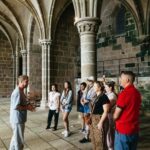
More than 800 years old, Reims Cathedral is a Gothic masterpiece covered in intricate stone carvings both inside and out. This isn’t a quick photo stop. You get 20-30 minutes to explore on your own after your guide provides context about its significance as the coronation site for French kings.
The cathedral grounds offer some of the best photo opportunities of the day, and travelers consistently mention how stunning it is. One reviewer noted: “We visited the beautiful and historic cathedral at Reims, and then toured the vineyards and champagne houses, with helpful information from Julian, our guide and driver.”
You can also read our reviews of more tours and experiences in Paris


Stop 5: Champagne DOMI—The Highlight for Many
This is often where travelers say the tour truly comes alive. Champagne DOMI is a small, family-owned winery run by Stéphane, an authentic vintner who genuinely loves talking about his craft. He’ll walk you through the entire Champagne-making process, show you the wine press and cellars packed with bottles, and then conduct a tasting of 3-4 different Champagnes.
The experience here is personal in a way that larger houses can’t match. One traveler who visited described it this way: “The 3rd generation owners met us and gave us a private tour of their incredible production house and then finished it off with a tasting. The champagne was INCREDIBLE!!”
What makes this stop special is the authenticity. You’re not in a corporate facility; you’re in someone’s family business, and that changes the entire dynamic. Many travelers report that they end up purchasing bottles here—not because they feel pressured, but because they’ve had a genuine connection with the winemaker and want to support his work.
Stop 6: Épernay and Lunch
Épernay, known as the capital of Champagne, gives you a full hour of free time to explore and eat lunch at a restaurant of your choice. Your guide will point out notable aspects of the old town and typically offer recommendations for where to eat. This is where you’re on your own—lunch isn’t included in the tour price—but having a guide who knows the area and can suggest good spots makes this infinitely better than wandering around confused.
The free time is actually valuable. You’re not being rushed through another winery or historic site. You can sit down, enjoy a proper meal, and let the day’s experiences settle in. Some travelers use this time to grab lunch and then explore the town; others head to Moët & Chandon for an additional tasting if they want more Champagne experiences.
The Guides Make All the Difference
Throughout the reviews, one theme appears again and again: the quality of the guides. Names like Matt, Julian, Clement, John, Frankie, and Carlyle appear repeatedly in glowing reviews. These aren’t just drivers who point out windows; they’re knowledgeable educators who can answer detailed questions about Champagne production, French history, and local culture.
One traveler perfectly captured what makes a great guide on this tour: “He was very knowledgeable about Champagne production and all the sites we visited. His insights truly enriched the experience.” Another noted: “He was very knowledgeable, personable and a very good driver. Seeing the contrast between a small family owned champagne house and a large automated production was interesting—we all preferred the former.”
The guides also handle logistics smoothly. They manage timing so you’re not rushed, help with translations if needed, and genuinely seem to enjoy sharing their region with visitors. One reviewer mentioned: “He went above and beyond,” which suggests these guides see themselves as ambassadors, not just service providers.
What About the Champagne Itself?
You’ll taste six glasses total: three at Nicolas Feuillatte and three to four at Champagne DOMI. These aren’t thimble-sized sips in a formal tasting—they’re actual full glasses that you can savor and compare. Even one reviewer who said “There was too little champagne” admitted that “Our guide was nice and was attentive” and “It was nice to see the town and the champagne houses,” suggesting the issue was personal preference rather than a tour shortcoming.
The tastings themselves are educational. You’ll learn to identify differences between Champagnes, understand the production methods that create those differences, and develop a genuine appreciation for what you’re drinking. By the end of the day, you won’t just have consumed Champagne; you’ll understand it.
Timing and Pacing Considerations
This is a long day—you’re leaving at 7 a.m. and returning around 6 p.m. One traveler described it as “a very long day. However well worth it,” which seems to be the consensus. The pace can feel rushed at times, as one reviewer noted: “Minivan was not in the greatest shape and tour guide could have explained more; seemed to be driving always in a rush.”
However, the company’s response to this feedback is worth considering: covering multiple beautiful sites in a single day, plus the 3.5-hour driving time total, naturally creates a full itinerary. This isn’t a leisurely wine weekend; it’s a well-organized day trip that maximizes what you can see and do.
Who Should Book This Tour?
This works exceptionally well for solo travelers—several reviews mention feeling welcomed and meeting other people in the group. It’s also ideal for couples who want to experience wine country without the stress of driving. Families with children aged 7 and up are welcome, though the early start and long day might be challenging for younger kids.
If you’re someone who wants to understand how Champagne is made rather than just drink it, this tour delivers. If you’re interested in French history and architecture, the cathedral and abbey visits add real value. If you’re looking for an authentic small-group experience rather than a bus full of travelers, the eight-person maximum is perfect.
Practical Details That Matter
The tour operates in all weather conditions, so dress appropriately for whatever the forecast shows. Bring comfortable walking shoes for the vineyard walk and cathedral exploration. The minivan has air conditioning, which matters on warm days when you’re spending hours in transit.
Tips aren’t included in the price, and the company notes that guides prefer cash tips but also accept bottles of good wine—a nice touch that reflects the industry’s culture.
Cancellation is flexible: you can cancel up to 24 hours in advance for a full refund, which gives you some protection if plans change.
The Value Equation
When you consider everything included—transportation, two winery visits with tastings, two historic sites, expert guidance, and a full day of education about one of the world’s most famous wine regions—$278 per person starts looking like excellent value. You’re not paying for luxury; you’re paying for access, knowledge, and logistics handled professionally.
Compare this to renting a car ($50-80), buying gas ($30-40), paying for parking, and dealing with the stress of driving after wine tastings. Add in admission fees to the cathedral and abbey (typically €5-10 each) and paid tastings at wineries (€15-30 each), and you’re easily spending $300-350 anyway—plus time and stress.
The Bottom Line
This small-group Champagne day trip delivers genuine value and authentic experiences that justify both the early start and the full-day commitment. The combination of guides, intimate group size, well-balanced itinerary, and inclusion of both wine education and regional history makes this one of the better structured day trips from Paris. Whether you’re a wine enthusiast wanting to understand Champagne production, a history buff interested in French culture, or simply someone looking for a meaningful day outside the city, this tour consistently exceeds expectations. The 95% recommendation rate and overwhelmingly positive reviews aren’t exaggerated—they reflect a tour operator who understands what travelers actually want: substance over spectacle, authenticity over mass tourism, and guides who genuinely care about the experience they’re providing.
Champagne Day Trip with 6 Tastings, Reims and Winery from Paris
Frequently Asked Questions
What time does the tour start and end?
The tour departs at 7 a.m. from the meeting point in Paris and returns around 6 p.m. Plan for a full 11-hour day including travel time.
How many people are typically in the group?
The tour is capped at a maximum of eight people, which keeps the experience personal and allows everyone to have meaningful interactions with the guide and winemakers.
Are all six tastings full glasses or small sips?
Based on traveler feedback, the tastings are full glasses, not small pours. One reviewer specifically noted: “The glasses of champagne aren’t small sips—they are full glasses!”
Is lunch included in the price?
No, lunch is not included. However, you get a full hour of free time in Épernay where your guide typically provides restaurant recommendations. You can eat wherever you choose at your own expense.
What’s the difference between the two wineries visited?
Nicolas Feuillatte is a larger, cooperative champagne house with more industrial production methods. Champagne DOMI is a small, family-owned winery where the owner personally conducts the tour and tasting. This contrast helps you understand different production scales.
Do I need to be experienced with wine to enjoy this tour?
No. The guides and winemakers explain everything from the basics of champagne production to tasting techniques. Even one reviewer who said “I’m not a huge fan of champagne but enjoyed the tastings and actually liked at least one sample at each place” had a positive experience.
What should I wear?
Wear comfortable walking shoes for the vineyard walk and cathedral exploration. Dress appropriately for the weather, as the tour operates in all conditions. Layers are a good idea since you’ll be in a minivan with air conditioning and then outdoors.
Can I purchase champagne during the tour?
Yes. Many travelers report buying bottles at Champagne DOMI, particularly after having conversations with the winemaker. There’s no pressure to purchase, but the opportunity is there if you find something you love.
Is transportation from my hotel included?
No. You need to get to the meeting point at Dada (12 Avenue des Ternes) by 7 a.m. on your own. The meeting point is near public transportation, so this is manageable from most Paris locations, though you’ll need to account for extra travel time if you’re staying far from central Paris.
What’s the cancellation policy?
You can cancel up to 24 hours before the tour starts for a full refund. Cancellations made less than 24 hours before the start time are non-refundable.
Are children allowed on this tour?
Yes, the minimum age is 7 years old. However, the early 7 a.m. start and 11-hour duration might be challenging for very young children.