If you’re wondering whether to spend a day outside Paris tasting champagne in its native region, we can tell you this tour makes a compelling case. What we love most about this experience is the combination of genuine winery access—visiting both prestigious champagne houses and charming family-run estates—paired with an actual sit-down lunch that’s thoughtfully paired with champagne. We also appreciate that the tour keeps groups small (maximum 8 people), which means you get personalized attention rather than feeling like one of forty travelers on a coach.
The main consideration is that this is a long day. You’re looking at roughly 11 hours from pickup to drop-off, with significant time spent in the van traveling between Paris and the Champagne region. If you’re someone who prefers shorter, more leisurely outings, this might feel ambitious. That said, the itinerary is genuinely packed with experiences, so the time flies for most travelers.
This tour works best for wine enthusiasts who want to move beyond basic tastings, travelers who appreciate smaller group experiences, and anyone staying in Paris who wants a full immersion into champagne culture without the hassle of figuring out transportation themselves.
- What Makes This Tour Different
- Breaking Down the 11-Hour Itinerary
- What the Reviews Actually Tell You
- Practical Details That Matter
- The Value Calculation
- Who This Tour Is Really For
- Cancellation and Logistics
- Frequently Asked Questions
- The Best Of Paris!
- More Lunch Experiences in Paris
- More Wine Tours in Paris
- More Tour Reviews in Paris
What Makes This Tour Different
 1 / 8
1 / 8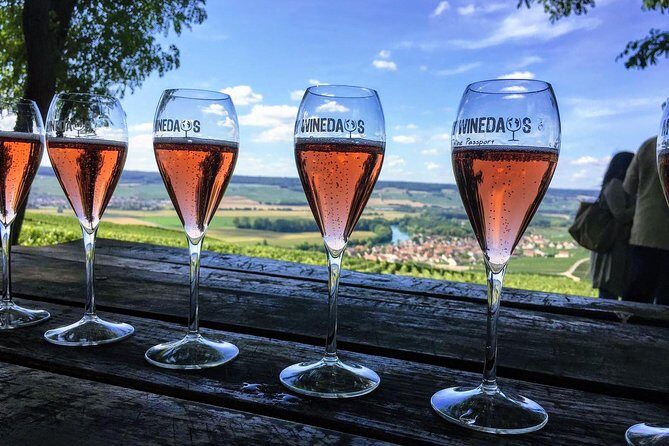 2 / 8
2 / 8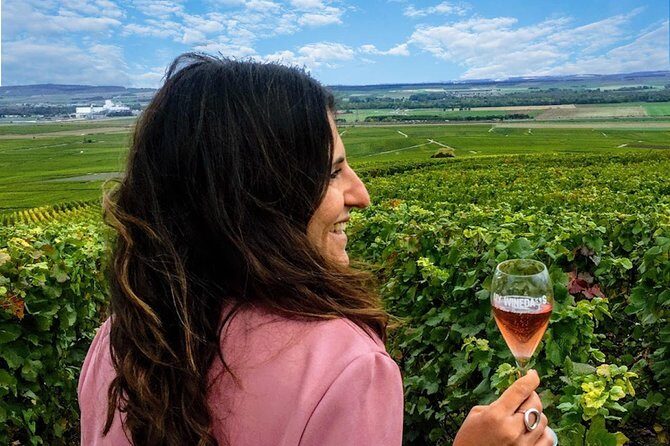 3 / 8
3 / 8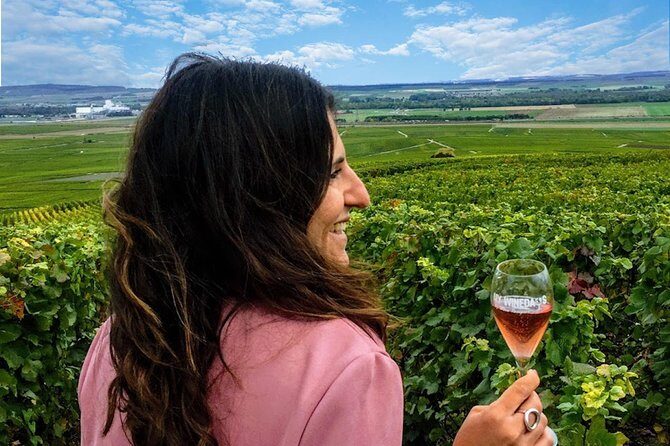 4 / 8
4 / 8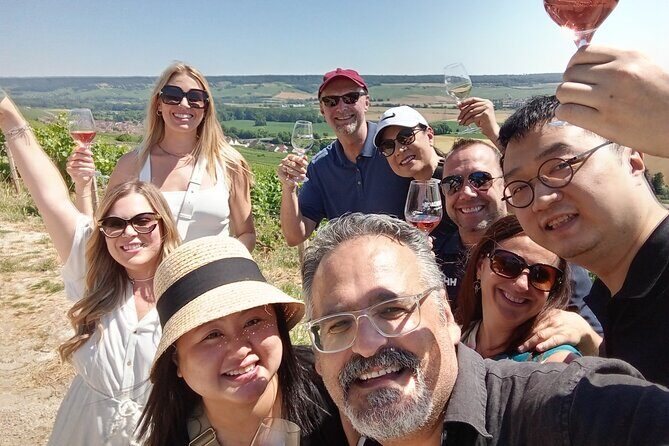 5 / 8
5 / 8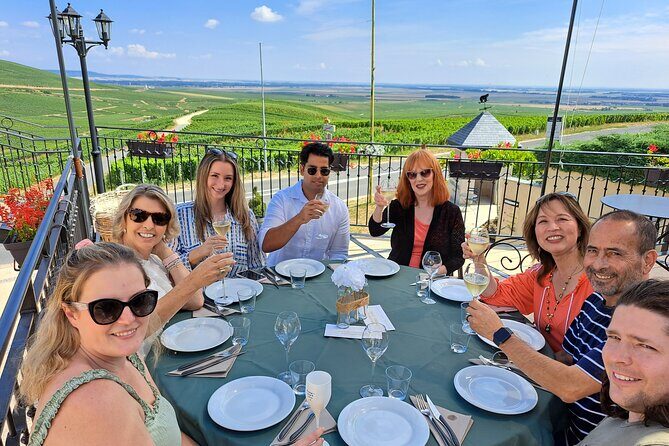 6 / 8
6 / 8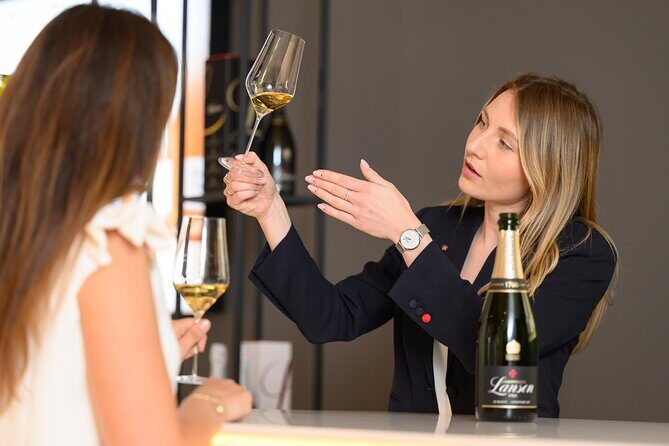 7 / 8
7 / 8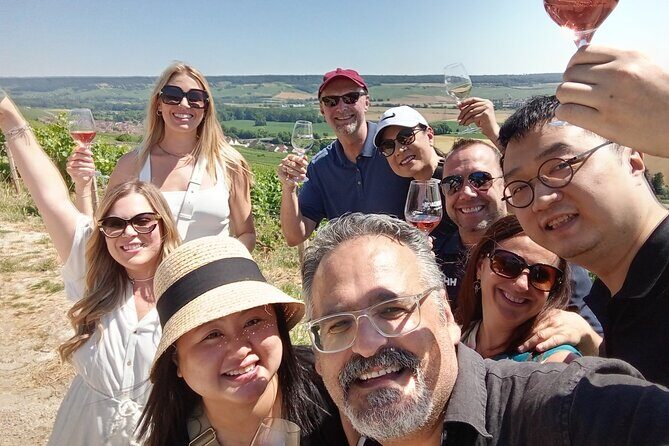 8 / 8
8 / 8You’ll notice immediately that this isn’t your typical “wine tour” where you’re herded through a gift shop and given a plastic cup of wine. The operator, My Winedays, has clearly designed this to feel more like visiting friends who happen to make champagne for a living.
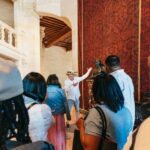
The small-group format matters more than you might think. With a maximum of 8 travelers, you’re not competing for the sommelier’s attention or standing in a crowd while someone reads from a script. One traveler mentioned their guide was “a history buff you can ask and quiz him on anything about anything,” which speaks to the kind of genuine interaction that happens in smaller groups. Another noted that their guide “brought us some croissants for the drive and even snuck us in a winery park and gave us a course on champagne”—these are the kinds of touches that happen when guides have the flexibility that comes with smaller numbers.
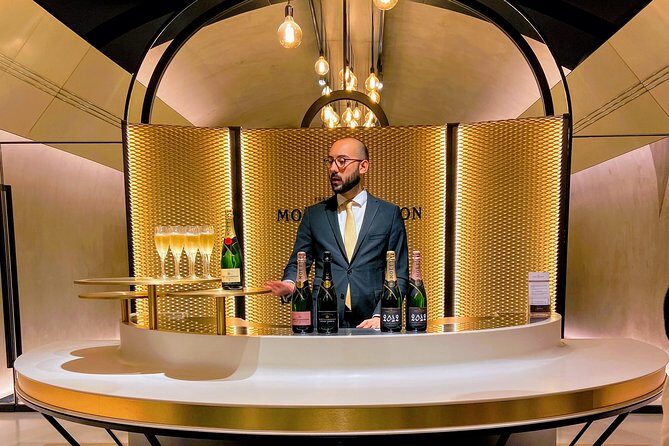
The combination of large and small producers is intentional. You’ll visit a renowned champagne house like Mumm, Veuve Clicquot, Moët & Chandon, or Nicolas Feuillatte (depending on availability), which gives you the grand tour experience—the historic cellars, the professional presentation, the sheer scale of their operation. Then you’ll visit a family-run estate or cooperative, which offers something completely different: intimate knowledge, personal stories, and often better value for money.
👉 See our pick of the 3 Best Shopping & Market Tours In Paris (With Reviews & Prices)
Breaking Down the 11-Hour Itinerary
The Morning Drive and First Stop (approximately 1.5 hours)
Your day begins with hotel pickup in central Paris, which is genuinely convenient. Rather than figuring out how to get to a meeting point on the outskirts of the city, your guide arrives at your accommodation. During the drive east toward Reims, you’re not just sitting silently—guides typically share croissants and information about the region’s history and wine-making heritage. One traveler specifically mentioned, “There were water bottles in the car and he brought croissants for everyone,” which tells you the operator has thought through the comfort details.
The drive itself is educational. You’ll learn to distinguish between the three main champagne grapes—Chardonnay, Pinot Noir, and Pinot Meunier—and understand what these mean for the wine you’re about to taste. You’ll pass through different vineyard regions: the Montagne de Reims, Côte des Blancs, and Vallée de la Marne, each with distinct characteristics. This context transforms what could be a boring drive into part of the learning experience.
Your first tasting happens at a major champagne house. Here you get the full treatment: a guided tour of the cellars (which are cold and damp at around 45°F, so dress warmly), an explanation of the méthode champenoise, and a professional tasting. One reviewer described a visit to Pommery’s cave cellar as feeling “almost like an art exhibition,” which captures how these grand houses present themselves. You’re learning about the méthode champenoise—the traditional, labor-intensive process that makes champagne champagne—from people who’ve been doing it for generations.
Midday Scenic Stop and Lunch (approximately 2.5-3 hours)
After your first tasting, you’ll likely stop for a scenic viewpoint of the vineyards, often with a second tasting opportunity. These moments matter because they give you perspective on where the grapes are actually growing, transforming champagne from an abstract concept into something rooted in the landscape.
Then comes lunch at a family-run estate. This is where the tour shifts from “learning about champagne” to “experiencing champagne culture as locals do.” The meal is described as “traditional food, paired with a Champagne tasting,” and the reviews consistently emphasize how good this lunch is. One traveler said, “The lunch provided was amazing! Overall great tour!” Another noted, “The lunch at a smaller, local champagne house was authentic & appreciated.”
What’s important here is that this isn’t a quick snack. You’re sitting down for a proper meal with your group, which creates a social experience. You’re eating and drinking with people who’ve just become friends, sharing what you’ve learned that morning. The champagne pairings mean you’re tasting how champagne works with food—a different experience entirely from formal tastings in a cellar.
Afternoon Tastings and Return (approximately 3-4 hours)
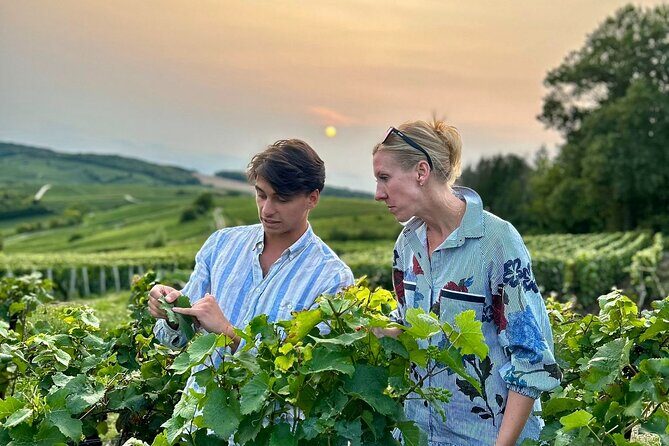
After lunch, you’ll visit at least one more winery, typically a smaller, family-run operation. This is where champagne production feels personal rather than industrial. You might see actual production equipment, meet family members who’ve been making champagne for decades, or learn about specific vineyard parcels that produce particular styles.
By the end of the day, you’ll have tasted at least 8 different champagnes, which is enough to notice real differences—between Blanc de Blancs (made only from Chardonnay) and Blanc de Noirs (made from Pinot Noir and Pinot Meunier), between vintages, between styles. You’ll understand what “Grands Crus” and “Premiers Crus” mean in the Champagne context (these are official classifications based on vineyard locations), and you’ll have developed opinions about what you actually like.
The return drive to Paris gives you time to rest and reflect. Several travelers mentioned napping on the way back, which is perfectly reasonable after a full day of tasting and learning. You’ll be dropped in central Paris by early evening, typically around 6 PM, which leaves time for dinner if you want it.
You can also read our reviews of more wine tours in Paris

What the Reviews Actually Tell You
With over 600 reviews and a 4.7-star rating, this tour has a track record. But numbers alone don’t tell you much—what matters is what travelers actually experienced.
The most consistent praise concerns the guides. Multiple reviews mention guides by name (Huw, Cedric, Joel, Aurélien, Nicholas, Lionel, Artem, Celia) and describe them as “knowledgeable,” “fun,” “informative,” “professional,” and “gregarious.” One traveler said their guide was “extremely knowledgeable about champagne and very gregarious, he kept our group engaged and entertained throughout the whole tour.” This isn’t boilerplate praise—it’s specific feedback about the quality of the experience.
Travelers also consistently mention the lunch. One said, “The lunch at the smaller champagne house was amazing! From the stop in the vineyards to take pictures and watch the grapes be picked by hand(!) to enjoying a meal with our new friends it was such a great day.” Another noted, “Lunch and pairings were perfection!” This isn’t incidental—it’s a major part of what makes the day work.
The value proposition comes up regularly. One experienced traveler noted, “While you may be able to put together your own day trip for less, having the value of a personal escort and tour guide makes this well worth the price. Not to mention the 8 glasses of champagne (full pours!) and delicious lunch that were included.” This is important context: yes, $353.72 per person is real money, but you’re getting transportation, expert guidance, 8 tastings, and lunch included. If you were to arrange this independently, you’d spend more on train tickets, tasting fees, and restaurant costs.
There is one legitimate criticism worth noting. One traveler reported concerns about a guide’s navigation skills and driving in rainy conditions, along with timing issues at the final tasting. The operator responded professionally, explaining that the guide was new and lacked a phone holder (since resolved), and that weather and miscommunication with the winery contributed to the problems. This tells you that the operator takes feedback seriously and makes changes based on it.
Practical Details That Matter
Group Size and Dynamics
Maximum 8 people means you’re getting a genuinely small-group experience. This isn’t a marketing term—it’s enforced. The difference between 8 people and 15 or 20 is substantial when you’re trying to navigate cellars and have conversations with winery staff.
Transportation
You’re traveling in an air-conditioned minivan, which matters on a summer day in France. Pickup is at your actual hotel or apartment in Paris, not at some distant meeting point. Drop-off is in central Paris, though one traveler noted it’s near Notre Dame rather than at your original hotel—something to clarify if location matters to you.
The Timing Reality
This is an 11-hour tour. If you’re picked up at 8:30 AM (a typical time based on reviews), you won’t be back in central Paris until around 6 PM. If you’re staying in an apartment that requires a Metro ride home, you might not get back until 7 PM. This is worth acknowledging if you have dinner reservations or are exhausted from other activities.
Dietary Considerations
You can specify dietary requirements at booking, which is important if you have restrictions or preferences for the lunch component.
Weather Preparedness
The cellars are cold and damp (around 45°F/10°C), so you genuinely need to bring warm clothing. This isn’t a suggestion—it’s a necessity for comfort.
The Value Calculation
At $353.72 per person, you’re paying for:
- Round-trip transportation from your Paris hotel to the Champagne region (roughly 90 minutes each way)
- A guided tour of a major champagne house with cellar access
- 8 tastings across multiple producers
- A sit-down lunch with champagne pairings
- Expert guide services from someone with wine knowledge
- The coordination and logistics that make this seamless
If you were to do this independently, you’d need a train ticket to Reims or Epernay (roughly €25-40), paid cellar tours at major houses (€20-30 per person), tastings at smaller producers (€10-20 per person), lunch at a decent restaurant (€30-40), and either rental car costs or additional transportation. You’d likely spend €150-200 per person just on logistics and tastings, plus your time spent figuring everything out. The guide service, the curated itinerary, and the inclusion of lunch actually represent solid value.
Who This Tour Is Really For
This experience works beautifully for wine enthusiasts who want to understand champagne production at a deeper level. It’s also excellent for travelers who appreciate smaller groups and personal attention over large tour bus experiences. It suits people staying in Paris who want a full day out without the stress of navigating train schedules and winery websites in French.
It’s less ideal if you’re exhausted from other activities (the long day might feel overwhelming), if you’re on a very tight budget and need to minimize costs, or if you prefer shorter excursions. It’s also worth noting that while the tour includes 8 tastings, champagne is alcohol—if you’re not comfortable with that quantity of wine tasting, this isn’t the right experience.
You can also read our reviews of more tours and experiences in Paris

Cancellation and Logistics
You can cancel up to 24 hours in advance for a full refund, which provides flexibility if your plans change. The tour requires a minimum of 4 people to operate, so there’s a small chance it could be canceled if not enough people book. The operator says they’ll offer an alternative date or full refund in that scenario.
Mobile tickets are provided, and the tour is offered in English. If you speak Spanish or French and prefer those languages, availability varies by guide and winery—worth confirming at booking.
Champagne Day Trip from Paris with 8 Tastings & Lunch
Frequently Asked Questions
Q: What happens if I can’t finish all 8 tastings?
A: You’re never obligated to taste everything. It’s common for people to drink water and take breaks between tastings, and no one will pressure you to drink more than you’re comfortable with. The “8 tastings” is what’s available to you, not a requirement.
Q: Will I get to visit famous champagne houses like Dom Pérignon or Cristal?
A: The tour visits major houses like Mumm, Veuve Clicquot, Moët & Chandon, or Nicolas Feuillatte depending on availability. These are prestigious producers, though not the ultra-luxury tier like Dom Pérignon (which would require a separate, more expensive experience). One traveler felt disappointed about this, though the operator explained that Nicolas Feuillatte is actually the largest champagne cooperative in the region.
Q: How much time do we actually spend in the van?
A: Roughly 3 hours of the 11-hour day is spent driving (about 90 minutes each way). The rest is split between tastings, the lunch, and winery visits. Several travelers mentioned napping on the return drive, which tells you it’s a relaxing ride rather than a stressful one.
Q: Is lunch included, or do we pay extra?
A: Lunch with champagne pairings is included in the tour price. This is a significant component of the experience—it’s a proper meal, not a snack.
Q: What if I don’t drink alcohol?
A: While this is specifically a champagne tasting tour, you can discuss your situation with the operator. You could potentially substitute non-alcoholic options, but this tour is fundamentally designed around wine tasting, so it might not be the best fit if you don’t drink.
Q: Can I request a specific champagne house?
A: The tour description says visits depend on availability, but based on one traveler’s experience, the operator seems willing to customize if you make a specific request at booking. The response to one review suggested they’d be happy to arrange a tailored experience if you had particular preferences.
Q: How physically demanding is this tour?
A: You’ll do some walking through cellars and vineyards, but nothing strenuous. Most travelers describe it as relaxed. The main physical demand is standing for extended periods during tastings and cellar tours.
Q: What’s the age policy?
A: The legal drinking age is 18 years old, which is the minimum for this tour. Anyone under 18 would need to sit out the tastings, making the experience less valuable.
Q: What if the weather is bad?
A: One traveler experienced rainy weather and noted that it affected driving conditions. The operator does have contingency plans (the cellar tours work regardless of weather), but heavy rain could impact scenic stops and outdoor tastings. The good news is that the core experience—the cellar tours and tastings—happens indoors.
Q: Can I bring someone who doesn’t want to taste champagne?
A: Technically yes, but since the tour is specifically designed around champagne tastings and the price reflects that, it would be an odd choice. Someone not interested in wine would likely find the day slow and repetitive.
This Champagne day trip delivers genuine value for travelers who want to understand champagne culture without the hassle of arranging everything themselves. The combination of a major prestigious house, an intimate family-run estate, a proper sit-down lunch, and 8 tastings guided by knowledgeable professionals justifies the price point. The small-group format ensures you’re not lost in a crowd, and the reviews consistently praise both the guides’ expertise and the quality of the overall experience. It’s an 11-hour commitment, so it works best for people who aren’t exhausted from other activities and who genuinely want to spend a day learning about champagne. If that describes you, this tour stands as one of the better ways to experience the region from a Paris base.