When you’re planning a trip to Copenhagen, one of the first decisions you’ll face is how to tackle the city’s excellent museums, historic palaces, and efficient public transportation system. The Copenhagen Card presents itself as a solution that bundles together dozens of attractions with unlimited transit—and after reviewing the experiences of hundreds of travelers, we can confirm it delivers genuine value for most visitors.
What we love most about this card is the sheer breadth of what it covers. We’re talking about everything from world-class museums like the Louisiana Museum of Modern Art and the National Gallery of Denmark to quirky experiences like the Viking Ship Museum in nearby Roskilde and the Experimentarium science center. The second major strength is the unlimited public transportation included—buses, trains, and the Metro all work with a single tap of your phone. This alone saves significant hassle and money in a city where transit costs add up quickly.
The main consideration worth noting upfront: you need to plan strategically to get your money’s worth. This isn’t a “show up and wander” kind of pass. Many attractions have limited hours (typically 10am-5pm), some require advance booking, and several close on Mondays. You’ll want to do some homework beforehand to map out what you actually want to see during your stay.
The Copenhagen Card works best for visitors who plan to spend two to five days exploring the city actively, want to visit at least three to four paid attractions, and appreciate having the freedom to move around without worrying about individual ticket costs. If you’re someone who likes to move at a slower pace or only has a single day in Copenhagen, this card might create more stress than savings.
- Understanding the Copenhagen Card: What You’re Actually Getting
- The Real Value Question: Does This Card Actually Save You Money?
- The Attractions: Where Your Card Takes You
- The Royal Palaces and Historic Sites
- The Museums Worth Your Time
- The Experiences Beyond Museums
- The Quirky and Unexpected
- The Transportation Component: More Valuable Than You Might Think
- Timing and Planning: The Key to Success
- What Real Travelers Say: The Reviews Tell the Story
- Practical Logistics: What You Need to Know
- Who Should Buy This Card?
- Final Verdict: Smart Money in an Expensive City
- Frequently Asked Questions About the Copenhagen Card
- More Tour Reviews in Copenhagen
Understanding the Copenhagen Card: What You’re Actually Getting









The Copenhagen Card comes in five flavors: 24-hour, 48-hour, 72-hour, 96-hour, or 120-hour passes. The price we’re looking at—$95.96—appears to be for the base option, with longer passes costing more. You purchase the card digitally, download the Copenhagen Card app on your smartphone, and activate it when you’re ready to start exploring. Once activated, the clock starts ticking, so timing your first use matters.
The card covers more than 80 attractions across Copenhagen and the surrounding region, plus unlimited travel on buses, S-trains, Metro, and regional trains within the Copenhagen area. One particularly smart feature: kids aged 3-11 ride free with an adult’s card (up to two children), which can represent substantial savings for families.
One thing to understand about the digital-only format: there’s no physical card to lose or worry about. You simply show your phone at each attraction or tap it on transit validators. Multiple travelers praised how “easy to redeem through the Copenhagen card app” the process was, and one visitor noted they appreciated being able to “skip the queue at some attractions” by using the card.
The Real Value Question: Does This Card Actually Save You Money?
This is the question every smart traveler asks, and the reviews reveal a consistent answer: yes, but only if you’re intentional about your planning.
One couple calculated they saved around $200 USD compared to buying individual tickets. Another visitor did the math and confirmed “if you want to visit at least 3 sites” you’re coming out ahead. A family with grandchildren found the card paid for itself almost immediately by covering two children’s admissions at each attraction they visited.
However, one traveler’s negative experience highlights the risk: they purchased a 24-hour card expecting to visit Tivoli, the Round Tower, a canal cruise, and a church. Tivoli was unexpectedly closed, the Round Tower wasn’t included anymore (the card’s offerings change), and the church had a two-hour wait. They felt they’d wasted their money.
The lesson here is clear. Before purchasing, use the savings calculator on the Copenhagen Card website. List the specific attractions you want to visit, check their individual prices, and compare against your card cost. Most travelers who did this homework found the card worthwhile; those who didn’t often felt disappointed.
You can also read our reviews of more tours and experiences in Copenhagen.


The Attractions: Where Your Card Takes You
The card’s value comes from the breadth of options available. Let’s walk through what you’re actually getting access to:
The Royal Palaces and Historic Sites
Rosenborg Palace stands out as one of the major draws. Built by King Christian IV in the 1600s, this castle houses the Crown Jewels and offers a window into Danish royal history that few travelers want to miss. Christiansborg Slot, the official seat of the Queen, provides another glimpse into the monarchy. The Amalienborg Museum shows you recreated royal palace interiors, giving you a sense of how Denmark’s royal family actually lived.
Frederiksborg Castle, located in Hillerød north of Copenhagen, represents one of the finest Renaissance castles in Northern Europe. It’s housed the Museum of National History since 1878, so you’re not just seeing beautiful architecture—you’re walking through Danish history from the late Middle Ages to today. Several travelers specifically mentioned this as a highlight, with one noting the “beautifully decorated rooms with portraits, history paintings, furniture, and decorative art.”
The Museums Worth Your Time
Here’s where the card really shines for culture enthusiasts. The Louisiana Museum of Modern Art sits 40 kilometers north of the city in a stunning location overlooking the Sound. The collection includes works by Giacometti and regularly features Yayoi Kusama’s famous Infinity Rooms. The National Gallery of Denmark (SMK) offers seven centuries of art, from Renaissance masters to contemporary pieces. One reviewer mentioned seeing “grand masters of art history along with cutting-edge contemporary artists.”
The Ny Carlsberg Glyptotek combines ancient Egyptian and Greek artifacts with 19th-century Danish and French art. The Ordrupgaard Art Museum offers Northern Europe’s most important collection of French Impressionism—think Monet, Degas, and Gauguin—alongside significant Danish works.
For something different, the National Museum of Denmark covers Danish history broadly, while the Museum of Copenhagen tells the story of the capital itself in an engaging, interactive way. One visitor appreciated how the museum “brings the city and its people to life.”
The Experiences Beyond Museums
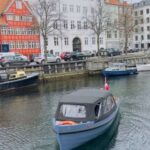
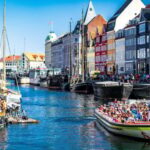
The Stromma Canal Tours represent one of the most popular card inclusions. These aren’t quick boat rides—they’re a genuine way to see Copenhagen from the water and understand the city’s relationship with its waterways. The Copenhagen Zoo houses over 4,000 animals in modern facilities, making it worthwhile if you’re traveling with children.
Tivoli Gardens deserves special mention as one of Europe’s oldest amusement parks. It’s genuinely beautiful, especially in the evening when the lights come up, though one traveler noted the gardens were unexpectedly closed during their visit, highlighting the importance of checking opening hours before you go.
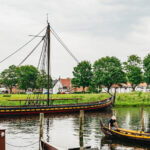
The Viking Ship Museum in Roskilde showcases five original 1000-year-old Viking ships plus reconstructions you can actually sail. The Experimentarium science center, just 6 kilometers north of the city, offers hands-on science experiences that appeal to both kids and adults.



The Quirky and Unexpected
Beyond the major attractions, the card opens doors to experiences you might not otherwise consider. The Cisternerne is an art gallery housed in a subterranean water reservoir beneath a park—a genuinely atmospheric, unusual space. The Home of Carlsberg tells the story of Denmark’s famous brewery (though it requires advance booking). The Karen Blixen Museum celebrates the author of “Out of Africa” in her actual home, surrounded by a bird sanctuary.
The Danish War Museum and Museum of Danish Resistance offer deeper dives into Denmark’s military and WWII history. The Royal Library’s “Black Diamond” building presents exhibitions that range from Søren Kierkegaard to contemporary art. Medicinsk Museion explores the history of medicine and the human body in ways that are educational without being squeamish.
For architecture enthusiasts, the Danish Architecture Center and Designmuseum Danmark showcase Denmark’s world-renowned design heritage. You’ll see works by Arne Jacobsen, Finn Juhl, and other design legends that influenced global interior design.
The Transportation Component: More Valuable Than You Might Think
Many travelers underestimate how much the included transportation saves them. Copenhagen’s transit system is excellent but not cheap. A single journey costs money, and taxis are expensive. One visitor specifically noted they were “relieved to have all transportation covered” and used the Metro, S-train, and harbor bus multiple times.
The card works on buses throughout Copenhagen, the Metro system, S-trains (which go to suburbs and nearby towns like Helsingør), and regional trains. This means you can visit attractions outside the city center—like Frederiksborg Castle in Hillerød or Kronborg Castle in Elsinore—without paying separately for transit. Several travelers mentioned using the card to visit Kronborg Castle (famous from Shakespeare’s Hamlet) and other distant attractions, which would have cost 200+ DKK in train fares alone.
Understanding the different train types matters here. One experienced traveler advised learning “the difference between the trains in Copenhagen such as S-train vs Metro vs DBS” to use the system efficiently. The good news: the card works on all of them.
Timing and Planning: The Key to Success
The reviews reveal a clear pattern: travelers who planned ahead loved the card; those who winged it often felt disappointed.
Many museums and attractions have limited hours, typically 10am-5pm. Some attractions, like the Church of Our Saviour’s tower climb and Christiansborg Palace, require advance booking during busy periods. Several major attractions close on Mondays, which one experienced traveler specifically mentioned as important to know. The Copenhagen Card website lets you filter for Monday-open attractions when planning.
The timing of when you activate your card matters significantly. One visitor purchased a 48-hour pass, started using it at 1pm on Sunday, used it all day Monday, and made their final attraction visit at 12:30pm on Tuesday—maximizing their value. Another purchased a 24-hour card and immediately started using it upon arrival, which worked well for their schedule.
One reviewer suggested that “if you only have a day as you can take it as it comes, enjoy a slower pace and potentially save yourself money if attractions are closed” rather than buying the card. This honest assessment reflects the real trade-off: the card pushes you to be efficient and see as much as possible, which isn’t everyone’s travel style.
What Real Travelers Say: The Reviews Tell the Story
The Copenhagen Card has earned a 4.5 out of 5 rating from over 1,100 reviews, with 72% giving it five stars. The consistent themes in positive reviews are worth noting.
“Excellent value for money” appears repeatedly. One family of four (two adults, two children) said they “had a great time” and “saved us a lot of money.” Another visitor calculated they saved approximately $30 per person over individual ticket prices, even with limited time.
The ease of use comes up constantly. “Easy to redeem through the Copenhagen card app” and “very easy to use” appear in multiple reviews. Travelers appreciated that they didn’t have to worry about individual tickets or navigate purchasing systems at each attraction.
The flexibility appeals to many. One reviewer noted they “ended up seeing soooo many sites in my 48 hours” because the card encouraged them to explore more than they’d originally planned. A couple visiting from a cruise found it “convenient” and appreciated how it “took complication out of the equation.”
However, the negative reviews (about 3% of the total) highlight real risks. One traveler had a genuinely disappointing experience when their planned attractions were closed or unavailable, creating stress rather than enjoyment. Another mentioned that some transit machines had technical issues reading the card’s QR code, though this appears to be rare.
Practical Logistics: What You Need to Know
Download and Activation: You’ll need to download the Copenhagen Card app before or immediately upon arrival. The app handles everything—redemption, showing your card at attractions, and transit validation.
Physical Card: There is no physical card. Everything happens via your smartphone, which means you need to ensure your phone has battery and the app works. This is generally reliable based on reviews, though one traveler mentioned occasional QR code recognition issues with Metro machines.
Advance Booking: Some attractions require advance booking. The Home of Carlsberg requires pre-booking and needs your active card number to complete the reservation. The Church of Our Saviour’s tower climb also benefits from advance booking, especially during busy periods.
Cancellation Policy: You can cancel up to 24 hours before your card’s activation for a full refund. Once activated and used, the card is personal, non-refundable, and non-replaceable.
Group Dynamics: The card is personal to whoever activates it. Each adult can add up to two free children’s cards (ages 3-11) when purchasing, which is a genuine money-saver for families.
Who Should Buy This Card?
Based on hundreds of traveler experiences, the Copenhagen Card makes sense for:
- Multi-day visitors (3-5 days) who want to see multiple attractions without worrying about individual tickets
- Families with children ages 3-11, since kids ride free with an adult’s card
- Active explorers who enjoy museums, historic sites, and cultural experiences
- Transit users who plan to move around the city frequently using public transportation
- Value-conscious travelers who are willing to do advance planning to maximize their card usage
The card makes less sense for:
- One-day visitors unless you’re planning to see 4+ attractions and use transit extensively
- Slow-paced travelers who prefer wandering without a schedule
- Budget travelers visiting only free attractions or those outside the card’s coverage
Final Verdict: Smart Money in an Expensive City
The Copenhagen Card represents genuinely good value for visitors who approach it strategically. Copenhagen is an expensive city—museum tickets, transit costs, and attraction fees add up quickly. This card consolidates those costs and, more importantly, encourages you to explore more deeply than you might otherwise. The inclusion of unlimited transit alone justifies the cost for multi-day visitors, and the 80+ attractions provide enough variety that you’ll find something matching your interests, whether that’s royal palaces, contemporary art, Viking history, or quirky museums. Do your homework, plan which attractions genuinely interest you, check opening hours and booking requirements, and you’ll likely find this card delivers the freedom and value it promises. For families with children, it’s an especially smart purchase.
Copenhagen Card – DISCOVER 80+ attractions and public transport
Frequently Asked Questions About the Copenhagen Card
How long does the Copenhagen Card stay valid after I purchase it?
Your card is valid for one year from the date of purchase before you activate it. Once you activate it in the app, the clock starts and you have your chosen duration (24, 48, 72, 96, or 120 hours) to use it. This gives you flexibility to purchase well in advance without pressure.
Can I use the Copenhagen Card for my children, or do I need separate cards?
Children ages 3-11 can ride and visit attractions free with an adult’s card (up to two children per adult). You add free children’s cards to your order when purchasing an adult card. Children under 3 are typically free at attractions anyway, and children 12+ need their own card.
What happens if I lose my phone or the app stops working?
Since the card is entirely digital and tied to your phone, the provider doesn’t offer replacements if your phone is lost or broken. This is an important consideration—make sure your phone is charged and the app is working before heading out each day. You might want to take a screenshot of your card code as a backup.
Do I really need to book attractions in advance, or can I just show up?
Some attractions, particularly popular ones during peak season, benefit from advance booking. The Church of Our Saviour’s tower climb and Christiansborg Palace are mentioned specifically in reviews as requiring timeslots during busy periods. The Home of Carlsberg requires pre-booking. However, many attractions don’t require booking. Check the Copenhagen Card website or app for specific requirements before your visit.
Which attractions are closed on Mondays, and how do I plan around this?
Several major attractions close on Mondays, which can significantly impact a short visit. The Copenhagen Card website allows you to filter attractions by which days they’re open, so you can plan accordingly. One experienced traveler specifically recommended doing this before purchasing your card to ensure the attractions you want to see are actually open during your stay.
How much does the Copenhagen Card actually save compared to buying tickets individually?
Savings vary based on which attractions you visit. One couple calculated savings of approximately $200 USD by buying a card instead of individual tickets. Another saved about $30 per person. To know your specific savings, use the calculator on the Copenhagen Card website and list the attractions you actually plan to visit. This takes the guesswork out of whether the card makes financial sense for your trip.
Does the Copenhagen Card work on all types of public transportation in the city?
Yes, the card covers buses, the Metro, S-trains (regional trains to suburbs and nearby towns), and regional trains within the Copenhagen area. One traveler noted they successfully used it on the Metro, S-train, and harbor bus. However, one review mentioned occasional issues with QR code recognition on some Metro machines, though this appears to be rare.
What if I purchase a 24-hour card but realize I want more time—can I upgrade?
The reviews don’t specifically address this scenario, but the cancellation policy states you can cancel within 24 hours of activation for a refund. If you realize you need more time after activating a 24-hour card, you would likely need to cancel it and purchase a longer-duration card. Contact the Copenhagen Card support team for the most accurate information about upgrades.