When you’re planning a trip to Lisbon, one of the smartest decisions you can make is booking a food tour early. We’ve reviewed Devour Lisbon’s Ultimate Portuguese Food Tour, and after examining nearly 1,800 guest reviews alongside the detailed itinerary, we’re convinced this is one of the best ways to understand what makes Lisbon tick. The tour combines exactly what travelers want: enough food to constitute a real meal, engaging storytelling about Portuguese history and culture, and access to neighborhood gems you’d likely walk past on your own.
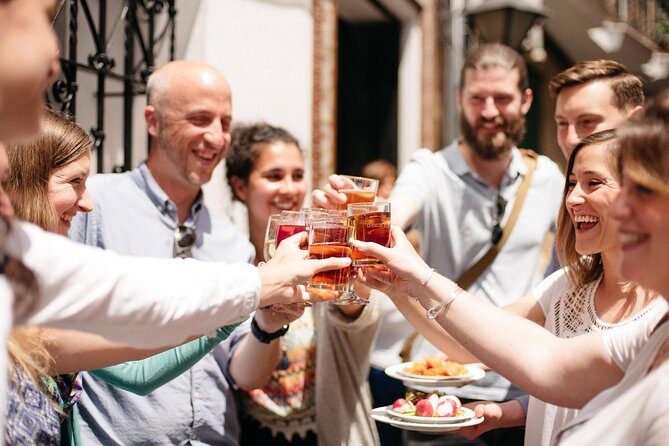
What we particularly love about this experience is how it balances quantity with quality. You’re not rushing through eight different tapas bars, snapping photos for Instagram. Instead, you’ll enjoy nine tastings and three drinks across seven carefully selected spots, which adds up to a genuinely filling meal while allowing time to actually savor what you’re eating and absorb what your guide is telling you. The small-group format—capped at ten people—means you’re not herded around like cattle, and your guide can actually engage with you as individuals rather than shouting facts to a crowd of thirty.
That said, there’s one consideration worth mentioning upfront: this tour isn’t suitable for vegans or those with gluten intolerance or celiac disease. While the company does accommodate pescatarians, vegetarians, and those avoiding dairy, they note that replacement options aren’t guaranteed at every stop. If you have serious food allergies, you’ll need to contact their team after booking and sign a waiver on the day. For anyone without these dietary restrictions, however, this tour is genuinely excellent.
This experience works best for food-focused travelers who want their first days in Lisbon to feel like a guided conversation with a knowledgeable local friend rather than a tourist checking boxes.
- What You’ll Actually Experience: Beyond the Basics
- The Itinerary: Seven Stops That Tell Lisbon’s Story
- Stop 1: Confeitaria Nacional
- Stop 2: Manteigaria Silva
- Stop 3: Ginjinha Sem Rival
- Stop 4: O Trevo
- Stop 5: O Gaiteiro
- Stop 6: Time Out Market Lisboa
- Stop 7: Manteigaria
- What You’ll Taste: The Menu That Tells Portugal’s Story
- The Guides: Why They Make or Break the Experience
- Practical Logistics That Actually Matter
- Dietary Accommodations: Know Before You Book
- The Value Question: Is It Worth .53?
- What Travelers Love Most
- One Potential Drawback Worth Considering
- Who Should Book This Tour
- Frequently Asked Questions
- The Best Of Lisbon!
- More Food & Drink Experiences in Lisbon
- More Tours in Lisbon
- More Tour Reviews in Lisbon
What You’ll Actually Experience: Beyond the Basics
 1 / 8
1 / 8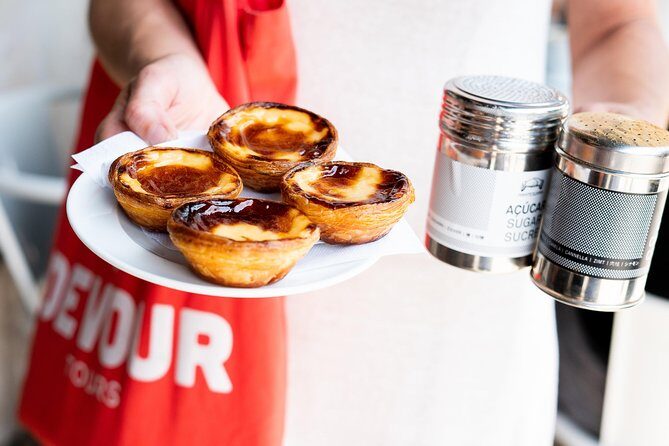 2 / 8
2 / 8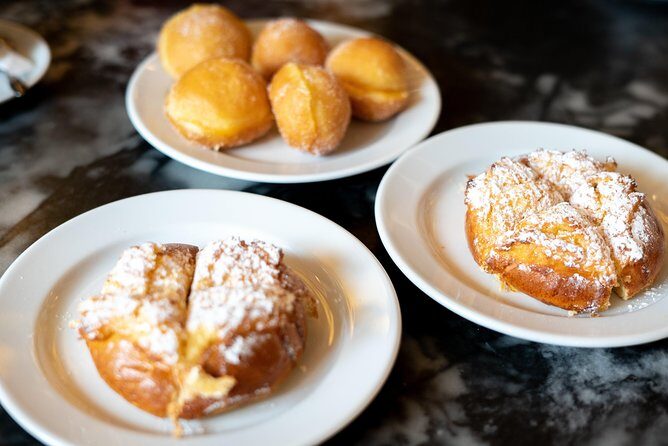 3 / 8
3 / 8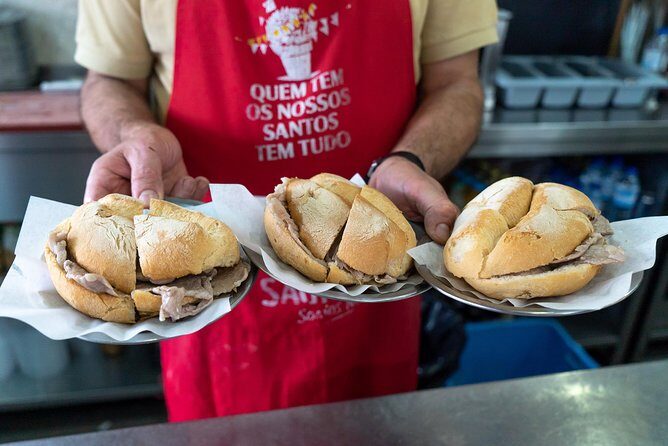 4 / 8
4 / 8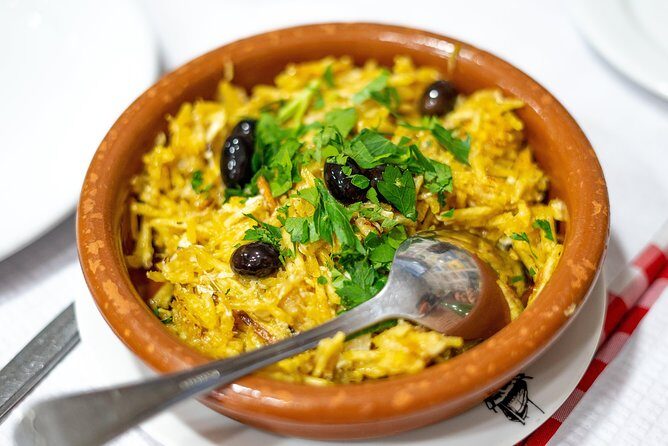 5 / 8
5 / 8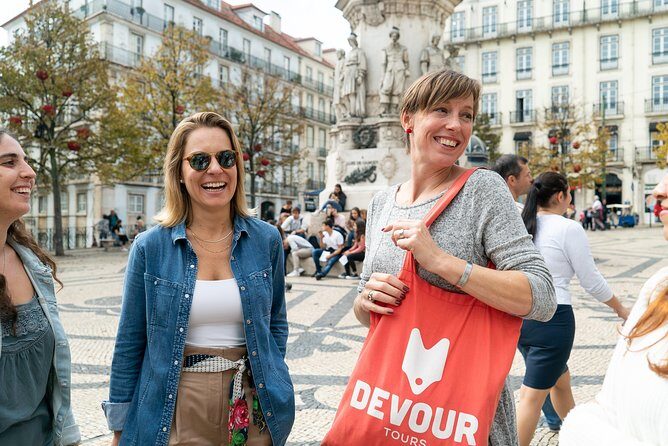 6 / 8
6 / 8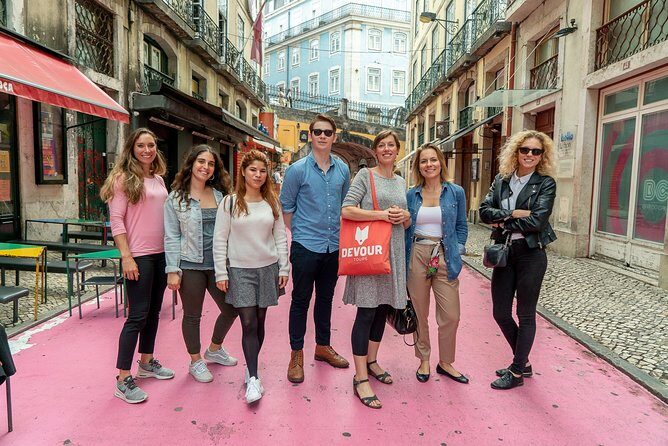 7 / 8
7 / 8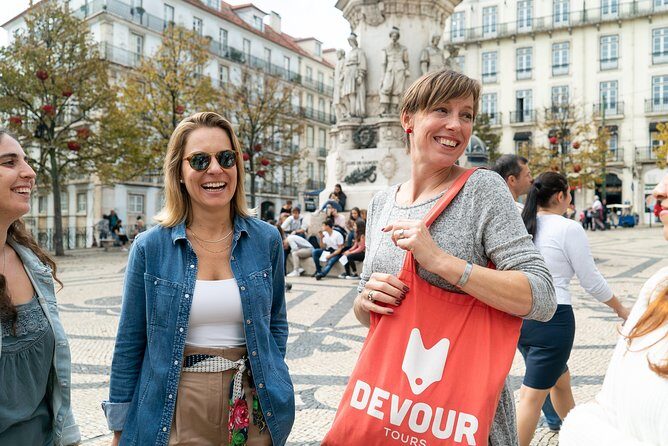 8 / 8
8 / 8At $95.53 per person, this tour offers genuine value when you consider what’s included. You’re not paying for a guide to point at buildings from across the street. Your price covers nine substantial food tastings, three drinks, an expert culinary guide, a printed guide to the city’s best eating spots, and all taxes and fees. For comparison, many food tours in European capitals charge $120–180 per person and offer less food and fewer drinks.
The tour operates for three and a half hours, which might sound brief until you realize it’s actually the perfect length. You’ll start at 10 a.m. near the Statue of John I in Praça da Figueira, meeting in Lisbon’s downtown core where the streets are manageable and the neighborhoods are walkable. The morning timing is intentional—you begin with breakfast-style foods and progress through lunch, finishing around 1:30 p.m. with enough food in your stomach to skip lunch entirely or enjoy only a light meal later.
The walking involved is moderate, and the company explicitly states you should be able to walk at a moderate pace without difficulty. This isn’t a high-intensity hiking expedition; it’s a leisurely neighborhood stroll with frequent stops to eat and learn. One reviewer who brought a ten-year-old noted the family “enjoyed the experience thoroughly,” which tells you the pace is accessible for various fitness levels.

👉 See our pick of the 14 Of The Best Walking Tours In Lisbon
The Itinerary: Seven Stops That Tell Lisbon’s Story
The tour takes you through three distinct neighborhoods—Baixa, Chiado, and Cais do Sodré—each with its own character and culinary significance. Rather than treating these as random stops, your guide weaves together the food, history, and culture in ways that make each neighborhood feel like a chapter in Lisbon’s larger story.
You can also read our reviews of more food & drink experiences in Lisbon


Stop 1: Confeitaria Nacional
You’ll begin at this historic hotel, one of Lisbon’s iconic pastry shops. This is where you might encounter the famous Pastel de Nata—the flaky, buttery custard tart that’s practically synonymous with Portuguese pastry. One reviewer mentioned finishing with “traditional warm fresh custard tart from a shop that only sells those,” and the quality of this particular item seems to resonate across reviews. Your guide will explain the history behind these confections, why they became so central to Portuguese culture, and what distinguishes a truly excellent version from a mediocre one.
Stop 2: Manteigaria Silva
Next, you’ll visit this butter and cheese shop, where you might sample Iberian ham—a precursor to understanding how Portuguese cuisine draws influences from neighboring Spain while maintaining its distinct identity. The ham tasting introduces you to the concept of curing, aging, and how geography influences flavor profiles.
Stop 3: Ginjinha Sem Rival
Here’s where you’ll encounter Lisbon’s signature sour cherry liqueur, ginjinha. This is genuinely important to understanding Portuguese social life. Ginjinha isn’t just a drink; it’s a tradition, something locals sip in small glasses at specific bars throughout the city. Tasting it with context—learning when and why Portuguese people drink it, what occasions call for it—transforms it from a novelty into a meaningful cultural touchpoint. One traveler noted savoring “Lisbon’s signature sour cherry liqueur,” and another mentioned “cherry liqueur” among the highlights, suggesting this stop consistently delights guests.
Stop 4: O Trevo
This traditional tasca (a small, family-run eatery) represents the kind of place where Lisbon’s working people have eaten for generations. A tasca isn’t trendy or Instagram-famous; it’s authentic in the way that matters—locals actually eat there. Your guide will likely explain what makes a tasca different from a restaurant, how these establishments have survived in an increasingly touristy city, and why eating here connects you to real Lisbon rather than tourist Lisbon.
You can also read our reviews of more tours and experiences in Lisbon



Stop 5: O Gaiteiro
Another neighborhood spot where you’ll encounter more traditional Portuguese fare. The progression through these establishments matters; you’re not just tasting food, you’re seeing how different establishments serve different purposes within the community.
Stop 6: Time Out Market Lisboa
This is the tour’s only stop at a more modern, curated venue. Time Out Market is a food hall featuring multiple vendors selected by the Time Out magazine editors. While it’s more contemporary than the traditional tascas, it’s not a tourist trap—it’s where locals actually eat lunch and grab quality food. Your guide will help you understand how this fits into modern Lisbon’s food scene and why even traditional food lovers appreciate what’s happening here.
Stop 7: Manteigaria
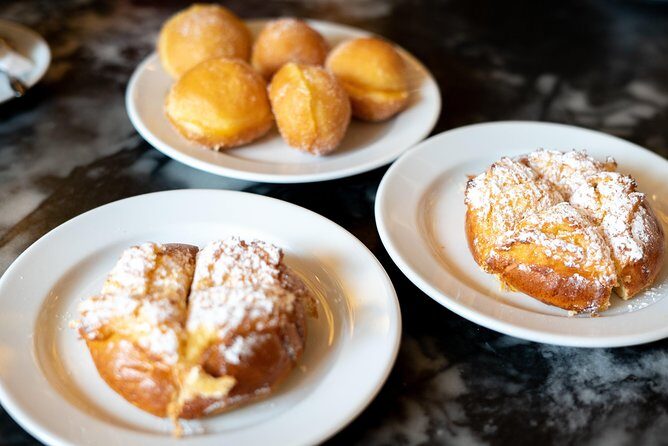
You’ll finish at a pastry counter where you might encounter Pão de Deus (literally “God’s Bread,” a sweet coconut roll) and Bola de Berlim (a Portuguese cream-filled pastry). The tour concludes with coffee and these final sweets, giving you a proper dessert course that feels like a natural ending rather than just another stop.
What You’ll Taste: The Menu That Tells Portugal’s Story
Understanding the menu helps you appreciate why this tour offers such good value. You’re not sampling bite-sized portions; you’re eating real food in real quantities.
You’ll begin with Iberian ham, a cured meat that demonstrates Portuguese connection to broader Iberian traditions. Then comes the bifana—a traditional pork sandwich that one reviewer described as “pork stew stewed overnight and on a bread roll” with “amazing taste.” This is the kind of sandwich that locals grab for lunch, not a fancy appetizer, yet it’s revelatory when you understand its preparation and history.
The canned sardines tasting might seem unusual until your guide explains Portugal’s relationship with the sea, how sardine fishing shaped the economy and culture, and why this simple preparation is so significant. One traveler specifically mentioned “dried cod, sardines” among the highlights, suggesting these seafood items resonate strongly.
Your main course features Bacalhau à Brás (salted cod), alheira (a traditional Jewish sausage with fascinating historical roots), and fish rice. These aren’t light appetizers; they’re substantial dishes that constitute real lunch. The Bacalhau à Brás, in particular, is worth understanding—Portugal has hundreds of ways to prepare dried salt cod, and this particular preparation uses thin-cut cod, potatoes, and olives in a way that’s both humble and sophisticated.
For dessert, you’ll encounter multiple items: the aforementioned Pastel de Nata, Pão de Deus, Bola de Berlim, and coffee. You’ll also sip ginjinha and wine, including Portugal’s distinctive green wine—a slightly fizzy, low-alcohol white wine that’s different from what most international travelers have experienced.
One reviewer who’d done food tours in Rome and Naples ranked this tour among the best they’d experienced, citing the variety and quality. Another specifically noted, “Do not have a big breakfast before doing this tour as you will be too full to try all the great and varied food.” That’s the kind of endorsement that matters—a genuine warning that you’ll be eating more than you expected.
The Guides: Why They Make or Break the Experience
Nearly every review mentions the guide by name and with genuine affection. Helena, Merritt, Cecilia, Alicia, Nina, Natalia, Anastasia—these guides appear repeatedly across reviews, and travelers consistently highlight how they transformed the experience from “nice food tour” to “memorable day in Lisbon.”
One reviewer wrote about their guide: “Helena led our walking food tour and truly embodied what’s best about the Portuguese spirit, proud of her city, open-minded, thoughtful, and passionate about sharing its food and stories.” Another noted that their guide “took us to places that felt very authentic and not touristy. Excellent explanation of the food and food history was provided.”
What stands out is that guides aren’t just knowledgeable about food—they’re knowledgeable about Lisbon’s history, social dynamics, and culture. One traveler mentioned their guide “was very knowledgeable about the food and the sights” and “shared her love of her city.” Another appreciated how their guide provided “good explanation of the background of how certain foods became popular.”
The company seems to have hired people who genuinely live in and love Lisbon, rather than hiring tour guides who also happen to do food tours. Several reviews mention guides who’ve lived in the city for years and developed real relationships with shop owners. One guest noted their guide “had great relationships with the local shop owners,” which explains why you’re not just getting a tour—you’re getting insider access.
Practical Logistics That Actually Matter
The tour meets at the Statue of John I in Praça da Figueira and concludes at Time Out Market Lisboa. Both locations are near public transportation, which matters if you’re staying in a different neighborhood. You don’t need to arrange transportation to the starting point, and you finish in a central location where you can easily catch a tram or metro back to your accommodation.
The maximum group size of ten people is genuinely important. Most food tours operate with groups of fifteen to twenty, which changes the dynamic significantly. With ten people, your guide can actually hear questions, adjust the pace if someone’s struggling, and create a social atmosphere rather than herding. Multiple reviewers specifically mentioned appreciating the “small group” size.
The tour is offered in English, and one reviewer specifically praised their guide for speaking “great English at an easy to understand pace.” If you’re not a native English speaker, this matters—you want clear communication, not rapid-fire slang.
The company offers free cancellation up to 24 hours before the tour, which provides flexibility for unexpected changes. They also note the tour requires good weather and will reschedule or refund if conditions are poor.
Dietary Accommodations: Know Before You Book
The company accommodates pescatarians, vegetarians, those avoiding dairy, and pregnant women, though they note replacement options aren’t guaranteed at every stop. If you have dietary restrictions, you’ll need to email their guest experience team after booking to arrange alternatives.
The tour isn’t suitable for vegans or those with celiac disease or gluten intolerance—this is worth knowing upfront rather than discovering on the day. If you have serious food allergies, you’ll sign an allergy waiver at the start.
One reviewer who was vegetarian noted their guide “made sure she also got food at each stop,” suggesting the company takes accommodations seriously. However, it’s clearly better to communicate dietary needs in advance rather than assuming everything will work out.
The Value Question: Is It Worth $95.53?
When you break down what’s included—nine food tastings, three drinks, three and a half hours with an expert guide, a printed guide to the city’s best spots, and all taxes and fees—you’re looking at roughly $10–11 per food item plus the guide’s time and expertise. Compare this to eating these items individually: a bifana might cost €4–5, a pastel de nata €1.50–2.50, a glass of wine €4–6. You’d easily spend €40–50 just on food without any of the context, history, or guided experience.
The real value, though, isn’t just in the food cost—it’s in the access and knowledge. Your guide knows which establishments are worth visiting, what to order, how to order it, and why each place matters. You’re not wandering into random restaurants hoping for good food; you’re going directly to places that locals actually eat at, guided by someone who has relationships with the owners.
For a first-time visitor to Lisbon, this tour essentially functions as a masterclass in how to eat well in the city for the rest of your trip. You’ll know where to return, what to order, and how to distinguish between tourist traps and genuine neighborhood spots.
What Travelers Love Most
Across nearly 1,800 reviews, certain themes emerge consistently. Travelers rave about the combination of food, walking, and history—it’s not just eating, it’s understanding. They appreciate the small group size and the guide’s knowledge and passion. Many mention the authentic, non-touristy nature of the stops. Several note they ranked this tour among the best food tours they’ve ever done in any city.
One particularly detailed review noted: “We have done food tours in many cities and this was one of the best ranking with Rome and Naples in our view.” That’s meaningful context—these are experienced food tour participants comparing across multiple continents.
Travelers also appreciate the practical aspects: the centralized location of stops, the ability to return on their own later, the generous portions, and the variety from breakfast through lunch.
One Potential Drawback Worth Considering
The only consistently mentioned criticism came from one reviewer who noted “the snack foods were better than the actual lunch, which was a bit underwhelming.” This suggests the sit-down lunch component might occasionally be less impressive than the earlier tastings. However, this was a single review among 1,782, and most travelers specifically praised the lunch components. It’s worth noting, but not a reason to avoid the tour.
Who Should Book This Tour
Book this tour if: You’re visiting Lisbon for the first time and want to understand the city through its food and history. You enjoy eating well and want expert guidance on where locals actually eat. You prefer small groups and guides over large tourist buses. You have three and a half hours to spend on your first or second day in the city. You want enough food for a full meal rather than just tastings.
Consider alternatives if: You have strict vegan or gluten-free requirements. You prefer to explore independently without a guide. You’re extremely time-constrained and need something shorter. You’re visiting Lisbon multiple times and want to focus on neighborhoods you haven’t explored yet.
Devour Lisbon: The Ultimate Portuguese Food Tour
Frequently Asked Questions
How much food will I actually eat?
The tour includes nine tastings and three drinks across seven stops, which amounts to a full meal equivalent. Multiple reviewers specifically noted they didn’t need lunch afterward, and one advised not eating a big breakfast beforehand because you’ll be too full. Portions are described as generous.
What if I have dietary restrictions?
The company accommodates pescatarians, vegetarians, those avoiding dairy, and pregnant women. You must email their guest experience team after booking to arrange alternatives. The tour isn’t suitable for vegans or those with celiac disease/gluten intolerance. If you have serious food allergies, you’ll sign a waiver at the start.
How far will I walk, and how difficult is it?
The company describes the walking as moderate, and you should be able to walk at a moderate pace without difficulty. The three neighborhoods are fairly centralized, so stops aren’t spread across the entire city. One reviewer brought a ten-year-old who “enjoyed the experience thoroughly,” suggesting the pace is accessible for various fitness levels.
What’s included in the $95.53 price?
The price includes nine food tastings, three drinks, an expert local guide, a printed guide to the city’s best eating spots, and all taxes and fees. It does not include transportation to or from the meeting point, though both start and end locations are near public transit.
Can I cancel if plans change?
Yes, the tour offers free cancellation up to 24 hours before the start time. If the tour is canceled due to poor weather, you’ll be offered a different date or a full refund.
What time does the tour run, and when should I book?
The tour starts at 10 a.m. and runs for approximately three and a half hours. On average, tours are booked 44 days in advance, so booking a month or more ahead increases your chances of getting your preferred date and potentially your choice of guide.
This tour represents one of the smartest ways to spend your first day or two in Lisbon. You’ll eat genuinely well, understand the city’s history and culture through its food, and gain insider knowledge that will inform how you eat for the rest of your trip. The small-group format, guides who actually love Lisbon, and carefully selected mix of traditional and contemporary spots combine to create an experience that nearly 1,800 travelers have rated as exceptional. At under $100 per person for a three-and-a-half-hour guided meal that amounts to a full day’s eating, it’s genuinely good value. Book this early in your Lisbon trip, come hungry, and prepare to see the city through a local’s eyes.