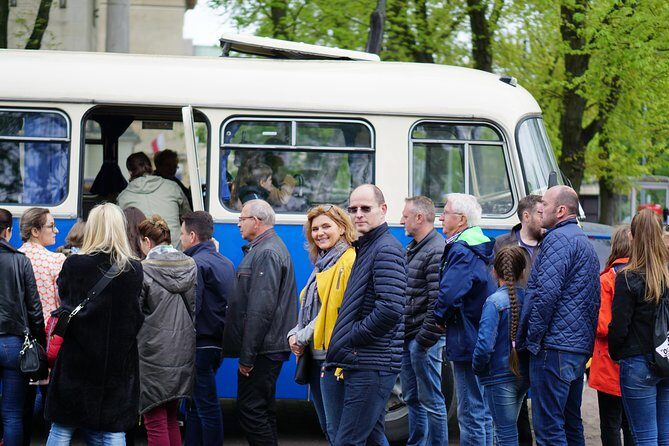
If you like Warsaw best when it’s a little less polished, this retro bus tour through the Praga District is a smart pick. You start at the Palace of Culture and Science area, head east, and learn why Praga became known as the darker side of the city—without turning the trip into a depressing history lecture.
What I really liked: the guide-led storytelling is sharp and funny, and you get a genuinely tasty, classic stop—hot chocolate from E.Wedel. You also see Praga’s street art, wartime scars (and survivals), and the pre-war feel you don’t usually get from standard city loops.
One thing to think about: the group can be big on some departures, and a couple of guests mentioned needing to move a bit fast at stops. If you want slow, unhurried walking time, I’d still plan for a busy schedule.
- Key takeaways before you book
- Touring the Praga District the easy way (and why it works)
- Price and logistics: what you’re paying for (and what you’re not)
- Meeting point: where to go without stress
- The retro bus experience: fun factor vs. comfort tradeoffs
- How long you’ll actually walk (and how much you’ll see from the road)
- Entering Praga’s story fast: Palace of Culture and Science to the first city myths
- E.Wedel: the 19th-century chocolate factory stop you’ll actually remember
- Sacred Heart Basilica and Warsaw East: architecture stops that help you read the city
- Koneser Warsaw Vodka Factory: how spirits connect to the district
- Praga Polnoc: why it earned the dark-side nickname
- Murals, WWII survivals, and the edges of political history
- A cinematic Warsaw moment: The Pianist street set stop
- Nowa Praga and pre-war courtyards: smaller time, bigger atmosphere
- Final stretch: Vistula River, Royal Castle views, and Warsaw Nike
- What the guides do well (and why you should care)
- Group size: fun with company, but it can affect your pace
- Practical tips so you enjoy the ride more
- Should you book? My straight answer
- FAQ
- Is the tour available in English?
- Where does the tour start?
- How long is the experience?
- What’s included in the price?
- Do I need to bring anything for the tour?
- What is the cancellation policy?
- More Tour Reviews in Warsaw
Key takeaways before you book
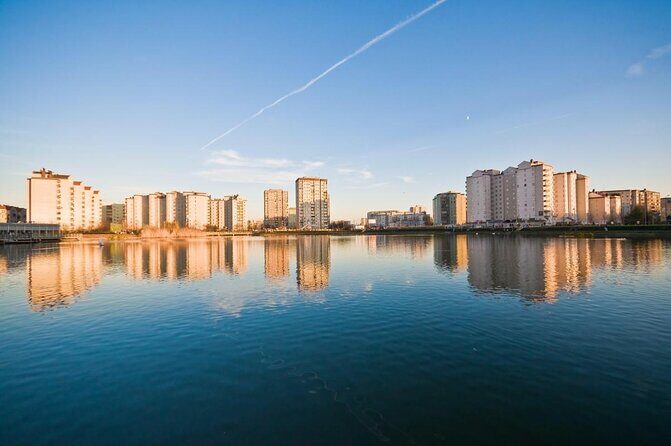
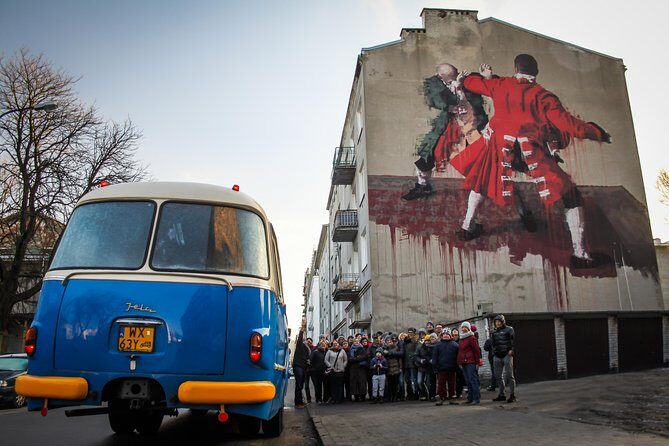
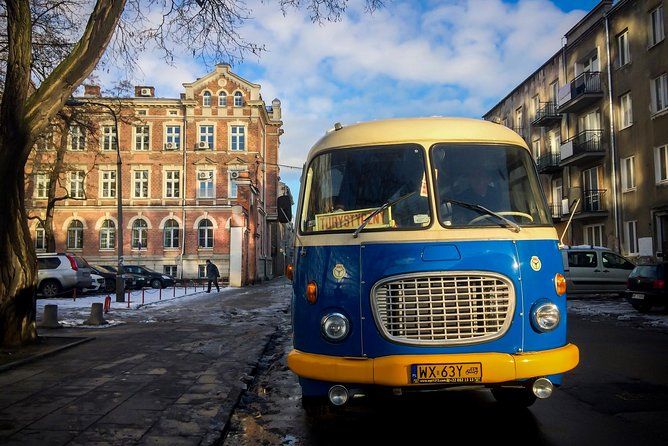
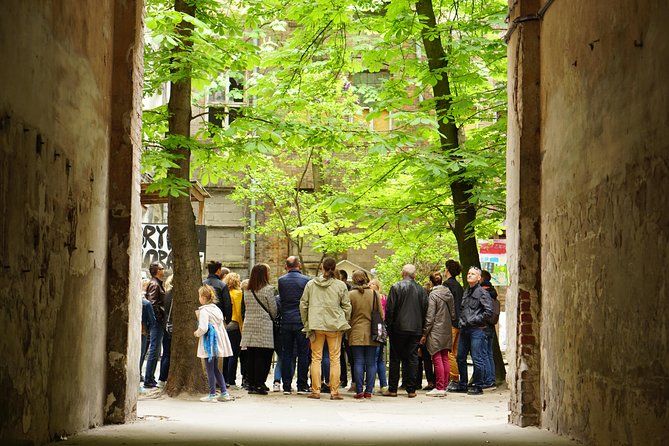
- Retro 1980s coach ride: the ride adds fun, and the moving commentary helps you get oriented fast.
- Hot chocolate at E.Wedel: a real factory stop, not just a quick photo moment.
- Praga’s WWII + Communism context: you’ll hear how those eras still show up in buildings, courtyards, and daily life.
- Cinematic Warsaw stops: you’ll visit streets linked to The Pianist.
- Views near the end: you’ll cross the Vistula River and get a panorama toward the Royal Castle.
- Good value for the time: at about 2.5 hours with a guide and transport, many travelers felt it was worth the money.
Touring the Praga District the easy way (and why it works)
Most Warsaw sightseeing focuses on the center. This tour flips that. Praga is where you see a different rhythm—older courtyards, preserved building edges, big mural walls, and the kind of street character that doesn’t show up in polished brochures.
The “dark side” framing matters, but it’s not horror-movie dark. It’s more like: Warsaw’s hard chapters are visible here. You’ll learn how WWII and later Communist rule shaped what stayed, what changed, and what people rebuilt. More than once, travelers mentioned that guides kept it interesting and approachable—often with humor—so it doesn’t feel heavy all the way through.
You can also read our reviews of more tours and experiences in Warsaw.

Price and logistics: what you’re paying for (and what you’re not)
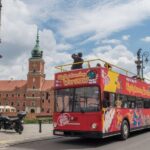
The price is $42.34 per person, and the tour runs about 2 hours 30 minutes. You’re paying for three things that add up fast on a short visit: an English-speaking guide, live commentary on board, and round-trip transport by a retro coach.
You get a cup of hot chocolate included. You don’t get hotel pickup or drop-off, and the tour doesn’t list food or drinks beyond the hot chocolate (so plan accordingly). Multiple travelers advised bringing your own drinks if you get thirsty.
Meeting point: where to go without stress
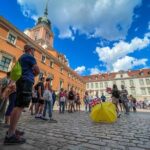
You meet at the Warsaw Tourist Information area at Pałac Kultury i Nauki (Palace of Culture and Science), pl. Defilad 1. This is a central, easy-to-find landmark.
The start time is listed as 11:00am, but the experience description also says buses may be waiting starting around 10:30am. So if you want a calm start, show up early and give yourself buffer time for lining up.
The retro bus experience: fun factor vs. comfort tradeoffs
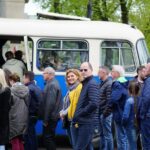
The whole point here is the ride. You’re on a retro-style coach (described as an older 1980s bus), and that makes the drive feel like part of the show instead of just transportation.
Comfort is mostly fine, but a few small notes came up:
- One traveler mentioned the bus heating/battery situation getting cold at one point, which led to a quick, hands-on moment.
- Another mentioned the exhaust system could be better managed.
- There’s also a comment that on very warm days, there’s no air-conditioning.
If you’re sensitive to heat or cold, dress for it. It runs in all weather conditions, so think layers.
How long you’ll actually walk (and how much you’ll see from the road)
This is not a “wander for hours” neighborhood hike. You’ll do short stop-offs, then roll on. That’s part of the value: the guide can cover a lot of ground in about 2.5 hours.
Some travelers felt the pace could be rushed during stops, especially on departures with large groups or latecomers. If you’re the type who likes lingering for photos, you’ll have to be strategic—snap your shots quickly and keep moving.
Entering Praga’s story fast: Palace of Culture and Science to the first city myths
After you board, the guide sets the tone immediately. You’ll cross or head over the area toward the Vistula River, and you’ll get a quick introduction to Praga’s background—how it was once its own separate city and how that identity still shows.
One of the early storytelling beats includes the Date Palm Tree in Warsaw’s city center and what it represents. You’ll also hear about something hidden in the basement of the National Museum during WWII. These moments are short, but they work well because they connect modern Warsaw landmarks to the wartime layer underneath.
E.Wedel: the 19th-century chocolate factory stop you’ll actually remember
This is the tour’s most obvious “treat,” and it’s not a gimmick. You stop at E.Wedel, a 19th-century chocolate factory, and you’re served a cup of hot chocolate (admission is free for this stop).
In plain terms: this is where the tour becomes more than facts on a bus. Even travelers who weren’t sure about the concept ended up praising the hot chocolate, including remarks about it tasting especially good even in warm weather. It’s a nice break from constant driving and it gives you a local product with a real history behind it.
Sacred Heart Basilica and Warsaw East: architecture stops that help you read the city
As you move through Praga and neighboring areas, you’ll get a look at two standout types of landmarks: grand religion and major infrastructure.
You’ll see the Basilica of the Sacred Heart of Jesus, described as one of the most beautiful churches in Poland. You’ll also hear whether Warsaw East railway station is considered among the most beautiful in Warsaw—this is the kind of guided “spot the details” moment that helps you notice things you’d normally miss from a passing bus.
These stops also matter because they show a Praga-adjacent Warsaw where beauty, rebuilding, and daily movement overlap.
Koneser Warsaw Vodka Factory: how spirits connect to the district
You’ll visit Koneser Warsaw Vodka Factory, with guide stories about how vodka ties into Praga’s past. You’ll also hear how industrial life shaped the neighborhood and how those old uses influenced the area’s later character.
This is a useful stop if you like history with a practical angle. Instead of just talking dates, the guide frames how people lived and worked—what was produced locally and why certain neighborhoods gained reputations.
Praga Polnoc: why it earned the dark-side nickname
The big emotional shift happens around Praga Polnoc, where you’ll hear why this district is described as the dark side of Warsaw. Travelers frequently described the guide tone as smart and not overly bleak, which makes this section hit better.
You’ll also get stories tied to a place nicknamed the Bermuda Triangle, known for scenic courtyards and pre-war architecture. The point isn’t just the nickname. It’s that Praga still holds shapes and spaces from before the worst disruptions—and those spaces make the district feel “real” instead of themed.
Murals, WWII survivals, and the edges of political history
Between Praga scenes, you’ll pass or stop near Brzeska and Stalowa streets, where you’ll see colorful murals showing Poland’s history and political climate. This matters because street art here isn’t just decoration. It’s a public bulletin of memory.
You’ll also hear about Różycki’s Bazaar, described as a former black-market area where customers could buy forged documents. That’s the kind of story that gives you a clearer picture of everyday survival during dangerous times.
Another industrial link shows up with a former vodka factory stop connected to the neighborhood’s working past.
A cinematic Warsaw moment: The Pianist street set stop
One of the coolest practical perks: you’ll visit a picturesque street that became a movie set for Roman Polański’s The Pianist. If you’ve seen the film, you’ll probably find yourself mentally swapping the modern street scene for the movie frames.
Even if you haven’t, this stop is helpful because it gives you a visual anchor. You’re seeing how filmmakers found the right textures—pre-war architecture and a lived-in street feel.
Nowa Praga and pre-war courtyards: smaller time, bigger atmosphere
You’ll reach New Praga and hear the founder story of the district. There’s also a stop where you’ll see the inner courtyard of a pre-war residential house.
This is often the moment travelers like most because courtyards are where Praga’s personality shows up. On a bus tour, it’s easy to feel like you’re only passing by. Courtyards break that. You get the sense of how people actually moved and lived around shared spaces.
Final stretch: Vistula River, Royal Castle views, and Warsaw Nike
Near the end, you cross back over the Vistula River, the big geographic anchor of Poland. Then you’ll get a panorama of the Royal Castle.
You’ll also see the Warsaw Nike, a memorial connected to those who died in Warsaw during WWII. This is a “quiet your mind” stop. The tour has covered a lot, and this helps you place it into a bigger picture of loss and rebuilding.
Finally, you return to the original meeting area at Pałac Kultury i Nauki.
What the guides do well (and why you should care)
This tour rises or falls on the guide. Based on traveler feedback, the standout theme is knowledgeable guidance with humor and pacing that keeps the group from getting stuck in dull lectures.
Different guides were mentioned by name, including Konrad, Marcin, Paweł, and Conrad. Multiple people noted guides handled tricky moments in the group well—like a loud or disruptive traveler—so the rest could still enjoy the tour.
That guide skill also matters because you’re hearing layered history: WWII, Communism, redevelopment, murals, and changing neighborhoods. A good guide makes those connections click.
Group size: fun with company, but it can affect your pace
Most travelers can participate, and the tour caps at 40 travelers. That’s what the experience data says.
Still, one traveler reported around 80 people split into 3 buses on their day. So, in real life, you may feel the difference between a smaller bus and a bus with a lot of people. Some guests specifically said a smaller bus felt better and more personal.
If you’re photo-focused or hate waiting, booking earlier can help, since you’re usually booking about 18 days in advance on average.
Practical tips so you enjoy the ride more
A few small things will improve your day:
- Bring water, since the tour doesn’t mention purchase options and one review warned you might not be able to buy drinks on-site.
- Wear comfortable shoes, but don’t expect long walking distances at each stop.
- Dress for all weather conditions. It runs rain or shine.
- If you’re sensitive to temperature, plan for a bus that might not feel perfectly climate-controlled.
Mobile ticket also means less hassle at check-in.
Should you book? My straight answer
If you want the classic Warsaw sights only, this might feel too offbeat. But if you like real neighborhoods, street art, and historical context that shows up in actual buildings, this is a strong option.
I’d especially recommend it if:
- You like guided storytelling with humor.
- You want good value in a short time window.
- You enjoy a mix of architecture, murals, and WWII-era memory.
- You like a practical treat stop—hot chocolate from E.Wedel—instead of just a photo break.
If you hate group energy, or you want a slow pace with lots of free time at each stop, just go in with your expectations set. This is built as a structured “see and learn” route.
Overall: this is one of the better ways to get a different side of Warsaw without spending your whole day chasing details.
Discover the Dark Side of Warsaw in Praga District by Retro Bus
FAQ
Is the tour available in English?
Yes. The tour is offered in English, and you’ll have an English-speaking guide with live commentary on board.
Where does the tour start?
You start at the Warsaw Tourist Information by Pałac Kultury i Nauki (Palace of Culture and Science), pl. Defilad 1. The tour ends back at the same meeting point.
How long is the experience?
It runs for about 2 hours 30 minutes (approx.).
What’s included in the price?
The tour includes a professional guide, live commentary on board, transport by a retro 1980s coach, and a cup of hot chocolate.
Do I need to bring anything for the tour?
Food and drinks aren’t listed as included (except the hot chocolate), so it’s smart to plan for that. The tour operates in all weather conditions, so dress appropriately.
What is the cancellation policy?
You can cancel for free up to 24 hours in advance for a full refund. After that point, refunds aren’t available.