
I’m a fan of WWI travel that doesn’t treat history like a checklist. This Flanders Fields Remembrance Tour runs about 13 hours from Brussels, with an expert guide, plenty of important stops, and a moving evening Last Post Ceremony at Menin Gate in Ypres. You ride a comfortable air-conditioned coach, then spend the day on foot at cemeteries, memorial sites, and battlefield ground that still feels hushed.
Two things stand out fast. First, the guidance is a major part of the experience—people consistently praise how knowledgeable the guides are, with teachers like Stefan and Dietrich mentioned as especially strong. Second, the places themselves hit hard in a good way: the quiet power of Vladslo and the scale of Tyne Cot make the history feel immediate.
One thing to consider: this is a long day. Some travelers note extra road time and a packed schedule, so if you dislike bus time, tight pacing, or late finishes, you’ll want to think carefully.
- Key moments that make this day work
- What this is really like: a remembrance pilgrimage, not a light tour
- Brussels meeting point and how the day starts
- The long-day reality: timing, energy, and pacing
- Stop 1: Vladslo German Military Cemetery and Käthe Kollwitz’s Grieving Parents
- Stop 2: Diksmuide and the Brooding Soldier monument
- Flanders Fields Museum: a context reset before more ground-level memorials
- Passchendaele battlefield: history on open land
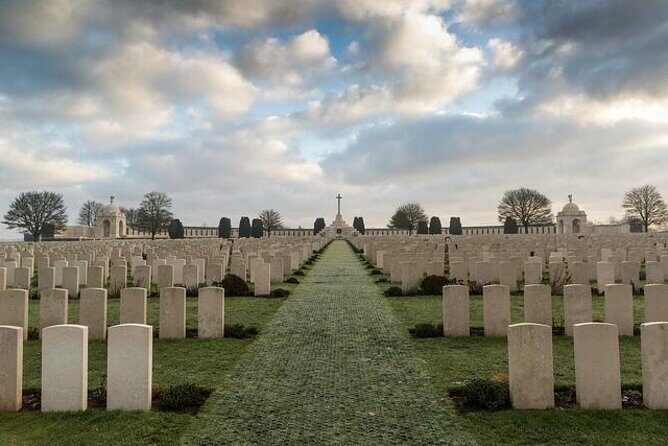
- Tyne Cot Commonwealth War Graves Cemetery: where scale becomes personal
- Essex Farm Field Hospital and John McCrae’s inspiration
- Hill 60: strategic tunnels and the engineering side of WWI
- Ypres free time: a chance to reset before the evening ceremony
- Menin Gate Last Post Ceremony: why people leave quiet and shaken
- Weather and footwear: what to bring for a WWI battlefield day
- Price and value: what 3.72 gets you (and what it doesn’t)
- Booking timing and flexibility
- Comfort and accessibility notes
- Who should book this tour?
- Should you book this remembrance tour or skip it?
- FAQ
- What time does the tour start?
- How long is the tour?
- Where do I meet the guide?
- Is lunch included?
- What is included in the tour price?
- Are the cemeteries and museum stops charged?
- Do I get free time during the day?
- Do I need hotel pickup?
- Is the coach air-conditioned and are radios provided?
- Can I cancel for a refund?
Key moments that make this day work
 1 / 8
1 / 8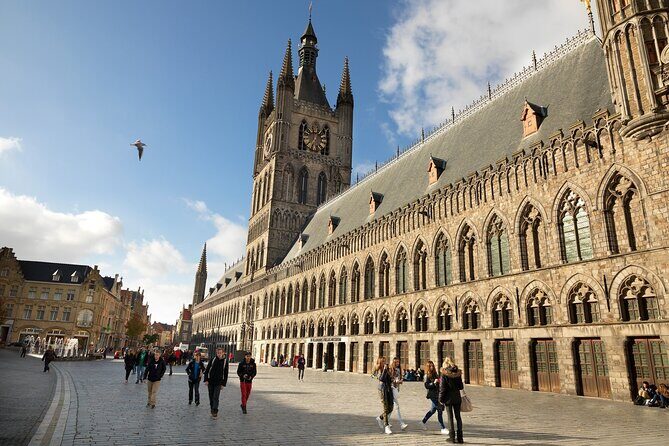 2 / 8
2 / 8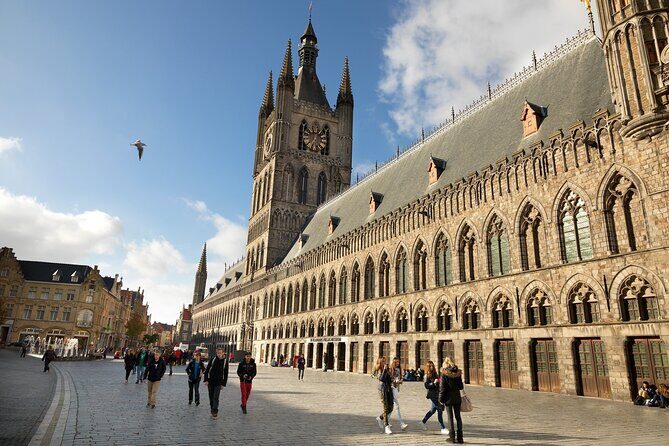 3 / 8
3 / 8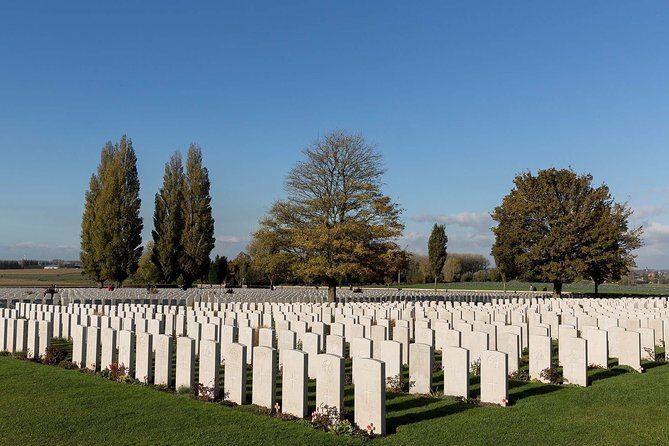 4 / 8
4 / 8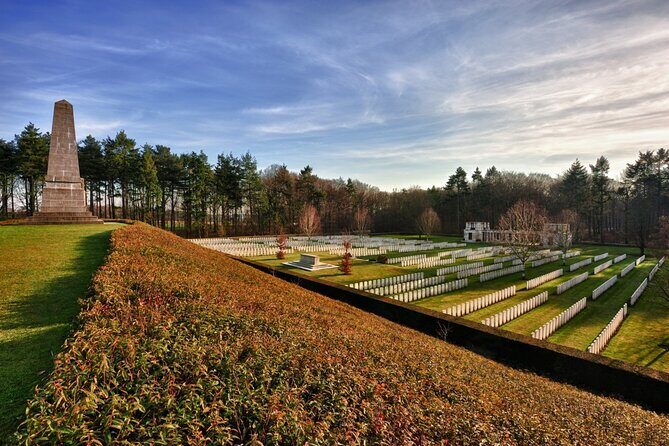 5 / 8
5 / 8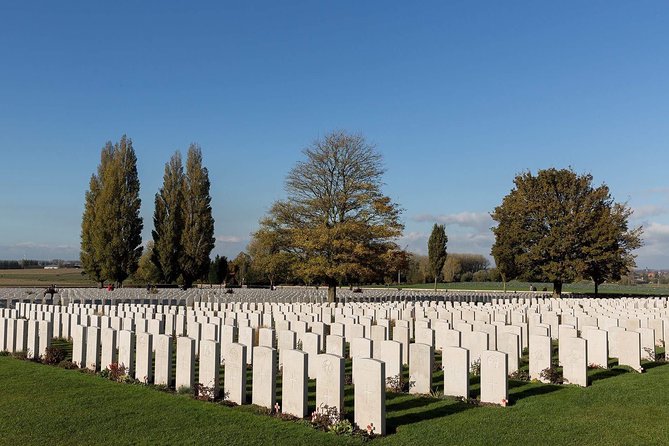 6 / 8
6 / 8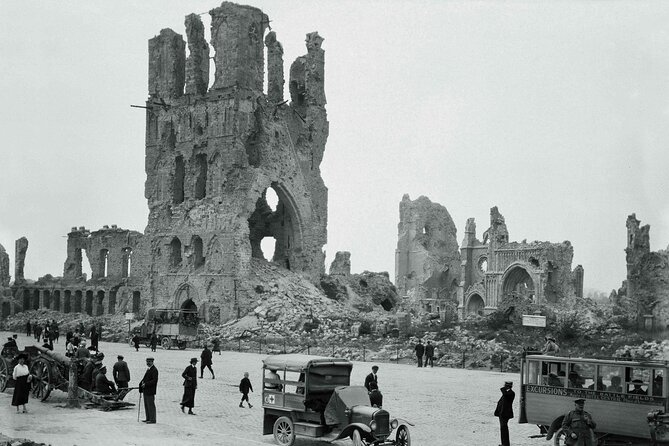 7 / 8
7 / 8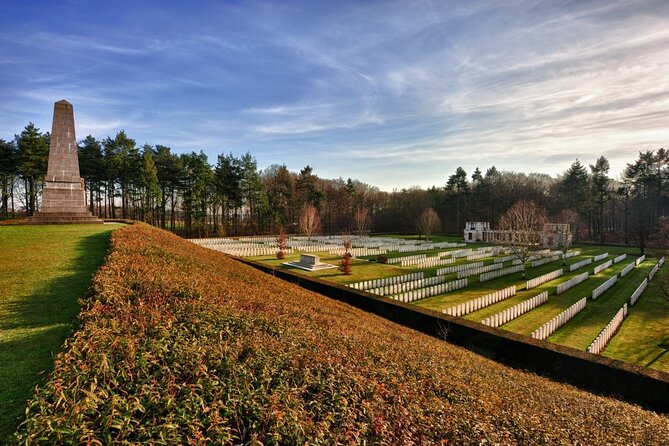 8 / 8
8 / 8- Vladslo’s Grieving Parents sculpture: a sculpture you feel in your chest before you fully understand the story.
- Tyne Cot’s vast Commonwealth graves: a cemetery that turns numbers into a human reality.
- Flanders Fields Museum timing: a museum stop that gives you context before you walk the landscape.
- Last Post at Menin Gate: the day ends with a daily tribute that many people remember for years.
- A WWI sequence, not random stops: the route keeps moving across the Western Front in a way that adds up.
What this is really like: a remembrance pilgrimage, not a light tour
This tour is built around WWI memory and battlefield geography in Flanders—the kind of day where you’ll learn, reflect, and keep wiping the emotional slate clean between stops. Expect a steady rhythm: coach travel, guided interpretation, then quiet time at cemeteries and memorials.
You’re not just seeing monuments. You’re being taught how to read the landscape. That matters, because WWI can feel confusing until someone connects dates, tactics, and suffering to the places you stand.
Brussels meeting point and how the day starts
You meet at Bd de Berlaimont 18, 1000 Bruxelles, starting at 9:15 am. The tour doesn’t include hotel pickup, so it’s easy to plan around a transit-friendly central meeting spot.
Once you’re onboard, you’re traveling in an air-conditioned coach. The group size is capped at 100 travelers, and you’ll have the benefit of radios/earphones when necessary, which helps keep the guide’s narration clear even on a busy bus.
The long-day reality: timing, energy, and pacing
Total duration is listed at about 13 hours, and that length shows up in two ways. You’ll spend a good chunk of the day on the road, and the schedule packs multiple major sites into a single day.
Some people love that intensity. Others say the day felt so full that a few stops could feel rushed, and there can be extra road time due to logistics. If you’re the type who wants fewer stops and more breathing room, plan your expectations accordingly.
Stop 1: Vladslo German Military Cemetery and Käthe Kollwitz’s Grieving Parents
The first major emotional anchor is Vladslo (Deutscher Soldatenfriedhof / Vladslo German War Cemetery). You’ll get time to explore a cemetery known for a haunting sculpture: Käthe Kollwitz’s Grieving Parents.
This is one of those places where the guide’s framing helps. The sculpture isn’t just art—it’s a way to visualize the civilian grief that sits behind battlefield headlines. Even if you’re not an art person, you’ll likely find yourself slowing down here.
Admission is listed as free, and that’s a nice bonus for value: a meaningful stop without extra entry fees.
Stop 2: Diksmuide and the Brooding Soldier monument
Next comes Diksmuide, where you see the monument of the Brooding Soldier. The tour frames it around the sacrifice of 2,000 Canadian soldiers during the first German gas attack.
Why this stop works: it gives you a specific event to hold onto while you move through broader memorial sites later. WWI history can blur unless you pin it to moments like this, and monuments often do that job well—quietly, without needing a textbook.
Flanders Fields Museum: a context reset before more ground-level memorials
After a lunch break, the day turns more educational at the Flanders Fields Museum. The museum visit is guided, and it’s designed to connect how the war developed with the conditions soldiers faced—especially the grim reality and chaos that shaped daily life.
This is an important pivot. If you went straight from Brussels to battlefields, you’d still learn plenty, but you might miss the “why” behind what you’re seeing. A museum stop helps you process what comes next at the cemeteries.
(And no, lunch isn’t included—so plan to eat on your own schedule during the listed break.)
Passchendaele battlefield: history on open land
Then you head to Passchendaele (Passendale), with about 30 minutes there. Admission is free, and the point isn’t to “tour” the area like a theme park. It’s to stand in the setting and understand how a battlefield landscape could become something else over time.
Some travelers like how this stop gives them a sense of place without feeling like you’re stuck for hours in one spot. Others may wish there were more time for questions or slower walking—especially after a long coach ride.
Tyne Cot Commonwealth War Graves Cemetery: where scale becomes personal
The tour’s biggest cemetery stop is Tyne Cot Commonwealth War Graves Cemetery. It’s described as the largest Commonwealth cemetery in the world, and you’re guided through the idea of paying attention to tens of thousands of lives at once—35,000 graves are specifically noted.
This place can feel unreal because it’s so orderly. But that order is the point: it’s memory made permanent. The guide’s explanations help you avoid turning it into just a “pretty memorial.” You’ll remember it as a place that forces you to connect the names and the rows with the cost of decisions far away from these grounds.
If you want a gut-punch moment in WWI travel, this is one of the best places to get it in a single day.
Essex Farm Field Hospital and John McCrae’s inspiration
Another key stop is Essex Farm Field Hospital, listed as the dressing station where Dr. John McCrae wrote his influential poem, In Flanders’ Fields. Time here is about 15 minutes.
This stop works especially well if you’ve read the poem. Even if you haven’t, the tour gives you enough background to understand why those lines became so powerful. Poetry has a way of making a tragedy stick, and the battlefield connection makes it feel less abstract.
Hill 60: strategic tunnels and the engineering side of WWI
You’ll also go to Hill 60, where the tour highlights strategic tunnels. This is a different angle on the war than trenches and memorials alone.
Even with limited time, it’s a useful reminder that WWI was also logistical and engineered. You’re seeing how people fought, moved, and tried to gain advantage beneath the surface.
Ypres free time: a chance to reset before the evening ceremony
After the cemetery and battlefield stops, the day moves to Ypres, where you get independent time and can enjoy dinner at your own expense. This downtime matters. You’ll be emotionally loaded from earlier sites, and a small window to wander or eat without a script helps you process the whole day.
Ypres also has that practical traveler vibe—cafés, walking lanes, and a town feel that contrasts with the cemeteries. Just don’t expect a full “vacation day” feel. This is still part of a structured remembrance trip.
Menin Gate Last Post Ceremony: why people leave quiet and shaken
The tour culminates at 8:00 pm at Ypres’ Menin Gate for the Last Post Ceremony, with about 30 minutes allocated. The ceremony is described as a daily tribute to Commonwealth soldiers and officers who were missing after battle.
Some travelers mention moments like a choir presence during the ceremony, which can make the experience even more moving. Either way, the tone is consistent: it’s simple, respectful, and hard to treat lightly.
This is the point where many people stop thinking in facts and start feeling the weight of what they learned. If you’ve come for history, you’ll still get it. If you’ve come for remembrance, you’ll feel it most here.
Weather and footwear: what to bring for a WWI battlefield day
The tour advises you to check the weather the day before and dress accordingly. Pack for rain just in case—raincoat, poncho, umbrella—and wear comfortable shoes. You’ll be walking in cemetery grounds and outdoor memorial areas, so blisters are your enemy.
Even on clear days, the ground can feel uneven and cool after long travel. Good shoes keep the day from turning into a pain management session.
Price and value: what $113.72 gets you (and what it doesn’t)
The price is listed at $113.72 per person for about 13 hours. That cost is mostly paying for three things: the expert guide, the air-conditioned coach, and guided access to the key sites across the region.
What’s not included is just as important. Lunch isn’t included, so you’ll need to budget for food during breaks and for dinner in Ypres. Everything else that matters most for value—transportation and the guide—is included.
You’ll also appreciate that many sites have free admission listed (including major cemetery and museum components). For a remembrance-focused day, free entry reduces surprise costs and helps you put more money toward dinner where it counts.
Booking timing and flexibility
This tour is commonly booked about 79 days in advance, which suggests it’s popular and tends to fill up. If you’re traveling during busier periods, booking earlier can help you lock in your preferred date.
There’s also strong flexibility: free cancellation is offered up to 24 hours before the start time for a full refund. If the minimum number of travelers isn’t met, the operator offers an alternative date/experience or a full refund.
Comfort and accessibility notes
The coach includes air-conditioning, and it’s built for touring with luggage onboard. Still, the experience is noted as requiring moderate physical fitness, and it’s not recommended for people with difficulty walking.
If stairs, long walking surfaces, or uneven ground are an issue for you, this may be tough. In that case, you might want a shorter or more accessible option—or at least plan for slower movement and breaks.
Pets aren’t allowed onboard, and that’s worth noting if you’re traveling with family animals.
Who should book this tour?
Book it if you:
- Want a guided route that makes WWI history easier to follow.
- Care about Commonwealth cemeteries and the memory of missing soldiers.
- Appreciate a structured day that ends with a meaningful ceremony at Menin Gate.
Consider a different plan if you:
- Hate long bus rides or late finishes.
- Prefer fewer stops and more free time.
- Are sensitive to emotionally heavy memorial content.
Should you book this remembrance tour or skip it?
If you’re deciding between “maybe” and “yes,” I’d lean toward booking—especially if you like learning from a strong guide and you want a single-day way to hit major Flanders WWI landmarks. The combination of knowledgeable interpretation, stunning memorial settings, and the chance to attend the Last Post gives this tour a rare “finished feeling” at the end of the day.
Just go in prepared for a long day and plan your meals around the fact that lunch and dinner are on you. If you can handle the schedule, this is the kind of trip you don’t just remember—you carry it.
Flanders Fields Remembrance Tour from Brussels
FAQ
What time does the tour start?
It starts at 9:15 am.
How long is the tour?
The duration is listed as approximately 13 hours.
Where do I meet the guide?
The meeting point is Bd de Berlaimont 18, 1000 Bruxelles, Belgium.
Is lunch included?
No, lunch isn’t included.
What is included in the tour price?
It includes an air-conditioned vehicle and a professional multilingual guide. Radios/earphones are also included when necessary.
Are the cemeteries and museum stops charged?
Admission is listed as free for the stops mentioned in the schedule (such as Vladslo, Diksmuide monument viewing, Flanders Fields Museum, Passchendaele, Tyne Cot, and Essex Farm Cemetery, plus the Last Post Ceremony).
Do I get free time during the day?
Yes. You’ll have free time on excursions, and there’s also independent exploration time in Ypres. Free time varies by excursion (45 minutes to 3 hours), depending on the day’s plan.
Do I need hotel pickup?
No. There is no hotel pick up or drop off. You’ll use the meeting point shown on your voucher.
Is the coach air-conditioned and are radios provided?
Yes, the coaches have air-conditioning. Radios plus earphones are provided when necessary.
Can I cancel for a refund?
Yes. You can cancel up to 24 hours in advance for a full refund.