
Flying to Japan With Kids
Let’s get the big number out of the way. Flying to Japan from the UK takes roughly 11 to 12 hours on a direct flight. With a stopover, you’re looking at 14 to 16 hours door to door, sometimes longer if you factor in connection times. It’s a long day. There’s no sugarcoating that. But having done it twice with children under six and once with a nine-year-old, I can tell you it’s completely manageable — and Japan is so spectacularly worth it that the flight becomes a footnote within hours of landing.
Here’s everything we’ve learnt about getting your family to Japan without losing your mind at 35,000 feet.
Direct Flights From the UK
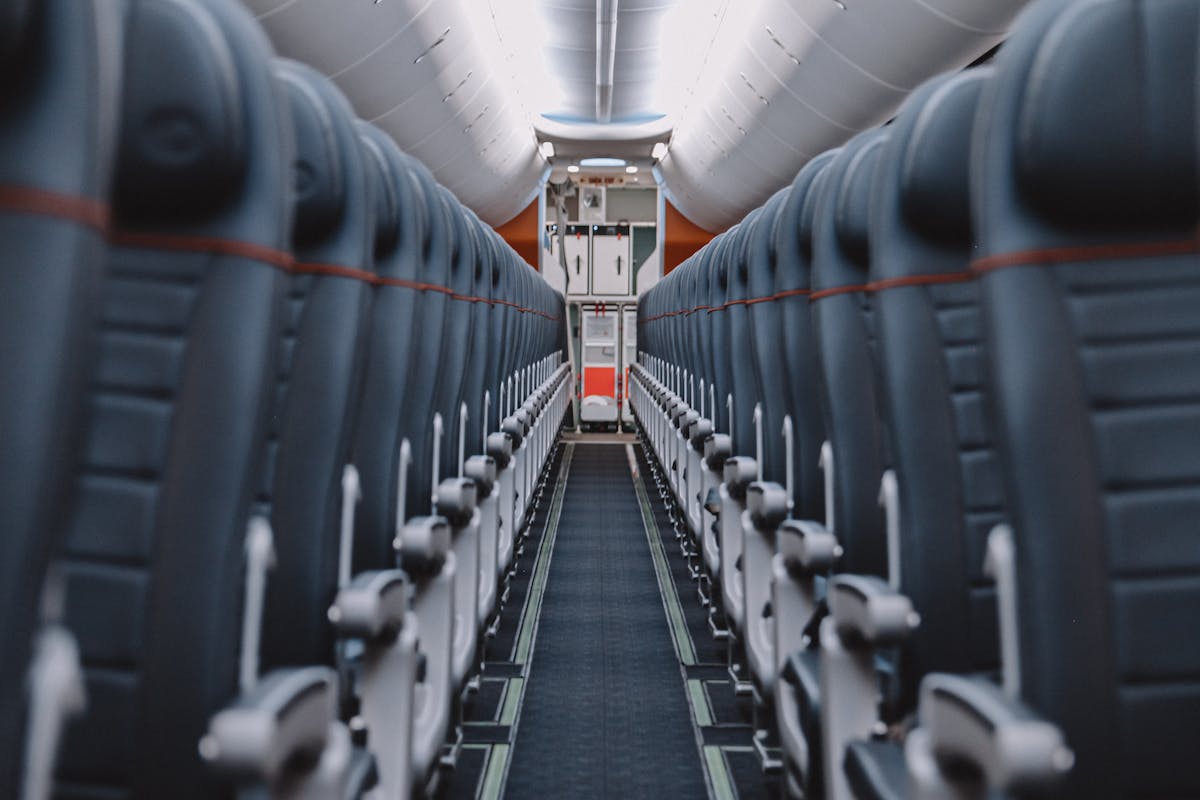
You’ve got three airlines running direct flights from London Heathrow to Tokyo, and the one you pick matters more than you might think.
British Airways flies Heathrow to Tokyo Haneda. It’s a perfectly adequate flight. The entertainment screens work, the food is airline food, and the cabin crew are professional. Fine. Nothing to write home about, but nothing to complain about either.
JAL (Japan Airlines) also flies Heathrow to Haneda, and honestly, this is a different experience entirely. The children’s meals are proper meals — rice, chicken, fruit — not just a sad bread roll and some crisps. The entertainment selection includes Japanese cartoons and Studio Ghibli films, which kept our youngest absolutely transfixed for three hours. The cabin crew noticed our toddler was getting restless before we did and brought over a little activity pack without being asked. That kind of thing makes a 12-hour flight feel significantly shorter.
ANA (All Nippon Airways) flies the same Heathrow to Haneda route and is similarly excellent with families. Clean cabins, attentive crew, good kids’ entertainment. Both JAL and ANA offer bassinets on request for babies under two — book early because there are limited spots on each flight. We requested ours at the time of booking and had no issues.
If you’re not wedded to flying direct, Finnair via Helsinki is worth a serious look. The connection breaks that monster flight into two shorter legs — roughly 3 hours to Helsinki, then about 9.5 hours onward to Tokyo. For families with very small children, this can actually be easier than one long haul. Helsinki airport is clean, calm, and has a decent play area. We’ve not done this route ourselves but several friends swear by it.
What It Actually Costs
In economy, expect to pay somewhere between £600 and £900 per person return for a direct flight to Tokyo. That’s the standard range. If you’re flexible on dates and keep an eye out, sale fares drop to £500–£700, which is genuinely good value for a 12-hour flight.
The sweet spot for booking? Three to five months ahead. Too early and the prices are inflated because the airlines know the keen planners will pay. Too late and the cheap seats are gone. We’ve found the best fares around four months out, booking on a Tuesday or Wednesday evening — whether that’s coincidence or actual pricing strategy, I couldn’t say, but it’s worked for us three times running.
For children under two, most airlines charge approximately 10% of the adult fare for a lap infant. No seat, obviously — they sit on you. It’s not glamorous, and a wriggly 18-month-old on your lap for 12 hours is nobody’s idea of fun, but it does save you several hundred pounds. Once they turn two, they’ll need their own seat at the child fare, which is typically 75% of the adult price.
JAL and ANA Are the Ones to Book for Families
I’ll be direct about this. If you’re travelling with children, JAL or ANA should be your first choice. The difference isn’t subtle.
Japanese airlines treat families like welcome guests rather than inconveniences. The crew will warm bottles. They’ll bring toys. The toilets have changing facilities that actually work and aren’t covered in mystery liquid. The bassinets are available on bulkhead rows for babies under 10kg. The children’s entertainment is genuinely entertaining, not an afterthought.
BA is fine. We’ve flown it and survived. But “survived” is doing quite a lot of heavy lifting in that sentence.
Budget airlines do fly routes to Japan, usually with connections through Asia. I’d strongly recommend against this with small children. Twelve hours in a cramped budget seat with no proper entertainment system and meals that cost extra is a recipe for misery. Save your budget-airline bravery for the short hops around Europe.
Haneda vs Narita: This Decision Matters
Tokyo has two airports. Haneda and Narita. If someone tells you it doesn’t matter which one you fly into, they either don’t have children or have a very selective memory.
Haneda is about 30 minutes from central Tokyo by monorail or train. You land, get through immigration, collect bags, hop on a train, and you’re in Shinjuku or Shinagawa before the jetlag has properly kicked in. With tired children, this is gold.
Narita is 60 to 90 minutes from central Tokyo. Sometimes longer if traffic is bad and you’re in a bus or taxi. After 12 hours on a plane with children who have reached their absolute limit, that extra hour feels like a week. Trust me on this.
Haneda flights sometimes cost £50–100 more per person. Pay it. Genuinely. The money you save on your own sanity and the taxi you won’t need because your toddler had a meltdown on a 90-minute train is worth every penny. Most direct flights from Heathrow on JAL, ANA, and BA now land at Haneda anyway, which is a relatively recent and very welcome change.
Dealing With Jetlag (the Honest Version)
Japan is GMT+9, so depending on whether the UK is on British Summer Time or Greenwich Mean Time, you’re looking at 8 or 9 hours ahead. That’s a big shift. Not the biggest in the world, but enough that your children’s body clocks will be thoroughly confused.
Here’s what worked for us. If you can, book a flight that arrives in Tokyo in the evening, local time. Several of the direct flights from Heathrow land around 9 or 10am Japan time, which means your kids have been awake all night on the plane and are now expected to stay functioning until bedtime. Hard going.
The afternoon arrivals — or the ones that land early evening — are better. You get to the hotel, have a bath, maybe grab some convenience store onigiri for dinner, and fall into bed at a reasonable Japanese hour. Our kids adjusted within two to three days using this approach. On the trip where we arrived in the morning and tried to push through, it took nearly five days. Never again.
One trick that helped: shift bedtime by an hour a night for a few days before you fly. It’s not always practical, especially during term time, but even a two-hour shift makes the first day less brutal.
What to Pack in Your Hand Luggage
This list has been refined through trial, error, and one flight where we forgot the headphones and learned exactly how loud a tablet can be in a quiet cabin at 2am.
Tablets. Loaded with downloaded shows and films before you leave home. Don’t rely on airport WiFi or the airline’s entertainment for everything. Our eldest watched the entire series of Bluey on the outbound flight and I have zero regrets about that screen time.
Kids’ headphones. Preferably the volume-limiting kind. Pack a spare pair if you have them.
Snacks from home. Familiar ones. Japan’s convenience stores are extraordinary and you’ll eat brilliantly once you land, but mid-flight is not the time to introduce your four-year-old to rice crackers. Bring what they know. Raisins, breadsticks, those little cheese things. Whatever gets you through.
A full change of clothes for each child. In a ziplock bag. You’ll know why if you’ve ever been on a long-haul flight with a child who gets travel sick. And a spare top for yourself, honestly.
Nappies and wipes if your little one is still in them. Pack more than you think you need. Airlines have a few on board but not always the right size and not always enough.
A favourite toy or comfort item. Just one. Not the entire toy box.
An empty water bottle. Fill it after security. Staying hydrated on a 12-hour flight makes everyone feel better, and asking the cabin crew for water every 45 minutes gets old fast.
Car Seats, Pushchairs, and Other Kit
Good news. You almost certainly don’t need to bring a car seat to Japan. Taxis are exempt from car seat requirements, children travel without them on trains and buses, and unless you’re specifically planning to rent a car (which most families visiting Tokyo, Kyoto, and Osaka won’t need to do), leave the car seat at home. One less enormous piece of luggage to wrestle through the airport. Brilliant.
Pushchairs are a different story. Bring a lightweight, compact one. Japan’s pavements are generally smooth and well-maintained, but you’ll be going up and down stairs, through train station gates, and in and out of taxis regularly. A big travel system will slow you down. Our lightweight umbrella fold stroller was perfect — small enough to collapse one-handed, light enough to carry up stairs when lifts weren’t available.
All major airlines will gate-check your pushchair for free. You use it right up to the aircraft door, hand it over, and it’s waiting at the other end when you get off. Some families prefer to rent a pushchair in Japan instead — several companies deliver to your hotel — but we found it simpler to bring our own.
Arriving at Haneda Airport
Immigration at Haneda is efficient. Genuinely efficient, not “efficient for an airport” efficient. We’ve been through in 20 minutes each time, including the fingerprint and photo process. English signage throughout is clear, and the staff speak enough English to help if you get confused. Which you might, because you’ll be shattered.
Before you leave the airport, pick up Suica or Pasmo cards for the family. These are rechargeable IC cards that work on virtually every train, bus, and metro in the Tokyo region and beyond. Tap in, tap out. No fiddling with paper tickets every time you change lines. Children under six don’t need one — they travel free on most public transport — but anyone over six should have their own card. You can buy and charge them at the machines in the arrivals area. They also work at convenience stores and vending machines, which is unexpectedly handy.
From Haneda, the Tokyo Monorail or Keikyu Line will get you into central Tokyo in about 30 minutes. Both accept Suica and Pasmo cards. A taxi to central Tokyo costs roughly ¥6,000–8,000 (£25–35) and takes 30–45 minutes depending on traffic. With three exhausted children and six pieces of luggage, we took the taxi on our last trip and don’t regret it for a second.
Is It Worth It?
Yes. Completely and without reservation. The flight is long. The jetlag is real. The logistics of getting four people and all their stuff onto an 11-hour flight require some planning. But Japan with children is one of the best family holidays we’ve ever had. Safe streets, incredible food, trains that run to the second, and a culture that genuinely welcomes families. The flight is just the bit you get through to reach somewhere extraordinary.
Start planning your trip with our complete guide to family travel in Japan, find the best places to stay with our Tokyo family accommodation guide, and work out whether the Japan Rail Pass is worth it for your family.