
Quick review of Go Local for a Day in Málaga
This 2.5-hour small-group walk in Málaga (max 10 people) is a smart way to get oriented fast, then go deeper with local stories instead of a standard checklist tour. You start in Plaza de la Merced at 10:30 am and finish near Mercado de Atarazanas, with stops that link art, religion, and street life.
Two things I really like: you get colorful, lived-in history that connects places like Picasso and Holy Week to how locals think about their city, and you end up at the market and other food moments instead of just looking and moving on. Most travelers also mention an especially warm, personal guide, often called Isa/Isabel.
One thing to consider: food is more of a sampling than a full meal, and a few guests noted they expected more variety at the market beyond the items they tried. If you’re coming hungry for a big tasting tour, you’ll want to set expectations or plan a proper lunch after.
- Quick review of Go Local for a Day in Málaga
- Key highlights you can actually plan around
- A local-style start in Plaza de la Merced
- Picasso, the city, and why the route feels connected
- Church of Santiago: secrets you can look for
- Alcazaba views from Alcazabilla Street
- Malaga Cathedral: a symbol, not just a building
- Plaza de la Constitución: where locals gather (and coffee lore)
- Calle Larios and the fried almonds snack
- Mercado Central de Atarazanas: a market stop that teaches you how to read it
- Food and drink: sampling that supports the stories
- Stunning views without the planning headache
- Who this tour is best for
- The guide factor: warmth, humor, and useful tips
- Price and value: why .28 makes sense
- Logistics you should know before you go
- Weather, minimum travelers, and cancellation rules
- Accessibility and pace: can most travelers handle it?
- Should you book Go Local for a Day?
- FAQ
- What is the duration of the Malaga Go Local for a Day tour?
- How much does the tour cost and in what currency is it listed?
- How many people are on the tour?
- What language is the tour offered in?
- Where do I meet and where does the tour end?
- Is there free cancellation?
Key highlights you can actually plan around
 1 / 8
1 / 8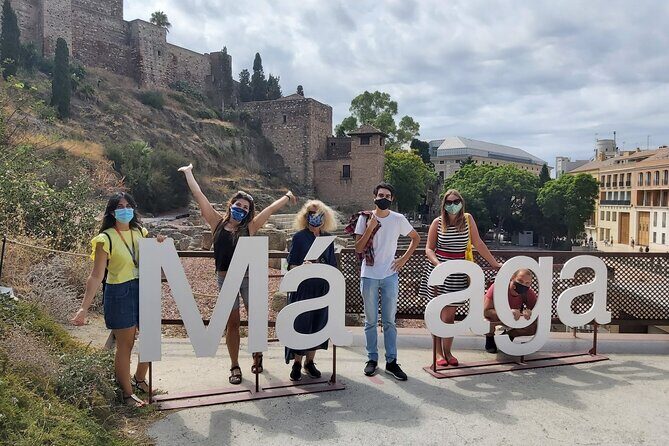 2 / 8
2 / 8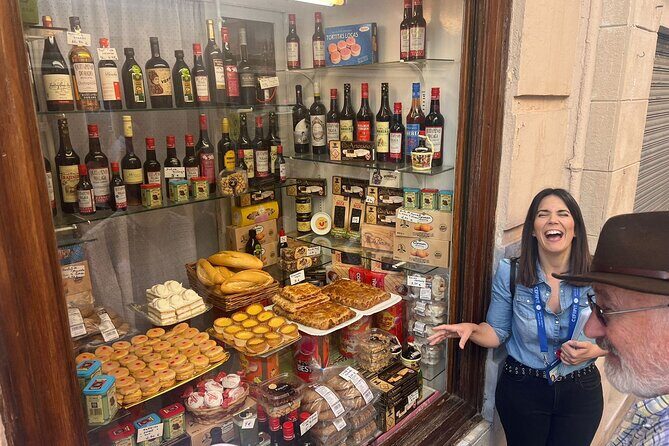 3 / 8
3 / 8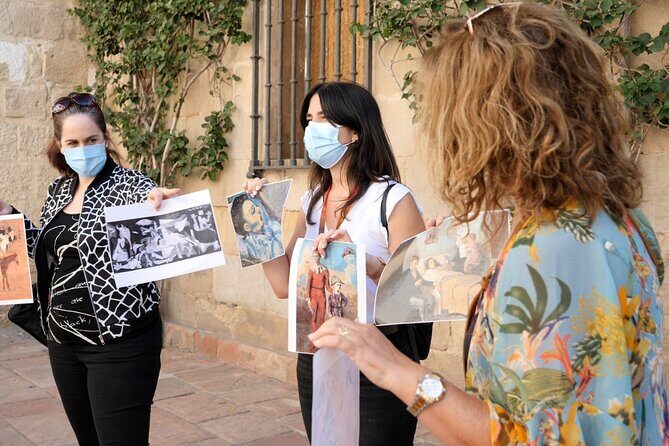 4 / 8
4 / 8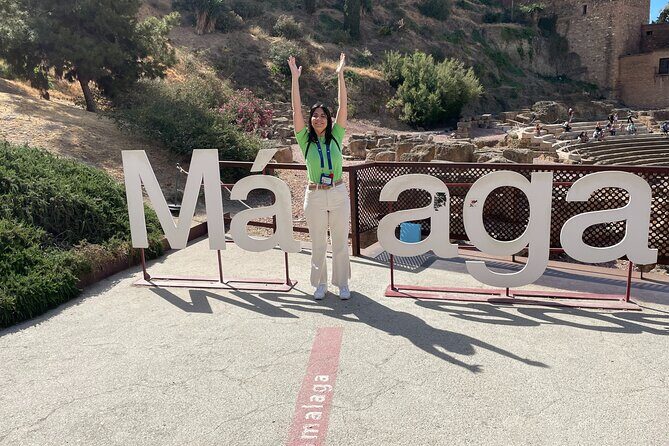 5 / 8
5 / 8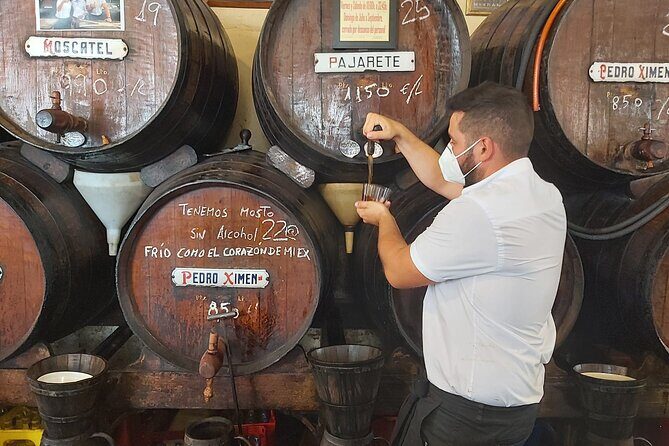 6 / 8
6 / 8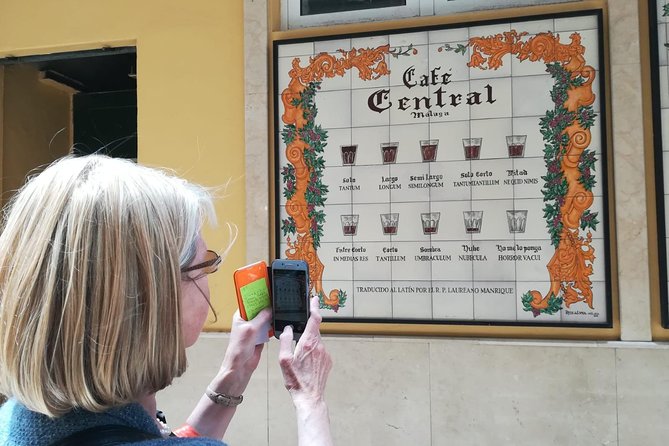 7 / 8
7 / 8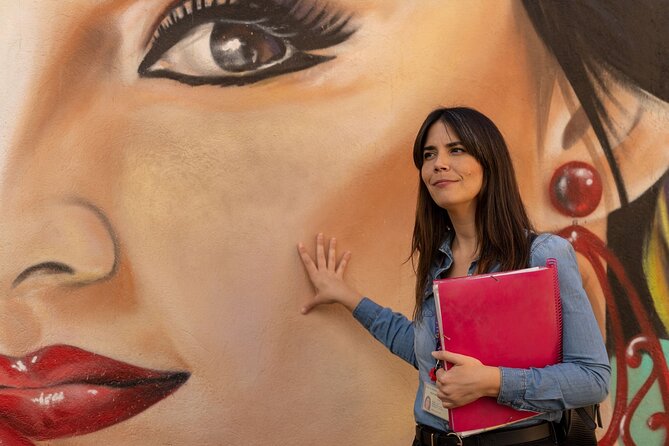 8 / 8
8 / 8- Max 10 people means easier questions and less standing around
- Free entry is built in for each listed stop, so you’re not juggling ticket costs
- Big viewpoints at Alcazaba area for Roman Theatre + fortress views
- Local food sampling along the route, including almonds and a snack at Calle Larios
- Mercado de Atarazanas with practical explanations of what you’re seeing
- Great guide feedback from guests, especially about humor and local recommendations
A local-style start in Plaza de la Merced
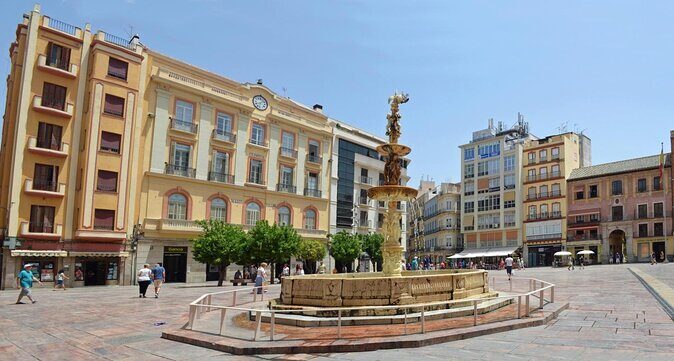
You begin at Pl. de la Merced, 25 in Málaga’s Centro. It’s an easy starting point, and the first stop sets the tone: you’ll have coffee or tea while your guide talks about the square, Málaga itself, and ties to Picasso. That matters, because you’ll carry those ideas with you as the route moves from neighborhoods to landmarks.
Practical tip: if you’re sensitive to morning caffeine, take a pause and sip slowly. This isn’t a “walk, then info” tour. The early talk helps you understand why later sights feel the way they do.
Picasso, the city, and why the route feels connected
Plaza de la Merced isn’t just a pretty plaza. Your guide uses it like a launchpad. Expect stories that connect Picasso to how Málaga presents its identity, and how residents point out details travelers often miss. Guests consistently highlight the guide’s ability to make the city feel personal, not museum-quiet.
If you’re visiting for the first time, this kind of framing is gold. It helps your brain label what you see later: church facades aren’t just architecture, and squares aren’t just empty space between streets.
Church of Santiago: secrets you can look for
Next you head to the Church of Santiago. Before the church stop, you’ll try local specialties along Granada Street. Then you’ll visit the church and hear how it hides stories inside. Even though you’re not going to be in the building for ages (about 20 minutes), the point is to know what to look for.
Possible drawback: with short stops, you’ll get “guided attention,” not “wandering time.” If you want long, quiet museum-style visiting, you might need extra solo time afterward.
Alcazaba views from Alcazabilla Street
Then comes one of the best payoff segments: the Alcazabilla viewpoint area near the Alcazaba. You’ll get views over the Roman Theatre and the fortress area, plus a connection to Holy Week traditions, which locals take seriously.
This is also where the tour earns its “wow” factor. Málaga’s top sights are spread out, and it’s easy to miss the best sightlines if you arrive at random. Here, you’re guided to a viewpoint that ties history and present-day festival culture together.
Photo note: bring your camera/phone ready. The scenic moment is short, and you’ll want a clean frame before the group keeps moving.
Malaga Cathedral: a symbol, not just a building
Your route continues to Málaga Cathedral. You’ll learn how it was constructed and why it’s one of the key symbols for malagueños. This stop works best when you listen for the “why.” The guide isn’t only listing dates and architecture terms; they’re showing how locals read the cathedral as part of their city’s identity.
Even if you’re not a church person, the cultural context makes this stop more than a photo stop. You’ll probably walk away thinking, So that’s why locals point at it the way they do.
Plaza de la Constitución: where locals gather (and coffee lore)
At Plaza de la Constitución, you’re told it’s more than a plaza. It’s a place where locals gather. And yes, you’ll hear a quirky detail tied to coffee: the idea of 9 different types of coffee in Málaga.
That kind of info sounds small, but it changes how you travel. Once you understand what locals argue about (including coffee), you can order like you’re fitting in rather than trying to “guess the right thing.”
Calle Larios and the fried almonds snack
Next is La Calle Larios, the central “heart of the city” stretch. You’ll hear secrets behind the street and even a bit about the family connected to its construction. It’s a quick history lesson built into a stroll through a street you’d otherwise rush through.
You’ll also have a typical snack moment: fried almonds. This is where you start to feel like the tour is not only about landmarks, but also about everyday habits and tastes.
If you have nut allergies, you’ll want to be cautious. The tour’s food sampling includes almonds, and while the data confirms general participation for most travelers, it doesn’t provide a swapping policy for specific allergies.
Mercado Central de Atarazanas: a market stop that teaches you how to read it
The day ends at Mercado de Atarazanas. Expect explanations for why the central market is called that, plus local naming ideas tied to fish, and the main products people consumed. The market portion is about 20 minutes, so think of it as orientation plus a taste, not a full shopping spree.
Several guests mentioned that the market sampling may be lighter than expected, often focused on items like almonds and olives, plus a final drink (wine is frequently praised). One traveler even noted the wine at the end was very nice. So plan your shopping budget accordingly: if you want to buy cheeses, cured meats, or anything more, you’ll likely do it after the guided segment.
Market strategy you’ll actually use: look at what people buy repeatedly, then ask where locals would eat nearby. Your guide’s recommendations tend to carry more weight than generic blog tips, because they know what works in real life.
Food and drink: sampling that supports the stories
Here’s how I’d describe the eating moments based on what guests reported: it’s a series of small tastings that match the route themes, not a heavy meal ticket. You’ll hear about local specialties near Granada Street, you’ll snack on fried almonds on Calle Larios, and you may sample items at the market such as almonds and olives.
The best part for many travelers is the end-of-tour drink. Multiple guests specifically call out the wine as a highlight, with at least one mentioning an older wine bar experience. That’s great because it gives the tour a “finish line” feeling, not an abrupt stop in a crowd.
If you’re the type who needs carbs and protein for energy, bring a small snack for between stops. The tour clocks short segments, and you don’t want to run out of fuel.
Stunning views without the planning headache
The standout scenic piece is the Alcazaba area viewpoint, where you can see the Roman Theatre and fortress from a good angle. This is where the tour saves you effort. You’d have to know where to stand and how to angle your time; here, it’s built in.
On a practical level, it also helps with pacing. You don’t wander for an hour trying to locate the “best spot.” The group gets the view, you get the context, and you move on while the rest of your day stays intact.
Who this tour is best for
This tour is perfect if:
- You want a first-day introduction to Málaga’s layout and personality
- You like guides who talk like locals, with humor and Q&A time
- You want a small-group stroll rather than a big bus-style experience
- You enjoy food sampling but don’t need a full meal as part of the program
It may be less ideal if:
- You want long time at each landmark to linger and explore independently
- You expect a big multi-item tasting spread at the market (some guests found the market sampling was more limited)
The guide factor: warmth, humor, and useful tips
Across the feedback, the guide is repeatedly singled out for being knowledgeable and friendly. Many guests refer to the guide as Isa/Isabel (and one uses Issa), and describe a personal style that makes you feel like you’re walking with someone who genuinely loves Málaga.
Specific extras guests mention include:
- Tip sheets for restaurants and places to visit
- Handwritten postcards given to each guest
- Clear communication and flexibility in meeting logistics (one guest praised WhatsApp coordination on a cruise-tied schedule)
Not every tour includes those little touches, so it’s a real reason this one stays memorable.
Price and value: why $36.28 makes sense
At $36.28 per person for about 2 hours 30 minutes, this price lands in a good value zone for Málaga. Why? Because several costs are handled for you: the listed stops are marked as free admission, and you’re also getting guided food moments plus local recommendations.
The biggest value isn’t only the savings. It’s the time-and-thinking you avoid. Instead of figuring out where to go for the “right” viewpoint, how to connect Picasso to street-level landmarks, and what to ask at a market, you get someone to translate all of that while you walk.
Logistics you should know before you go
- Language: English
- Tickets: mobile ticket
- Group size: up to 10
- Meeting time: 10:30 am
- Meeting point: Pl. de la Merced, 25 (Centro)
- End: near Mercado de Atarazanas
- Transit: near public transportation
- Service animals: allowed
- Weather: requires good weather
Good to know: it’s capped at 10 travelers, so if you’re aiming for a certain day, booking ahead helps. The info says it’s often booked about 48 days in advance on average.
Weather, minimum travelers, and cancellation rules
This is a walking tour, so good weather matters. If conditions are poor, you’ll be offered a different date or a full refund.
Cancellation is straightforward: you can cancel up to 24 hours before the experience start time for a full refund. Changes inside 24 hours aren’t accepted, so set a reminder when you book.
Accessibility and pace: can most travelers handle it?
The tour notes that most travelers can participate, and it’s only about 2.5 hours. That said, you’ll still be doing a walking route through old-town streets and multiple stops close together, so if mobility is limited, you’ll want to think about your own walking tolerance.
Because the group is small, the guide can often keep a comfortable pace and answer questions without slowing the whole tour like a larger group would.
Should you book Go Local for a Day?
If you’re asking whether this is a “tour for travelers” or a “tour for people who want to feel local,” the answer from the feedback is pretty clear: it’s the second one. Between the guide, the Alcazaba area views, and the strong praise for the wine, this tour seems to hit the sweet spot of fun + usefulness.
Book it if:
- You want a fast, local orientation on your first Málaga day
- You like stories connected to real places
- You’re happy with food sampling and great recommendations
Maybe skip (or plan extra time) if:
- You expect a big market tasting lineup
- You need long independent visits at each stop
Either way, you’ll finish near the market, which is a nice way to keep your day going on your own terms.
Go local for a day!
FAQ
What is the duration of the Malaga Go Local for a Day tour?
It lasts about 2 hours 30 minutes (approx.).
How much does the tour cost and in what currency is it listed?
The price is $36.28 per person.
How many people are on the tour?
The tour is limited to a maximum of 10 travelers.
What language is the tour offered in?
It is offered in English.
Where do I meet and where does the tour end?
You start at Pl. de la Merced, 25, Distrito Centro, 29012 Málaga and end close to Mercado de Atarazanas (C. Atarazanas, 10, Distrito Centro, 29005 Málaga).
Is there free cancellation?
Yes. You can cancel up to 24 hours before the experience start time for a full refund.