If you like food that has a real place behind it, this Gran Canaria banana farm tour at Hacienda La ReKompensa is a great 40-minute stop. You’ll walk the plantation with a guide, learn how bananas are grown in the Canary Islands, and finish with tastings of Canarian banana products.
Two things I really like about it: the guides are consistently knowledgeable (names that show up include Daniela, Shaira, Jon, Steve, Andrea, and Ismael), and the farm itself delivers serious payoff with views over the Atlantic Ocean. It’s not just a quick chat and a photo.
One consideration: the tour is not suitable for people with mobility impairments, so plan alternatives if you need step-free access.
- Key points to know before you go
- Banana World at Hacienda La ReKompensa: the setting you come for
- Finding the Banana Museum meeting point fast
- The 40-minute plan: what happens, in the order you’ll feel it
- Stop 1: Museo del Platano, snacks, and a safety briefing
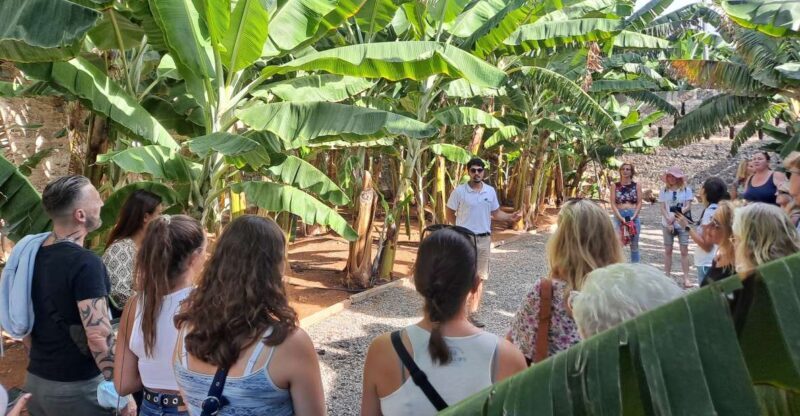
- The plantation walk: 13 banana types and the cultivation story
- Views over the Atlantic: why the museum area feels special
- Interpretation Center and the restored 1804 house
- Banana tastings: jams, juices, banana wine, and more
- Where the wine selection fits in (and why it’s a smart inclusion)
- Guides make it: what you can expect from the storytelling
- Price and value: is worth a 40-minute farm visit?
- Logistics: rain or shine, what to bring, and what to wear
- Who this tour suits best (and who might want to skip it)
- After the guided portion: exploring at your own pace
- The one-sentence decision helper
- Should you book Banana World: Banana World Guided Tour & Tasting?
- FAQ
- FAQ
- How long is the Gran Canaria Banana World guided tour?
- What is the price per person?
- What’s included in the ticket?
- Where do I meet the guide?
- Do I need to speak Spanish or English?
- Does the tour run if it rains?
- What should I bring?
- Is there free cancellation?
- More Food & Drink Experiences in Gran Canaria
- More Tours in Gran Canaria
- More Tour Reviews in Gran Canaria
Key points to know before you go
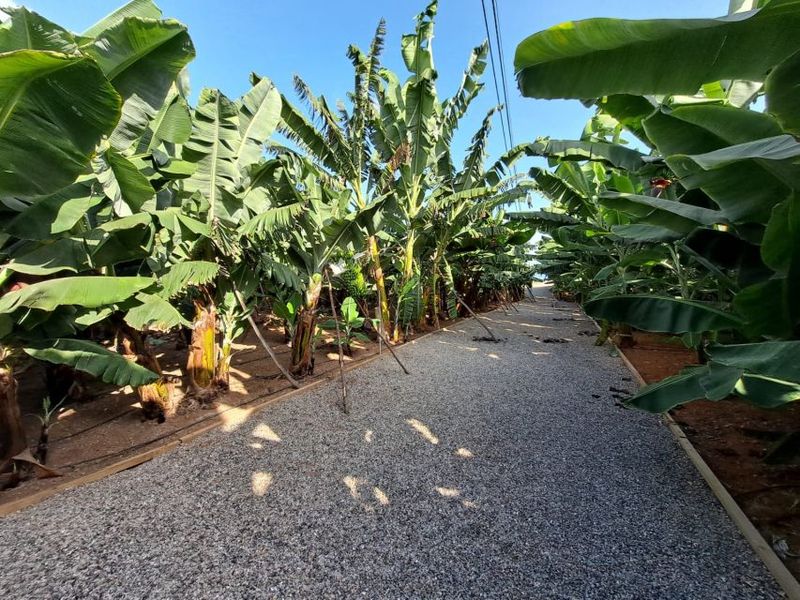
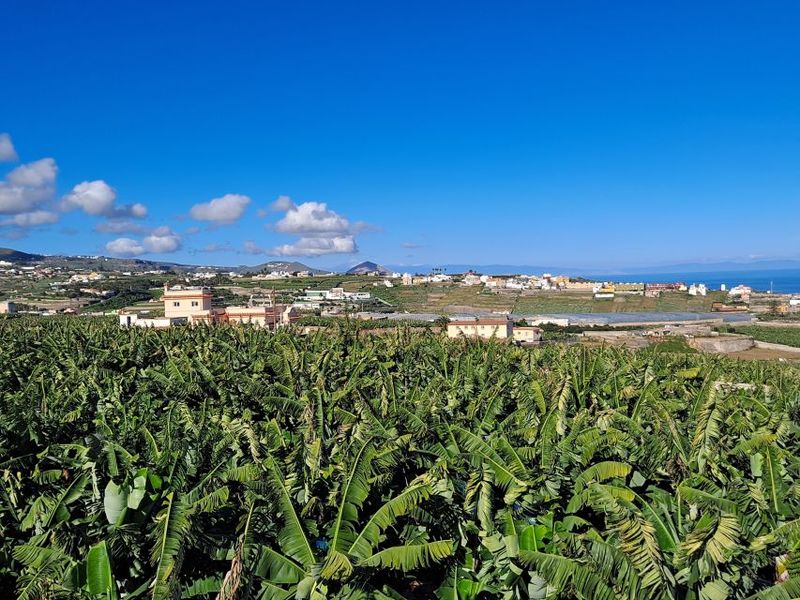
- 13 banana types on the farmland tour, so you learn there’s more than one kind of banana.
- Farm scale you can feel, with over 7,000 banana plants and 56,000 square meters of grounds.
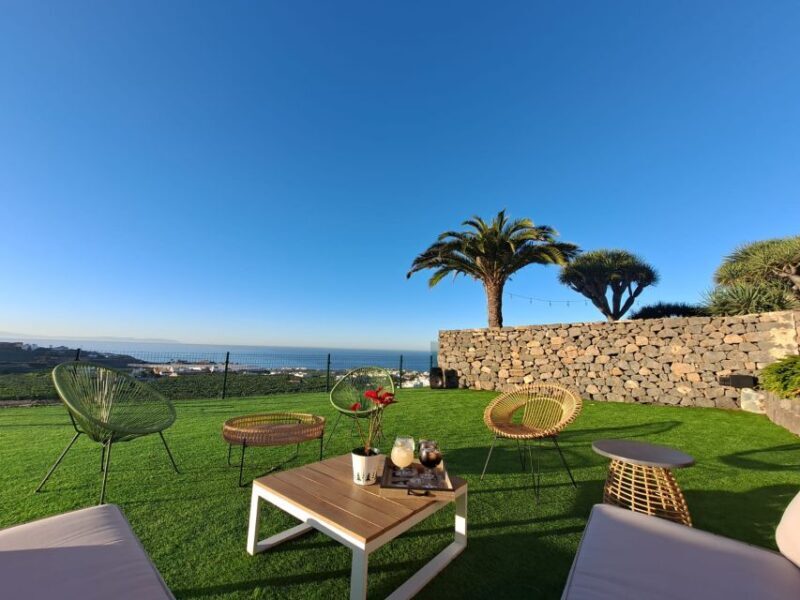
- Stunning ocean-and-farm views from the museum area during the guided portion.
- Tastings of banana-based products like jams and banana wine, plus other Canarian banana treats.
- A restored 1804 Canarian house houses the Interpretation Center and shop.
- Guided time is short on purpose, around 40 minutes, which works well if you want a focused stop.
Banana World at Hacienda La ReKompensa: the setting you come for
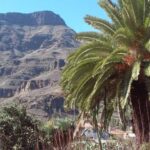
Hacienda La ReKompensa is the kind of place where the landscape does half the work. You’re on Gran Canaria, but you’re also right in the middle of working farmland. The grounds spread across 56,000 square meters, and you get a mix of cultivated fruit trees, farm paths, and lookout-style moments where the ocean shows up in the background.
The banana part is the star, but you’ll also see other crops. The property grows more than 7,000 banana plants and includes 150 avocado trees, plus other fruit trees. That variety matters because it helps you understand banana farming as part of a bigger system, not a single isolated crop.
And then there’s the museum and house. The tour ends around an Interpretation Center and shop located in a restored Canarian house dating back to 1804. That blend of farm + small museum + shop is why this feels more like a real stop on the island than a generic attraction.
You can also read our reviews of more food & drink experiences in Gran Canaria



Finding the Banana Museum meeting point fast
Getting there is straightforward, but the key is knowing where to wait. When you arrive, head to the big parking space by the estate, then follow the signs for Banana Museum. Meet your guide inside the museum.
Why this matters: tours are short, and you don’t want to arrive late and lose part of the guided walk. If you’re driving, parking is part of the setup. If you’re not, plan extra time and be ready to follow the on-site signage.
Also note the tour is guided in English and Spanish, so you’ll find your language option once you’re inside.
The 40-minute plan: what happens, in the order you’ll feel it
This experience is built for momentum. It’s around 40 minutes total, and the structure is simple: start with the museum stop, then walk the farm, then wrap at the tasting and shop area.
Even with the short timeframe, guides cover several layers:
- what you’re seeing on the plants,
- how banana cultivation works in the Canary Islands,
- and how the fruit becomes local products.
The pacing shows up in how guests describe it: short, focused, and enough time to ask questions without turning it into a lecture marathon.
Stop 1: Museo del Platano, snacks, and a safety briefing
Your tour starts inside the Museo del Platano, where you’ll get a quick setup and learning moment before heading onto the grounds. There’s a safety briefing included, plus local snacks.
This museum stop is useful even if you think you already know bananas. It’s where the guide gives you the context you need to understand what you’re about to see in the fields. Once you get to the farm, the plants don’t just look like plants anymore. You start noticing the growing cycle and the practical details of cultivation.
If you’re traveling with kids or you’re short on time, this museum start also helps you get oriented quickly.
More Great Tours NearbyThe plantation walk: 13 banana types and the cultivation story
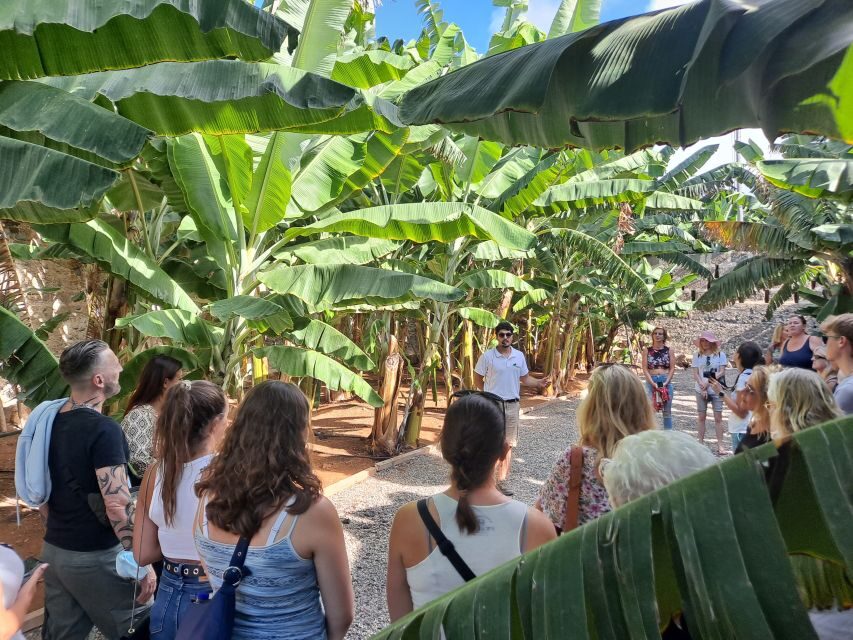
After the museum, you move into the working fields. This is where the tour becomes more than “look, bananas.” The guided route covers 13 different types of banana you can encounter on the farmland, plus you learn about cultivation techniques used in the Canarian harvest.
You’ll also notice the plantation layout and the mix of fruit trees around it. That matters because banana farming in a warm climate still takes planning: water, timing, crop management, and protection from stress. The guide connects those points to what you’re seeing on the property.
One of the best parts here is the human scale. Even though the numbers are big (thousands of plants), the walk keeps it personal. You get time to look closely at plant structure and ask questions instead of racing past everything.
You can also read our reviews of more guided tours in Gran Canaria


Views over the Atlantic: why the museum area feels special
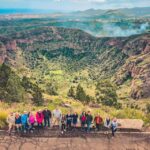
Guests consistently call out the scenery, and I get why. From the museum area, you get views over the Atlantic Ocean and the greenery of Gran Canaria, with farmland spreading out below.
That view also makes the learning feel more grounded. You’re not studying banana history in a classroom. You’re learning on a site that still looks like it’s built to produce fruit.
In practice, this means you’ll likely have a moment during the guided time when you can slow down, look outward, and then go right back into the banana facts.
Interpretation Center and the restored 1804 house
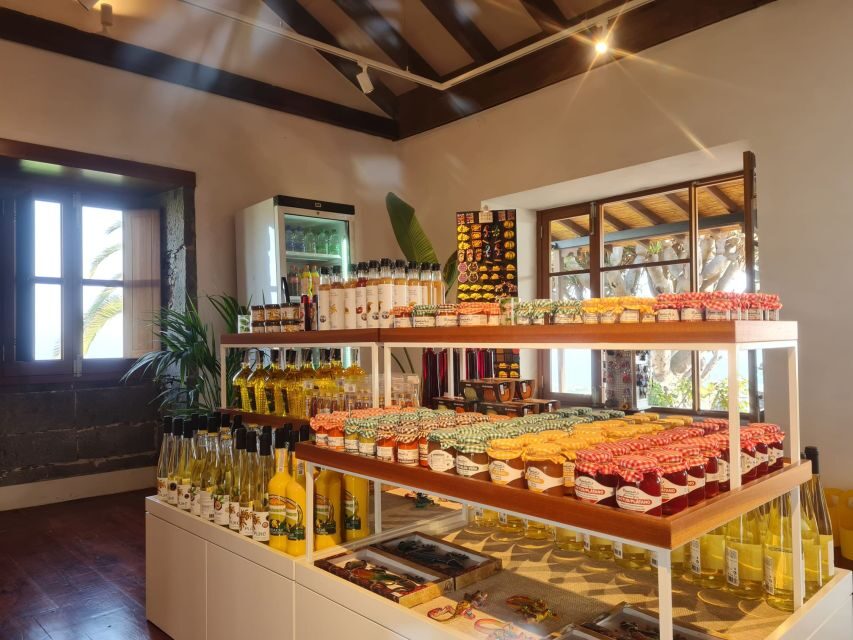
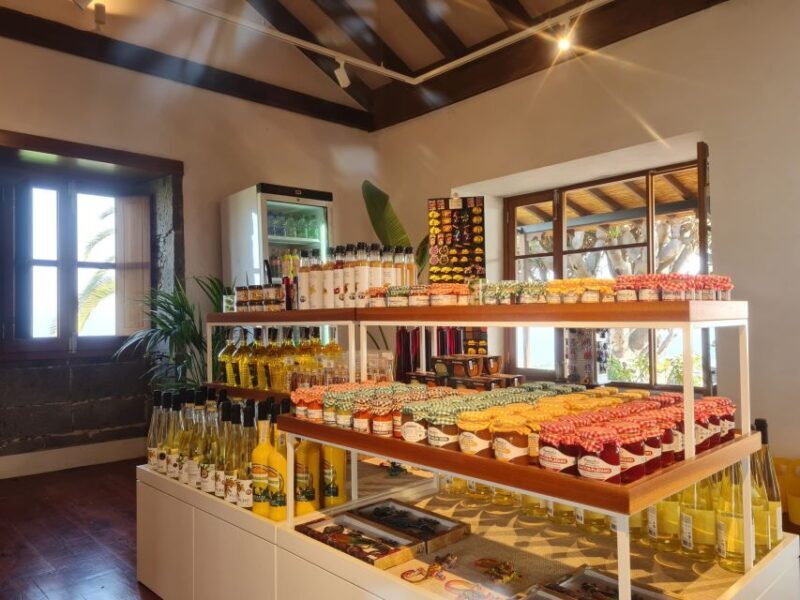
After the plantation walk, you head to the Interpretation Center and shop, housed in that restored 1804 Canarian house. The building gives the experience a nice texture. It’s not just a modern tasting room. It feels like you’re stepping into an older part of island life that’s been repurposed for learning and selling local products.
This part is also where the “why it matters” turns into “what you can take home.” The shop sells Canarian banana products, and it also includes cosmetic products made using the banana ingredient. If you’re the kind of traveler who likes to buy one or two items that feel tied to the place, this is your moment.
Banana tastings: jams, juices, banana wine, and more
The tasting is a major reason this tour gets such positive feedback. You’ll try a selection of local artisanal products made with Canarian bananas, including:
- jams
- banana quince
- banana wine
- other banana-based items like juices (and more items depending on the selection)
What I like about this: the tasting is broad enough to let you figure out what you actually enjoy. Some visitors go in thinking they’ll taste banana as a candy-like flavor. Instead, you often find products where banana plays a supporting role to the fruit blend and the local recipe style.
There’s also a practical angle. If you’re not sure you’ll buy souvenirs, the tasting is a low-risk way to decide whether you want to spend your money on something you’ll actually use or enjoy later.
Where the wine selection fits in (and why it’s a smart inclusion)
One of the repeatedly praised parts is the alcohol selection, including banana wine. Having it as part of the tasting makes sense for a few reasons.
First, it gives adults a real “local product” experience instead of just snack sampling. Second, it’s packaged as a guided activity, not a free-for-all. You taste, you learn what you’re tasting, and then you decide what’s worth buying.
If you do drink: pace yourself. The entire tour is short, so you may taste several items in a short window.
Guides make it: what you can expect from the storytelling
This is the standout factor for many people. The tour doesn’t treat bananas as a trivia theme. It treats them as an agricultural craft with history and technique.
Past visitors mention guides who are lively and organized, including Daniela, Shaira, Jon, Steve, Andrea, Ismael, Cynthia, and Maria. You’ll likely hear cultivation details explained in a way that’s easy to follow, with time for questions.
A simple way to get the most out of it: ask something specific while you’re walking, like how many types you’re seeing today or how banana cultivation differs on the Canary Islands. Guides are clearly used to that kind of interaction.
Price and value: is $17 worth a 40-minute farm visit?
At $17 per person, the pricing is tough to argue with, mostly because the package is more complete than it looks.
You’re getting:
- entry tickets to Hacienda La ReKompensa
- a guided tour
- banana tastings
For a short tour, that’s a strong value equation. You’re not paying just for access to a view or a short self-guided loop. You’re paying for the guided portion plus multiple local products (including jams and banana wine).
There’s also a time-value benefit. If you’re on Gran Canaria and want a quick, high-reward experience that fits between beach time and dinner, this is built for that. You don’t need half a day to get something meaningful.
Logistics: rain or shine, what to bring, and what to wear
The tour runs rain or shine, so plan accordingly. That’s one more reason comfortable shoes matter. The grounds include paths across cultivated areas, so you’ll want footwear that works on uneven farm terrain.
Bring:
- comfortable shoes
If you’re coming on a windy or rainy day, keep a light layer handy. The guide can’t control weather, but you can control your comfort.
Who this tour suits best (and who might want to skip it)
This works well for:
- food travelers who like local products tied to the land
- families who want a short, structured outing
- travelers who don’t want a long tour bus day
- anyone who wants a quick lesson on banana cultivation and product-making
A few practical notes from what’s known about the site:
- It’s not suitable for people with mobility impairments.
- If you’re expecting a long tasting menu or fresh banana tastings only, the focus is on banana products like jams, banana wine, and similar artisanal items.
If you’re a banana purist who only loves fresh fruit, you might feel slightly disappointed by the processed-product emphasis. But if you enjoy trying local variations, this is a fun way to taste the island’s take on banana.
After the guided portion: exploring at your own pace
Once the guided bit wraps, you’re in a place designed for lingering. Some visitors mention being allowed to roam the grounds at their own pace and taking time around the museum area and shop.
That flexibility is helpful. It means you can:
- buy a couple items if you found something you like,
- take photos when the light is good,
- and avoid feeling rushed even though the tour itself is short.
The one-sentence decision helper
If you want knowledgeable banana farming plus real local tastings in a short window with ocean views, book it.
Should you book Banana World: Banana World Guided Tour & Tasting?
Yes, especially if $17 feels like an easy experiment and you want something more authentic than a standard tasting room.
Book it if:
- you like short, guided experiences with hands-on learning
- you’re curious about why the Canary Islands grow and process bananas the way they do
- you want to try banana wine and jams without spending a full afternoon
Consider skipping (or adjusting expectations) if:
- you need step-free accessibility (the tour isn’t suitable for mobility impairments)
- you’re only interested in eating fresh banana fruit, because tastings center on banana-based products rather than a full farm produce buffet
Gran Canaria: Banana World Guided Tour & Tasting
FAQ
FAQ
How long is the Gran Canaria Banana World guided tour?
The tour lasts about 40 minutes.
What is the price per person?
The price is $17 per person.
What’s included in the ticket?
Your ticket includes entry tickets to Hacienda La ReKompensa, a guided tour, and banana tastings.
Where do I meet the guide?
Go to the big parking space by the estate, follow signs for Banana Museum, and meet your guide inside the museum.
Do I need to speak Spanish or English?
No. The tour guide is available in English and Spanish.
Does the tour run if it rains?
Yes, the tour takes place rain or shine.
What should I bring?
Wear comfortable shoes, since it’s on farmland paths.
Is there free cancellation?
Yes. You can cancel up to 24 hours in advance for a full refund.
If you want, tell me where you’re staying on Gran Canaria (Las Palmas, Maspalomas, Puerto Rico, etc.) and your travel dates, and I’ll suggest the easiest way to build this into your day.
You can check availability for your dates here: