When you’re planning a trip to Granada, you quickly realize that the Alhambra gets all the attention. Everyone floods through those gates, and rightfully so—it’s spectacular. But here’s what we love about this Albayzin and Sacromonte walking tour: it takes you to the neighborhoods that actually shaped Granada’s soul, and you’ll experience them with far fewer crowds than the palace grounds. The tour hits two UNESCO World Heritage neighborhoods in just two hours, giving you genuine insight into the city’s Moorish and gypsy heritage without requiring you to spend an entire day hiking.
We also appreciate that this tour won’t drain your wallet. At $30 per person, it’s genuinely affordable for what you’re getting—a knowledgeable local guide, access to some of Granada’s most photogenic viewpoints, and stories that bring centuries of history to life. One thing to keep in mind: this tour involves real hills and climbing. We’re talking about substantial uphill sections that require moderate fitness, so this isn’t a flat stroll through the city center.
This tour works best for travelers who want authentic neighborhood experiences beyond the obvious tourist sites, appreciate learning the “why” behind what they’re seeing, and don’t mind a bit of legwork to earn those stunning views. If you’re the type who loves getting lost in winding medieval streets and discovering local tapas bars, you’ve found your tour.
- What Makes This Tour Different
- Breaking Down the Itinerary: Where You’ll Go and Why It Matters
- Stop 1: Mirador de Los Carvajales (15 minutes)
- Stop 2: Mirador de San Nicolas (15 minutes)
- Stop 3: Albayzin (30 minutes)
- Stop 4: Sacromonte (30 minutes)
- Stop 5: Paseo de los Tristes (15 minutes)
- The Physical Reality: Understanding What “Moderate Hiking” Really Means
- Group Size and Atmosphere
- The Guide Factor: Why It Matters More Than You’d Think
- Value Assessment: Is Worth It?
- Practical Details You Should Know
- The Honest Assessment: What Could Be Better
- Who Should Book This Tour
- Related Experiences Worth Considering
- Frequently Asked Questions
- The Bottom Line
- The Best Of Granada!
- More Walking Tours in Granada
- More Tours in Granada
- More Tour Reviews in Granada
What Makes This Tour Different
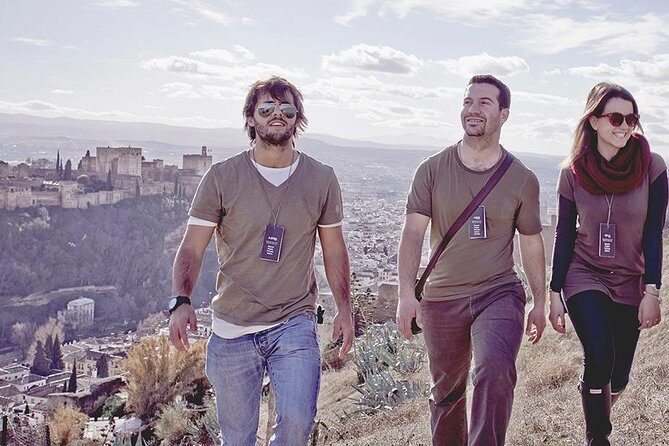
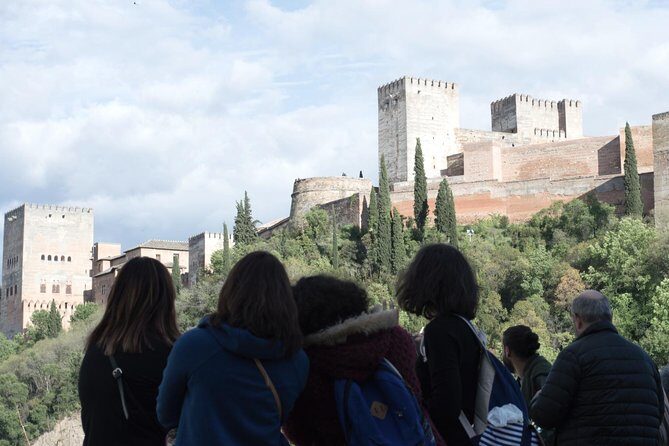
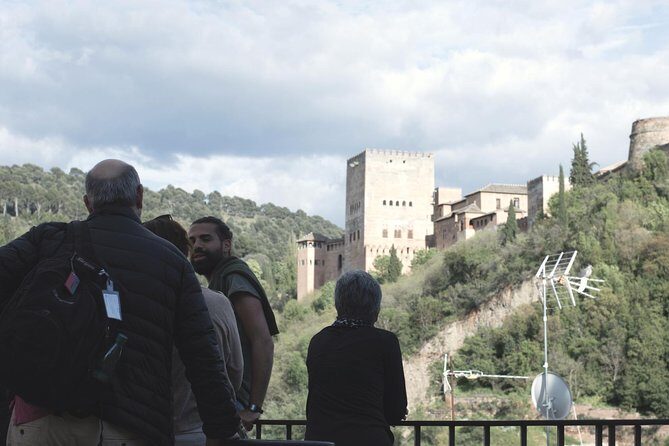
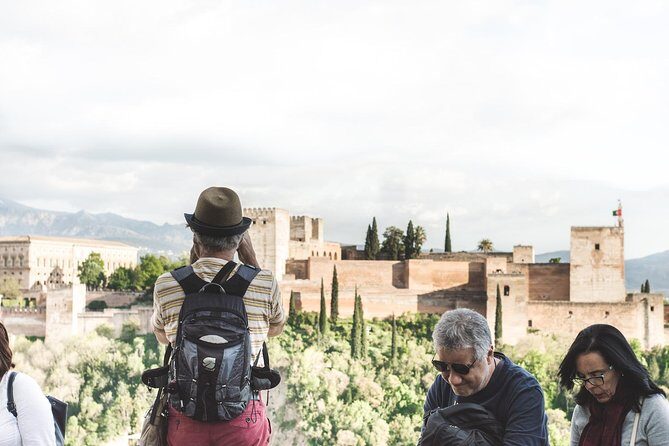
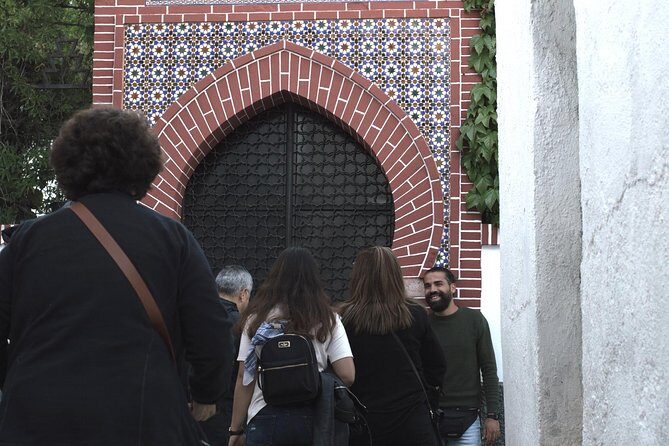
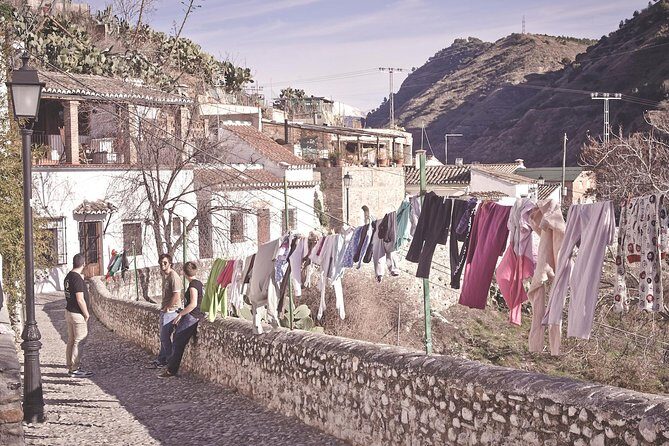
Most visitors to Granada follow the same script: Alhambra in the morning, Cathedral at lunch, maybe squeeze in the Generalife gardens. This tour breaks that pattern by focusing on two neighborhoods that most travelers either skip entirely or rush through without proper context.
The Albayzin is the oldest part of Granada—the medieval core where Moorish Granada thrived before the Christian conquest. Walking through it with a guide means you’re not just seeing narrow streets and white-washed buildings; you’re learning why they’re arranged this way, what the architecture tells you about the people who lived here, and how daily life actually worked in a Moorish city. The same goes for Sacromonte, the gypsy neighborhood famous as the birthplace of flamenco. Seeing the distinctive cave homes and understanding their history transforms what could be just another photo opportunity into genuine cultural understanding.
What surprised us in reading the reviews is how consistently travelers mentioned that guides didn’t just recite facts. One visitor noted that their guide “didn’t just read off a script, he engaged in a dialogue and discussion with us about our impressions on Granada.” That’s the difference between a tour and an experience. You’re not passively absorbing information; you’re actively exploring and questioning alongside someone who genuinely loves the place.
👉 See our pick of the The Top 3 Spa & Hot Springs Experiences In Granada
Breaking Down the Itinerary: Where You’ll Go and Why It Matters
You can also read our reviews of more walking tours in Granada


Stop 1: Mirador de Los Carvajales (15 minutes)
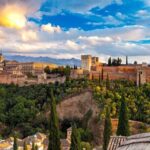
The tour kicks off at one of Granada’s less-crowded viewpoints. While everyone else crowds around the more famous overlooks, you’ll be here getting your bearings and starting to understand Granada’s geography. The guide uses this opening stop to orient you to what you’re about to see—the layout of the old city, the position of the Alhambra, and the neighborhoods you’ll be exploring.
Think of this as your visual introduction. You’re standing above the city, looking down at the maze of streets you’ll soon be navigating. It’s the kind of perspective that makes sense of the winding paths ahead.
Stop 2: Mirador de San Nicolas (15 minutes)
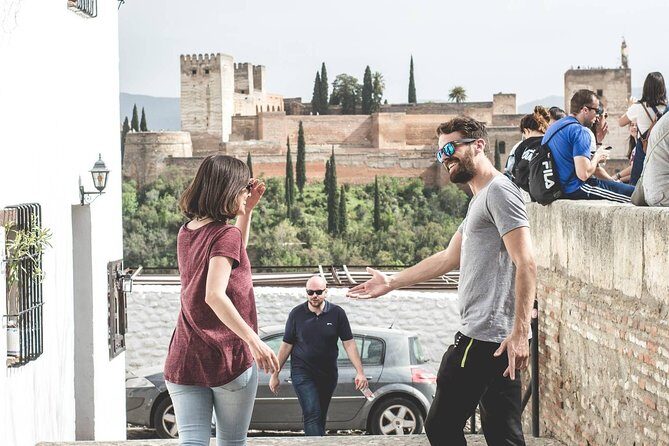
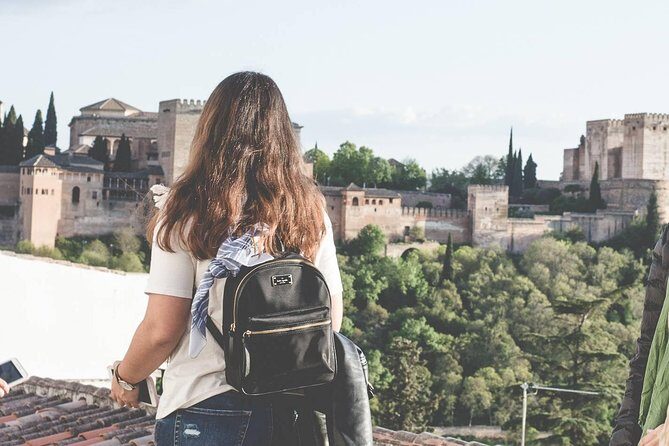
This is the viewpoint. The one that shows up in guidebooks and on postcards. The views of the Alhambra from here are genuinely breathtaking, especially in late afternoon light when the palace walls glow. But here’s what’s valuable about experiencing it with a guide: they’re explaining what you’re actually looking at. You’ll learn about the different sections of the palace, understand the historical context of why it was built where it was, and get the kind of details that make the view mean something beyond just being pretty.
Reviewers consistently mentioned this stop as a highlight. One traveler wrote, “This is one of the most famous viewing points in the city! Enjoy the amazing views and learn about the Alhambra, here is where the knowledge meets the wisdom.” That might sound poetic, but it captures something real—the best views are the ones where you understand what you’re seeing.
Stop 3: Albayzin (30 minutes)
This is where the tour earns its value. Half an hour doesn’t sound like much, but with a guide, you’re covering ground efficiently while actually absorbing information. You’re not wandering aimlessly; you’re being shown the significant streets, the important plazas, the architectural details that tell Granada’s story.
The Albayzin is a labyrinth. Without a guide, you might get beautiful photos, but you could also spend an hour going in circles. With someone who knows the neighborhood, you’re hitting the highlights and learning the narrative. One reviewer captured this perfectly: “The Albaicin and Sacromonte neighborhoods are full of history and beautiful overlooks of Granada. You also get great views of the entire Alhambra complex while you are walking through these areas. Being able to see inside an actual cave house was so interesting.”
That last detail matters—actually stepping inside a traditional dwelling gives you a visceral sense of how people lived. It’s one thing to see the exterior architecture; it’s another to understand the interior spaces and how they adapted to the terrain.
Stop 4: Sacromonte (30 minutes)
Sacromonte is where flamenco was born, and it’s visibly different from the Albayzin. The cave homes carved into the hillside represent a completely different way of living—one that developed around the gypsy communities who settled here. A guide who knows this neighborhood can explain the relationship between the caves, the community, the music, and the history of discrimination and survival that shaped the culture.
Reviewers were enthusiastic about this part. “Explore the gypsy neighborhood built with its unique caves and learn about the Flamenco local dance” might sound like standard tour description, but the reality is richer. You’re not just learning about flamenco as a dance; you’re understanding it as a cultural expression that emerged from specific historical circumstances.
One traveler mentioned their guide “shared his favourite places in the city including a phenomenal ice cream and coffee place.” This is the kind of local knowledge that makes a tour worthwhile—guides aren’t just giving you information from a script; they’re actually living in this city and sharing what they genuinely enjoy.



Stop 5: Paseo de los Tristes (15 minutes)
The tour ends along this riverside avenue, and it’s a smart choice. By now, you’ve climbed significantly, and this is a chance to catch your breath while still being in an atmospheric part of the city. The avenue has a curious history—its name means “Street of the Sad Ones,” supposedly because funeral processions once passed through here.
More importantly, this is where you’ll find the tapas bars. And the guides seem to have genuine recommendations. Multiple reviews mentioned guides directing them to specific restaurants they then enjoyed. If you’re ready for lunch after the tour, you’re in the right place with someone who can point you toward something authentic rather than the tourist trap near the cathedral.
The Physical Reality: Understanding What “Moderate Hiking” Really Means
We need to be direct about this: the tour involves real climbing. This isn’t flat. The reviews consistently mention stairs and uphill sections, and they’re not exaggerating. One traveler noted, “A lot of uphill steps but if you enjoy walking it’s very moderate. We definitely recommend this tour!” Another said, “It involves a lot of stairs! But the views of the Alhambra from the top are amazing!”
The tour company recommends comfortable shoes, and that’s not casual advice—it’s essential. If you have knee problems, serious fitness concerns, or just really dislike climbing, you need to think carefully about whether this tour is right for you. But if you’re reasonably active and willing to take breaks when you need them, the guides are noted for pacing well. One reviewer specifically praised their guide for managing the pace: “Even though the climb is a potential barrier, he paces it well, making sure everyone has sufficient breath to listen, ask, and learn.”
This is worth mentioning because it’s the most common potential drawback, but it’s also something the guides actively manage. They’re not rushing you up hills; they’re building in natural stopping points where you can catch your breath while learning something interesting.
Group Size and Atmosphere
The tour maxes out at 15 travelers, and this matters more than you might think. At that size, you can actually hear the guide without straining, and you can ask questions without feeling like you’re disrupting a massive group. In practice, many tours run with smaller groups. One traveler mentioned their group had “7 people plus Mario,” and they noted that “the vibe was easy and conversational which allowed for questions and lots of interaction.”
This is the difference between a tour and a herd. You’re not one of 40 people trying to see around everyone else; you’re in a small group where the guide can actually engage with you personally. Several reviews mentioned guides remembering individual travelers’ interests and tailoring commentary accordingly.
The Guide Factor: Why It Matters More Than You’d Think
The reviews make clear that guide quality varies, but when you get a good one, it transforms the experience. The most frequently mentioned guides—Mario and Mia—receive consistent praise for being knowledgeable, personable, and genuinely interested in travelers’ questions.
One traveler wrote about their guide: “Unlike many tours I have participated in, he didn’t just read off a script, he engaged in a dialogue and discussion with us about our impressions on Granada.” Another noted, “He was very willing to answer all our questions.” These aren’t small things. A guide who can actually discuss the city rather than just narrate facts turns a walking tour into a conversation with someone who loves where they live.
The guides also make practical recommendations. Multiple travelers mentioned specific restaurant suggestions that they then enjoyed. This is the value of local knowledge—someone isn’t recommending restaurants from a guidebook; they’re recommending places they actually eat.
Value Assessment: Is $30 Worth It?
At $30 per person, you’re getting two hours with a knowledgeable local guide covering two UNESCO World Heritage neighborhoods, including access to two major viewpoints, and finishing in an area full of dining options. The tour company also includes free WiFi and phone charging at their office, which is a small but genuine convenience.
For context, many guided tours in Granada run $40-60 per person. You’re paying less than that for a tour that covers significant ground and includes consistent praise for guide quality. The 94% recommendation rate and 4.5-star rating from 575 reviews suggests this isn’t a case of luck—the tour delivers reliably.
The free cancellation policy (up to 24 hours before) removes risk. If something changes with your plans, you can cancel without penalty.
Practical Details You Should Know
The tour starts at Carrera del Darro in the Albayzin and ends at the same meeting point. You need to arrive 5-10 minutes early, which means planning to be there a bit before the official start time. The tour is offered in English, and confirmation arrives immediately upon booking.
The tour doesn’t include Alhambra tickets (you’d need to book those separately), food and drinks, or hotel pickup. You’re responsible for getting to the meeting point, though the tour company notes it’s near public transportation. The meeting point is in the Albayzin itself, so if you’re staying anywhere central in Granada, you can walk there or take a quick taxi.
The tour books about 19 days in advance on average, which suggests it’s popular but not impossible to schedule. Group discounts are available, so if you’re traveling with others, that’s worth asking about.
The Honest Assessment: What Could Be Better
The reviews aren’t universally glowing, and we should acknowledge the legitimate criticisms. A few travelers felt the tour moved too quickly through certain areas or that they would have preferred more depth on specific topics. One reviewer noted, “We didn’t see some spots that felt important, like the large square and the famous pastry shop.” Another mentioned wanting more information about main points of interest.
This is the inherent challenge of a two-hour tour covering two neighborhoods—you’re hitting highlights, not doing an exhaustive exploration. If you want to spend three hours in the Albayzin alone, this tour isn’t that. But if you want an efficient, guided introduction that gives you context and shows you what’s worth exploring further, it’s well-designed.
There’s also the cancellation issue that appears in a few reviews. A small number of travelers reported last-minute cancellations or guides not showing up. These are frustrating experiences, but they’re rare enough that they don’t define the tour’s overall reliability. The vast majority of reviews describe positive experiences with guides who showed up and delivered.
Who Should Book This Tour
You should book this if you value understanding the cultural context of what you’re seeing, appreciate local knowledge and recommendations, don’t mind climbing hills for views, and want to experience Granada beyond the Alhambra. This tour makes sense if you have limited time in Granada but want to see more than just the palace. It’s ideal if you’re traveling solo or in a small group and enjoy conversational, interactive tours rather than large-group lectures.
You might want to skip this if you have mobility limitations that make hill climbing difficult, if you prefer self-guided exploration with no narration, or if you’ve already spent significant time in the Albayzin and Sacromonte and want to explore different neighborhoods.
Related Experiences Worth Considering
If you’re booking this tour, you might also consider the Alhambra Small Group Tour with Local Guide and Admission, which covers the palace itself with similar quality guides. The Food Tour in Granada would complement this neighborhood walk by focusing specifically on dining culture. And if you develop a flamenco interest from learning about Sacromonte, the Flamenco Show in a Cave Restaurant is a natural follow-up.
Frequently Asked Questions
Q: How strenuous is this tour really?
A: The tour involves significant climbing with multiple uphill sections. While guides pace it well with natural breaks, you should be comfortable walking uphill for extended periods. The tour company recommends moderate fitness level. If you have knee problems or serious fitness concerns, this may not be suitable.
Q: What’s included in the $30 price?
A: You get a local guide for two hours, access to two viewpoints, and the walking tour through both neighborhoods. The tour company also provides free WiFi and phone charging at their office. Food, drinks, Alhambra tickets, and transportation to the meeting point are not included.
Q: Do I need to book Alhambra tickets to do this tour?
A: No. This tour is entirely separate from the Alhambra. You’ll see the palace from viewpoints during the tour, but you won’t enter it. If you want to visit inside the Alhambra, you’ll need separate tickets booked independently.
Q: How large are the groups typically?
A: The tour maxes out at 15 people, but many tours run with smaller groups (7-10 people). Smaller groups allow better interaction with the guide and easier conversation.
Q: Can I cancel if plans change?
A: Yes. You can cancel up to 24 hours before the tour for a full refund. Cancellations within 24 hours of the tour are non-refundable.
Q: What’s the best time of day to take this tour?
A: The tour is offered at various times. Late afternoon might be ideal for the Mirador de San Nicolas viewpoint, as the light on the Alhambra is particularly beautiful then. However, any time works for seeing the neighborhoods themselves.
Q: Do I need any special equipment or gear?
A: Comfortable walking shoes are essential—not optional. The tour involves climbing and uneven streets. Regular athletic shoes or hiking boots work well. A hat and sunscreen are wise given the exposure in some sections.
Q: Are there bathrooms available during the tour?
A: The tour company provides phone charging and WiFi at their office, but specific information about bathroom access during the tour isn’t detailed in available information. You might want to contact them directly about this.
Q: Can children do this tour?
A: Yes, children can participate if accompanied by an adult. However, given the climbing involved, younger children or those with limited stamina might find it challenging.
Q: What language is the tour offered in?
A: The tour is offered in English. If you need another language, you’d need to contact the tour company directly to ask about availability.
Granada’s Hidden Treasures: Albayzin and Sacromonte Walking Tour
The Bottom Line
This tour delivers genuine value for travelers who want to understand Granada beyond the Alhambra. At $30 per person, you’re getting access to two UNESCO World Heritage neighborhoods with a knowledgeable local guide, viewpoints that rival the famous overlooks, and enough practical knowledge to explore further on your own. The main consideration is the physical demands—this tour involves real climbing, so you need to be reasonably active. If you can handle the hills and you appreciate learning the stories behind what you’re seeing, this is one of Granada’s best-value experiences. The consistently high ratings from hundreds of travelers, combined with specific praise for guide knowledge and authentic recommendations, suggest this tour consistently delivers what it promises. Book it as part of your first day in Granada to get oriented to the city and understand its history, then use what you’ve learned to explore further on your own.