
I’m a big fan of food experiences that are more than watching someone else work. This Hands-on Italian cooking class in Perugia is taught in English at a working farmhouse, where you roll up your sleeves, make everything from scratch, then eat together with Umbrian wine.
What I especially like is the way it’s taught by Raffaella, who focuses on technique and the why behind the dishes. You also get a real meal out of it: a four-course lunch with wines served during the meal, plus a recipe folder and an apron.
One thing to think about first: there’s no hotel pickup or drop-off, so you’ll need to get to the farmhouse on your own (though it is near public transportation).
- Key takeaways before you go
- Umbria’s farmhouse cooking class in Perugia: what it feels like
- Location and meeting point: getting there without stress
- Start time and length: half-day energy that doesn’t drag
- Hands-on cooking: what you’ll actually do
- The menu you might make: Umbria on the plate
- Why the ingredients matter here: garden, olive oil, and local shopping
- Wine with lunch: estate-produced, not just a beverage
- The teacher and the learning style: technique you can use later
- What’s included (and why it’s good value)
- What’s not included: the one logistics item to plan
- Dietary needs: what to do when you book
- Group size and comfort: intimate by design
- Certificate, recipe folder, and apron: the keepsakes that matter
- Pace and energy: what to expect in real time
- Small drawbacks to consider
- Cancellation policy: important to know
- Who this class is best for
- Who might want to look elsewhere
- Price check: is 9.38 fair for what you get?
- Should you book Let’s Cook in Umbria?
- FAQ
- FAQ
- What time does the cooking class start?
- How long is the experience?
- Is the class taught in English?
- How many travelers are in a group?
- What dishes will I cook?
- What’s included in the price?
- Is hotel pickup included?
- Do I need to tell them about dietary restrictions?
- When will I get confirmation?
Key takeaways before you go
 1 / 8
1 / 8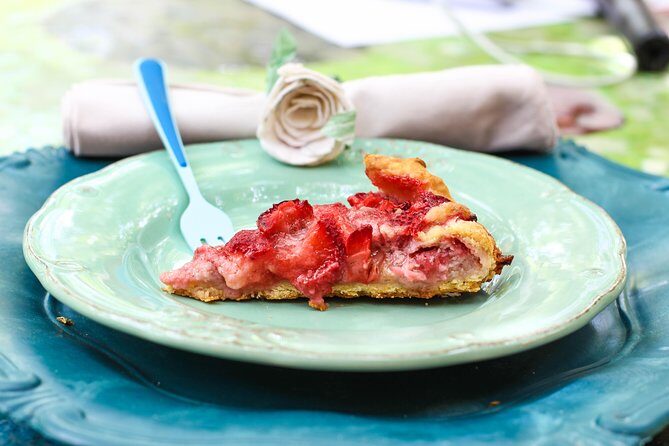 2 / 8
2 / 8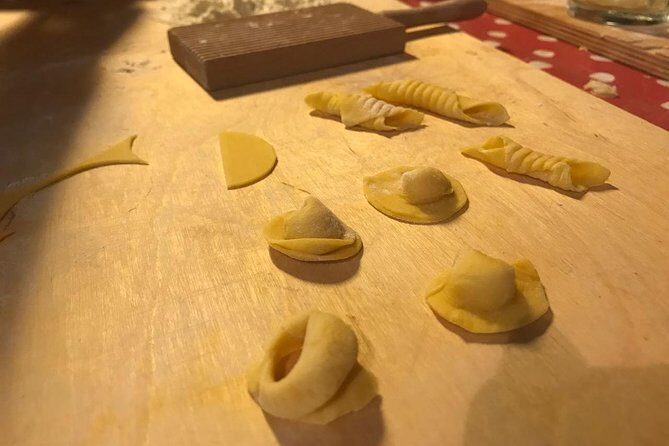 3 / 8
3 / 8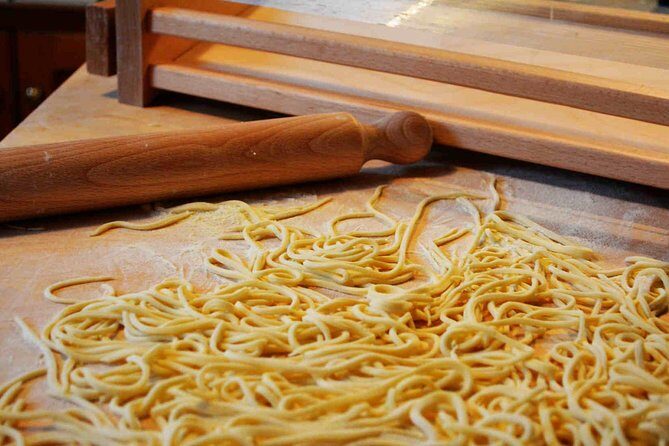 4 / 8
4 / 8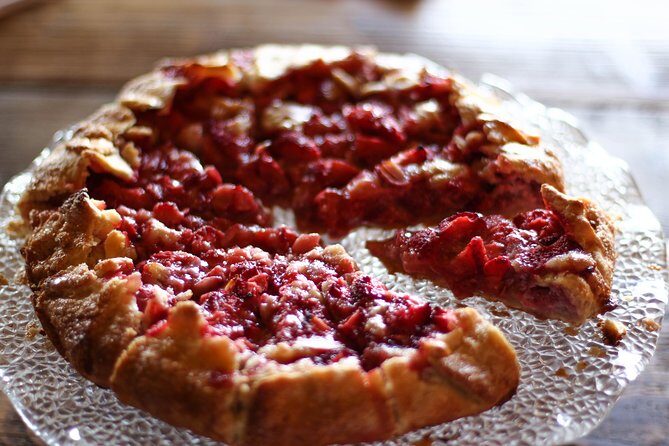 5 / 8
5 / 8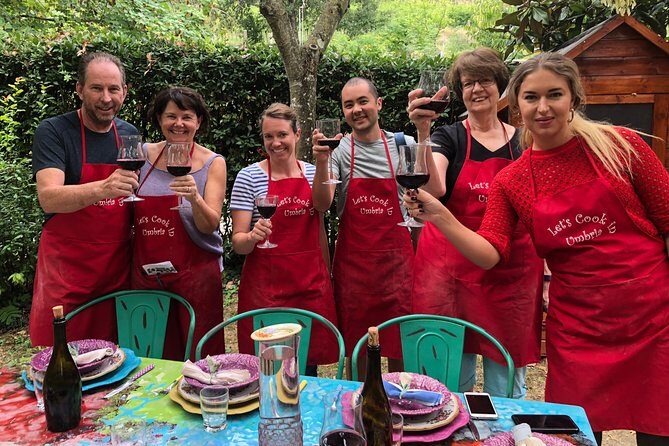 6 / 8
6 / 8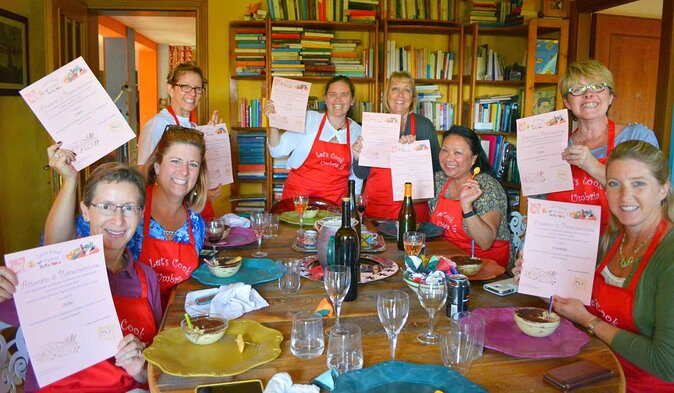 7 / 8
7 / 8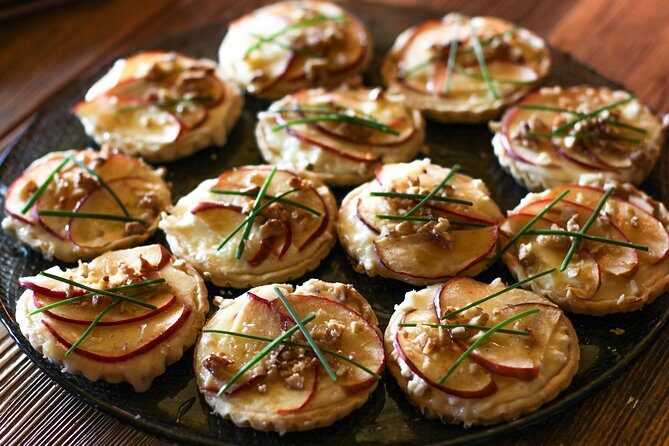 8 / 8
8 / 8- Max 8 travelers keeps the class feeling personal, not rushed
- English-speaking teacher covers traditional techniques and what makes each recipe work
- Estate wine and olive oil come from the property, not just a generic bottle
- Four courses from scratch means real practice, especially with pasta and sauces
- Recipe folder + certificate + apron make it feel like more than a one-time activity
Umbria’s farmhouse cooking class in Perugia: what it feels like
If you’ve ever wanted to cook Italian food the way Italians actually do it, this is the kind of class that builds skill fast. The setting is a farmhouse near Perugia, with an organic vegetable garden used for the ingredients in class. Instead of a demo, you and your group become the cooks—kneading, rolling, shaping, simmering—then sitting down to eat what you made.
The overall vibe in the class is practical and warm. Small group size helps. You’re not shouting over a crowd, and you’re not waiting ages for attention when you get stuck. By the end, you leave with a meal’s worth of knowledge, plus the printed recipes you can use later at home.
Location and meeting point: getting there without stress
The class meets at Farmhouse La Volpe E L’uva, Strada com, Strada Comunale S. Marino, 25, 06125 Perugia PG, Italy. The activity ends back at the same meeting point.
Two practical notes matter here. First, no pickup or drop-off is included, so plan your route before you go. Second, it’s described as near public transportation, which is helpful if you’re traveling without a rental car.
If you’re sensitive to timing (or you’re in Perugia for only a short window), I’d suggest building in a buffer. Getting to the farmhouse on time makes the morning or midday flow easier, especially because the class starts in the morning.
Start time and length: half-day energy that doesn’t drag
Classes begin at 10:00 a.m. and are generally about 3 to 4 hours. That “half-day” length is one of the reasons this works so well for travelers. You get a full cooking and dining experience without sacrificing your entire day to one activity.
The schedule is also built around a natural rhythm: prep together, cook together, then enjoy the meal. If you like structured experiences, you’ll appreciate how the class moves from course to course without feeling like a never-ending kitchen marathon.
Hands-on cooking: what you’ll actually do
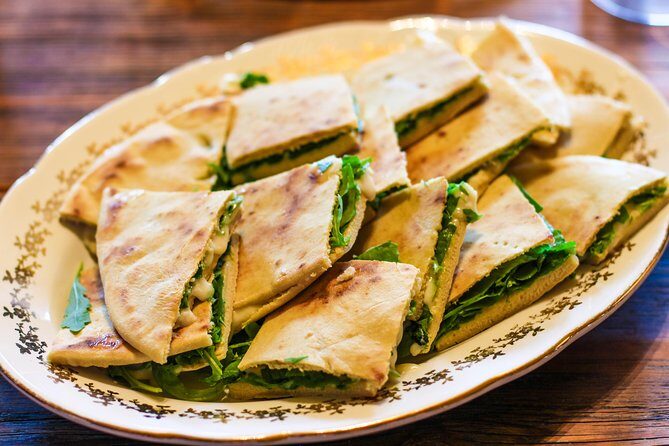
This is totally hands-on, and that’s not just marketing language. You prepare a complete four-course meal from scratch, including:
- an appetizer
- a first course (often pasta)
- a main course with side dish
- a dessert
That matters because you’re learning techniques that you can repeat later. With pasta, for example, it’s one thing to watch fresh dough get rolled; it’s another thing to roll it yourself, understand the texture, and get a workable shape. The class is designed so you practice across different parts of cooking—pasta or stuffed dough, sauces, meat and sides, and dessert.
Also, the teacher includes historical and technique context along the way. That’s a nice bonus because it turns your dishes into something you understand, not just something you copied.
The menu you might make: Umbria on the plate
You’ll cook a four-course meal chosen from an Umbria-focused sample menu. You may see combinations like:
Starters / first-course options
- Homemade tagliatelle with sausage ragu
- Potates gnocchi
- Ravioli with spinach and fresh ricotta
- Strangozzi with truffle
Main course options
- Pork tenderloin with dry plums
- Chicken alla cacciatora
- Veal alla Perugina
Desserts
- Homemade tiramisu
- Chocolate and pears cake with cream
- Crostata
The good part for you: even though the exact set of dishes can vary, the range shows the class covers both everyday Umbrian flavors and more specialized items like truffle pasta and classics built around local ingredients.
Why the ingredients matter here: garden, olive oil, and local shopping
One of the most compelling parts of this experience is the farm-to-class structure. The farmhouse has an organic vegetable garden, and the vegetables used in class are grown there. The farm also produces extra virgin olive oil and organic red wine.
That doesn’t just make the food taste better. It changes how the cooking feels. When you cook with ingredients grown on-site, it’s easier to connect technique to flavor. And when wine is part of the process, it’s not an afterthought.
Other ingredients are purchased in local markets, which helps keep the menu grounded in the region’s real supply chain. For a traveler, that’s a more authentic story than “we have Italian food somewhere in a kitchen.”
Wine with lunch: estate-produced, not just a beverage
Food is the star, but wine is part of the meal experience. You’ll enjoy Umbrian wines during meals, and coffee after lunch is included.
The key detail is that the property produces its own organic red wine. That’s the kind of touch that makes people remember the day, because you’re tasting something tied to the farmhouse setting, not just something poured because it’s traditional.
If you like wine pairings, this format is easy: you’re not decoding complicated menus. You just get good wine, with the meal you helped cook.
The teacher and the learning style: technique you can use later
This class is led by an English-speaking teacher, and many travelers highlight how knowledgeable and patient Raffaella is. The approach blends practical instruction with recipe context—so you learn traditional Italian techniques and what each recipe represents.
What you gain is more than “how to make dish X.” You also learn small moves—how pasta dough should feel, how a sauce comes together, and how to think about balancing flavors in Umbrian cooking.
For beginners, that matters because you don’t need prior cooking skill to participate. For experienced cooks, it still helps because pasta methods and regional details add new angles you might not get from a generic cookbook.
What’s included (and why it’s good value)
At $169.38 per person for about 4 hours, it’s not the cheapest class in town—but it’s also not overpriced when you look at what you get.
Included:
- a half-day cooking class to prepare a 4 courses meal
- the four-course lunch
- Umbrian wines during meals and coffee after lunch
- a certificate of participation
- a folder with all the recipes
- an apron of Let’s cook in Umbria
Why this can feel like good value:
- You’re paying for instruction, ingredients, and a full meal with wine—often the big ticket items.
- You leave with written recipes, which makes the experience more useful than a one-night dinner.
- The small group size (maximum 8 travelers) means more attention and a better learning environment.
What’s not included: the one logistics item to plan
- Hotel pickup and drop-off are not included.
That’s the main thing you need to manage. If you’re staying in central Perugia, you may want to plan a short taxi ride or use public transportation, especially since the meeting point is described as near public transportation.
Dietary needs: what to do when you book
Dietary requirements can be handled, but you need to flag them at the time of booking. The class requests that you advise any specific dietary requirements at time of booking.
This is worth taking seriously. Food experiences go best when the kitchen can plan around your needs. If you have allergies or strict limitations, send the details as early as possible so the organizers can prepare.
Group size and comfort: intimate by design
The tour limits the group to a maximum of 8 travelers. Smaller groups are usually better for cooking classes because:
- you get more time at your station
- questions don’t get lost
- the pace stays comfortable
Even better, the farmhouse setting supports the intimacy. Several travelers describe it as feeling like you visited someone’s home, not like you attended an industrial workshop.
Certificate, recipe folder, and apron: the keepsakes that matter
A class can be memorable, but it can also vanish once you get home. Here, you get real take-home material:
- certificate of participation
- a folder with all the recipes
- an apron
For me, the recipe folder is the biggest practical benefit. It turns your day into a future cooking plan instead of just photos and a full stomach.
Pace and energy: what to expect in real time
You should expect a morning that’s active but not chaotic. With cooking classes, the common risk is being left scrambling if you’re slower in the kitchen. Here, the tone is described as patient and engaging, which helps most travelers stay comfortable.
Also, you’ll eat the meal you cook, not a separate dinner later. That means you’ll likely feel hungry in a good way by the time the final dessert arrives.
Small drawbacks to consider
A couple points are worth noting before you book:
- Logistics: no pickup/drop-off means you need a plan to reach the meeting point.
- Certificates: one traveler mentioned that they did not receive certificates as advertised, suggesting paperwork may take some time. If you care a lot about the certificate for a trip memory, it’s worth asking how it’s delivered in practice.
None of this should scare you off, but it’s useful context.
Cancellation policy: important to know
This experience is non-refundable and cannot be changed for any reason. So if you’re booking during busy travel dates, make sure your schedule is stable.
If you’re the type who likes flexibility, consider holding off until your core travel dates are locked.
Who this class is best for
This experience is a strong fit if:
- you want a hands-on cooking skill, not a quick demo
- you enjoy regional Italian food and want Umbrian technique
- you like eating in the middle of the activity, with wine included
- you prefer a smaller group setting
It’s also a good match for couples. Many travelers mention going with a partner and enjoying the day together, with enough space to cook while still sharing the experience at the table.
Who might want to look elsewhere
You might choose a different option if:
- you need a lesson with pickup included
- you’re only available outside the 10:00 a.m. start
- you prefer a totally passive experience (this one is hands-on)
Price check: is $169.38 fair for what you get?
Let’s be real: cooking classes can swing wildly in price. Here, the cost looks more reasonable because it includes:
- instruction in English
- a four-course meal you prepare
- wine during the meal
- recipe materials and a branded apron
When a class includes both teaching and a full, region-specific lunch with wine, the price can be closer to “value” than “tour tax.” In this case, the small group size and farm setting add weight to that value.
Should you book Let’s Cook in Umbria?
If you want an Umbria day that mixes food skills with countryside atmosphere, I’d book this. The combination of hands-on learning, a knowledgeable teacher like Raffaella, and the farm-tied wine and garden ingredients is exactly the kind of practical, authentic travel day that pays off later when you cook at home.
Do it especially if you’ve been collecting Italian food experiences and you want one that teaches technique, not just taste. Plan your transport to the farmhouse, mention dietary needs at booking, and you’ll be set for a half-day you’ll remember for the flavors and the skills.
Hands on Italian Cooking Classes
FAQ
FAQ
What time does the cooking class start?
The class starts at 10:00 a.m.
How long is the experience?
It runs about 3 to 4 hours (approx.).
Is the class taught in English?
Yes, it’s offered in English.
How many travelers are in a group?
The maximum group size is 8 travelers.
What dishes will I cook?
You prepare a four-course meal: an appetizer, a first course, a main course with side dish, and a dessert. The menu includes items such as tagliatelle with sausage ragu, gnocchi, ravioli with spinach and fresh ricotta, strangozzi with truffle, pork tenderloin with dry plums, chicken alla cacciatora, veal alla Perugina, tiramisu, chocolate and pears cake with cream, and crostata.
What’s included in the price?
Included are the half-day cooking class, the four-course lunch from the lesson, Umbrian wines during meals, coffee after lunch, a certificate of participation, a folder with all recipes, and an apron.
Is hotel pickup included?
No, hotel pickup and drop-off are not included.
Do I need to tell them about dietary restrictions?
Yes. You should advise any specific dietary requirements at the time of booking.
When will I get confirmation?
Confirmation is received within 48 hours of booking, subject to availability.