- The Real Story Behind This Tour
- Why Electric Bikes Change Everything in Lisbon
- Following the Route: Where You Actually Go
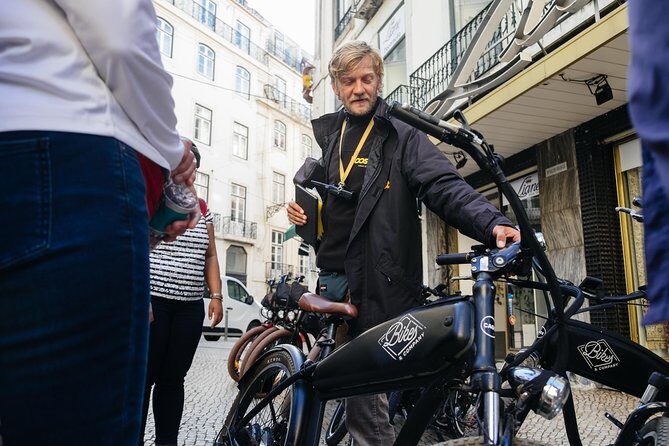
- What Guides Actually Bring to This Experience
- The Practical Details That Actually Matter
- Price and Value: Is Really Worth It?
- What Travelers Actually Say (Beyond the Stars)
- Honest Considerations Before You Book
- Who Should Actually Book This
- Final Thoughts
- Frequently Asked Questions
- The Best Of Lisbon!
- More Cycling Tours in Lisbon
- More Tours in Lisbon
- More Tour Reviews in Lisbon
The Real Story Behind This Tour
 1 / 8
1 / 8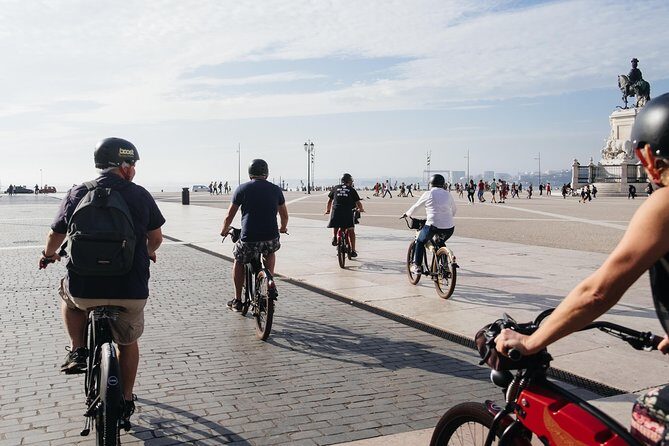 2 / 8
2 / 8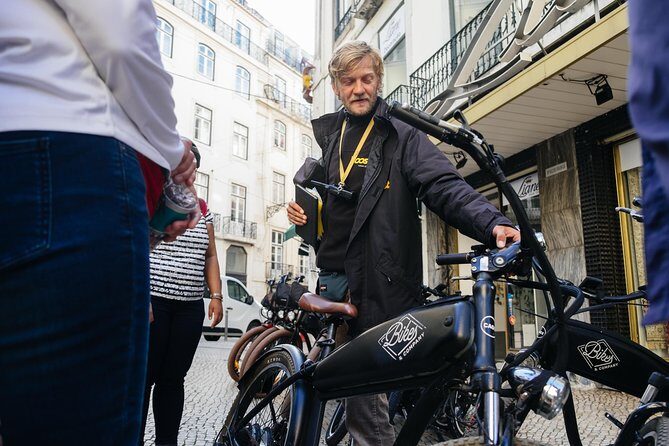 3 / 8
3 / 8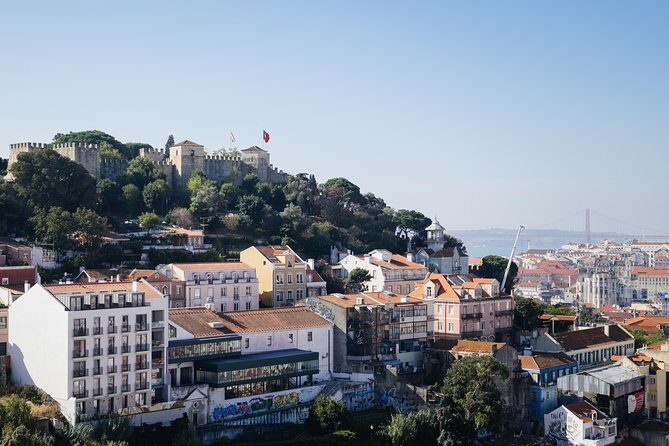 4 / 8
4 / 8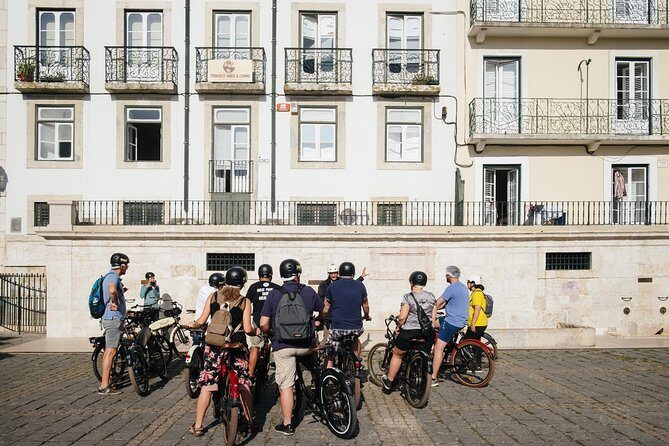 5 / 8
5 / 8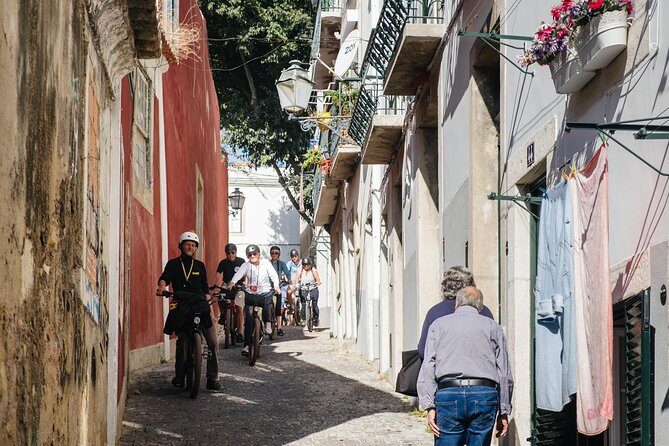 6 / 8
6 / 8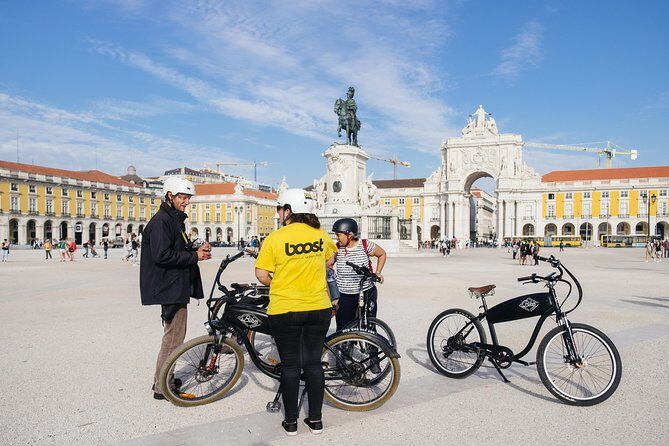 7 / 8
7 / 8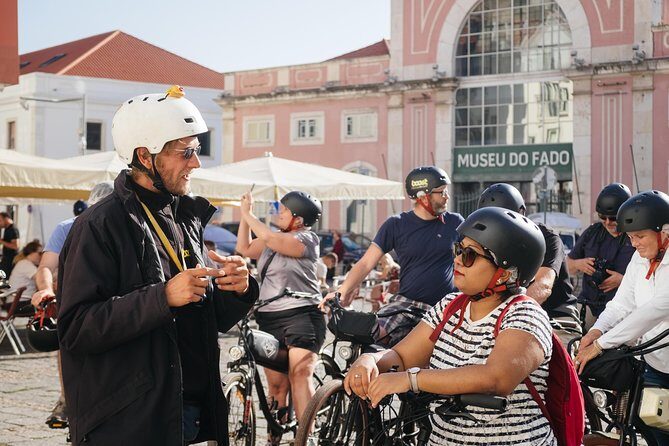 8 / 8
8 / 8After reviewing nearly 1,700 traveler accounts and examining what makes this particular e-bike experience resonate with so many visitors, we’ve found something genuinely valuable. This three-hour guided tour combines practical transportation with cultural education in a way that actually works—especially for travelers who know Lisbon’s terrain is unforgiving.
We’re particularly impressed by two things. First, the electric bikes genuinely eliminate the frustration of pedaling uphill on thousand-year-old cobblestone streets, which means you can focus on the experience rather than catching your breath. Second, the route itself hits the most authentic corners of Lisbon—the places that haven’t been sanitized for travelers—while still delivering those spectacular city views that make your Instagram followers jealous.
That said, there’s something you should know upfront: this tour demands confident bike handling. Lisbon’s medieval streets are narrow, steep, and unforgiving, so if you’re wobbly on two wheels, this might feel more stressful than fun.
This experience works best for travelers who want to cover significant ground without spending a fortune, value local storytelling over rushed sightseeing, and appreciate the efficiency of electric bikes without sacrificing authentic discovery.

👉 See our pick of the 14 Of The Best Walking Tours In Lisbon
Why Electric Bikes Change Everything in Lisbon
Here’s what most travel guides won’t tell you: Lisbon’s famous seven hills aren’t romantic when you’re pushing a regular bike up them. Your legs burn, you miss the details, and you end up cursing whoever invented cobblestones.
The electric assist on these bikes fundamentally changes the equation. One reviewer with extensive e-biking experience noted that “even though I’m an avid e-biker, these were challenging,” but others consistently reported that the battery assistance made “steep hills a doddle.” The difference between struggling and gliding up a 15-percent grade isn’t trivial—it’s the difference between exhaustion and enjoyment.
What matters here is that the motor lets you maintain a conversational pace with your guide and actually absorb what they’re telling you. You’re not gasping for air when they explain the 1755 earthquake’s impact on city planning. You can actually look around instead of staring at the next 20 meters of pavement.
The bikes themselves come equipped with fat tires and suspension systems designed specifically for Lisbon’s brutal terrain. Multiple travelers mentioned appreciating these features: “nice big fat tyres to handle the streets of Lisbon” and “good suspension and power when tackling the steep hills.” These aren’t details—they’re the difference between a pleasant morning and white-knuckle anxiety.
You can also read our reviews of more cycling tours in Lisbon


Following the Route: Where You Actually Go
The tour starts at Boost Portugal’s downtown shop on Rua dos Douradores, just steps from public transportation. This isn’t random—the location matters because you can easily reach it from anywhere in the city center, and the shop itself offers restrooms, filtered water, Wi-Fi, and comfortable seating. You’ll need to check in 15 minutes early, which gives you time to ask questions about the bikes and get comfortable before rolling out.
Praça do Comércio serves as your opening statement. This vast riverfront square was Lisbon’s answer to the devastating 1755 earthquake. Rather than just passing through, your guide will explain how the Marquês de Pombal completely reimagined the city’s layout here. You’re looking at one of Europe’s largest squares, and the Tagus River views set the tone for what’s coming.
Mouraria and the Alfama District represent the heart of this experience. These neighborhoods survived the earthquake because they were already old—medieval-old. One reviewer described it perfectly: “it’s considered the historic soul of Lisbon and its steep, cobblestoned lanes stand just as they were in medieval times.” You’ll navigate winding alleys where clotheslines crisscross between buildings, where locals still live above family-run shops, where travelers often never venture.
The Museu do Fado stop connects you to something vital about Lisbon’s culture. Fado isn’t background music—it’s a emotional language. One traveler mentioned learning “quite a bit of Portuguese history” through understanding this music’s role in the city’s identity. Your guide will explain why fado is described as making “the cobblestone streets cry.”
São Vicente de Fora Monastery and the National Pantheon represent different layers of Portuguese power. The monastery contains the royal pantheon of the Braganza monarchs, while the National Pantheon (built over three centuries, from 1682 to 1966) houses Portugal’s most important cultural and political figures. These aren’t just tourist checkboxes—they’re where history literally sleeps.
The viewpoint at Graça puts you on the highest of Lisbon’s seven hills. From here, you can see São Jorge Castle perched above the city, the Tagus River spreading below, and the entire historic center laid out like a map. Multiple reviewers mentioned this as a highlight: “sweeping Tagus River vistas from Santa Catarina viewpoint” and views that were “spectacular.”
Lisbon Cathedral (Sé de Lisboa) dates to the mid-12th century, making it the oldest place of worship in the city. Walking around this fortress-like structure, you’re literally touching stones older than most European nations.
São Jorge Castle crowns the tour with the most iconic view in Lisbon. From the castle, you can see why this city was worth fighting for—the geography itself is defensive and beautiful simultaneously.
The entire route unfolds over three hours, with roughly 30 minutes dedicated to Alfama’s maze-like streets. The pacing allows time to actually absorb information rather than just check off locations.
What Guides Actually Bring to This Experience
Here’s where this tour either soars or disappoints: the guide. At nearly 1,700 reviews, the consistency around guide quality is striking. Multiple travelers mentioned guides by name with genuine affection—Peter, Cameron, Alejandra, João, Eduardo, Dre, Tony.
One particularly detailed review captured what separates good guides from exceptional ones: “His knowledge of the history of Lisbon was astounding. He showed us several things that were off the beaten path but valuable to our understanding of Lisbon’s historical, cultural, and religious past, and how it shaped the city it is today.”
Notice what’s happening there. The guide isn’t just reciting facts. They’re connecting dots between architecture, history, culture, and the present day. They’re showing travelers things that don’t appear in guidebooks. One reviewer mentioned their guide was “1/2 Portuguese and 1/2 British so he spoke both languages perfectly and provided so many translations throughout the tour”—suggesting guides adapt to their specific group.
Even when conditions were difficult, guides maintained the experience. One traveler who toured during rain wrote: “Even though we had rainy weather, he kept the energy positive and made sure everyone felt safe and comfortable.” Another noted: “Even though it was raining for the whole 2 hours, he made it pleasant.”
The company provides ponchos when weather turns, but what really matters is the guide’s ability to keep energy alive when conditions aren’t perfect. Most of the five-star reviews mention personality alongside knowledge—guides who were “entertaining,” “fun,” “warm,” and “genuinely nice.”
The Practical Details That Actually Matter
Group Size and Pacing: The maximum group size is 24 people, but most travelers report much smaller groups—one reviewer got a tour with just four participants and called it “really personal.” This dramatically affects the experience. Your guide can actually have conversations rather than shouting over a crowd. You can ask questions without holding up 20 other people.
Physical Requirements: The tour requires “moderate physical fitness level” and confidence on a bike. The company specifies a minimum height of 1.5 meters (4.9 feet) and maximum weight of 118 kg (260 pounds). More importantly, one honest reviewer noted: “The narrow, winding, and steep streets can be intimidating, so it’s best to either be very comfortable or a daredevil.” This isn’t condescending—it’s accurate. If you’re nervous on bikes, this will be stressful.
Timing and Booking: Tours operate rain or shine, and the company books an average of 24 days in advance. The afternoon “Happy Hour” offers a €5 discount, which brings the price down further. Since the tour operates in rain, dress accordingly—the ponchos help, but you’ll still get wet.
What’s Included and What Costs Extra: Your $30.23 covers the bike, helmet, safety briefing, guide, insurance, and taxes. It doesn’t cover hotel pickup, monument entrance fees, or the Fado museum visit. This matters because some travelers want to actually enter these buildings rather than just see the exteriors. Budget accordingly if you want to go inside.
Price and Value: Is $30 Really Worth It?
Let’s be direct about value. You’re paying $30 for three hours of guided cycling with an experienced local storyteller who’s knowledgeable enough to make medieval streets feel alive. That works out to $10 per hour for transportation, education, and access to someone who knows Lisbon’s hidden corners.
Compare that to other Lisbon experiences: a basic walking tour runs $25-40 for two hours with less ground coverage. A regular bike tour costs $40-60 and leaves you exhausted. A taxi tour with commentary costs $60+ for similar time. An actual Fado music performance and dinner runs $80-100.
What you’re getting here is efficiency combined with authenticity. You see more than you would walking, you don’t exhaust yourself like regular biking, and you learn things from someone who actually cares about the city rather than just collecting tourist dollars.
The 94 percent recommendation rate (based on 1,688 reviews) suggests travelers feel they got more than they paid for. One reviewer called it “the best tour we have ever done” and another said they’d “rewatch old movies and follow up with his book recommendations”—suggesting the guide inspired deeper engagement with Lisbon’s culture.
That said, if you’re on an extremely tight budget and can walk for three hours, you could see some of these areas free. But you’d miss the context, the hidden details, and the efficient routing that gets you uphill without suffering.
You can also read our reviews of more tours and experiences in Lisbon


What Travelers Actually Say (Beyond the Stars)
Reading through the reviews reveals patterns that matter:
On the bikes: “The bikes had good suspension and power when tackling the steep hills of Lisbon” and “the battery assist make the hills a doddle” show that the technology actually delivers. Even one critic who found the bikes “very difficult to handle” acknowledged their guide “was exceptional.”
On coverage: “We get to see a lot of the city in a short period of time and without having to actually walk all of the hills” captures the real advantage. You’re not just exercising; you’re actually seeing Lisbon.
On the guides: Phrases like “his knowledge of Lisbon’s history was astounding,” “entertaining and fun while doing so,” and “made sure everyone is comfortable on the bikes and stays together while riding safely” appear repeatedly. The consistency is remarkable.
On the experience: “It was a great way to get an overview of some notable sights in Lisbon, so I could return to look into them further on later days” suggests the tour works as both a standalone experience and a planning tool for deeper exploration.
One concern that appeared: some experienced cyclists found Lisbon’s terrain more challenging than expected, even on e-bikes. The narrow streets and steep grades demand confidence. This isn’t a beginner-friendly bike tour—it’s a tour that happens to use bikes.
Honest Considerations Before You Book
This tour isn’t for everyone, and that’s worth acknowledging.
If you’re an inexperienced cyclist or nervous on bikes, you’ll spend three hours white-knuckling through medieval streets rather than enjoying views. The e-bike helps with hills, but it doesn’t change the reality of narrow alleys and steep grades.
If you prefer leisurely pace and multiple long stops, you might want “more biking” as one reviewer noted. This tour keeps moving—you’re covering significant ground, which is the point, but it also means less time to linger anywhere.
If you want to actually enter monuments and museums, you’ll need extra time and money. The tour passes them, but doesn’t include entrance fees.
If you’re visiting during cruise ship season, expect crowds. One reviewer mentioned the tour was “very busy when we were out and about due to a number of cruise ships being in port.” Lisbon’s narrow streets don’t handle crowds well.
If you want to book within 24 hours, know that cancellations less than 24 hours before the tour forfeit your payment entirely. Plan ahead.
Who Should Actually Book This
You should book this tour if you want to understand Lisbon’s layout and history efficiently without exhausting yourself. You should book it if you’re confident on a bike and appreciate local expertise over guidebook information. You should book it if you want to see the neighborhoods where Lisboans actually live rather than where travelers are herded.
You should definitely book it if you have limited time in the city and need to cover ground without feeling like you’re rushing. You should book it if you appreciate guides who care about their city enough to share context beyond basic facts.
You should consider booking it if you want to see the city’s authentic soul—not sanitized, not commercialized, but real Alfama with real people living in centuries-old buildings.
Final Thoughts
This tour delivers genuine value for travelers who want to see authentic Lisbon without the physical punishment of regular cycling or the superficiality of standard group tours. The combination of electric bikes, guides, small-group pacing, and a route designed around the city’s most soulful neighborhoods makes $30 feel like you’re getting away with something. It’s not a luxury experience, and it’s not for nervous cyclists, but for travelers who want efficient, culturally-informed exploration of Lisbon’s historic heart, this is one of the smartest ways to spend a morning or afternoon in the city. The 4.5-star rating from nearly 1,700 travelers isn’t inflated—it reflects consistent delivery on a simple promise: show us Lisbon like locals know it, without leaving us exhausted.
Lisbon E-Bike Tour Commerce Square, Mouraria and Alfama
Frequently Asked Questions
Is previous e-bike experience required?
No, the tour operator specifically states “no experience is necessary to ride an electric bike.” You’ll receive a safety and operational briefing that explains how the e-bike works. However, you do need to be a confident bike rider, as Lisbon’s narrow medieval streets and steep grades demand solid handling skills.
What happens if it rains?
The tour operates in all weather conditions. The company provides ponchos to keep you dry, though you’ll likely still get wet during a full rain tour. Several reviewers specifically praised guides for maintaining positive energy and pleasant experiences even during rainy tours, so weather doesn’t cancel the experience—it just adds an element of adventure.
Can I enter the churches and museums we pass?
The tour passes major sites like Lisbon Cathedral and São Vicente de Fora Monastery, but entrance fees aren’t included. You’ll see the exteriors, learn the history from your guide, and have the option to return later on your own if you want to go inside. The Fado museum visit is listed as “not included,” so budget extra if you want to explore it.
How many people will be on the tour?
The maximum group size is 24 people, but most travelers report much smaller groups—several reviewers mentioned tours with just 4-6 participants. The company books an average of 24 days in advance, so earlier booking might increase your chances of a smaller group. Smaller groups mean more personalized attention from your guide.
What’s the physical difficulty level?
The tour requires “moderate physical fitness” and confidence on a bike. The e-bike assist handles the hills, but you’re still riding for three hours on steep, narrow streets with cobblestones. It’s not a casual leisurely ride—it’s active exploration. One honest reviewer noted the terrain “can be intimidating, so it’s best to either be very comfortable or a daredevil.”
Are there age restrictions or height/weight requirements?
The company specifies a minimum height of 1.5 meters (4.9 feet) and maximum weight of 118 kg (260 pounds). Adult pricing applies to all travelers. For specific age questions (children, seniors), contact the operator directly, though the physical demands suggest this works best for adults and older teens comfortable on bikes.
Can I book directly with the company instead of through a tour platform?
Yes, one reviewer specifically mentioned “The company has their own website so you can book directly with them.” Booking directly might offer additional flexibility or personalized service. The operator is Boost Portugal, and you can contact them at [email protected] or +351910802000 for direct bookings or special requests.