
Our review of the Madrid: The Spanish Inquisition Walking Tour is simple: it’s a smart, street-level way to understand how the Inquisition shaped Madrid—and how the stories still echo today. You meet at Plaza Mayor, then walk a compact route with stops tied to fear, public spectacle, and the myths people still repeat.
What I like most is the way the guides turn a heavy subject into clear, human-sized lessons. Several guides are named in traveler feedback—John Thrower, Joaquin, Sebastian, Enrique, Lexi, Jovan, Alex, Mark, and Ernesto—so you can expect real confidence and storytelling skill from the person leading you.
One thing to consider: this is a walking tour focused on outdoor, city stops. It’s not described as museum time or indoor ticketed attractions, so if you’re hoping for lots of closed-door site visits, you may want to pair it with other Madrid sights.
- Key Points You’ll Care About
- Price and Logistics: What You’re Really Paying For
- Who This Tour Suits Best (And Who Might Want a Different Plan)
- The Route in Real Order: Your Stop-by-Stop Walk Through Madrid
- Stop 1: Plaza Mayor and the Theater of Fear
- Stop 2: How the Inquisition Began and How It Spiraled
- Stop 3: From City Streets to the Former Inquisition Jail
- Stop 4: The Mass Expulsion Story and Targeted Communities
- Stop 5: Carcel de la Inquisicion and St. Plácido
- Stop 6: Where Autos-de-fe Happened and Why It Became a Spectacle
- Stop 7: Myths, Witchcraft Claims, and the Dark Legends of Madrid
- Stop 8: The Black Legend and Spain’s Image Abroad
- Meet-Up, Timing, and How to Get the Most From the 3:00 pm Start
- Group Size and What It Means for Your Experience
- Guides: The Main Reason People Keep Recommending This Tour
- What’s Included (and What’s Not)
- Accessibility and Comfort Tips for a 2-Hour Walk
- Cancellation Policy: Low-Risk Booking
- Should You Book the Madrid Spanish Inquisition Walking Tour?
Key Points You’ll Care About

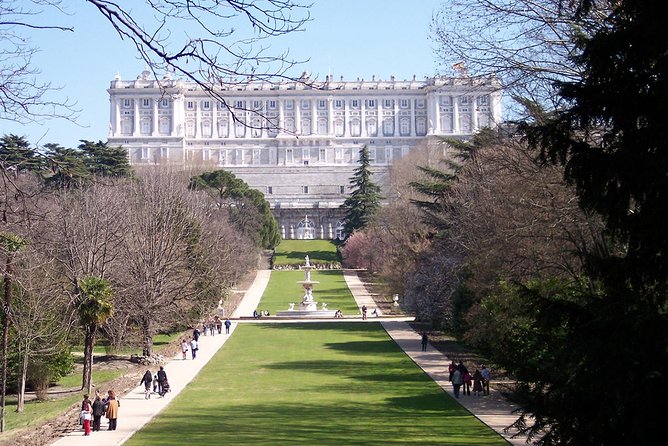
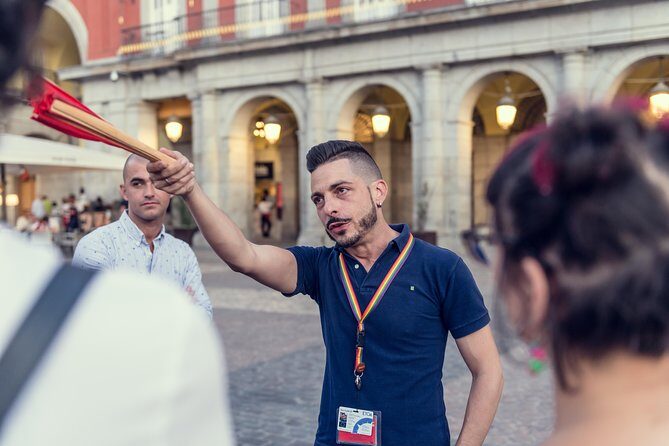
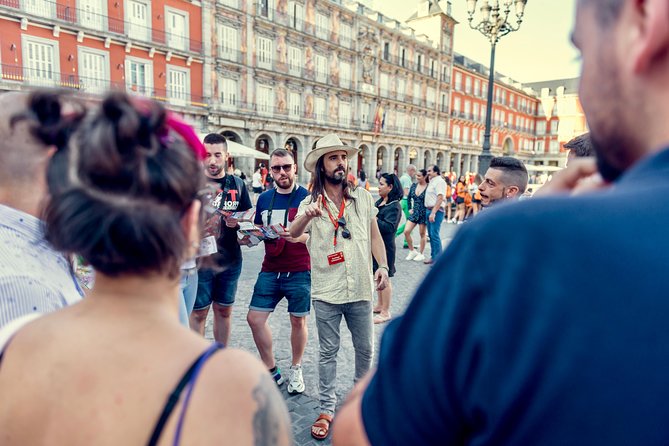
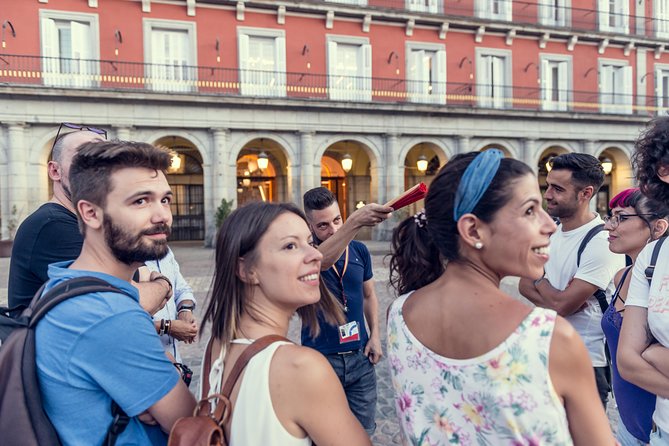

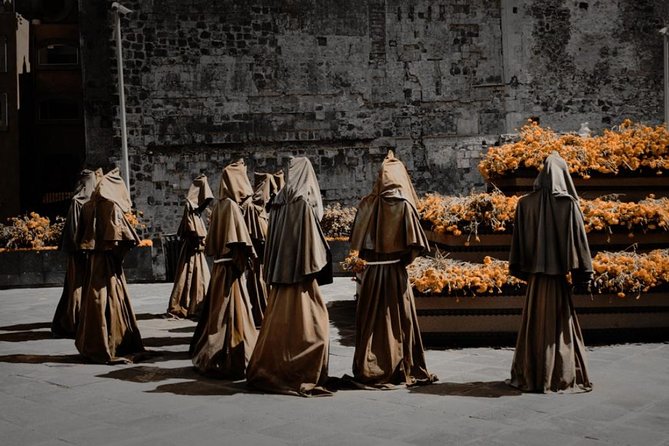
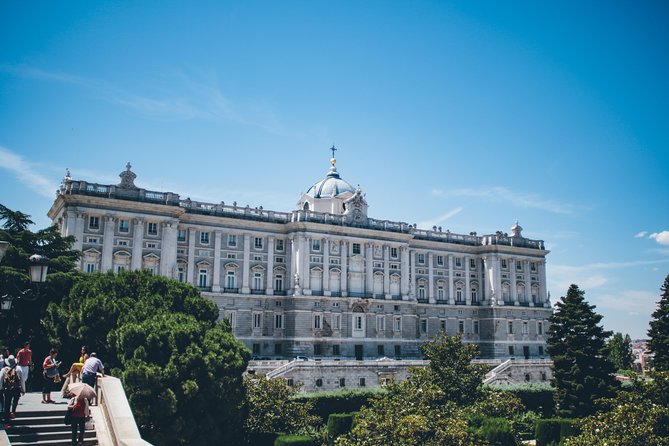
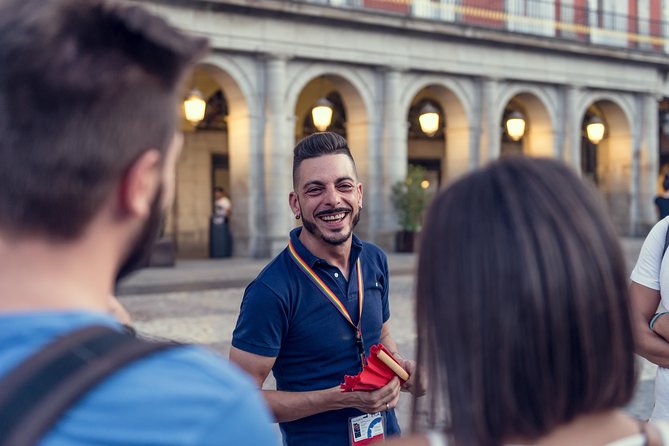
- Plaza Mayor meet-up makes it easy to find and easy to start your evening without drama
- English local guides turn a complicated topic into a guided “crash course” on how it worked
- Inquisition jail area storytelling helps you picture what confinement and fear meant in real places
- Public spectacle explained with context for autos-de-fe and how they were used as warning
- Good value for money at about $31.46 for an ~2-hour guided route
- Small groups (up to 40) keep it more conversational than lecture-only
Price and Logistics: What You’re Really Paying For
At about $31.46 per person for roughly 2 hours, this tour’s value comes from two places: a focused walking route plus a guide who explains the Inquisition’s origins and practices in a way that connects to Madrid’s streets. You also get a mobile ticket, and you can cancel for free up to 24 hours ahead.
Logistics are fairly smooth. The meeting point is Plaza Mayor (Centro), and the tour ends back at the same meeting area. It starts at 3:00 pm, and it’s described as near public transportation—useful if you’re building a full day with other plans.
Who This Tour Suits Best (And Who Might Want a Different Plan)
This tour is ideal if you:
- want a guided orientation to central Madrid while learning a darker slice of Spanish history
- like walking tours that connect stories to specific corners and landmarks
- want an English speaking guide rather than reading long text blocks on your own
It may be less ideal if you:
- expect lots of indoor sites or museum-style stops (this tour is framed as street-level movement through Madrid)
- don’t want to hear about persecution, imprisonment, and public punishment (the subject is heavy by nature)
Kids up to 13 can join for free (with ID possibly requested). That makes it workable for families who are comfortable with historical violence and intimidation as part of learning.
The Route in Real Order: Your Stop-by-Stop Walk Through Madrid
This is built as a sequence of meaningful places, mostly tied to how the Inquisition operated and how it looked in public. You’ll move from landmark to landmark with a guide who explains what happened, why it happened, and what people believed at the time.
Below is what you can expect at each stop, and why it matters.
Stop 1: Plaza Mayor and the Theater of Fear
You kick off at Plaza Mayor, a huge central square where public life—and public punishment—could happen. The tour frames this place as part of where some of the Inquisition’s most shocking public rituals took stage.
Why this works for travelers: plazas are where history becomes visible. When you’re standing in the same open space people once gathered in, the guide’s explanation about spectacle and intimidation lands fast—because the setting matches the story.
Stop 2: How the Inquisition Began and How It Spiraled
Next, you move into the story of origins: how the Spanish Inquisition began and how it grew into centuries of fear. The tour keeps this portion pointed—less about reading dates, more about understanding mechanisms: who had power, how accusations spread, and what “justice” could look like in practice.
A practical tip: treat this stop like your baseline. If you start confused, your guide should help you build the timeline quickly so the later jail and public-action stops make sense.
Stop 3: From City Streets to the Former Inquisition Jail
At this point you step outside the former jail and imagine what confinement meant behind its walls. Even without going deep into interiors, the “stand here and picture it” approach is often what makes history tours click.
This stop is also where you’ll notice how Madrid’s layout can feel ordinary—until the guide explains what used to be at specific locations. That contrast is the point: the city looks like a normal city, but the past was brutal.
Stop 4: The Mass Expulsion Story and Targeted Communities
The tour then addresses the chilling history of the mass expulsion of Jewish communities and other targeted groups. This isn’t presented as a rumor or legend. It’s part of how the Inquisition’s reach connected to broader social and political pressure.
Why it’s important: it shows that the Inquisition wasn’t only about courtroom drama. It tied into population-level fear and forced change—patterns that shaped Spain for generations.
Stop 5: Carcel de la Inquisicion and St. Plácido
Now you focus on the Inquisition jail (Carcel de la Inquisicion) and a specific episode tied to the “possessed of St. Plácido” and the exorcisms that gripped Madrid.
What to watch for here: guides often need to balance explanation with sensitivity. If you want a clear, grounded story—rather than horror-movie myths—you’ll usually get it at this stop, because the tour’s theme explicitly includes separating myth from truth later.
Stop 6: Where Autos-de-fe Happened and Why It Became a Spectacle
You then turn to where autos-de-fe were held and how these events became a terrifying show. The tour connects the idea of punishment to the idea of theater—using public visibility to warn and control.
For travelers, this stop tends to be memorable because it links “what happened” to “how it worked.” It’s one thing to learn a fact. It’s another to understand how the event’s design supported the system.
Stop 7: Myths, Witchcraft Claims, and the Dark Legends of Madrid
This portion is explicitly about separating myth from truth: witch covens, exorcisms, and the darkest legends tied to Madrid.
This is a big value add for modern travelers. You’re not only hearing what people in the past believed—you’re also getting help evaluating claims the way a historian would. If you’re skeptical already, this stop will respect that instinct while still explaining why the stories spread.
Stop 8: The Black Legend and Spain’s Image Abroad
Finally, the tour looks at how the Inquisition shaped Spain’s image abroad, including the concept behind the Black Legend. This is where the tour moves from local place-based history to wider international perceptions.
Why that ending is good: it gives you a “so what.” You leave with a sense of how Madrid’s past contributed to stereotypes and reputations you may already have heard in other contexts—art, literature, films, and casual conversation.
Meet-Up, Timing, and How to Get the Most From the 3:00 pm Start
The tour starts at 3:00 pm and runs for about 2 hours. That late-afternoon slot is helpful because it often feels more comfortable for a walking tour than mid-day heat.
Since the meet-up is at Plaza Mayor, you can plan to arrive 10–15 minutes early, get your bearings, and avoid rushing. The tour is near public transportation, so if you’re coming from another part of central Madrid, you should be able to work out your route without stress.
Group Size and What It Means for Your Experience
There’s a maximum of 40 travelers. That’s big enough to run smoothly but small enough that most groups still feel guided rather than lost in a crowd.
In practice, this affects how much you can ask and how clearly you can hear your guide. If you’re the type who likes to ask questions, you’re more likely to get answers than on mega-sized tours.
Guides: The Main Reason People Keep Recommending This Tour
The single most consistent theme in traveler experiences is the quality of the guide. Named guides you may encounter include John Thrower, Joaquin, Sebastian, Enrique, Lexi, Jovan, Alex, Mark, and Ernesto.
What matters isn’t just knowledge. It’s pacing and clarity—how well the guide turns a complex, grim topic into something you can follow street by street. People specifically highlighted that guides made the subject engaging and that they helped separate fantasy from history, not just repeat scary stories.
If you’re thinking about picking a time to book, this is the part you should bet on: with guides of that caliber, the experience tends to feel like a real learning moment, not a rushed walkthrough.
What’s Included (and What’s Not)
Included:
- Local guide
- Mobile ticket
- English-speaking tour option
Not included:
- Hotel pickup and drop off
Also, while some walking tours tempt you with food stops, nothing in the provided tour details says there’s wine selection or tapas included here. If you want tapas or a drink, you’ll want to plan that on your own before or after the tour.
That said, I like using this tour as a “history reset” before dinner. After the Inquisition lesson, tapas feel different—less as a fun pause, more as a way to experience Madrid as it is now, built over layers of difficult past.
Accessibility and Comfort Tips for a 2-Hour Walk
The tour lasts around 2 hours and is designed for most travelers. Still, your comfort will depend on weather and footwear.
A few practical tips:
- Wear walking shoes. The route is focused on streets and landmark stops.
- Bring a light layer if you’re sensitive to cool evenings; late afternoon can shift fast in Madrid.
- Use public transport to arrive early. The start at Plaza Mayor is straightforward, but you’ll want time to settle.
Cancellation Policy: Low-Risk Booking
You can cancel for free up to 24 hours in advance for a full refund. If you cancel less than 24 hours before the start time, the amount paid won’t be refunded.
So if your schedule is still flexible, this tour is easy to hold onto without major financial risk.
Madrid: The Spanish Inquisition Walking Tour
Should You Book the Madrid Spanish Inquisition Walking Tour?
If you want a guided, city-connected lesson on the Spanish Inquisition with a strong chance of a great guide, I’d book it. It’s priced reasonably for what you get (about $31.46 for ~2 hours), and it has an excellent overall rating (4.9 with 399 ratings, and 98% recommended).
I’d think twice only if you:
- hate walking tours or need a mostly indoor experience
- prefer light subjects and want to avoid topics like persecution, imprisonment, and public punishment
But if you’re the kind of traveler who likes history that shows up on the street—Plaza Mayor, the jail area, and the way Madrid’s image traveled abroad—this tour is a strong, practical choice.