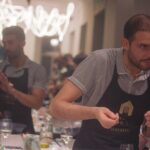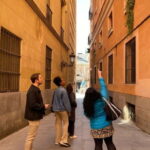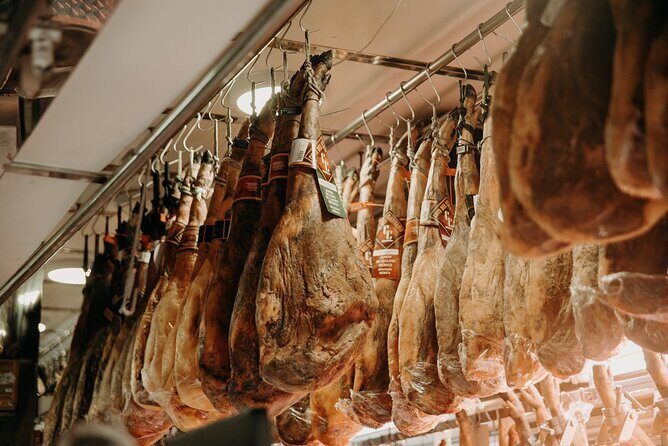
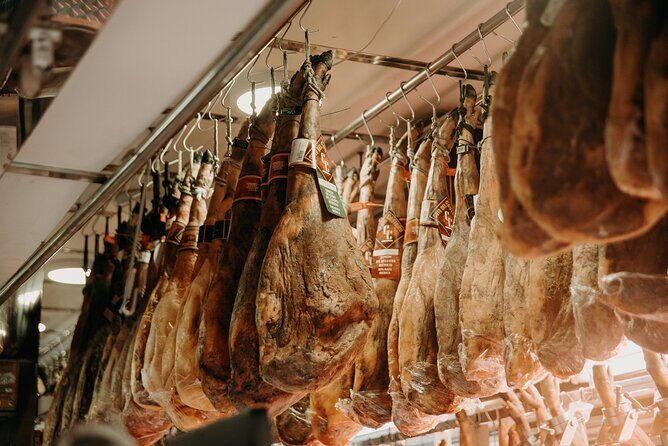
If you’re the type of traveler who believes a city reveals itself best through what locals eat, this food tour deserves your attention. We love how this three-hour walking tour takes you to the actual places where madrileños do their daily shopping and eating—not restaurants designed for travelers. We also appreciate that the tour includes roughly 15 different tastes spread across eight stops, which means you’re getting genuine substance rather than tiny samples that leave you hungry.
The one consideration worth mentioning upfront: this is a walking tour at a moderate pace through Madrid’s center, so comfortable shoes aren’t optional—they’re essential. The tour also isn’t suitable for vegans or those with celiac disease, though many other dietary restrictions can be accommodated with advance notice.
This experience works best for food-curious travelers who want to understand Spanish culture through cuisine, rather than those looking for fine dining or a leisurely sit-down meal. It’s equally valuable whether you’re visiting Madrid for the first time or returning for a deeper connection to the city.
- What Sets This Tour Apart From the Standard Tourist Experience
- Breaking Down the Three-Hour Journey
- The Morning Ritual: Chocolate and Churros
- The Baker’s Art: MOEGA Empanadas y Pan Gallego
- The Living Market: Mercado de Antón Martín
- The Historic Deli: Casa González
- The Calamari Moment: Bar La Campana and Plaza Mayor
- The Sweet Finish: Historic Pastry Stop
- Understanding the Value Proposition
- Practical Details That Matter
- What Guides Consistently Deliver
- Cancellation and Peace of Mind
- Who Should Book This Tour
- The Bottom Line
- Frequently Asked Questions
- The Best Of Madrid!
- More Food & Drink Experiences in Madrid
- More Tours in Madrid
- More Tour Reviews in Madrid
What Sets This Tour Apart From the Standard Tourist Experience
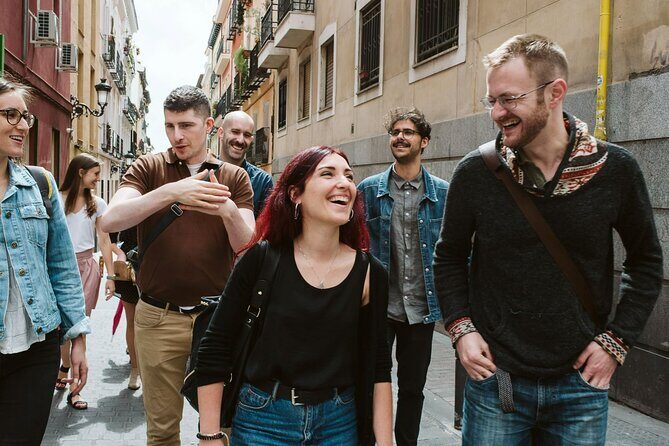
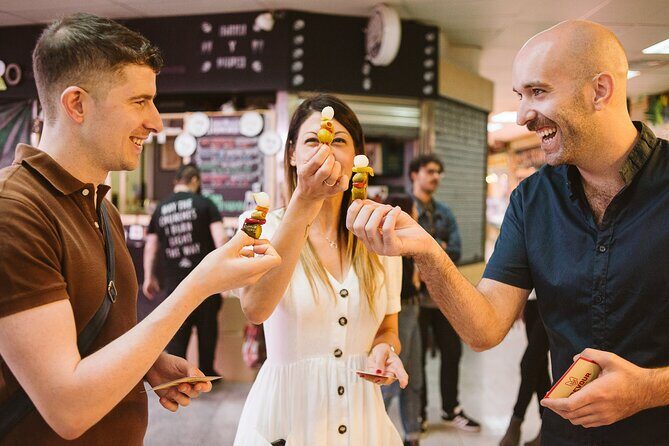
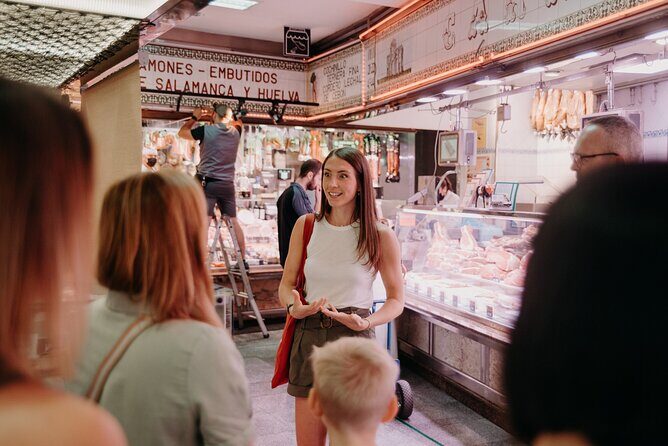
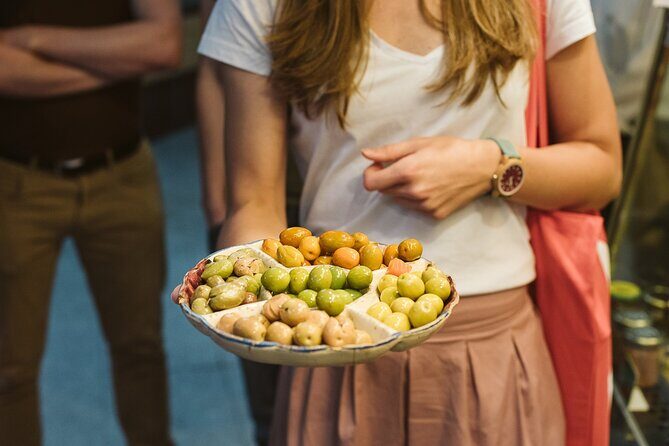
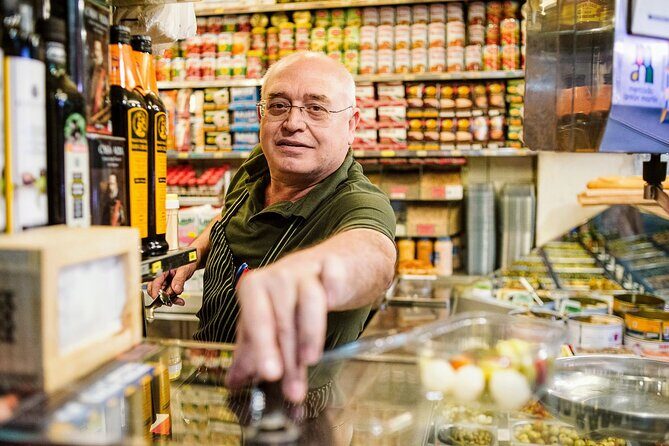
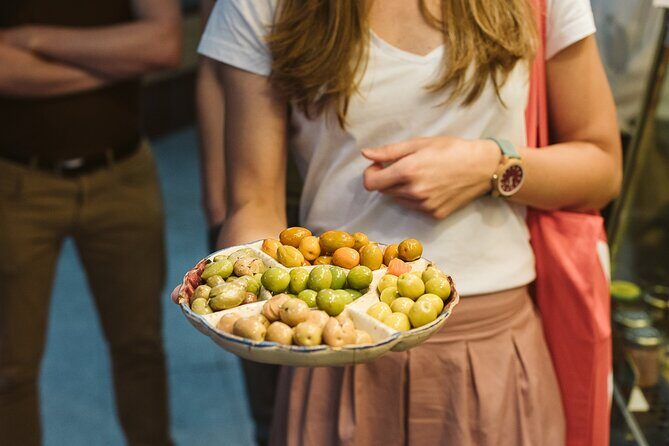
Walking into yet another tour group herded through a famous plaza isn’t most travelers’ idea of authentic exploration. This tour sidesteps that entirely by focusing on neighborhood spots and working markets that genuinely serve the local community. You’re not watching food culture from behind a velvet rope—you’re standing where residents gather for their morning coffee or weekly grocery shopping.
The guide selection matters enormously here, and the reviews consistently praise guides like David, Flo, José, and Mitzi for bringing both knowledge and personality to the experience. One traveler noted that their guide “gave some great tips and insight into the Madrid food scene. Where cuisines originated from and how traditions have been kept and mastered.” This isn’t just about eating; it’s about understanding the “why” behind what you’re tasting.
The small group size—capped at 12 travelers—makes this possible. Several reviews specifically mention how important this constraint is. As one traveler put it: “It was important that the group was small, as many places were tiny. You won’t regret this tour.” Many of the stops are genuinely small establishments where a large group would overwhelm the space and ruin the experience for everyone, including the vendors.
👉 See our pick of the 15 Best Wine Tours In Madrid
Breaking Down the Three-Hour Journey
You can also read our reviews of more food & drink experiences in Madrid

The Morning Ritual: Chocolate and Churros
Your tour begins at the Monument Calderón de la Barca in Plaza Santa Ana, where you’ll meet your guide 15 minutes before departure. The first stop sets the tone immediately: thick, decadent hot chocolate paired with churros at a beloved neighborhood café.
This isn’t the sugary chocolate you might be imagining. Spanish hot chocolate is different—denser, richer, and meant for dunking your churros rather than sipping alone. One enthusiastic traveler described it as “buenodillas (which might actually translate to ‘holy wow this is good’).” This opening stop does important work: it grounds you in the local breakfast culture and shows you how madrileños actually start their day, rather than how travelers imagine they do.
If you’re taking the 5 PM tour, you’ll skip the churros stop and instead visit a tapas bar for two local tapas and a beer—a solid alternative that keeps the experience seasonal and appropriate to the time of day.
The Baker’s Art: MOEGA Empanadas y Pan Gallego
Next comes a small storefront run by a passionate young baker from northern Spain. This stop reveals something many visitors never consider: finding genuinely good bread in Madrid can be surprisingly difficult. The baker sources quality ingredients and makes everything in-house, including chorizo-stuffed rolls that showcase why locals make the effort to visit this particular shop.
This stop matters because it connects you to someone who cares deeply about their craft. You’re tasting the result of someone’s commitment to doing one thing exceptionally well, rather than mass-produced bread that could come from anywhere. It’s a 15-minute stop, giving you time to chat with the baker and understand their philosophy.
The Living Market: Mercado de Antón Martín
The market visit spans 40 minutes, and this is where the tour truly comes alive. You’ll explore stalls alongside actual madrileños doing their weekly shopping—not a touristy market performance, but the real thing. The guide will lead you through tastings at various vendor stalls: flavorsome olives, cured meats, locally sourced produce, and Spain’s “liquid gold,” extra virgin olive oil.
One particularly valuable stop involves learning about Spanish red vermouth and when locals actually drink it (spoiler: it’s not random). You’ll taste it properly, over ice, as it’s meant to be enjoyed. One traveler raved: “We learned all about olives, Jamon, octopus, melted breakfast chocolate with the churro, Vermud and cheese.” The market visit gives you both the food education and the cultural education simultaneously—you see how Spanish food culture actually functions in daily life.
The Historic Deli: Casa González
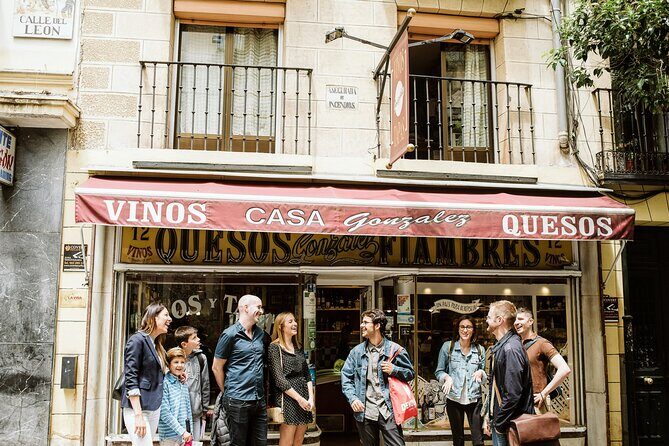
Casa González is an unassuming neighborhood deli with a fascinating backstory. During Spain’s 1930s dictatorship, the owner’s father held clandestine meetings here to plot against the newly established regime. Today, that same space hosts a mini cheese tasting featuring varieties from across Spain, with your guide explaining the origins and characteristics of each.
This stop brilliantly combines food education with history. You’re not just tasting cheese; you’re sitting in a space that witnessed important moments in Spanish history. The guide’s knowledge of the cheeses transforms this from a simple tasting into a lesson about Spanish regional food traditions. One traveler specifically mentioned that the Spanish blue cheese “stole the show, especially for the Americans at the table.”
You can also read our reviews of more tours and experiences in Madrid
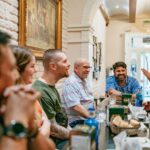
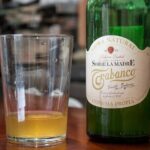
The Calamari Moment: Bar La Campana and Plaza Mayor
Here’s where the tour does something genuinely local: it takes you to eat a calamari sandwich standing outside a bar, just like madrileños do. This isn’t fine dining—it’s real Madrid eating culture. The calamari rings are cooked to perfection in light, crunchy batter, and you consume it standing up, quickly, without ceremony.
One reviewer who initially skipped this stop (finding portions large and the salt level high) noted that four out of six people in the group disagreed with her assessment. The point isn’t that everyone will love every bite—it’s that you’re experiencing how locals actually eat this iconic Madrid dish. The final 30 minutes wrap up in Plaza Mayor itself, Madrid’s central square that’s been at the heart of the city’s most important events for centuries.
The Sweet Finish: Historic Pastry Stop
The tour concludes at a historic pastry shop where you’ll savor a sweet dessert with coffee or tea. One traveler described the final pastry as “so sweet it could tuck you in at night or launch you into a sugar high until next week but it sure was delicioso.” This finale sends you off satisfied and caffeinated, ready to continue exploring Madrid on your own.
Understanding the Value Proposition
At $95.53 per person, this tour includes your guide, the walking experience, eight separate tasting stops, roughly 15+ individual tastes, and one drink. You’re essentially getting breakfast and lunch combined, plus education about Spanish food culture and Madrid neighborhoods.
The real value emerges when you consider what you’re not paying for: you’re not paying premium restaurant markups, you’re not sitting in a tourist-oriented hotel, and you’re not getting tiny samples designed to leave you wanting more. One traveler who’d done multiple food tours noted: “I’ve done a LOT of food tours and walking tours and this one has to be one of – if not the – best.” Another mentioned that after 10 stops, “I didn’t know if I could eat anymore but I did of course.”
The advance booking trend (40 days on average) suggests people who’ve done research recognize the value. The 99% recommendation rate and 5.0 rating across over 1,000 reviews indicates this isn’t luck—it’s consistent execution.
Practical Details That Matter
Timing and Meeting Points: Your tour departs from Monument Calderón de la Barca in Plaza Santa Ana. Arrive 15 minutes early to allow time for introductions and to ensure the guide can start promptly. The three-hour duration is accurate—it’s not padded with excessive walking between stops, though the itinerary does involve moving through Madrid’s center at a moderate pace.
Group Dynamics: With a maximum of 12 travelers, you’ll meet people from around the world without feeling like you’re part of a cattle drive. One traveler specifically appreciated “meeting other people from around the world and sharing this experience.” The small size also means your guide can actually pay attention to individuals and adjust the experience based on group interests.
Dietary Accommodations: The tour adapts for vegetarians, pescatarians, gluten-free diets (excluding celiacs), dairy-free needs, and pregnant women, though you may not have replacement options at every stop. If you have restrictions, email the team after booking so they can arrange appropriate substitutions. This flexibility shows the operator understands that real travelers have real dietary needs.
Transportation: The tour is near public transportation, making it easy to reach the starting point. You’re walking between stops, but the spacing is intentional—one reviewer noted “spacing between stops was good to avoid long walks.” This means you’re not exhausted by the time you reach the food, which actually matters for your ability to enjoy what you’re tasting.
Mobile Tickets: Your confirmation arrives immediately upon booking, and you’ll receive a mobile ticket. No need to print anything or worry about losing paperwork.
What Guides Consistently Deliver
The reviews reveal consistent praise for specific guide qualities. Guides are described as “knowledgeable,” “enthusiastic,” “engaged,” and “interested in ensuring our group had a great time.” More specifically, one traveler noted their guide “was thinking of every detail between history, wine and cheese.” Another mentioned their guide had “the knowledge of a culinary historian and the ability to make you believe that yes, a seventh snack is absolutely necessary.”
These aren’t generic compliments—they reflect guides who understand both the food and the cultural context, who can tell you not just what you’re eating but why it matters in Spanish culture. One reviewer described their experience as receiving “fun facts, historical tidbits, and helped us find the genuine joy in exploring the local cuisine in traditional places.”
Cancellation and Peace of Mind
You can cancel up to 24 hours before the tour for a full refund, which provides reasonable flexibility if your plans change. This is straightforward—no complex refund calculations or surprise fees.
Who Should Book This Tour
This experience suits travelers who prioritize authentic local experiences over polished tourist attractions. If you’re the type who’d rather eat where locals eat than dine in a famous restaurant, if you’re curious about the “why” behind food traditions, or if you want to understand a city through its culinary culture, this tour delivers.
It’s particularly valuable for first-time visitors who want to orient themselves to Madrid’s neighborhoods while eating genuinely good food. It’s equally worthwhile for return visitors seeking deeper cultural connection. Food writers, cooking enthusiasts, and travelers planning future trips to Spain will find the education about Spanish regional differences invaluable.
It’s less suitable for those with significant mobility limitations (the walking is moderate but consistent), those with celiac disease or strict vegan requirements (the accommodations are limited), or travelers seeking a leisurely, long sit-down meal experience.
The Bottom Line
This tour consistently delivers what it promises: genuine access to how madrileños actually eat, guided by knowledgeable locals who understand both the food and the culture behind it. At under $100 per person for three hours of eating, walking, and learning, the value is solid. The 5.0 rating across over 1,000 reviews, combined with consistent praise for guides and authentic local experiences, suggests this is one of Madrid’s genuinely worthwhile food experiences. Book this if you want to understand Madrid through food rather than see it through a bus window.
Madrid Ultimate Spanish Cuisine Food Tour
Frequently Asked Questions
Q: How much food will I actually eat on this tour?
A: You’ll have approximately 15+ individual tastes across eight stops, including chocolate and churros for breakfast, various market samples, cheese and cured meats, tapas, a calamari sandwich, and dessert with coffee or tea. Most travelers report feeling genuinely full by the end—multiple reviews mention struggling to finish all the food by the final stops.
Q: What if I have dietary restrictions?
A: The tour accommodates vegetarians, pescatarians, gluten-free diets (not celiacs), dairy-free needs, and pregnant women. You may not have replacement options at every single stop, but the company will work with you if you email after booking. Vegans and those with celiac disease cannot be accommodated due to the nature of the stops.
Q: Is this tour actually small group, or will I be herded around with 50 people?
A: The maximum group size is 12 travelers. This constraint is intentional—many of the stops are genuinely tiny establishments (bakeries, delis, market stalls) that would be overwhelmed by a large group. The small size also allows your guide to actually interact with you rather than shouting over a crowd.
Q: What’s the difference between the morning and 5 PM tours?
A: The morning tour includes the iconic chocolate and churros stop, while the 5 PM tour replaces that with a visit to a tapas bar for two local tapas and a beer. Both tours follow the same general route and hit the same market and historic locations—the difference is just the opening stop and timing.
Q: Do I need to be in excellent physical condition to do this tour?
A: No. The tour involves moderate-paced walking through Madrid’s center, but spacing between stops is intentional to avoid excessive walking. One reviewer specifically noted “the walking wasn’t too difficult but do wear comfy shoes.” If you can walk for three hours at a leisurely pace, you can do this tour.
Q: When should I book this tour, and what’s the cancellation policy?
A: The tour is booked on average 40 days in advance, so booking early is wise if you have specific dates in mind. You can cancel for a full refund up to 24 hours before the tour. Cancellations made less than 24 hours before the start time are non-refundable.