When you’re based in Copenhagen with limited time, the idea of squeezing a visit to Sweden into a single day sounds ambitious. Yet this tour manages to pull it off without feeling rushed. We’ve found this experience delivers genuine value for travelers who want to step across the Øresund Bridge and discover two distinctly different Swedish cities in one go.
What makes this tour genuinely worthwhile is the quality of the guides—reviewers consistently highlight their knowledge and enthusiasm—and the fact that you get meaningful time to explore on your own rather than being herded from photo stop to photo stop. The logistics work smoothly, with comfortable transportation and a well-paced itinerary that respects your time.
One consideration worth knowing upfront: the tour’s afternoon departure time means you’ll arrive at your first stop around 1 PM, which limits museum visits since many close by 3 or 4 PM. If you’re keen on getting inside historical buildings, you might want to research opening hours in advance or ask about morning departure options.
This experience works best for travelers who want a taste of Swedish culture without the hassle of navigating trains and bus schedules themselves, and especially for those who appreciate a good guide who can bring places to life with stories and context.
- What You’re Getting for Your Money
- The Journey Across the Øresund Bridge
- Malmö: Where Modern Architecture Meets Medieval Charm
- Lund: A University Town with Medieval Soul
- The Pace and Timing: A Goldilocks Itinerary
- The Guides Make the Difference
- Transportation and Comfort
- What’s Not Included (And Why That Matters)
- The Practical Details That Matter
- Who This Tour Is Perfect For
- FAQ: Your Practical Questions Answered
- Final Thoughts
- More Tours in Copenhagen
- More Tour Reviews in Copenhagen
What You’re Getting for Your Money
 1 / 8
1 / 8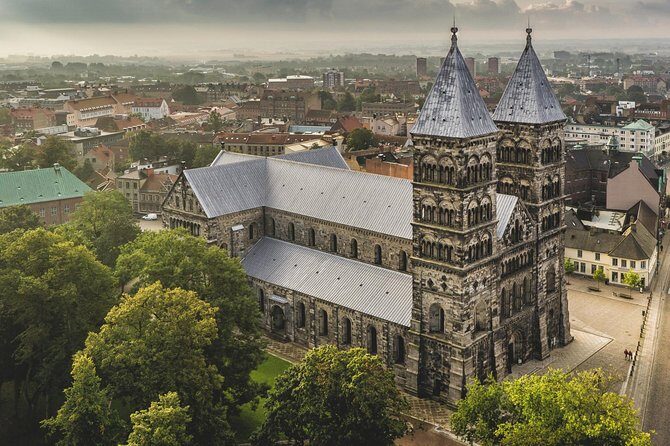 2 / 8
2 / 8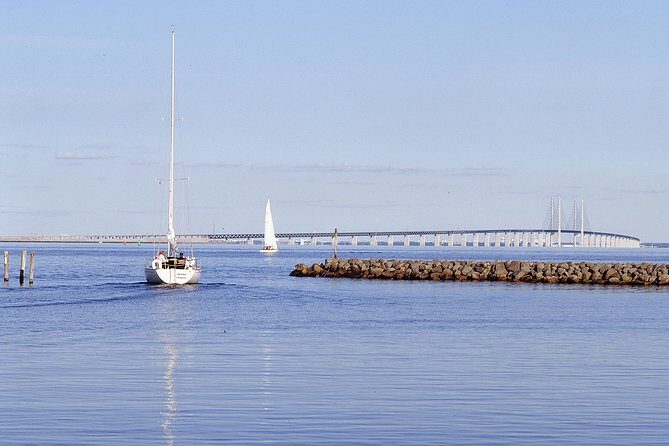 3 / 8
3 / 8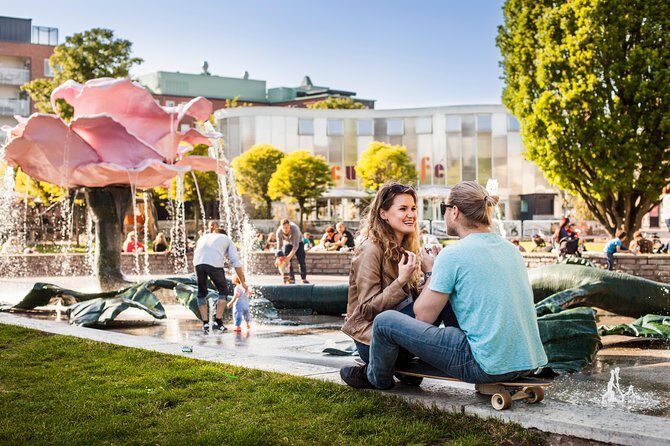 4 / 8
4 / 8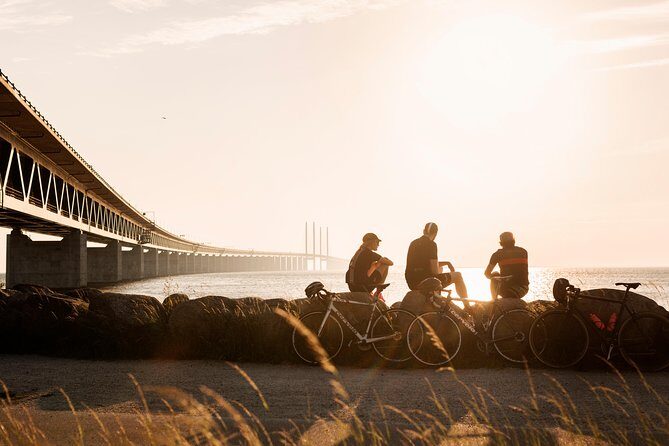 5 / 8
5 / 8 6 / 8
6 / 8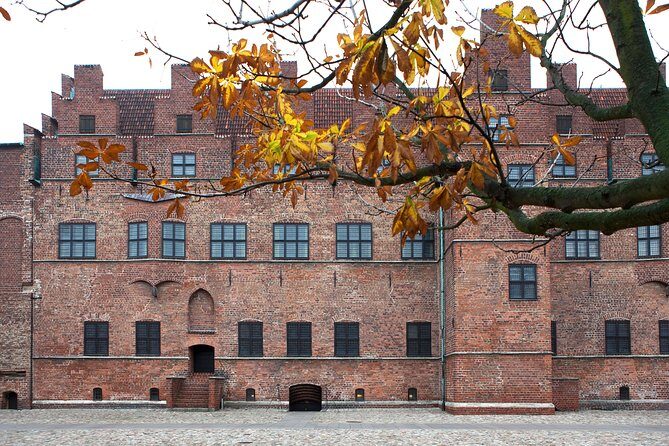 7 / 8
7 / 8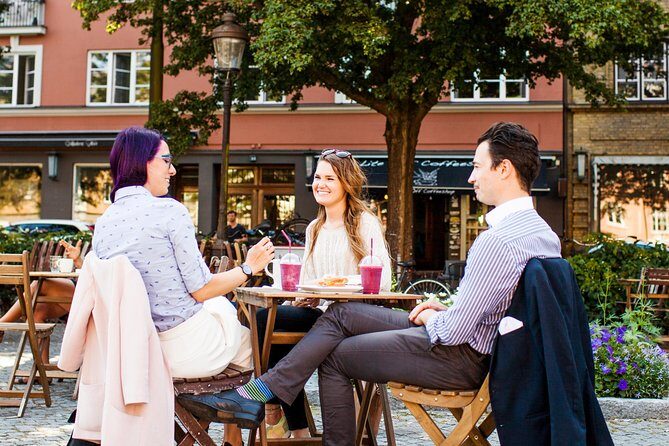 8 / 8
8 / 8At just over $114 per person, you’re looking at one of the better-value day excursions from Copenhagen. The price covers round-trip transportation in a comfortable, air-conditioned coach with WiFi, a professional driver-guide (or combination of driver and audio guide), and passage across the Øresund Bridge—arguably the most iconic crossing in Scandinavia. You’re not paying for meals or museum entries, which keeps costs manageable and gives you flexibility about how you spend your free time.
What you’re actually paying for is the convenience and knowledge. Rather than figuring out train schedules, navigating Swedish stations, and worrying about getting back to Copenhagen on time, you have a comfortable seat, someone who knows the region, and the peace of mind that comes with an organized itinerary. For travelers on a tight schedule, that convenience factor justifies the price.
The fact that 94% of travelers recommend this tour speaks volumes. When you look at the 582 reviews, you see consistent praise for guides who go beyond just pointing out landmarks. One traveler noted that their guide “bought things to life” with historical context, while another mentioned that their guide was “like a relative” in warmth and approachability.
The Journey Across the Øresund Bridge
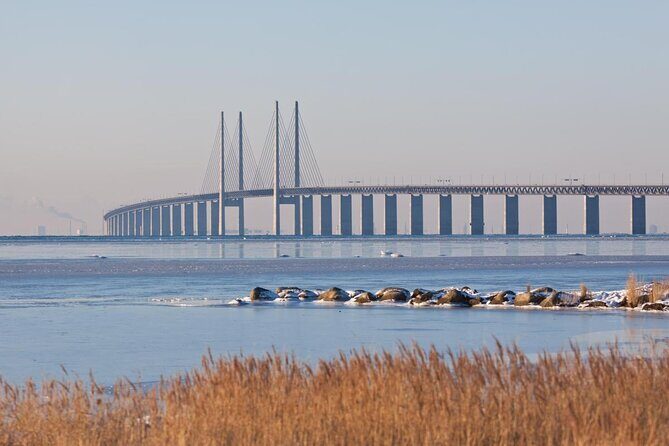
Before you even arrive at your first destination, you’ll experience one of Northern Europe’s most striking pieces of infrastructure. The Øresund Bridge connects Copenhagen to Malmö in a way that feels almost magical—you’re literally driving from Denmark into Sweden on a bridge that seems to stretch forever across the water.
Reviewers frequently mention the bridge views as a highlight, and for good reason. On a clear day, the sight of this engineering marvel against the Scandinavian landscape is genuinely memorable. Several travelers specifically noted they watched “The Bridge,” the Nordic noir television series, before visiting and were eager to see the real thing. The bridge crossing gives you a tangible sense of crossing between countries and cultures.
Your guide will likely point out details about the bridge as you cross, giving you context about its construction and significance. This isn’t just a commute—it’s part of the experience itself.
You can also read our reviews of more tours and experiences in Copenhagen.
Malmö: Where Modern Architecture Meets Medieval Charm
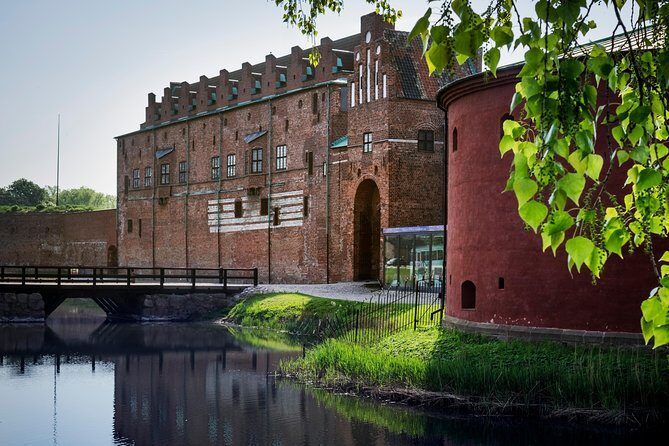
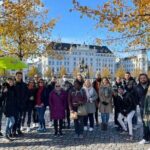
You’ll spend roughly an hour and a quarter exploring Malmö, which might sound brief until you realize the city’s highlights are concentrated and walkable. Malmö is Sweden’s third-largest city, and it’s evolved dramatically over the past two decades from a post-industrial port town into a vibrant, design-conscious destination.
The tour hits several key stops that give you a genuine feel for the city’s character. You’ll see Stortorget, the main square, which feels surprisingly Parisian with its outdoor café culture and historic architecture. Behind it lies Lilla Torg (Little Square), ringed with 17th and 18th-century half-timbered buildings and small restaurants—this is where locals actually hang out, not just travelers. The Form/Design Center here reflects Malmö’s contemporary identity, showcasing Scandinavian design in a way that feels authentic rather than touristy.
The standout visual moment is the Turning Torso, Scandinavia’s tallest building at 190 meters. Designed by Spanish architect Santiago Calatrava and completed in 2005, this residential tower is a breathtaking piece of neo-futurism that you can see from the Danish side on clear days. The building’s design—nine cubes that rotate 90 degrees from ground to top—makes it instantly recognizable and genuinely impressive in person. You won’t go inside (it’s private apartments), but the exterior views are spectacular.
For shopping, Södergatan is Malmö’s main pedestrian street, lined with department stores and clothing shops. If you want something more local, the Hansa shopping center offers a more Scandinavian vibe. One traveler raved about finding Swedish meatballs at Moosehead Bar—a good reminder that part of the fun is discovering where locals actually eat.
Lund: A University Town with Medieval Soul
Your second major stop is Lund, and this is where the tour shifts from modern Malmö to something that feels genuinely medieval. You’ll have roughly an hour and a half here, which gives you real time to wander and absorb the atmosphere.
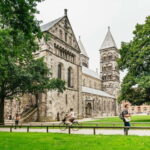
Lund Cathedral is the centerpiece, consecrated in 1145 (though a cathedral has stood on this site since the 1080s). The astronomical clock, installed around 1424, still functions—a remarkable survival from medieval times. The cathedral’s 55-meter towers were once visible from the entire surrounding countryside, and standing in front of them today, you understand why they were such an important landmark. The cathedral houses five organs, including a massive one built in the 1930s by a Danish company. If you’re visiting in early November, you might catch the anniversary of the Reformation, which Pope Francis marked here in 2016.
Adjacent to the cathedral is Lund University, which traces its roots to 1425 and is the oldest site of higher education in Scandinavia. The university’s presence gives Lund a youthful energy despite its medieval bones. Lundagård Park is lovely for a stroll, and if you have museum energy, the Lund University Historical Museum is nearby (though not included in your tour price).
One traveler mentioned enjoying Lund “the most” despite a grey, wet day—that tells you the city has genuine charm that transcends weather. Another noted they could have spent more time here, which speaks to how absorbing the atmosphere becomes once you’re wandering the narrow streets.
For food, Martens Torget is your best bet, with Saluhallen (an indoor market built in 1909) offering everything from Italian to Persian to Japanese cuisine. If you want something quintessentially Swedish, Espresso House (which started in Lund in 1996) has excellent pastries, or Max offers classic Swedish fast-food burgers. Most places take card payments, though having around 200 Swedish Kronor in cash is smart just in case.
The Pace and Timing: A Goldilocks Itinerary
One of the tour’s genuine strengths is that it respects your time without rushing you. You’re not being herded from place to place or forced to listen to endless commentary. Instead, you get guided introduction to each location, then genuine free time to explore independently.
This balance appears consistently in reviews. One traveler noted, “We had ample time to explore both historic towns, get a bite to eat, and still be in time for a view of the bridge from Sweden!” Another appreciated the “perfect balance between guided and free time activities at each scheduled stop.”
The 6.5-hour duration is realistic. You’re not spending hours on the bus—the actual drive time between Copenhagen and Malmö is roughly 45 minutes via the bridge. The time breaks down roughly as: pickup, bridge crossing, Malmö exploration, drive to Lund, Lund exploration, return journey. Nothing feels artificially stretched, and nothing feels compressed.
One important caveat from the reviews: afternoon tours (departing around 1 PM) mean you’ll arrive at your first stop around 1 PM. One traveler was disappointed because museums were closing by 3 PM, right when they arrived. If museum visits are essential to your experience, confirm whether morning departures are available or do your homework on which sites have evening hours.
The Guides Make the Difference
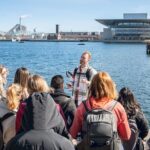
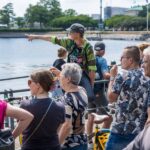
What repeatedly elevates this tour above a basic sightseeing experience is the quality of the guides. Reviewers mention specific guides by name—Mario, Andy, Steen, Alex, Allan, Crispin—and consistently praise their knowledge, warmth, and ability to make history feel relevant.
One traveler wrote: “His wealth of knowledge about the cities was vast, but what truly made it special was their ability to tell stories and make history come alive. Andy’s clear communication and enthusiastic, warm personality made everyone in the group feel engaged and excited to learn.”
Another noted: “Mario offered to drop me off near my hotel” at the end of a rainy day—small gestures that reveal guides who genuinely care about their passengers’ experience rather than just checking boxes on an itinerary.
The guides handle logistics smoothly. Buses leave on time, routes are efficient, and if weather looks questionable, guides figure out alternative photo stops to keep the experience interesting. One traveler mentioned their guide kept saying “I’m used to doing the morning tours” when running an afternoon slot—a reminder that guides are working within constraints, but good ones adapt.
The tour also includes an audio guide component that supplements the driver’s commentary, so you get context even during driving segments. This is particularly helpful for the bridge crossing, where someone explaining what you’re seeing enhances the experience considerably.
Transportation and Comfort
You’re traveling in a climate-controlled coach with WiFi, which matters more than you might think on a six-hour day trip. The buses are described consistently as clean and comfortable. With a maximum of 35 travelers, you’re not on a massive tour bus—there’s breathing room without feeling intimate.
The meeting point is Banegårdspladsen 2, 1570 København, which is Copenhagen’s main train station. It’s easily accessible by public transport and impossible to miss. If you’re staying at a hotel, you can request pickup (you’ll need to email your booking reference), which adds convenience for those without easy access to the station.
The drive itself is pleasant. You’re on well-maintained highways the entire way, and the landscape gradually shifts from Copenhagen’s urban surroundings to more rural Scandinavian countryside. It’s not dramatic, but it’s pleasant—the kind of drive where the audio guide and guide commentary enhance what you’re seeing.
What’s Not Included (And Why That Matters)
Meals are not included, which actually gives you flexibility. Rather than being stuck with a predetermined restaurant stop, you can choose based on your preferences and budget. In Malmö, you might grab something quick so you have more time exploring, or in Lund you might take a leisurely lunch at Saluhallen. This flexibility is genuinely valuable.
Museum entries are also separate. This means if you want to visit Malmö Art Museum or Malmö Natural History Museum (both at Malmöhuset), or Kulturen (Sweden’s second-oldest open-air museum in Lund), you’ll pay extra. But it also means you’re not forced to visit places that don’t interest you. The tour gives you enough context to appreciate the exteriors and surrounding areas, then lets you decide how deep you want to go.
The Practical Details That Matter
The tour operates in English, which is crucial if you’re not Swedish-speaking. Confirmation comes immediately upon booking. The free cancellation policy (up to 24 hours before) is generous and takes pressure off booking decisions.
Weather can affect the experience. The tour operates in most conditions, but poor weather might result in rescheduling or a full refund. One traveler went on a “very grey wet day” but their guide “did his absolute best to get us to a place to see everything including the Oresund Bridge.” That’s the kind of adaptability you hope for, and the reviews suggest guides generally deliver it.
A minimum number of travelers is required for the tour to operate, but with 582 reviews and consistent bookings, finding enough people isn’t typically an issue.
Who This Tour Is Perfect For
This experience works beautifully for several types of travelers. If you’re visiting Copenhagen with limited time—say, three to five days—and want to experience Sweden without the logistical complexity, this delivers. You get genuine exploration time without the stress of figuring out trains, schedules, and return connections.
It’s also ideal if you’re traveling solo and want the safety and social aspect of a group experience without feeling like you’re on a typical tour. Reviewers mention feeling comfortable and safe, with guides who are genuinely helpful if questions arise.
It works well for travelers who appreciate context and history. This isn’t a bus tour where you see things from a window. You get out, walk around, and have guides who can explain what you’re looking at and why it matters.
Finally, it’s excellent for travelers who want value. At just over $114 and covering transportation, guide services, and a full day of exploration, the price-to-experience ratio is strong.
FAQ: Your Practical Questions Answered
Q: Do I need to bring my passport for this tour?
A: Yes, absolutely. You’re crossing an international border from Denmark to Sweden, so you’ll need valid identification. Have it accessible when boarding.
Q: What if I want to visit museums in Malmö or Lund?
A: Museum entries aren’t included in the tour price, but your guide can direct you to specific sites. Malmöhuset (home to the Art and Natural History museums) and Kulturen (open-air museum in Lund) are both accessible during free time. Check opening hours in advance since the afternoon tour arrival time (around 1 PM) means some museums may close before you finish exploring.
Q: Is there time for a proper lunch?
A: Yes, you’ll have roughly 75-90 minutes in each city, which gives you time for a meal. Both Malmö and Lund have excellent lunch options at various price points. Lund’s Saluhallen is particularly good for trying multiple cuisines in one spot.
Q: Can I arrange hotel pickup instead of meeting at the train station?
A: Yes, hotel pickup is available. You’ll need to email your booking reference to the tour operator ([email protected]) with your hotel details, and they’ll arrange it.
Q: What’s the group size, and will I feel like I’m on a crowded tour?
A: Maximum group size is 35 people, which is considerably smaller than many organized tours. Based on reviews, groups feel manageable, and you still get meaningful interaction with your guide.
Q: What should I wear and bring?
A: Comfortable walking shoes are essential—you’ll be on your feet exploring two cities. Dress for the season; reviewers mention everything from snowy February conditions to rainy days. One traveler wisely noted: “dress for the weather and research a bit what you want to see with free time while in Sweden.” Bring water or be prepared to buy some.
Q: Is the audio guide in addition to the driver’s commentary, or instead of it?
A: It’s in addition. You get both the driver’s live commentary and an audio guide that provides context during the journey. This combination ensures you’re getting information even when the driver isn’t actively talking.
Q: What happens if the weather is bad?
A: The tour operates in most weather conditions. One traveler had “a very grey wet day” and still had a great experience. However, if weather is severe enough to be unsafe, the tour will be rescheduled or fully refunded. Your guide will also make adjustments to routing if needed to maximize what you can see and photograph.
Malmö & Lund Tour, Crossing the Øresund Bridge to Sweden
Final Thoughts
This tour delivers what it promises: a well-organized, genuinely informative day trip to two distinctly different Swedish cities without the logistical headaches of arranging your own transportation. The combination of guides, comfortable transportation, meaningful free time, and the iconic Øresund Bridge crossing creates an experience that feels both efficient and authentic. At $114 per person, you’re getting solid value—not just a bus seat, but access to guides who know their region and can contextualize what you’re seeing. The 94% recommendation rate from 582 real travelers isn’t an accident; it reflects consistent quality execution. This tour works best for travelers who have a few days in Copenhagen and want to genuinely experience Sweden without getting bogged down in logistics, and for anyone who appreciates a guide who can make history and culture feel alive and relevant.