If you’re planning a trip to Marseille and want to understand the soul of this Mediterranean city, food is your best teacher. This walking food tour by Do Eat Better offers exactly what we’re looking for when we travel: authentic local experiences without pretension, plenty of actual food (not just tiny samples), and the kind of guidance that comes from someone who genuinely knows their neighborhood.
We love this tour for two specific reasons. First, you’re getting a complete meal spread across five stops—not just token nibbles that leave you hungry by noon. Second, the experience centers on what makes Marseille genuinely different from the rest of France: its position as a Mediterranean crossroads where North African, Italian, and Provençal influences collide on your plate. That said, the quality of your experience does depend somewhat on your guide, and a few travelers have noted that some stops feel more rushed or less memorable than others.
This is the tour for anyone who considers eating local food a legitimate form of cultural education. If you’re the type who’d rather skip the Eiffel Tower to find where locals actually eat, this three-and-a-half-hour investment will pay dividends in memories and satisfaction.
- What You’re Actually Getting for Your Money
- The Five-Stop Journey Through Marseille’s Food Culture
- Stop 1: Vieux Port and Your First Taste of Provençal Tradition
- Stop 2: Le Vieux Port’s Seafood Traditions
- Stop 3: La Canebière and Marseille’s Sweet Side
- Stop 4: Noailles, “The Belly of Marseille”
- Stop 5: Final Desserts and Reflection
- The Walking and Physical Considerations
- The Guide Makes or Breaks Everything
- What the Food Actually Tastes Like (According to People Who’ve Done It)
- The Honest Trade-offs
- Practical Details That Matter
- How This Compares to Other Ways to Experience Marseille Food
- The 94% Recommendation Rate Tells You Something
- Who Should Book This Tour
- FAQ: Questions Travelers Actually Ask
- The Best Of Marseille!
- More Food & Drink Experiences in Marseille
- More Tours in Marseille
- More Tour Reviews in Marseille
What You’re Actually Getting for Your Money
 1 / 8
1 / 8 2 / 8
2 / 8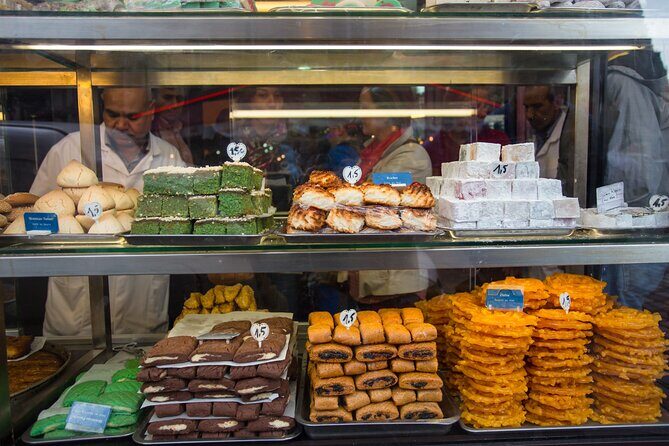 3 / 8
3 / 8 4 / 8
4 / 8 5 / 8
5 / 8 6 / 8
6 / 8 7 / 8
7 / 8 8 / 8
8 / 8At $89.49 per person, you’re looking at a genuinely fair price for what’s included. This isn’t a tour where you’re nickel-and-dimed for beverages or left hungry and wishing you’d just grabbed lunch on your own. The tour includes water, at least one alcoholic drink (included for guests 18 and older), and a full meal’s worth of tastings across multiple stops. That alcoholic drink is typically either pastis—the iconic anise-flavored apéritif that’s practically synonymous with Provence—or a local wine pairing, both of which add real value since you’d pay similar amounts ordering these items separately at any Marseille café.
The average traveler books this tour 67 days in advance, which tells us it’s popular enough to plan around but not so exclusive that you’ll struggle to find availability. The 11 a.m. start time works well for a leisurely late breakfast into early lunch, and you’ll finish by early afternoon—perfect timing for an afternoon stroll through neighborhoods you’ve just learned about.

👉 See our pick of the Marseille’s 15 Top Wine Tours
The Five-Stop Journey Through Marseille’s Food Culture
You can also read our reviews of more food & drink experiences in Marseille


Stop 1: Vieux Port and Your First Taste of Provençal Tradition
Your culinary adventure begins at Quai du Port, the historic heart of Marseille where fishing boats still unload their catch and travelers mingle with locals at waterfront cafés. This opening stop introduces you to roasted camembert à la Provençale, which sounds simpler than it actually is. The cheese arrives hot and melted, and you’ll dip crusty croutons into it—a dish that immediately tells you something important about Marseille cooking: it takes familiar ingredients and treats them with respect rather than fussiness.
Alternatively, if camembert doesn’t appeal, you might sample Provençal cheese paired with pastis. One traveler described this first stop as “terrific,” noting how it “showcased the traditions of Marseille.” This opening hour also gives your guide time to set the tone for the experience and begin weaving in stories about the city’s history. You’re not just eating; you’re getting oriented to where you are and why this place matters.
Stop 2: Le Vieux Port’s Seafood Traditions
The second stop deepens your understanding of why seafood dominates Marseille’s food culture. As one of the Mediterranean’s most important ports, Marseille’s relationship with the sea runs deeper than tourism—it’s economic, cultural, and deeply personal. Here you’ll encounter panisses (chickpea fritters that are crispy outside and creamy within), fresh sardines, and other fish-based dishes that have sustained this city for centuries.
One reviewer who visited with a guide named Yasmine noted that this stop made them “feel welcomed and that we were his special guests.” That’s the difference between a good guide and a great one—they don’t just take you somewhere; they make the proprietors treat you like family. You’re spending roughly 45 minutes here, which gives you time to actually sit, eat without rushing, and ask questions about what you’re tasting. The sardines in particular seem to generate consistent praise, suggesting the tour operator has secured relationships with vendors who care about quality.
Stop 3: La Canebière and Marseille’s Sweet Side
After savory foods, the tour pivots to one of France’s most famous streets. La Canebière’s name comes from “canabe,” the Provençal word for hemp that once grew in this area. Today it’s known as a shopping and cultural hub, but for food lovers, it represents Marseille’s confectionery heritage. You’ll visit an artisanal shop to discover how nougats and calissons—almond-paste candies that are almost a religion in Provence—are made.
This 45-minute stop is less about eating large quantities and more about understanding craftsmanship. Watching artisans repeat “the same precise movements to create these exceptional sweets” connects you to traditions that have survived generations. One traveler mentioned being impressed by stops that “reflected the town’s rich heritage,” and this is exactly that kind of moment.
Stop 4: Noailles, “The Belly of Marseille”
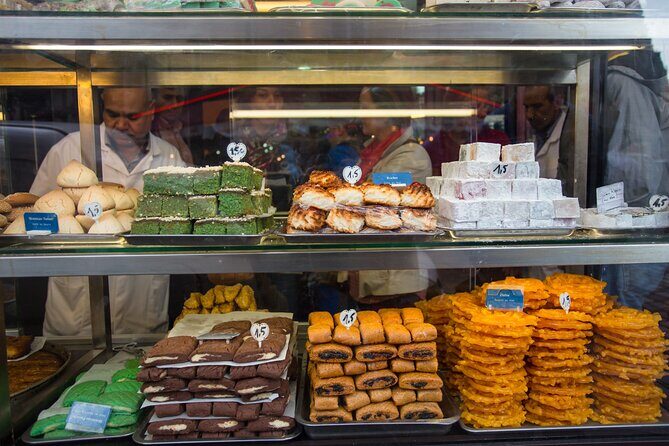
The fourth stop takes you to Noailles, the working-class market district locals call “le ventre de Marseille”—literally “the belly of Marseille.” This is where the city’s North African population has made its mark on local food culture, and it’s the most visually overwhelming and authentic part of the tour. Spice vendors, fresh produce stalls, and bakeries selling everything from Tunisian pastries to French baguettes create sensory overload in the best possible way.
You’ll taste pastries here, likely including loukoums (Turkish delight) and makrout (date-filled semolina cookies). A reviewer who visited with guide Yasmine noted these were “crunchy and melting pastries to enjoy without admission of guilt.” This stop is your chance to experience Marseille as a genuine multicultural city rather than a tourist destination. You’re spending a full hour here, which gives you time to wander, ask questions, and understand how immigration has shaped modern Marseille’s food identity.
You can also read our reviews of more tours and experiences in Marseille

Stop 5: Final Desserts and Reflection
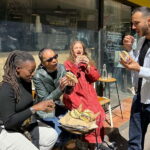
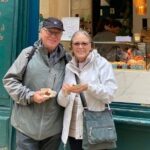
The tour concludes with additional confectionery stops, though the exact final location may shift based on vendor availability and crowds. One traveler mentioned navettes (boat-shaped biscuits) from a candy shop and baklava from an Arab bakery, concluding that they’d “had the best baklava ever.” The flexibility about exact locations is actually a strength—your guide can adjust based on what’s busy, what’s fresh, and what will provide the best experience on any given day.
The Walking and Physical Considerations
This is a walking tour through a working city, not a guided stroll through manicured gardens. You’ll cover multiple neighborhoods across 3.5 hours, with some reviewers mentioning “a bit of walking” and stairs between stops. One traveler noted that their guide “walked around like a local, stopping to sit and eat along the way,” which captures the rhythm of the experience perfectly. You’re not power-walking; you’re moving at the pace of someone who knows where they’re going and wants to show you things along the way.
The tour requires “moderate physical fitness,” which means you should be comfortable walking for 10-15 minutes at a time with breaks for eating and sitting. If stairs are a significant challenge for you, mention this when booking—guides have shown flexibility in adjusting routes when needed. The neighborhoods you’ll visit are near public transportation, so getting back to your hotel afterward is straightforward.
The Guide Makes or Breaks Everything
The reviews make one thing abundantly clear: your guide is the single most important factor in whether this tour becomes a highlight of your trip or just a decent meal. The best reviews consistently mention guide names—Inga, Laura, Yasmine, Ben, Simon—and describe them as “warm, friendly,” “knowledgeable,” “passionate,” and “informative.” One traveler said their guide Laura was “so very informative, friendly and knowledgeable about the culinary world of Marseille.”
The company operates with small groups (maximum 12 travelers), which means your guide can actually pay attention to you rather than herding a crowd. Several travelers mentioned that smaller groups—sometimes just two or three people—created more personal experiences. One reviewer noted: “Because one person unexpectedly didn’t show up, the tour was small and it was just us. But it made the experience more personal and less crowded.”
That said, not every guide hits the mark for every traveler. One review mentioned a guide who wasn’t “a foodie” and “only liked three cheeses,” which raises a fair question: can you lead a food tour effectively if you’re not genuinely passionate about food? The company has responded to mixed reviews by acknowledging that guide personalities vary and that they aim to “strike the right balance” between being engaging and respectful of different preferences. If you book and feel concerned about this, you could reach out beforehand to ask about your guide’s background.
What the Food Actually Tastes Like (According to People Who’ve Done It)
Rather than guess, let’s look at what actual travelers reported eating and how they described it. The camembert and pastis pairing generated consistent enthusiasm. One reviewer wrote: “We started with Camembert and speck. A delicious glass of rosé was the perfect accompaniment.” The panisses and sardines at the second stop were “absolutely delicious” according to one account, though another traveler found them “just average.” This suggests quality and freshness can vary, possibly depending on timing and seasonal availability.
The desserts generated the most consistent praise. Multiple reviewers specifically mentioned being impressed by the confectionery stops and the quality of pastries. One traveler who visited an Arab bakery for the final stop said it was “the best baklava ever”—high praise for what might sound like a simple pastry. Another noted that desserts “reflected the town’s rich heritage and were delicious.”
One reviewer who had visited multiple food tours noted that this experience was “near perfect” and specifically praised “the food choices were awesome and really highlighted the local cuisine of Marseille.” That’s the kind of assessment that matters—someone with comparison points finding this tour delivers on its promise.
The Honest Trade-offs
A few reviewers felt the tour was slightly underwhelming, and their feedback is worth considering. One family of food lovers found the experience “good, but not great,” noting that “the first two stops were terrific” while “the last three stops were simpler.” They suggested “another stop or two would have made the experience better.” This suggests the tour front-loads stronger experiences and slightly diminishes toward the end—something to keep in mind if you’re comparing this to other food tour options.
Another traveler felt the portion sizes, while substantial as a “full meal,” didn’t quite add up to what they’d hoped: “Food was not that great and definitely not a ‘full meal.'” The company responded by listing the five stops and noting that guests did receive “a full meal and even more,” but this back-and-forth reveals that expectations about portion size vary. If you’re someone who expects restaurant-sized servings, you might be disappointed. If you’re looking for authentic tastings that let you sample multiple dishes, you’ll likely be satisfied.
One reviewer mentioned confusion about the final stop featuring Middle Eastern pastries, feeling it was “the weirdest ending to a food tour.” The company’s response—that Marseille’s food culture is genuinely influenced by North African flavors—makes sense, but it suggests the tour’s multicultural approach might surprise travelers expecting purely French experiences. This is actually a strength if you value authentic Marseille culture over a sanitized version of “French food.”
Practical Details That Matter
Booking and Cancellation: You can cancel free up to 24 hours before the tour, which provides real flexibility. The tour requires good weather, and if it’s canceled due to poor conditions, you’ll get a different date or full refund. There’s a minimum group size requirement, so occasionally tours don’t run—again, you’d get rescheduled or refunded.
Dietary Needs: The tour accommodates vegetarian options, and they ask you to contact them about food restrictions before booking. This is important if you have allergies or dietary preferences. However, the company notes that guests with severe or life-threatening food allergies shouldn’t participate due to safety concerns in shared food environments—a reasonable policy.
Alcohol: If you’re under 18, you’ll receive non-alcoholic alternatives for the included drink. The included alcoholic beverage is a genuine perk that adds value, especially in a city where pastis costs €3-5 at a café.
What to Wear: Comfortable walking shoes are essential. The tour isn’t strenuous, but you’ll be on your feet for the full 3.5 hours with breaks for sitting and eating. Dress for the season—Marseille in summer can be hot, and the tour involves both shaded indoor spaces and sunny street walking.
How This Compares to Other Ways to Experience Marseille Food
You could certainly wander Marseille on your own, find restaurants on TripAdvisor, and eat well. You’d save money and have complete freedom. But you’d also miss the context that transforms eating into understanding. A guide who knows Marseille can tell you why panisses matter historically, how North African immigration shaped what you’re tasting, and where to find the best versions of local specialties. One traveler put it well: “This tour was good if you want a little history and guidance around the city that includes food.”
The alternative would be a traditional sit-down restaurant meal, which might cost similar money ($80-120 for lunch with wine) but wouldn’t include the walking tour aspect or the variety of neighborhoods you’d experience. This tour essentially gives you a guided walking tour plus a full meal, which is genuine value.
The 94% Recommendation Rate Tells You Something
With 530 reviews and a 4.8-star average (94% of travelers recommend it), this tour has moved beyond “good for what it costs” into “genuinely solid experience” territory. The distribution of reviews matters here: 478 five-star reviews, 22 four-star reviews, 17 three-star reviews, 7 two-star reviews, and 6 one-star reviews. That’s roughly 90% of reviewers giving it four or five stars.
The three-star reviews typically mention “it was okay but not amazing” rather than fundamental problems. The one and two-star reviews are rare enough that they seem to represent either particularly bad luck with guide assignment or travelers whose expectations didn’t align with what the tour actually offers.
Who Should Book This Tour
Book this if: You genuinely care about eating what locals eat, you have 3.5 hours available during your Marseille visit, you appreciate having context and history alongside your food, and you’re comfortable with a moderately paced walking tour. You should also book if you want to support local businesses and guides who depend on tourism revenue—this tour puts money directly into neighborhood restaurants and shops rather than corporate chains.
Skip this if: You’re looking for a fine-dining experience, you have severe mobility limitations that make walking difficult, you’re extremely picky about food and worried about unfamiliar dishes, or you’re visiting Marseille only briefly and need every hour for sightseeing. Also skip if you’re fundamentally uncomfortable with guided group experiences.
Consider carefully if: You’re unsure whether you’ll enjoy your guide’s personality. Since guides are so central to the experience, you might email the company beforehand to ask about your guide’s background and approach. Also consider carefully if you’re traveling with young children—while the tour accommodates families, the focus on adult beverages and leisurely eating might not suit very young kids.
Marseille Food Tour – Full Meal of Local Tastes by Do Eat Better
FAQ: Questions Travelers Actually Ask
Q: Is this really a “full meal,” or will I be hungry afterward?
A: You’ll have five stops with tastings at each, which adds up to a substantial meal. Most reviewers felt satisfied, though one traveler felt portions were modest. Think of it as a European-style meal with multiple small courses rather than a single large plate. You won’t leave hungry, but you might not feel as full as after a traditional restaurant lunch.
Q: What if I don’t drink alcohol?
A: Non-alcoholic alternatives are available for the included drink. The company specifically mentions this accommodation, so you’ll still get a beverage pairing without feeling excluded.
Q: Can I do this tour if I have vegetarian dietary restrictions?
A: Yes, vegetarian options are available. You should mention this when booking so the guide and vendors are prepared. However, several stops feature seafood prominently, so the vegetarian experience may differ from the standard tour.
Q: How much walking is involved?
A: You’ll walk between neighborhoods and stops, with some stairs involved. One reviewer mentioned “a few sets of stairs,” and another described it as “a bit of walking but not strenuous.” If stairs are a concern, mention this at booking—guides have shown flexibility in adjusting routes.
Q: What if the weather is bad?
A: The tour requires good weather. If it’s canceled due to poor conditions, you’ll be offered a different date or full refund. Marseille has generally sunny weather, so this is rarely an issue.
Q: Can I cancel if my plans change?
A: Yes, you can cancel free up to 24 hours before the tour. After that, you lose your payment. This is a standard and fair cancellation policy.
Q: Will the tour be crowded?
A: Maximum group size is 12 travelers, which keeps it intimate. Several reviewers mentioned small groups (sometimes just 2-3 people) created more personal experiences. You won’t have the feeling of being herded through stops.
Q: What’s the best time of year to do this tour?
A: The itinerary notes that tastings may change based on season and availability. Summer would be warm and busy; shoulder seasons (spring and fall) might offer better weather and smaller crowds. The tour operates year-round, so choose based on your overall Marseille visit timing.
Q: Should I eat breakfast before the tour?
A: The 11 a.m. start time suggests eating a light breakfast beforehand. You’ll be eating continuously from mid-morning through early afternoon, so you don’t want to arrive ravenous, but you also don’t want to be overly full.
Q: What if I’m allergic to seafood or have other food allergies?
A: Contact the company before booking to discuss your allergies. However, the company notes that guests with severe or life-threatening allergies shouldn’t participate due to safety concerns in shared food environments. If your allergy is moderate, they may be able to accommodate you.
This tour delivers exactly what food-loving travelers actually want: authentic local food in a working neighborhood, guided by someone who knows the area, at a price that feels fair rather than inflated. With a 94% recommendation rate and mostly enthusiastic reviews praising guides and genuinely delicious food, it’s one of the better food tours operating in major European cities. The main variable is your guide—book this if you’re willing to invest in an experience where personality and local knowledge matter as much as the food itself. Skip the tourist traps and the self-guided wandering; spend three and a half hours with someone who actually knows Marseille, eat what locals eat, and leave understanding why this particular city matters in Mediterranean food culture.