
I like this Meteora half-day tour because it saves you planning stress and still gives you the Meteora essentials: rock-top monasteries, smart photo viewpoints, and a real guide story behind the stones. It runs about 4 hours with pickup from Kalambaka or Kastraki, and the group stays small (max 18), which helps you move smoothly.
What I especially like is the combination of an English-speaking local guide plus free smart audio guide options in multiple languages. I also love that you’re not rushed: you get enough time at each monastery to breathe, look closely, and not feel like you’re just being transported from stop to stop.
The main thing to consider is physical effort and access. Meteora monasteries involve stairs and strict dress code rules, and at least one of the monastery areas on the route is reached via a steep climb (about 140 steps for Agia Triada).
- Key Highlights You’ll Care About
- Meteora in a Half Day: The Best “Efficient” Plan
- Pickup, Timing, and How the Day Flows
- Price and Entrance Fees: The Real Value Math
- The Guide Factor: English, Local Knowledge, and Better Looking
- Dress Code and Shoes: The Rule That Can Delay You
- Stop: Holy Monastery of Saint Nicholas of Anapafsas
- Roussanou Monastery: WWII Damage and a Convent Life
- Varlaam Monastery: The Second-Biggest Landmark
- Great Meteoron Monastery: The Classic Meteoro “Suspended in Air”
- Agia Triada and Agios Stephanos: Views Depending on Steps vs Access
- Holy Trinity Monastery (Agia Triada)
- Saint Stephen’s Nunnery / Agios Stephanos area (Accessible option)
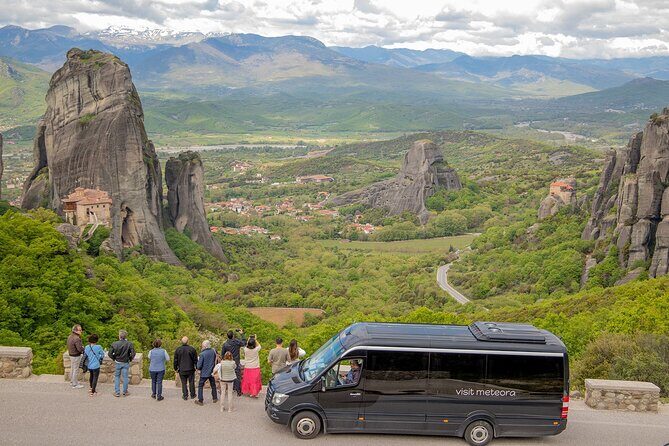
- Photo Stops That Actually Make Sense
- What the Audio Guide Adds (Even If You’re Staying in English)
- What’s Included vs Not Included (So You Don’t Get Surprise Costs)
- Crowds, Timing, and Why a Morning Tour Helps
- Mobility, Stairs, and Who Should Book This
- What to Bring for a Smooth Day
- Cancellation Policy: Easy Flex
- Should You Book This Meteora Half-Day Tour?
- FAQ
- What time does the tour start?
- Where does pickup happen?
- How long is the tour?
- Which language is the guided portion in?
- How many monasteries do you visit inside?
- Are entrance fees included in the price?
- What should I wear for the monasteries?
Key Highlights You’ll Care About
- Small-group size (up to 18) keeps the pace human and the viewpoints calmer
- English local guide leads the tour, with a free multi-language audio guide as backup
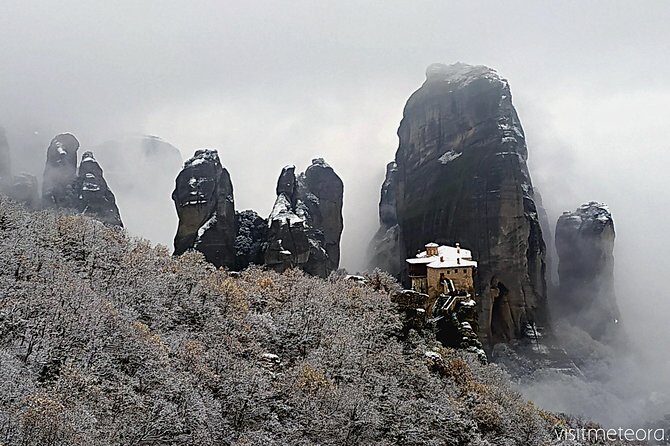
- Inside visits to 3 monasteries, plus additional monasteries seen from outside for the full “forest of rocks” effect
- Entrance fees are extra (cash helps), so plan the budget before you go
- Photo stops are built in, and guides often help with shots, including for solo travelers
Meteora in a Half Day: The Best “Efficient” Plan
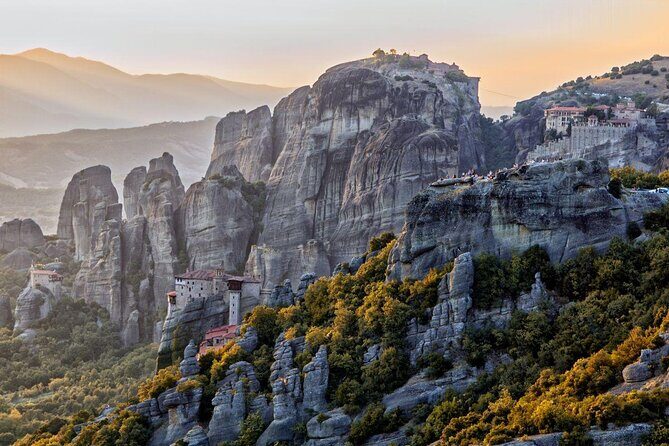
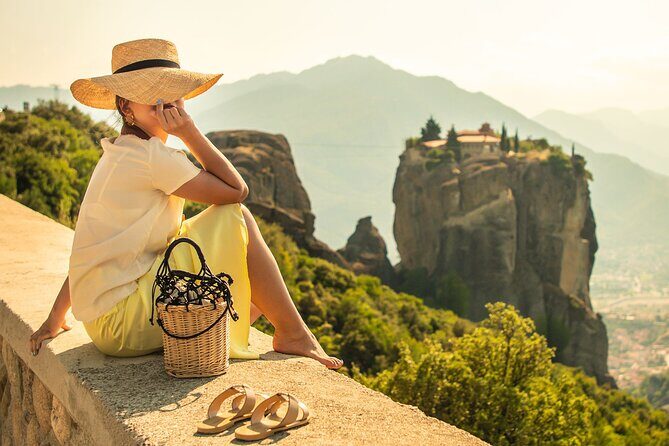
Meteora is one of those places where the landscape does half the work for you. The other half is understanding what you’re looking at. This tour is built for both, which is why it works well if you only have a morning (or half a day) in the area.
You’ll start in the village area (Kalambaka or Kastraki) and get driven between viewpoints and monasteries. The guiding is what turns the cliffs from scenery into story: where the monasteries fit in the Byzantine Orthodox world, why the sites were chosen, and what to notice inside when you have access.
The big practical advantage: you don’t have to coordinate parking, buses, or which route makes sense. And because it’s a small-group tour, you’re not fighting for time at the views.
Pickup, Timing, and How the Day Flows
Start time is 9:00 am. Pickup is offered from hotels and Airbnbs located in Kalambaka and Kastraki, and the tour includes round-trip transport back to your drop-off point.
In plain terms, the schedule is tight enough to feel “worth it” but not so tight that you’re constantly sprinting. You’ll spend time walking up to monasteries, then sit back in the vehicle for the transfers and narration.
A detail that shows up in lots of guest comments: punctual pickup and a professional driver. That matters here because Meteora roads are steep, winding, and not the place where you want to be stuck waiting.
Price and Entrance Fees: The Real Value Math
The tour price is $36.30 per person, and that covers the guided experience, transport, and visits inside 3 monasteries. Bottled water is included, and there’s free WiFi on board.
Here’s the budget catch: monastery entrance fees are not included. Cash is recommended because some monasteries don’t accept credit cards. The listed entrance fees are:
- Great Meteoron Monastery: €5.00 per person
- Roussanou Monastery: €5.00 per booking
- Varlaam Monastery: €5.00 per booking
So if you’re visiting all the paid interiors on the route, you should expect additional spending on site. Still, even with those fees, this can be good value if you want a guided half-day with transport and a small group.
The Guide Factor: English, Local Knowledge, and Better Looking
This tour leans hard on the guide, and that’s where it earns its high ratings. You’ll get an English-speaking local guide who explains what you’re seeing on the rocks and in the monasteries.
Guests have mentioned several guides by name, including Jim, Apostolis, Lidia, and Vasilis. The common thread: people felt the guide was knowledgeable, organized, and willing to answer questions. If you like asking why a monastery is built where it is, or how the art and manuscripts fit into Orthodox monastic life, you’ll likely enjoy this format.
Also, the vehicle narration and the walking-time commentary help you get oriented fast. That means when you reach a viewpoint, you’re not just snapping photos—you know what you’re looking at.
Dress Code and Shoes: The Rule That Can Delay You
Meteora has a strict dress code:
- Men: trousers and long sleeves
- Women: a long skirt
If you show up in shorts or other non-compliant clothing, trousers and skirts are provided. That’s helpful, but it’s still better to plan ahead so you don’t lose time at the start.
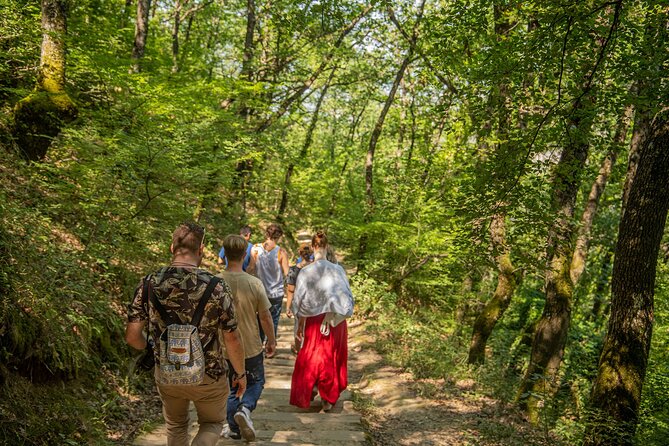
Comfortable shoes are a must. Even when the walking feels manageable, you’re dealing with uneven paths and stone steps.
Stop: Holy Monastery of Saint Nicholas of Anapafsas
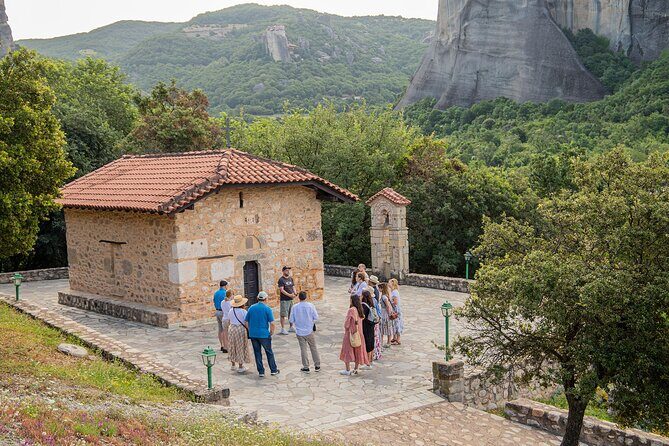
Your first major stop on the route is the Holy Monastery of Saint Nicholas of Anapafsas, founded at the end of the 14th century.
What makes this stop more than just a photo moment is the meaning behind the name. Anapafsas has a few interpretations, including one tied to a benefactor naming, and another linked to the monastery being the first place reached on the way up—potentially a resting stop for pilgrims and visitors before continuing.
This early stop helps you understand the way Meteora monasteries weren’t isolated islands. They were part of a real network of movement up and down the rock pathways.
Roussanou Monastery: WWII Damage and a Convent Life
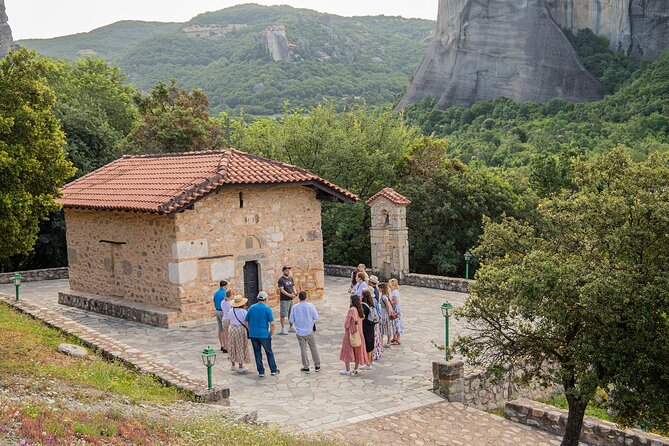
Next is Roussanou Monastery. It’s one of the better choices if you like a mix of history and access. It’s described as having a lower elevation compared to other rock monasteries, which can make the climb feel more straightforward.
Inside access is part of the tour, and you’ll typically have around 45 minutes there. The monastery is named after the first probable hermit who settled on the rock. The main cathedral was founded in the late 1500s and decorated about 30 years later.
A major historical note tied to this monastery: it suffered severe damage during World War II and later became a convent in 1988. That timeline helps you see Meteora as a living place shaped by changing eras, not just a museum of old stones.
Varlaam Monastery: The Second-Biggest Landmark
Then you move to Varlaam Monastery, which is described as the second biggest monastery at Meteora, and located opposite the Great Meteoro Monastery.
You’ll have about 45 minutes here with interior access included. The monastery dates to the mid-14th century and is associated with Hosios Varlaam.
The Catholicon (main church) was built in 1541–42, with decoration mentioned in 1548. One standout detail is that the wall paintings are attributed to a hagiographer/historian figure connected to Thebes: Frago Catelano is mentioned in the tour information. Even if you’re not hunting for names, having a guide explain what’s on the walls makes the visit feel sharper.
Great Meteoron Monastery: The Classic Meteoro “Suspended in Air”
Your biggest and oldest stop is Great Meteoron Monastery. It’s known as the monastery that was “meteoro” (suspended in the air), tied to the huge rock formation it sits on.
This is the centerpiece for many first-time visitors. You’ll have about 1 hour at this stop, and interior access is included, but there is an extra entrance fee of €5.00 per person.
The tour information links the founding to Saint Athanasios the Meteorite, described as the first founder and organizer of systematic monastic life in Holy Meteora. If you want the clean “why Meteora matters” explanation, this is usually where it clicks.
Agia Triada and Agios Stephanos: Views Depending on Steps vs Access
Meteora also includes monastery areas that are harder to reach. This tour includes stops for viewing and context, and you’ll hear what makes each location challenging in a different way.
Holy Trinity Monastery (Agia Triada)
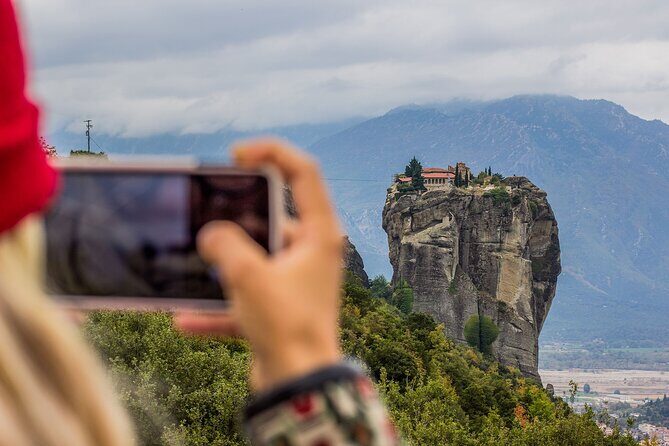
Agia Triada is described as the most difficult to reach. Once at the top, the panoramic views are said to be captivating. The route includes a pathway and then about 140 steps upward. If you’re expecting zero stairs, plan to manage your pace here.
Saint Stephen’s Nunnery / Agios Stephanos area (Accessible option)
You’ll also see the most accessible monastery approach on the route, where instead of steps you cross a small bridge to reach the entrance area. This is described as ideal if you can’t use stairs and still want a real Meteora monastery experience.
The tour information doesn’t claim “no steps at all,” but it does clearly give you options depending on mobility. In practice, guests have said the company understood mobility needs and adjusted the experience, which is a good sign if you’re traveling with limited walking ability.
Photo Stops That Actually Make Sense
This tour includes photo stops on the way between monasteries. That matters because Meteora is all about scale: the cliffs, the rock towers, and how each monastery sits like it’s glued to the horizon.
You’ll also get help with the practical stuff. Multiple guests have mentioned that the driver or guide assisted with photos, including for solo travelers. That’s a small thing, but it can save you from awkward self-timer attempts on steep overlooks.
What the Audio Guide Adds (Even If You’re Staying in English)
The tour is guided in English only, but you also get access to a free smart audio guide in several languages. That’s useful if:
- you want a second layer of explanation for specific details, or
- someone in your group understands a different language better.
So if English is good but you enjoy cross-checking, this setup is a nice extra.
What’s Included vs Not Included (So You Don’t Get Surprise Costs)
Included:
- Hotel pickup and drop-off from Kalambaka or Kastraki
- Bottled water
- Free WiFi on board
- Visit inside 3 monasteries and see other monasteries from outside
- Free smart audio guide (multiple languages)
- Guided in English only with an English local guide
Not included:
- Food and drinks
- The monastery entrance fees (Great Meteoron, Roussanou, Varlaam)
- State-licensed guides inside monasteries (if you encounter that format onsite, it’s separate)
So plan a snack strategy. A half-day can go fast, especially if you end up taking extra time at viewpoints.
Crowds, Timing, and Why a Morning Tour Helps
A common travel truth: Meteora gets busy. A morning start helps you enjoy the monasteries with fewer people around. Even if you still see visitors, you’ll likely have better photo conditions and smoother walking earlier in the day.
If you’re photo-focused, you’ll appreciate the built-in viewpoints and the time at each monastery. And because this tour is small-group sized, you’re less likely to feel swallowed by the crowd.
Mobility, Stairs, and Who Should Book This
This tour can work for many travelers, and it’s described as suitable for most people. But let’s be real about Meteora: stairs and elevation are part of the deal.
If you’re comfortable walking on uneven stone paths and climbing steps, this is a great first Meteora day plan. If steps are a serious problem, you’ll want to pay attention to the monastery areas involved (Agia Triada’s route is described as including about 140 steps) and mention any mobility concerns when you book.
What to Bring for a Smooth Day
Bring:
- Comfortable shoes
- Clothes that fit the monastery dress code (or expect to use provided items)
- Some cash for entrance fees
- A small water/snack plan since food isn’t included
Also, keep your phone charged. You’ll be taking lots of photos and using maps/audio as needed.
Cancellation Policy: Easy Flex
If plans change, there’s free cancellation. You can cancel up to 24 hours in advance for a full refund. Changes inside 24 hours don’t get accepted, so if your travel day is uncertain, set a reminder and check timing based on local experience time.
Should You Book This Meteora Half-Day Tour?
Book it if you want:
- a guided introduction that helps you understand what Meteora is, not just see it
- round-trip transport from Kalambaka or Kastraki
- enough time to visit 3 monasteries inside
- the convenience of built-in photo stops and a small group (max 18)
Consider another option if:
- you need a completely step-free experience (Meteora has stairs in parts of the route)
- you’re hoping food is included (it isn’t)
- you want a deeper, longer monastery interior program with more time at a single site
For most visitors with limited time, this is a solid way to get the Meteora highlights, learn what you’re seeing, and come away with better photos and better context than a self-guided drive.
Meteora Monasteries Half-Day Small Group Tour with Transport
FAQ
What time does the tour start?
The tour starts at 9:00 am.
Where does pickup happen?
Pickup is available from hotels and Airbnbs in Kalambaka and Kastraki.
How long is the tour?
The tour runs about 4 hours.
Which language is the guided portion in?
The tour guide speaks English only, and there’s also a free smart audio guide in multiple additional languages.
How many monasteries do you visit inside?
You visit inside 3 monasteries. You’ll also see other monasteries from outside.
Are entrance fees included in the price?
No. Entrance fees are not included, and cash is recommended because some monasteries may not accept credit cards. Great Meteoron is €5.00, and Roussanou and Varlaam are also €5.00 per booking/person as listed.
What should I wear for the monasteries?
There’s a strict dress code: men need long sleeves and trousers, and women need a long skirt. If you arrive in shorts or non-compliant clothing, trousers and skirts are provided.