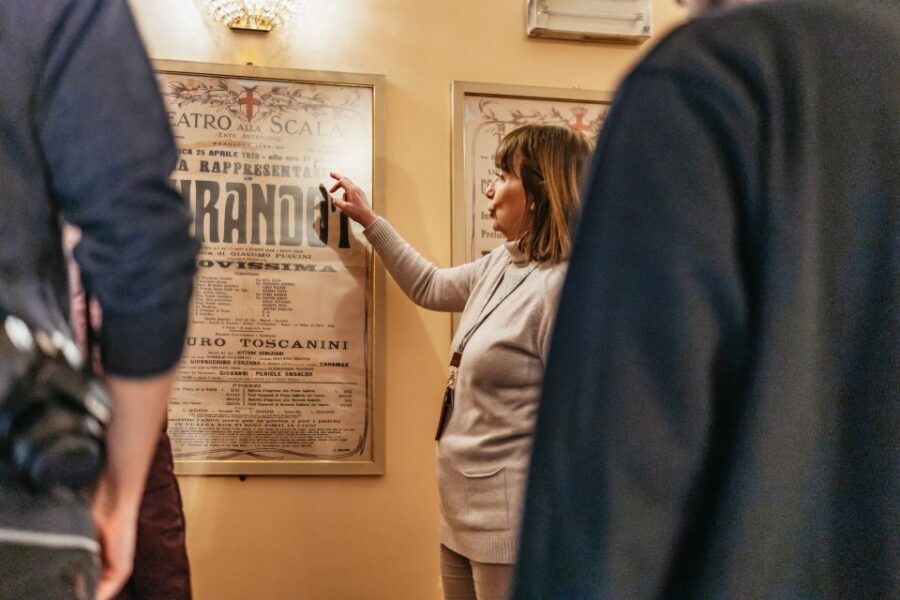
Milan’s Museo Teatrale Alla Scala guided tour is a smart way to experience La Scala without chasing expensive opera tickets. You’ll start in the La Scala Theatre Museum area near the Duomo, then move into the theater to see how the building works and why it matters. The tour runs about 1.5 hours, uses headsets, and comes with entry to both the museum and the theater.
I especially love the human side of this visit. Guides like Fabio and Simone are repeatedly praised for making opera history feel personal and clear, not like a textbook. I also like that you’re shown real performance artifacts, from instruments to costumes and set designs, so you leave with specific images in your head.
One thing to keep in mind: on some days, access may be limited. Because of rehearsals and private events, your visit might focus on the museum only. It’s still worth it, but it’s good to plan with flexibility.
- Key Things You’ll Notice Right Away
- Why La Scala Museum Belongs in Your Milan Plan
- Price and Value: What Really Buys
- Where to Meet: Easy Find by the Theater Museum Entrance
- The 1.5-Hour Format: How the Timing Feels
- Headsets Included: Small Detail, Big Comfort
- Meeting the Guide: What “Good” Looks Like Here
- Outside First: Setting the Stage Around La Scala
- Entering the Theater: Boxes, Intimacy, and Stage Logic
- Seeing or Hearing Rehearsal Moments: The Best Bonus
- The La Scala Museum: Instruments, Costumes, and Set Designs
- The People Behind the Myth: Verdi, Rossini, Callas, Pavarotti
- Small-Group Upside: When It Feels Like a Private Visit
- Accessibility and Strollers: Generally Traveler-Friendly
- What Not to Bring: Luggage Rules That Affect Comfort
- Accessibility Notes for Real Life
- Languages: Choose Comfort, Not Guesswork
- Cancellation and Booking: Keep Your Plans Flexible
- A Word on Wine and Drinks (Because You’ll Wonder)
- Who This Tour Suits Best
- Should You Book This La Scala Guided Tour?
- FAQ
- Where do I meet for the La Scala Theatre and Museum guided tour?
- How long is the tour?
- Is the tour wheelchair accessible?
- What’s included in the price?
- What languages are available for the guide?
- Are large bags allowed during the tour?
- More Guided Tours in Milan
- More Tours in Milan
- More Tour Reviews in Milan
Key Things You’ll Notice Right Away
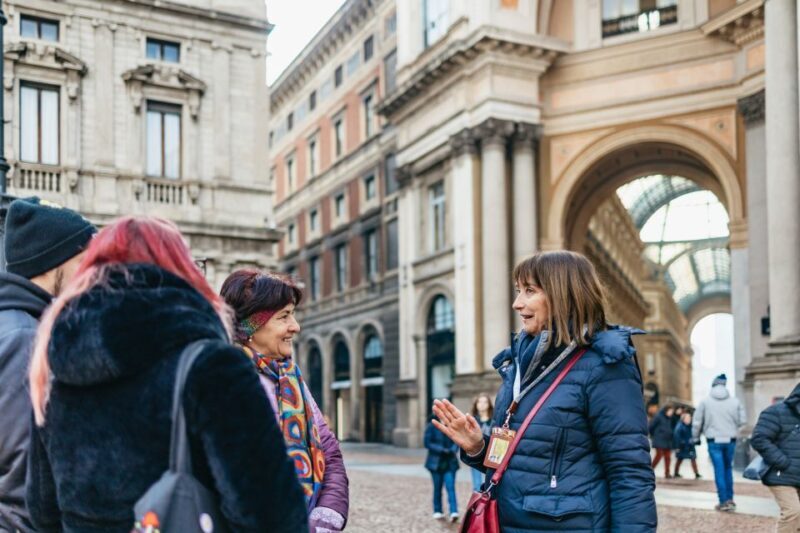
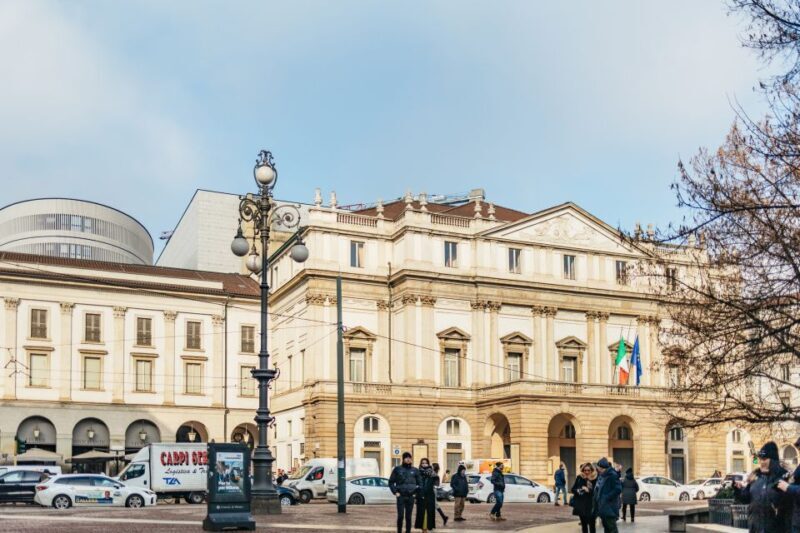
- Expert guides: many visitors highlight guides such as Fabio, Simone, Alice, Giorgio, and Chiara for staying engaging and answering questions well
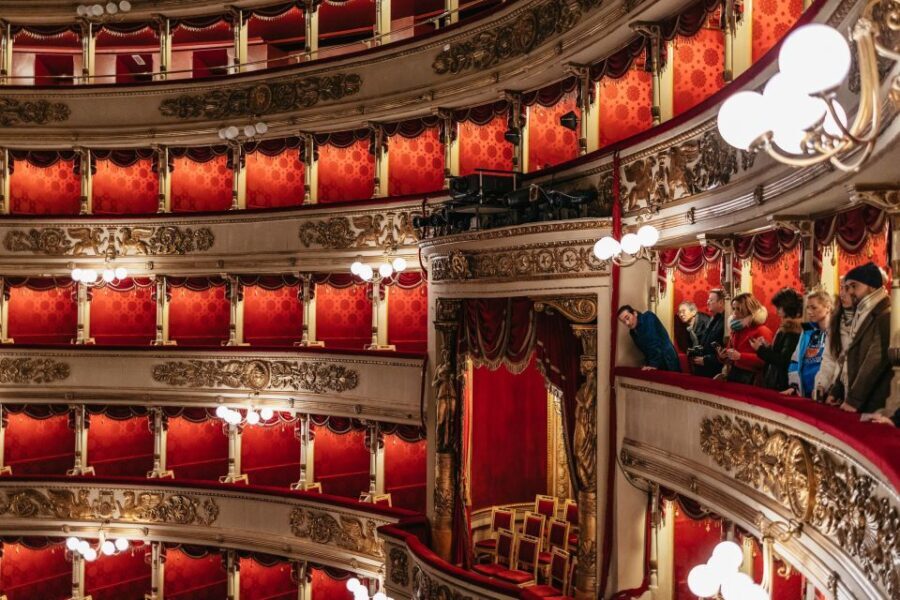
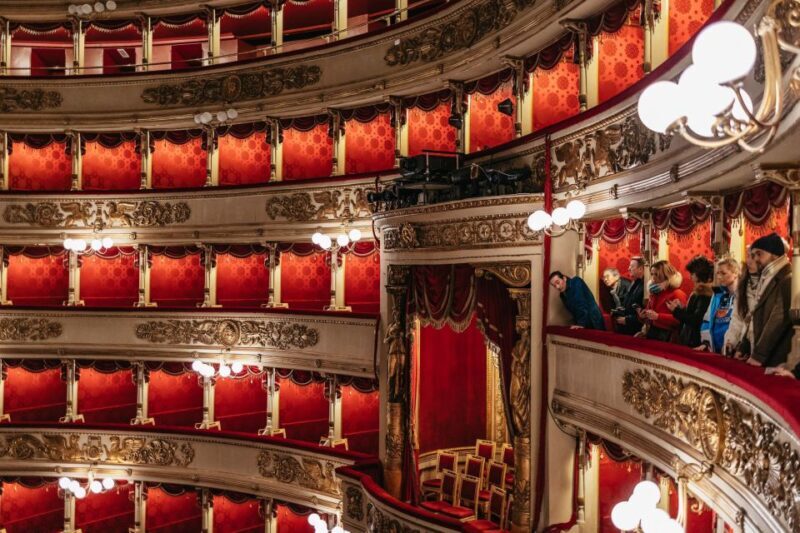
- The theater from the inside: boxes and stage areas help you understand how La Scala feels intimate, even though it’s famous
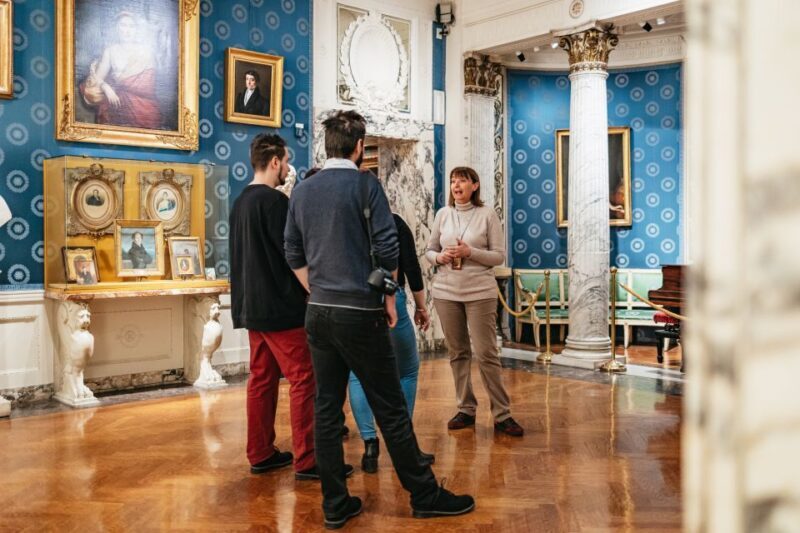
- Museum materials that make sense: musical instruments, costumes, and set designs connect names you know (Verdi, Rossini, Callas) to objects you can actually see
- Rehearsal moments (sometimes): a few visitors reported brief rehearsal access, including hearing or watching activity during the visit
- Small-group energy: several people mention tours feeling private or more personal when group size is small
- Practical inclusions: entry tickets and headsets are included, so you can focus on the story instead of straining to hear
Why La Scala Museum Belongs in Your Milan Plan
If you only do the big sights in Milan, you’ll miss a key ingredient: music as lived culture. La Scala isn’t just a building with a postcard reputation. It’s a machine for performance—architecture, acoustics, and tradition all working together.
This tour is a helpful match for travelers who want context fast. In about 90 minutes, you get the why behind the famous names, plus physical proof in the museum galleries. It’s also a good fallback plan if you don’t have an opera seat.
You can also read our reviews of more guided tours in Milan

Price and Value: What $44 Really Buys
At $44 per person for a 1.5-hour guided experience, the value comes from a simple mix: entry tickets + guided interpretation + headsets. You’re not just walking through rooms. You’re getting someone to explain what you’re seeing and why it connects to La Scala’s legacy.
A lot of people book La Scala tours because they’d love to attend a performance, but opera tickets can be pricey. This option won’t replace the drama of opening night. Still, it often feels like a strong alternative: you learn the building’s language, then you back it up with museum objects.
Where to Meet: Easy Find by the Theater Museum Entrance
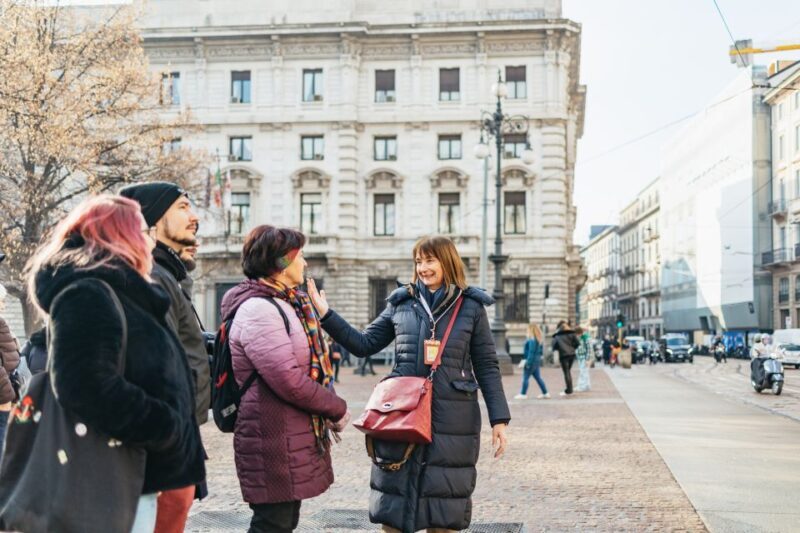
Meeting point is right in the center of it all: outside the entrance of the La Scala Theatre Museum. You’ll look for the guide holding a purple flag or board with the name Hidden Experiences.
This location is convenient because you’re in a dense sightseeing zone. You can pair the tour with nearby stops like the Duomo area and the Galleria Vittorio Emanuele II without spending time crossing the city.
The 1.5-Hour Format: How the Timing Feels
The tour is designed to be tight but not rushed. Plan on about an hour and a half, with time to move through both the theater areas and the museum.
You’ll usually start with orientation and context, then shift into the key spaces you came for:
- the theater interior and signature features
- the museum galleries with instruments, costumes, and set design elements
It’s a good length for visitors who want a meaningful experience but don’t want a whole afternoon commitment.
More Great Tours NearbyHeadsets Included: Small Detail, Big Comfort
Included headsets are one of those travel details that make a real difference. La Scala spaces can have lots of sound and lots of people movement. Having a clean feed from the guide helps you keep up without having to hover close to the group.
It also makes asking questions easier, especially if the group grows beyond a few people.
You can also read our reviews of more museum experiences in Milan

Meeting the Guide: What “Good” Looks Like Here
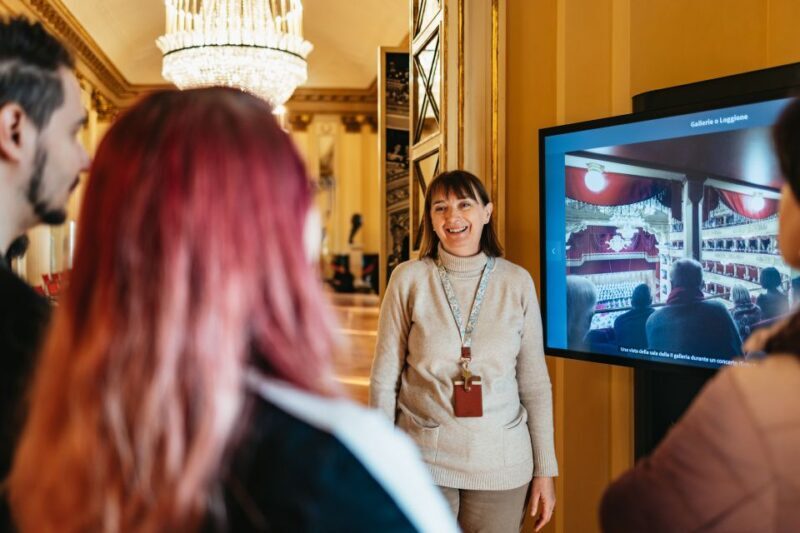
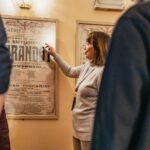
This tour stands or falls on guide quality. The pattern from traveler feedback is consistent: guides are knowledgeable, clear, and genuinely enthusiastic.
People often mention guides such as:
- Fabio, praised for lots of interesting facts
- Simone, noted for deep theater and architecture understanding
- Alice, highlighted for museum storytelling and extra details you might miss on your own
- Giorgio, praised for keeping families engaged in a short time
Even when you’re not an opera super-fan, that kind of guiding helps you connect what you see (boxes, stage layout, artifacts) to the bigger story.
Outside First: Setting the Stage Around La Scala
Before you go in, the tour often includes an exterior walkaround or quick orientation near the neighborhood and square. That matters more than it sounds. La Scala’s position in central Milan isn’t random—it’s part of how the city treats culture.
This outside portion is usually where your guide frames the early years of the theater and sets expectations for what you’ll see inside. It’s also where you get your bearings fast, so the interior doesn’t feel like random rooms.
Entering the Theater: Boxes, Intimacy, and Stage Logic
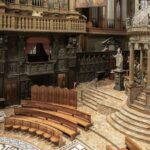
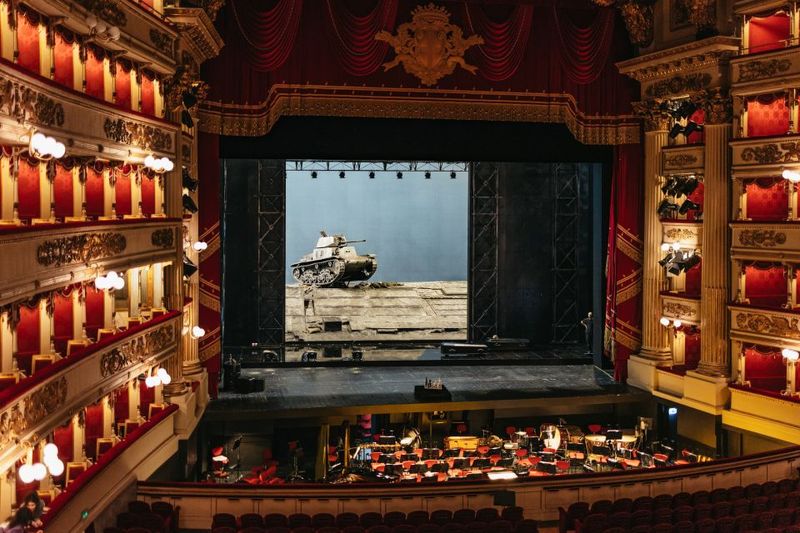
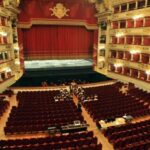
Once inside, the experience centers on the theater’s interior design. People repeatedly mention how La Scala can feel surprisingly intimate once you’re in the seating and box areas, not just staring at it from the street.
This is where you start understanding the building as performance infrastructure. Your guide helps you spot and interpret key elements, like:
- the structure and layout of seating and boxes
- the theater’s design choices that shape sound and sightlines
- the feeling of being close to where performers work
If you’ve ever wondered why some opera houses feel different in the chest, this is the kind of explanation that makes it click.
Seeing or Hearing Rehearsal Moments: The Best Bonus
Because the theater has rehearsals and private events, the experience can vary by day. But a few travelers reported bonus moments such as being able to see rehearsals briefly from boxes or catching a short glimpse of what’s happening onstage.
This is one reason to treat the tour as more than a museum visit. If access allows, you may get a real-time peek into how performers practice, not just how history looks on a wall.
The La Scala Museum: Instruments, Costumes, and Set Designs
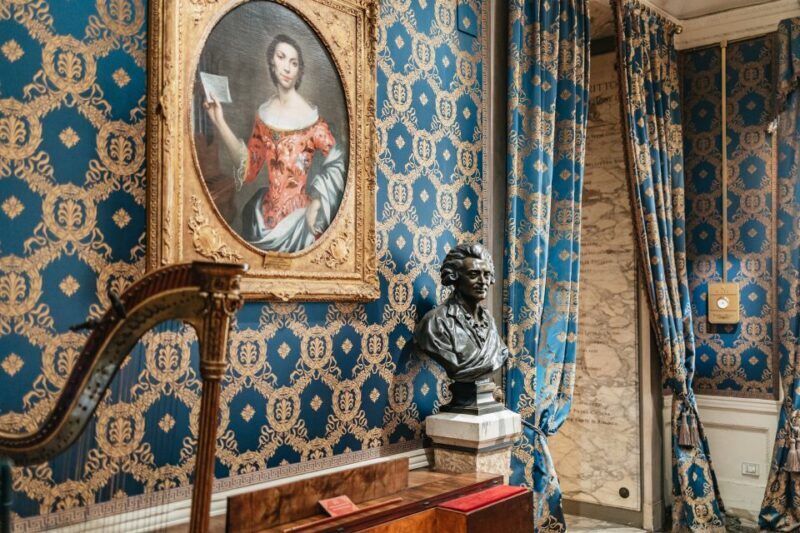
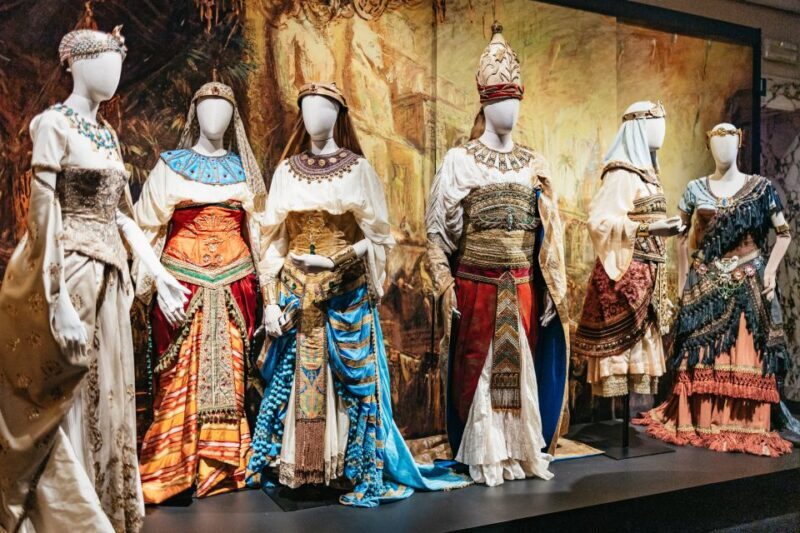
The museum is where you get the tangible stuff. It’s not just photos and plaques. You’ll see musical instruments, costumes, and set designs connected to notable performances.
What I find most practical here is the way these objects turn famous names into something concrete. When your guide connects an artifact to an era or performer, the museum stops being a passive stop and becomes a timeline you can walk through with your eyes.
Some visitors even point out specific items they loved, including a Liszt piano example mentioned by travelers. Details like that are exactly why the guided format matters.
The People Behind the Myth: Verdi, Rossini, Callas, Pavarotti
Your guide will bring up the big stars of La Scala’s stage history, including Giuseppe Verdi, Gioachino Rossini, Luciano Pavarotti, and Maria Callas.
Here’s the value for you: learning the names is the easy part. Understanding what those artists represented in the theater’s story is the part a guide can do quickly. You walk out with a sense of how the repertoire and the performers shaped La Scala’s identity over time.
Small-Group Upside: When It Feels Like a Private Visit
Many travelers mention small groups. Some even describe having a tour that felt close to private, with more space for questions and more personal pace.
When the group is small, you get two benefits:
- you hear more clearly, even before you factor in headsets
- you can ask follow-up questions about what you’re seeing
If you’re traveling with kids, this matters too. A few family groups mentioned that 90 minutes felt quick and engaging, helped by the guide tailoring explanations to the audience.
Accessibility and Strollers: Generally Traveler-Friendly
This tour is wheelchair accessible, and it’s also stated as stroller-friendly. So if you’re moving slowly or you need step-free logistics, this is a reassuring sign.
It’s also helpful that the visit is flexible in the sense that you’ll still get the museum element, even when theater access is reduced due to events.
What Not to Bring: Luggage Rules That Affect Comfort
Oversize luggage isn’t allowed. The tour info also notes that large bags and backpacks must be checked into the cloakroom.
Practical advice: travel light. Even if you’re okay with the cloakroom system, carrying less makes the experience smoother. You’ll be moving through indoor spaces, and you don’t want to fight zippers and straps while your guide is narrating the parts that matter.
Accessibility Notes for Real Life
Because you may be directed toward museum areas only on some days, it’s good to plan for a route that still works if your theater access is limited.
Also remember: since the theater may be used for rehearsals or private events, what you see can shift. This doesn’t mean the experience is bad. It means you’re seeing the theater in the way the theater actually lives—part museum, part working performance space.
Languages: Choose Comfort, Not Guesswork
The live tour guide is available in French, Italian, English, German, and Spanish.
If opera isn’t your first language, choosing your comfort language can make the difference between understanding the highlights and understanding the details. One traveler specifically mentioned enjoying the Spanish tour experience, and that’s a strong hint: pick the language you’ll enjoy most.
Cancellation and Booking: Keep Your Plans Flexible
You can cancel up to 24 hours in advance for a full refund. The booking also uses a reserve now & pay later option, so you can hold your spot without paying immediately.
That flexibility is especially useful for La Scala visits, since you might be affected by rehearsals and private events that can change theater access.
A Word on Wine and Drinks (Because You’ll Wonder)
Your tour inclusions listed are entry tickets + tour + headsets. A wine tasting or wine selection isn’t mentioned as included.
That said, one traveler shared that their guide recommended trying the classic Barbajada cappuccino tied to Domenico Barbaia. So if you want a local drink after your tour, ask your guide if they have a nearby suggestion—just don’t expect wine to be part of the official program.
Who This Tour Suits Best
This Museo Teatrale Alla Scala guided tour fits you if:
- you’re curious about opera and ballet history
- you want architecture and stage design explained in plain language
- you’d rather understand the theater first than just take photos
- you’re looking for a more affordable cultural experience than opera tickets
You might skip or swap this for another option if:
- you’re only interested in attending a live performance (a tour won’t replace that)
- you want a longer self-paced museum session without timing
Should You Book This La Scala Guided Tour?
For most travelers, I’d say yes—especially if you value guides and you want real context, not just museum rooms. At $44 for entry plus guiding plus headsets, it’s a straightforward value play in the center of Milan.
Book it if you’re the type who likes to understand how places work. The theater interior, the museum artifacts, and the chance—on some days—to catch rehearsal activity make this more than a look-and-go visit.
If you’re the type who needs guaranteed theater access every single time, keep your expectations flexible. With rehearsals and private events, the museum may be your main focus on some days. Still, you’ll be seeing the heart of La Scala either way.
Milan: “Museo Teatrale Alla Scala” Guided Tour
FAQ
Where do I meet for the La Scala Theatre and Museum guided tour?
Meet in front of the entrance of the La Scala Theatre Museum. Look for the guide with the purple flag or board with the Hidden Experiences name.
How long is the tour?
The duration is about 1.5 hours.
Is the tour wheelchair accessible?
Yes. The theater and museum are accessible to wheelchairs, and the visit is also described as stroller-friendly.
What’s included in the price?
The price includes entry tickets to the La Scala Theatre and Museum, the tour itself, and headsets so you can hear the guide clearly.
What languages are available for the guide?
The live guide is available in French, Italian, English, German, and Spanish.
Are large bags allowed during the tour?
Oversize luggage isn’t allowed. Large bags and backpacks must be checked into the cloakroom.
You can check availability for your dates here: