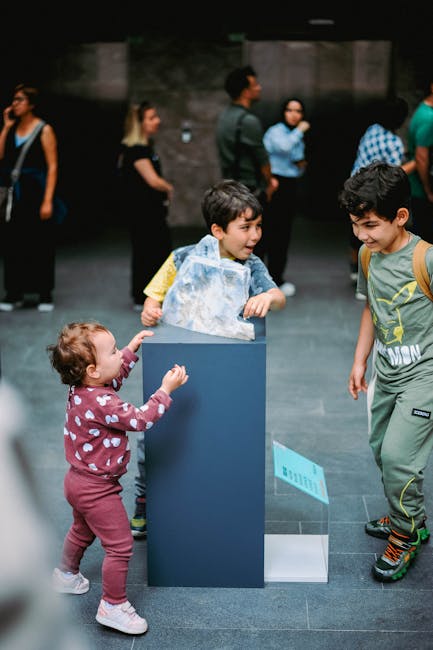
My eight-year-old stood in front of a blue painting of a thin, sad-looking man and said, “That’s how I feel on Monday mornings.” Picasso’s Blue Period, summarised perfectly by a child who doesn’t know what a period is (in art terms). That’s the thing about taking kids to the Picasso Museum — they don’t need to understand art history to react to the work. They just need eyes and opinions. And children have plenty of both.
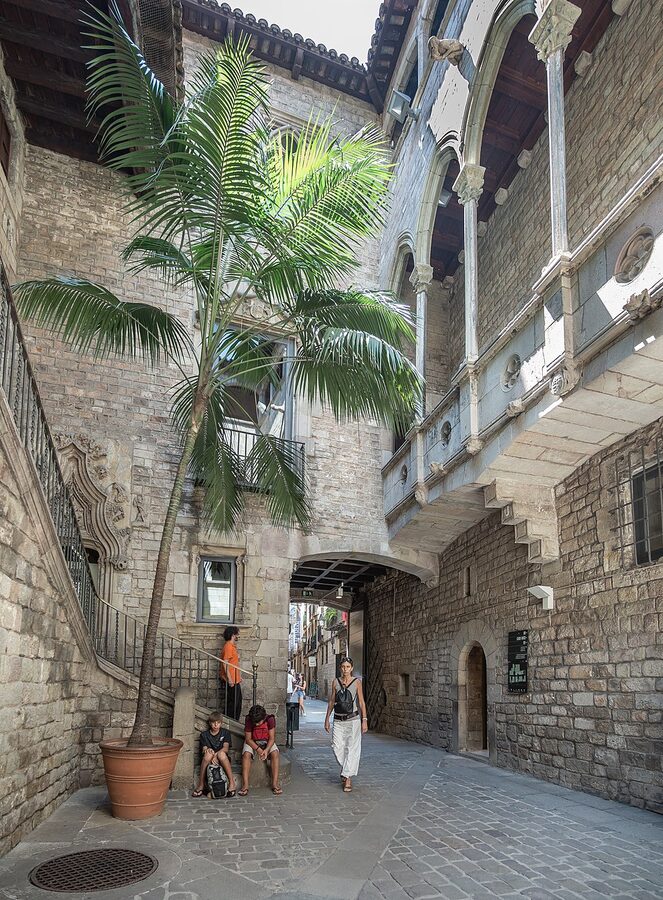
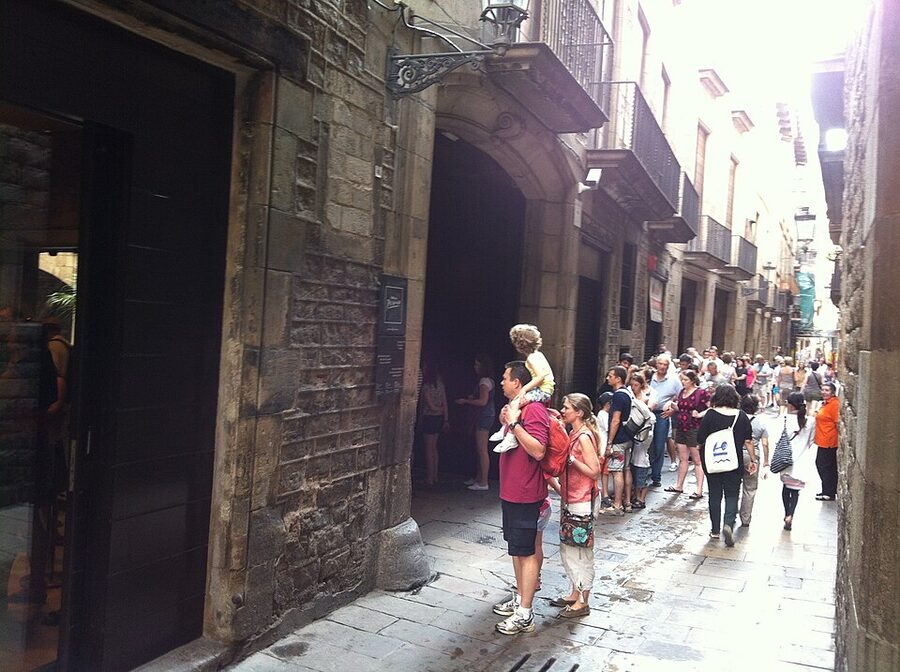
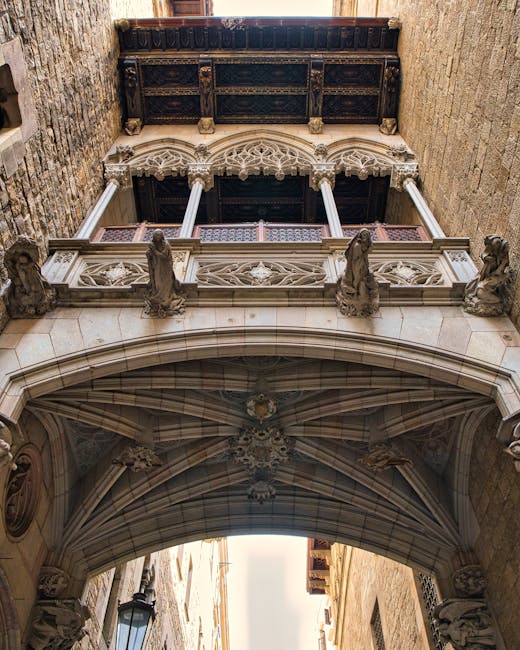
The Picasso Museum is spread across five medieval palaces in the Born Quarter. The buildings themselves are beautiful — stone archways, interior courtyards, and gothic staircases that children find fascinating even before they see any art. My daughter spent five minutes in the first courtyard looking at pigeons before she noticed there was a museum inside. We were off to a good start. Photo: Edgardo W. Olivera, CC BY 2.0, via Wikimedia Commons
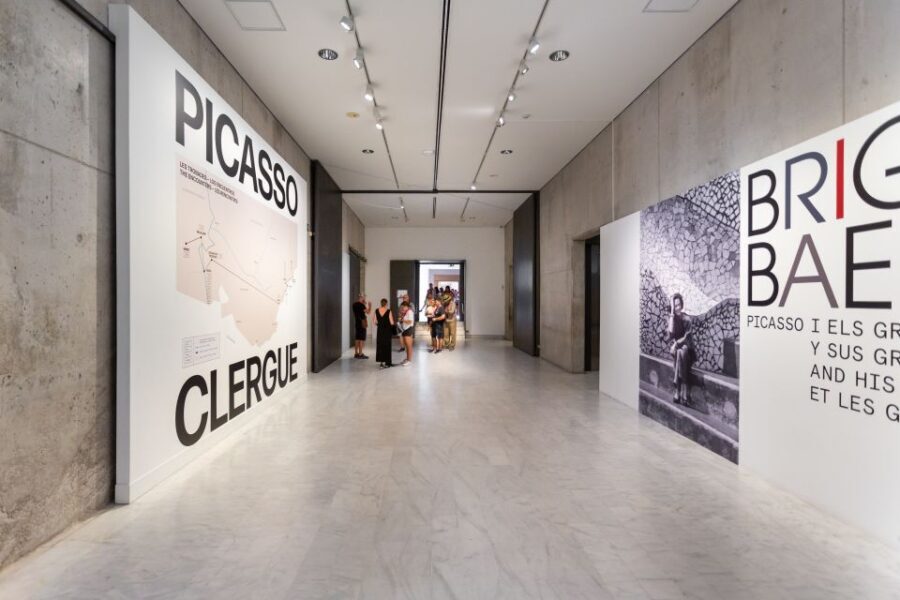
The Museu Picasso Barcelona houses over 4,200 works by Pablo Picasso, focusing on his formative years. It’s not the obvious family museum choice — most parents gravitate toward the aquarium or the zoo. But it’s surprisingly child-friendly, and the official site runs dedicated family programmes including a screen-free family space for children aged 0-6.
For families already doing Sagrada Familia with kids or Casa Batllo, adding the Picasso Museum gives children a broader view of Barcelona’s artistic heritage — not just architecture but painting too. Here’s why it works with kids and how to make the most of it.
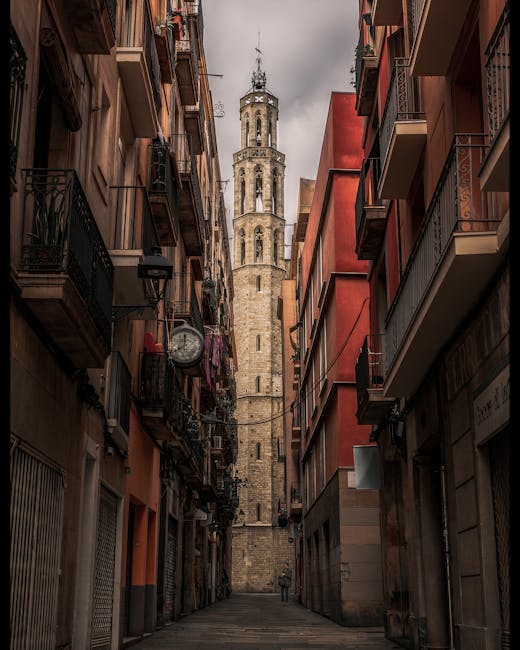
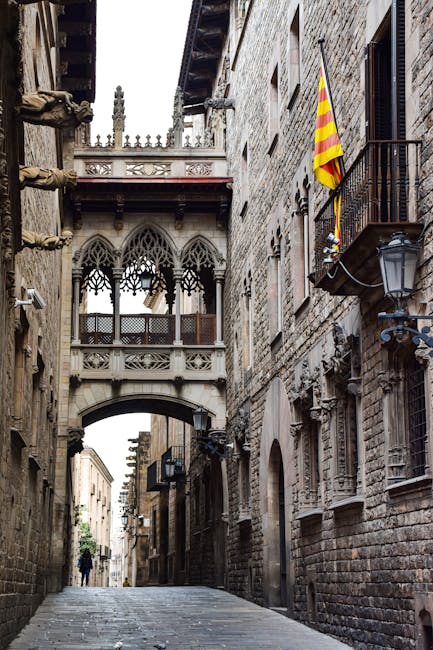
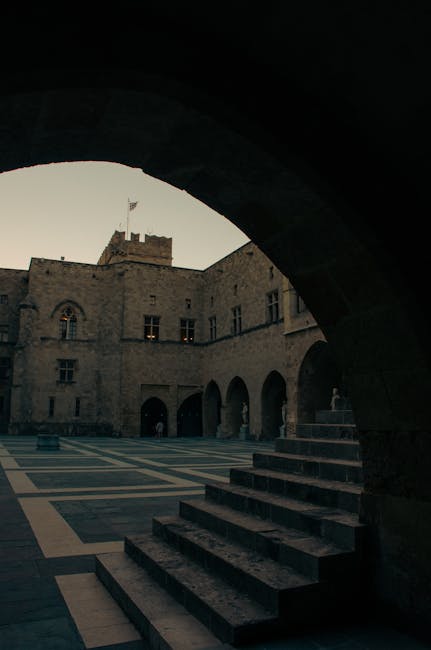
Carrer de Montcada is one of Barcelona’s oldest streets. The medieval palaces that now house the Picasso Museum once belonged to wealthy merchants who made their fortunes trading with the Americas. The street is narrow, cobblestoned, and lined with stone balconies. My kids felt like they were walking through a movie set. The street itself is as much an attraction as the museum — worth a slow walk at the start and end of your visit.The Born Quarter around the museum is one of Barcelona’s most atmospheric neighbourhoods. Narrow medieval streets, boutique shops, cafes with outdoor terraces, and quiet squares tucked between palaces. After the museum, wander these streets. Every corner has a surprise. We found a chocolate shop on Carrer de l’Argenteria that’s been operating since the 1700s. Chocolate older than our country. The kids were impressed.The five medieval palaces date from the 13th to 15th centuries. Walking between them feels like moving through a castle. The stone courtyards are cool and quiet — a welcome break from Barcelona’s heat. My son asked if a king had lived here. I said rich merchants. He was less impressed. But the architecture does the work of making the visit feel grand before you even reach the galleries.
Picasso Museum Skip-the-Line Guided Tour — $44
A guide who makes Picasso accessible for all ages. Skip the queue. 90 minutes. Book Now
Small Group Picasso Tour with Museum — $47
Walking tour through Born Quarter + museum. Smaller groups. More context for kids. Book Now
Why the Picasso Museum Works with Children
Children engage with Picasso differently from adults. They don’t care about art history or market values. They look at the pictures and say what they see. A face with two eyes on the same side? “That’s silly.” A blue room full of sad people? “Why is everyone blue?” These honest reactions are exactly what Picasso would have wanted. He spent his whole career trying to paint like a child. Bringing actual children feels right.
Three reasons the Picasso Museum works for families, even young ones.
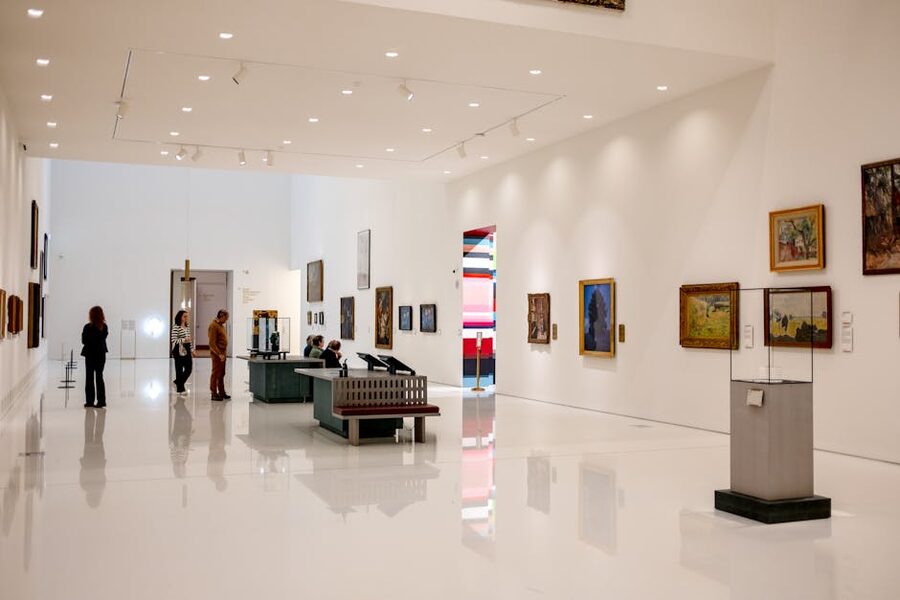
First, the collection is chronological. You start with Picasso’s childhood drawings (age 9-10) and watch him develop. Children find this relatable — here’s a kid their age, drawing things they could draw. Then it gets progressively stranger. The Blue Period. The Rose Period. Cubism. They watch an artist evolve from realistic to abstract, and understanding WHY he changed is a conversation that writes itself.
Second, the buildings are the experience. Five interconnected medieval palaces with courtyards, staircases, and stone-vaulted rooms. Even if the art doesn’t land, the architecture will. My five-year-old treated the building like a castle and the paintings as decoration. She had a great time.
Picasso’s later work is bold, colourful, and immediate. Kids react to it instinctively — they don’t need labels to tell them whether they like a painting. My son stood in front of a large abstract piece and said “I could do that.” I told him that’s exactly what everyone said when Picasso first showed his cubist work. The difference is that Picasso could also draw perfectly realistically — he chose not to. That distinction fascinated my eight-year-old.The Blue Period is the easiest period for children to understand emotionally. Everything is blue. Everyone looks sad. There’s no trick to it — the colour IS the meaning. My eight-year-old said “it’s like when I’m in a bad mood, everything looks grey.” Exactly. Picasso painted during his darkest years (after his best friend’s suicide) and the blue captures grief in a way that children instinctively read. No art history training required. Just eyes and empathy.
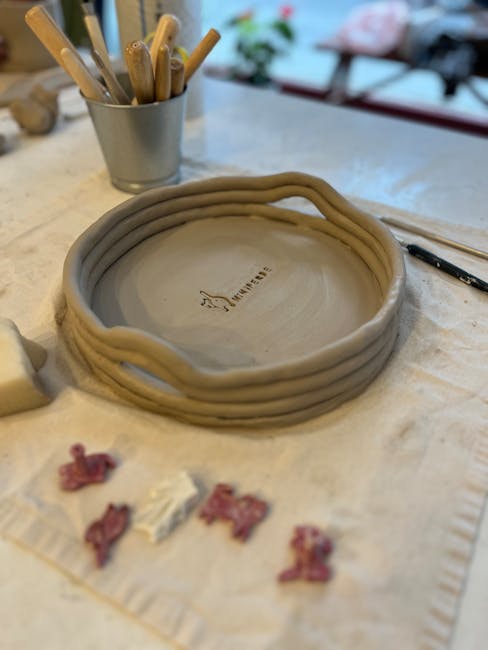
Third, the museum runs family-specific programmes. The screen-free family space is designed for children aged 0-6 with art activities and hands-on play inspired by Picasso’s work. Ceramic workshops for children let kids create their own Picasso-inspired pottery. Check the official site for current schedules — these programmes run on specific dates and book out quickly.
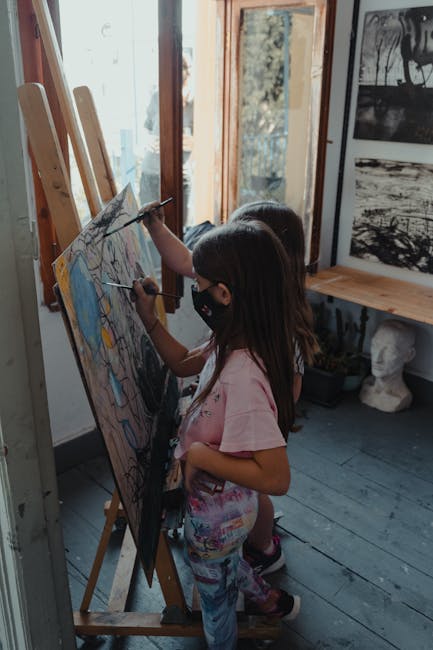
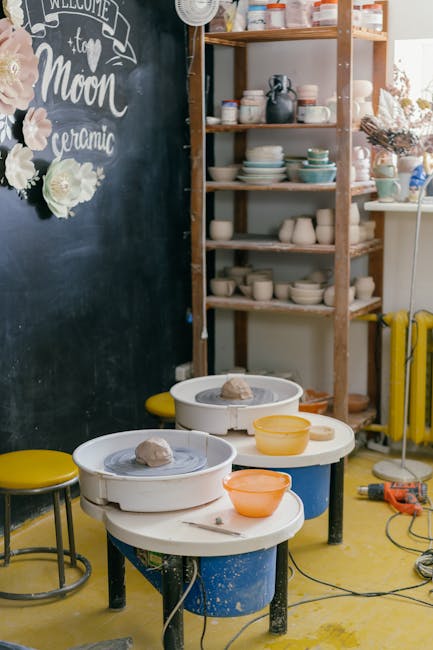
The ceramic workshops let children make their own art inspired by Picasso. It’s hands-on, messy, and exactly the kind of activity that helps children process what they’ve seen in the galleries. Book through the official museum website. They run on specific dates and sell out fast — especially during school holidays. If your visit aligns with one, grab it. Making art after seeing art is the perfect sequence for children.
What to See (The Kid-Friendly Route)
The galleries flow chronologically through the five palaces. Start at the beginning — Picasso’s childhood drawings are in the first rooms and they’re the perfect hook for children. “Look, he drew this when he was YOUR age.” My daughter was outraged that a nine-year-old could draw better than her. Competitive motivation is still motivation. She spent the rest of the visit studying the paintings more carefully than I’ve ever seen her study anything.
Don’t try to see everything. With children, less is more. Here are the sections that work best for families:
Picasso could draw perfectly by age 12. The museum’s early rooms display sketches from his teenage years that look like adult professional work. My son, who considers himself a decent drawer, was humbled. “He was nine and he could draw like that?” Yes. And by adulthood he chose to draw like a child instead. That decision is what made him Picasso. The sequencing in the museum shows this evolution beautifully — technical mastery first, then deliberate abandonment of technique.
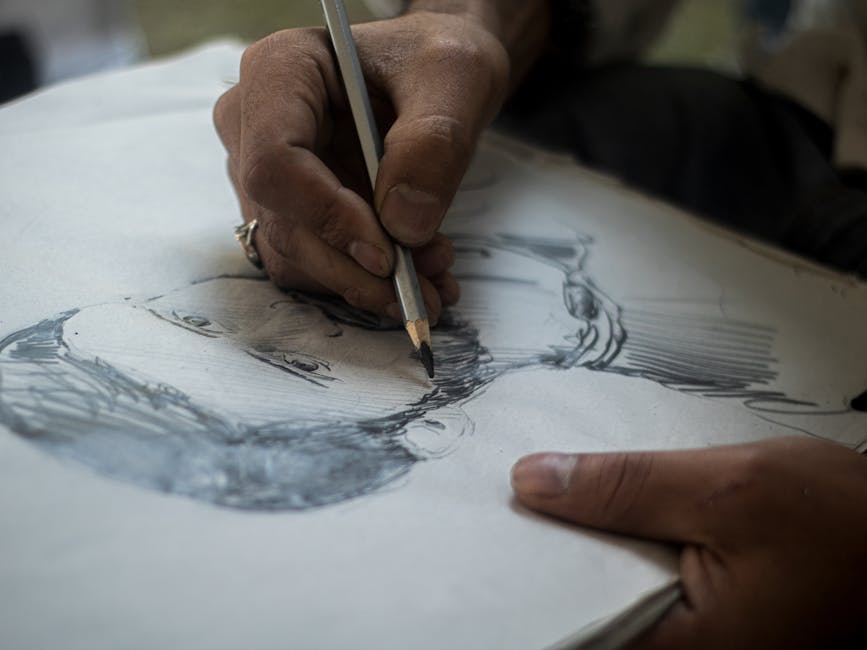
Early works (rooms 1-4): Picasso’s childhood drawings and his father’s influence. Relatable for children who draw themselves. The portraits are technically brilliant and show a child prodigy at work.
Blue Period (rooms 8-9): Moody, atmospheric paintings in shades of blue. Children connect emotionally — “why is everything so sad?” is a great conversation starter about how artists use colour to express feelings.
Las Meninas series (rooms 12-15): Picasso’s 58 interpretations of Velazquez’s famous painting. Children love the game of “spot the difference” between versions. Each painting reinterprets the same scene differently. It’s visual puzzle-solving and kids are naturally good at it.
Picasso’s ceramics are the most child-friendly works in the museum. Plates painted with bulls, fish, owls, and faces — colourful, simple, immediate. The museum displays dozens of them. Children recognise what’s on each plate instantly. No explanation needed. My daughter said she wanted to “paint plates like that at home.” We didn’t let her near the good china. But she did a passable version on paper plates after the trip. That’s what a museum should do — inspire kids to make their own art.
Ceramics (final rooms): Plates, vases, and tiles painted by Picasso. These are the most accessible works for young children — they’re colourful, playful, and feature animals and faces that toddlers recognise instantly.
The ceramics section is surprisingly brilliant for small children. Painted plates with bulls, owls, and faces — Picasso at his most playful and accessible. My three-year-old pointed at every plate and named what she saw. “OWL.” “MAN.” “COW.” She was right every time. Picasso’s ceramic work is designed to be understood instantly. No art degree required. Just eyes and a willingness to point.
Practical Tips for Families
The queue can be significant without skip-the-line tickets. We waited 35 minutes on a Saturday morning without pre-booked tickets. With skip-the-line you walk straight in. At $44 per adult for the guided tour, the queue-skip alone justifies the cost when you’ve got impatient children tugging at your arm and asking “how much LONGER?” every ninety seconds. Photo: Kippelboy, CC BY-SA 3.0, via Wikimedia CommonsBring a small sketchbook for the children. The museum allows drawing in most galleries. Children sit on the floor or benches and sketch what they see. It transforms them from passive viewers into active participants. My daughter drew three of the ceramic plates. Her drawings don’t look anything like the originals — but the process of looking closely and trying to replicate made her notice details she’d have missed otherwise. Genuine art education happens here.
Allow 60-90 minutes. The guided tour is 90 minutes. Self-guided with children, 45-60 minutes is realistic before attention wanders. Don’t force it — leave while they’re still engaged and the memory will be positive.
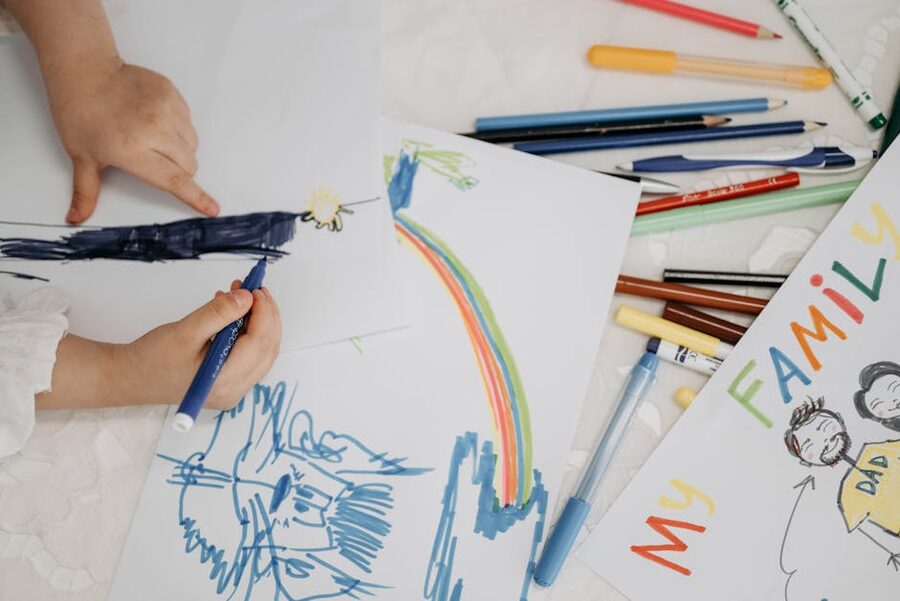
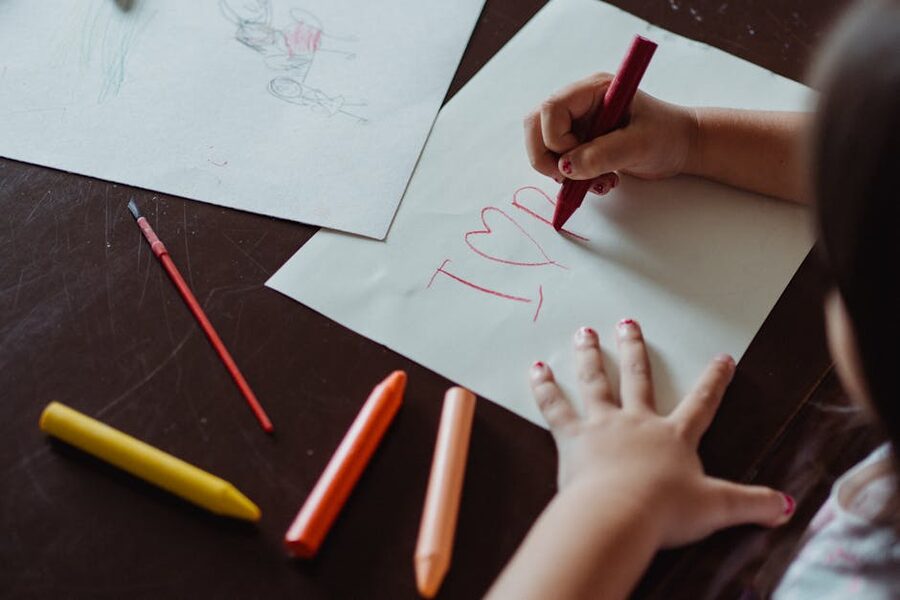
The museum encourages children to create. The ground floor has a dedicated family space with art materials — paper, crayons, pastels. Children can sit and draw after seeing the galleries, channeling what they’ve just experienced into their own work. The space is free to use with museum entry. We spent 20 minutes here at the end of our visit and my daughter drew her own “Blue Period” self-portrait. Still on our fridge.
Free entry Thursdays. The museum offers free entry on Thursday evenings (typically 5-8pm). It’s crowded but free. With older children who can handle evening outings, this is excellent value. Not recommended with under-5s — the crowds and the timing don’t mix well with toddlers.
The ceramic workshop room sometimes has live demonstrations. On certain days (check the museum schedule), a ceramicist demonstrates how to throw pots on a wheel in the style Picasso used at Vallauris. Children can watch hands shaping clay in real time — watching a lump of mud become a bowl is genuinely magical at any age. If your visit coincides with a demo day, this alone justifies the trip. My three-year-old was transfixed.
Under-18s are free. This is the detail most families miss. Entry to the permanent collection is free for everyone under 18. You only pay for adults ($12 for the permanent collection without a guide). The guided tours cost more but include skip-the-line access.
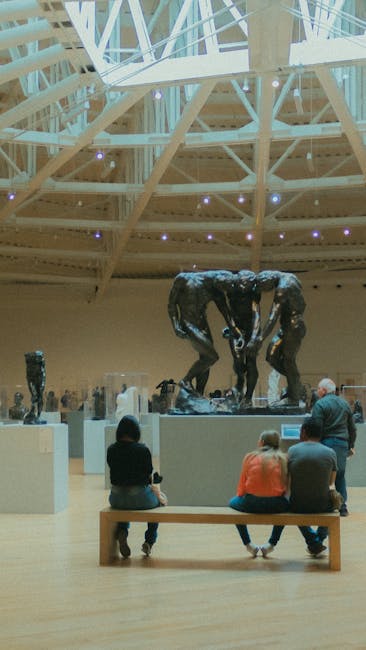
Picasso’s range is what makes the museum special. Classical realism as a teenager. Blue Period melancholy in his twenties. Cubist experiments in his thirties. Ceramics and peace doves in old age. Seeing all of this in one museum helps children understand that great artists don’t stick to one style. They evolve constantly. This is a real life lesson hidden inside a museum visit — that you can be many different things across a lifetime.
Buggies. The museum has lifts between floors. Buggies are allowed but the medieval palace rooms can be narrow. A carrier works better for babies. The courtyards are spacious enough for buggies during breaks.
Picasso’s later cubist works are the most challenging for children. Faces with two eyes on the same side, bodies broken into geometric pieces. Don’t skip these rooms — but don’t dwell either. Ask the kids “what do you see?” and let them answer without correction. My son said one painting was “a robot trying to be a lady.” He wasn’t wrong. Cubism is deliberately hard. Children don’t have to “understand” it to react to it. Their confusion is a valid response.
No photography in most galleries. Check the signs — some temporary exhibitions allow it, the permanent collection mostly doesn’t. Children sometimes find this frustrating. Tell them to “photograph with their eyes” and describe their favourite painting to you afterwards. It’s a better memory exercise anyway.
A guided tour transforms the museum for families. Without a guide, you’re looking at paintings on walls. With a guide, you’re hearing stories — about the nine-year-old boy who drew pigeons, the teenager who painted his dying sister, the old man who still painted like a child. Children remember stories. They forget labels. Invest in the guide if your kids are old enough to listen (age 6+).
The Best Tickets for Families
1. Picasso Museum Skip-the-Line Guided Tour — $44
Over 3,300 reviews — the most popular way to experience the museum. Skip-the-line entry plus a 90-minute guided tour through the key galleries. The guides are art historians who know how to make Picasso accessible. For families with children aged 6+, the stories about Picasso’s childhood and his relationship with his father are genuinely engaging. Under-18s enter free, so a family of four pays only for two adult tickets.
The most-reviewed option with over 3,300 reviews. Skip-the-line entry plus 90-minute expert-guided tour through the highlights. Under-18s free. Our full review covers the guide experience and which galleries the tour focuses on. Best for families with school-age children who’ll engage with the stories.
This option adds a walking tour of the Born Quarter before the museum. You see the streets where Picasso lived and worked as a teenager, then enter the museum with context. For families, the outdoor walking section gives children a chance to move before the more structured museum visit. Smaller group size means more personal attention from the guide.
A combined walking tour and museum visit with a small group format. 698 reviews. Walk through the Born Quarter streets Picasso knew, then enter the museum with context. Our review explains the walking tour section. Best for families who want to understand Picasso’s Barcelona before seeing his art.
The museum is on Carrer de Montcada in the Born Quarter. Jaume I Metro (L4) is a 5-minute walk. The streets around the museum are medieval and pedestrianised — narrow, atmospheric, and full of small shops and cafes. We always grab a coffee on Carrer de Montcada before going in. The kids get a juice, the adults get caffeine, and everyone starts the visit in a good mood.The museum entrance is easy to miss. It’s on Carrer de Montcada — a narrow street with many similar-looking medieval palaces. Look for the iron sign above the doorway and the small plaza in front. The entrance courtyard opens up into a surprising space once you’re inside. Unlike Sagrada Familia (impossible to miss) or Park Guell (entire hillside), the Picasso Museum rewards those who look carefully. The reward: Barcelona’s greatest painting collection, tucked away in medieval palaces.
The museum is at Carrer de Montcada 15-23 in the Born Quarter. Jaume I Metro (L4) is the closest station, about a 5-minute walk. From the Gothic Quarter, walk east through Placa de l’Angel — about 8 minutes.
The Palau de la Musica is a 5-minute walk away. Combine both for a Born Quarter morning that covers music and art. The Barcelona Cathedral is also nearby — three cultural highlights within 15 minutes of each other on foot.
More Barcelona Family Guides
After the Picasso Museum, let the kids draw. Bring a small sketchbook and sit in the Parc de la Ciutadella (10 minutes away). Let them draw whatever they remember from the museum. My daughter drew “the blue sad man” and it was honestly one of the best things she’s ever produced. Picasso inspired her. That’s what a museum visit should do.After the museum, visit an art supplies shop. Barcelona has excellent stationery and art shops — try Raima on Carrer de Comtal for beautiful paper, or the traditional art stores around the Born Quarter. Let your children choose a pencil, a brush, or a small sketchbook. Spending 5-10 euros on real art supplies transforms the museum experience into a creative project that continues long after the holiday ends. My daughter still uses the sketchbook she bought that day.
The Picasso Museum sits in the same neighbourhood as the Palau de la Musica — both are in the Born Quarter and both surprise families who didn’t expect to enjoy them. For more Barcelona architecture, Sagrada Familia and Casa Batllo are both short Metro rides away. If the kids need an outdoor day after the museum, Park Guell has mosaics that echo Picasso’s playfulness, and the Barcelona Aquarium is the reliable fallback when everyone’s done with art and architecture.