
The Picasso Museum Málaga is the rare “adult art museum” that actually works brilliantly with kids. Pablo Picasso was born in Málaga in 1881 and the museum is built in the 16th-century Buenavista Palace a few streets from his birthplace — a two-stop family art day that gives kids real insight into one of the most famous artists of the 20th century.
In a Hurry? Our Family Picks
Best-value entry: Picasso Museum Málaga Entry Ticket ($15) — 11,000+ reviews, permanent collection. Default pick.
Guided tour: Picasso Museum Guided Tour + Skip-the-Line ($41) — 1.5 hours with expert guide, 4.8 rating.
Birthplace Museum (separate site): Picasso’s Birthplace Museum Ticket ($5) — smaller, personal, Picasso’s actual childhood home.
- In a Hurry? Our Family Picks
- Why this works with kids
- What you see in the museum
- 1. Early works (Rooms 1-3, 20 min)
- 2. Blue and Rose periods (Rooms 4-5, 15 min)
- 3. Cubism (Rooms 6-7, 20 min)
- 4. Classical period and late works (Rooms 8-11, 25 min)
- 5. Temporary exhibitions (20 min, included)
- Our top picks to book
- 1. Picasso Museum Málaga Entry Ticket —
- 2. Picasso Museum Guided Tour + Skip-the-Line —
- 3. Picasso’s Birthplace Museum —
- Getting there
- Opening and timing
- What kids get out of Picasso
- Kids’ activity booklets
- A short history of Picasso in Málaga
- Pairing with the rest of Málaga
- Age-by-age guide
- Practical tips
- Tips for specific ages at the museum
- Kids’ art projects at home
- Sunday family workshops
- What if it rains?
- Before you book, an honest list
Why this works with kids
Most art museums are a slog with children. The Picasso Museum is the exception for four specific reasons:
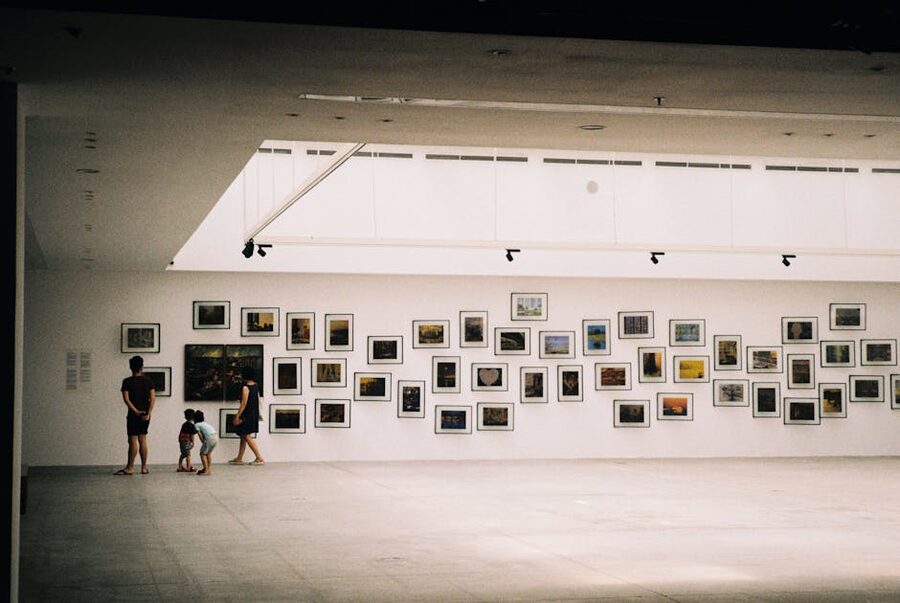
First, Picasso’s art visibly changed over time. Kids can see the difference between a realistic 14-year-old Picasso painting and a 70-year-old cubist one, and the “what happened to him?” question opens up the whole history of modern art.
Second, the collection is manageable. About 200 works across 11 rooms. Covers 90 minutes with kids — not the 4-hour slog of the Prado or Reina Sofía.
Third, the museum has a proper kids’ programme. Sunday morning workshops, free kids’ audio guides, family activity booklets. Staff are trained to engage with children.
Fourth, Picasso is genuinely Málaga-born. The museum tells the story of a local boy who became world-famous. Kids get a civic-pride angle that most art museums can’t offer.
What you see in the museum
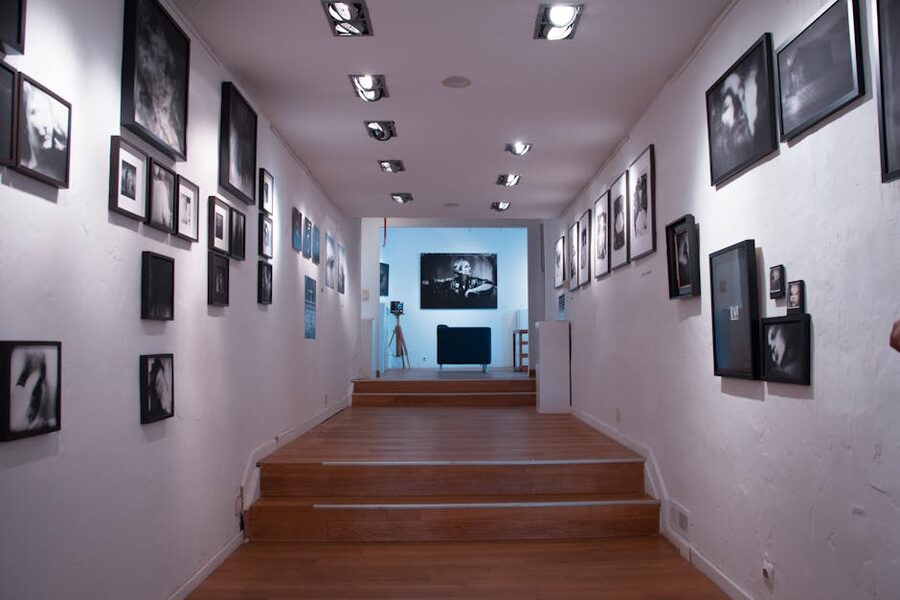
The permanent collection is organised roughly chronologically across 11 galleries. You walk through Picasso’s artistic evolution in about 90 minutes.
1. Early works (Rooms 1-3, 20 min)
Starting with Picasso’s early academic training — realistic portraits, landscapes, religious scenes. Important for kids because it shows Picasso could paint “normally” before he went cubist. Helps them understand that his later abstract work was a choice, not a lack of skill.
2. Blue and Rose periods (Rooms 4-5, 15 min)
Picasso’s early 1900s emotional periods — the Blue Period (sad, mostly blue palette) and Rose Period (romantic, warmer colours). Kids engage with the emotional framing: “why did he use so much blue?” is a real question with a real answer (depression of his friend’s death).
3. Cubism (Rooms 6-7, 20 min)
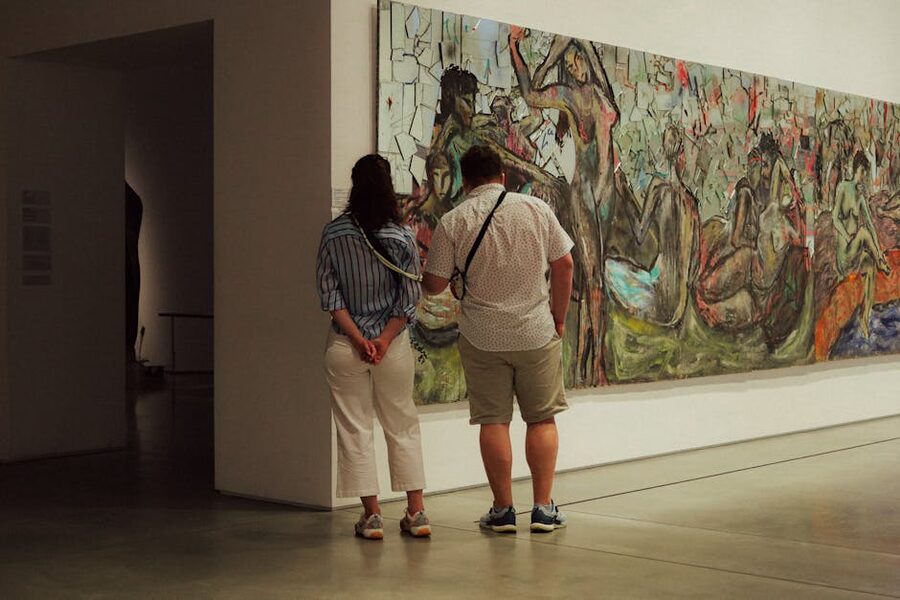
The cubist rooms are the signature Picasso experience. Faces split into geometric pieces, multiple viewpoints combined, flat colour. Kids often laugh at first (the paintings look like puzzles), then get quiet as they realise what they’re looking at.
4. Classical period and late works (Rooms 8-11, 25 min)
Picasso’s return to classical figures in the 1920s, then his late-life expressive paintings. Includes bullfighting-themed works and several of his ceramic pieces. Kids find the ceramics surprisingly engaging — handmade, colourful, 3D rather than flat.
5. Temporary exhibitions (20 min, included)
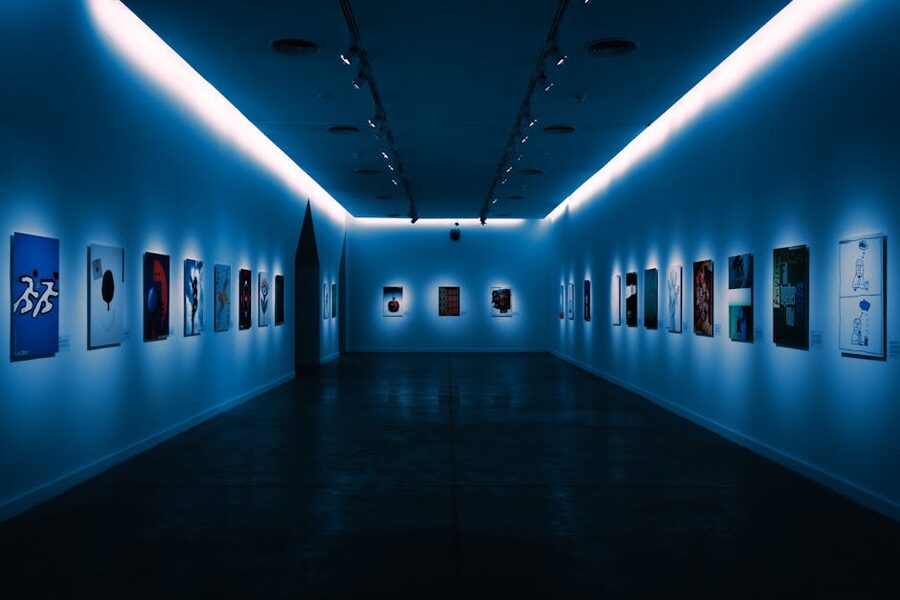
The museum runs temporary exhibitions in a separate wing — usually Picasso-adjacent (contemporaries, influences, later artists). Included in your ticket. Check what’s on when you book; sometimes these are more kid-friendly than the permanent collection.
Our top picks to book
1. Picasso Museum Málaga Entry Ticket — $15
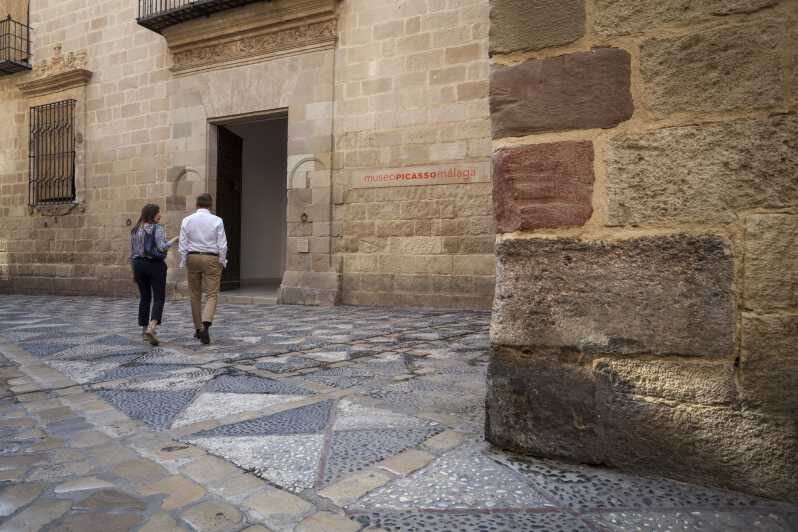
Default family pick. Skip-the-line entry, self-paced visit, audio guide included. Our Picasso Museum entry ticket review covers timing, the kids’ audio guide, and how to pace the visit with different ages. Works for kids 6+; under-6s will enjoy the colourful cubism but may lose interest in the early works.
2. Picasso Museum Guided Tour + Skip-the-Line — $41
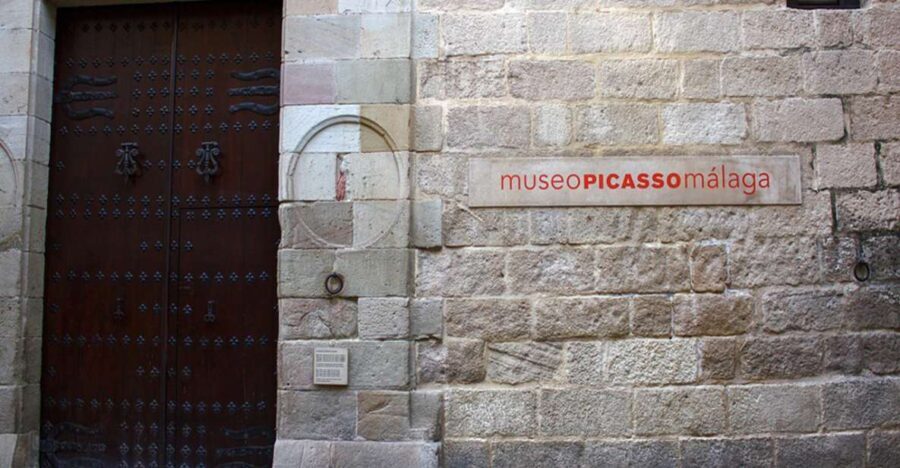
If your kids are art-curious (or studying art at school), the guided version pays off. Art historian guides explain Picasso’s stylistic changes in a way audio guides can’t. Our guided tour review covers whether the upgrade is worth it for your family. Best for kids 9-14; teens love it, younger children may struggle with the 1.5-hour format.
3. Picasso’s Birthplace Museum — $5
This is the small Casa Natal museum — the actual apartment where Picasso was born, preserved with period furniture, family photos, and early drawings. Shorter visit (30-45 min) but gives kids the personal story. Our Birthplace Museum review covers whether to do both museums or just one (both is better if you’ve got time; just Picasso Museum if you don’t).
Getting there
Address: Calle San Agustín, 8 — central Málaga, 5 minutes from the Cathedral.
From train station: 15 minutes walk, or €6 taxi.
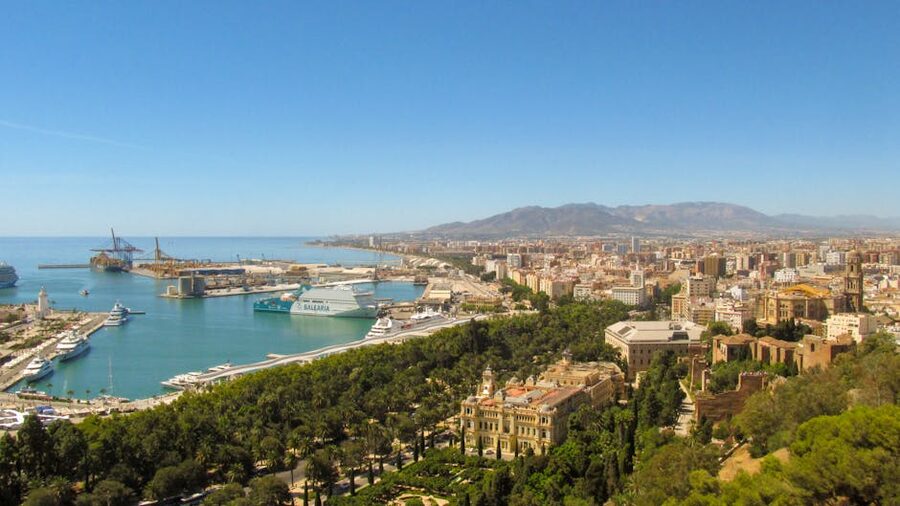
From cruise port: 15 minutes walk via the port promenade.
From airport: C1 bus to Málaga Centro Alameda (20 min), then 10 min walk.

Opening and timing
Hours: 10am-7pm (slightly shorter in winter). Open every day except Christmas and some religious holidays.
Best time: 10am when it opens (quietest). Or after 5pm (tour groups have gone).
Avoid: cruise ship days if possible. Málaga gets big cruise visits on Tuesdays and Wednesdays; the Picasso Museum gets crowded around midday.
Free entry: last 2 hours on Sundays. Queues get long; not worth it unless you’re on a tight budget.
What kids get out of Picasso


Three key things to tell kids before you go:
He could paint normally first. Before cubism, Picasso painted in entirely realistic styles. The museum starts with these. Kids find this reassuring: abstract art wasn’t a lack of skill, it was a choice.
Cubism is about showing more than one side. Normally a painting shows one viewpoint; cubism tries to show multiple viewpoints at once. That’s why faces have the nose from the side and both eyes visible. Once kids understand the concept, they find cubist paintings more interesting than weird.
He made things besides paintings. Ceramics, sculptures, stage sets, engravings, drawings on napkins. Kids like knowing Picasso was a maker of stuff, not just a painter.
Kids’ activity booklets
Ask at the ticket desk for the family activity booklet (free, Spanish + English). It has drawing tasks, “find this painting” missions, and questions about specific works. Transforms the visit from passive walking to active hunting. Our kids will sit for an extra 20 minutes to complete the booklet.
A short history of Picasso in Málaga
Pablo Picasso was born at 15 Plaza de la Merced, Málaga, on 25 October 1881. His father, José Ruiz Blasco, was an art teacher and curator at the local museum. Picasso started drawing around age 4; by 9 he was doing professional-quality academic drawings.
The family moved to A Coruña in 1891 (when Pablo was 10) and then to Barcelona in 1895. Picasso never lived in Málaga again after age 10, but his birthplace shaped his visual memory — bullfights, Spanish light, Mediterranean colour, Andalusian tiles.
The current Picasso Museum opened in 2003, a project championed by Picasso’s daughter-in-law Christine Ruiz-Picasso (widow of Pablo’s son Paulo) who donated much of the collection. The museum has grown since; now 285 works spanning every Picasso period.
The Birthplace Museum (Casa Natal) is a separate, smaller site — the actual apartment where Picasso was born. Run by a different foundation but sharing some visitors. Most families visit both the same day.
Pairing with the rest of Málaga
The Picasso Museum is a 90-minute visit; pair with other central Málaga attractions:
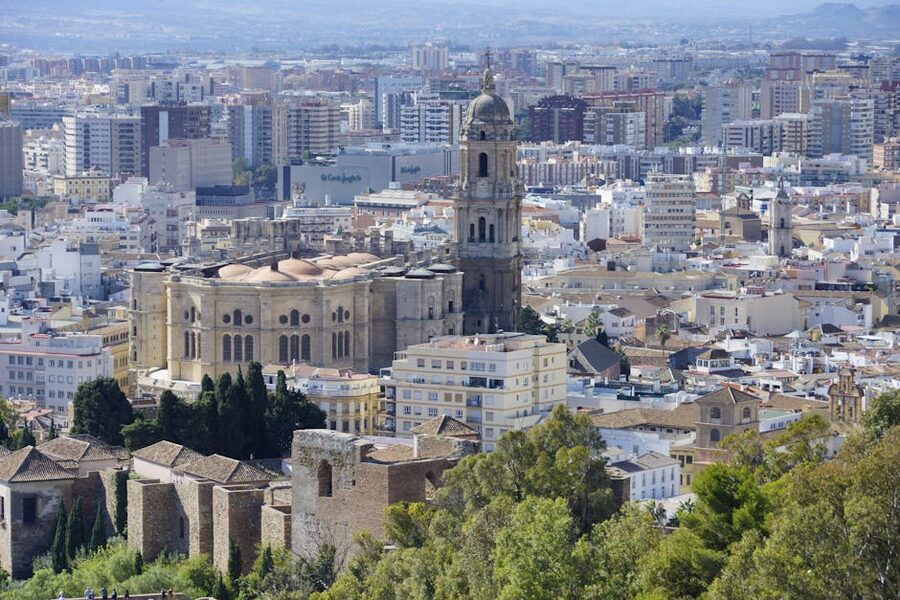
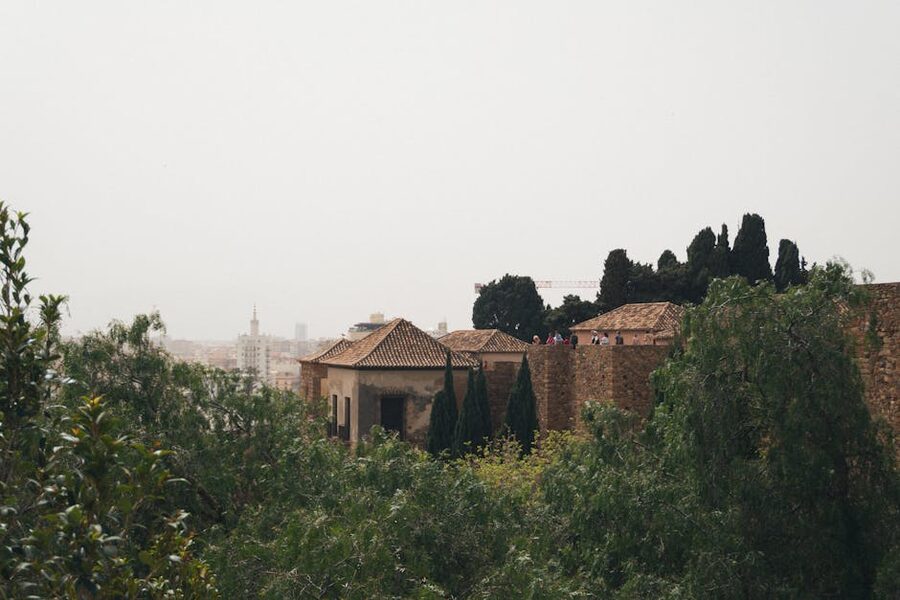
Alcazaba (Moorish fortress): 10 minutes from Picasso Museum. Small but scenic. Kids love the castle walls.
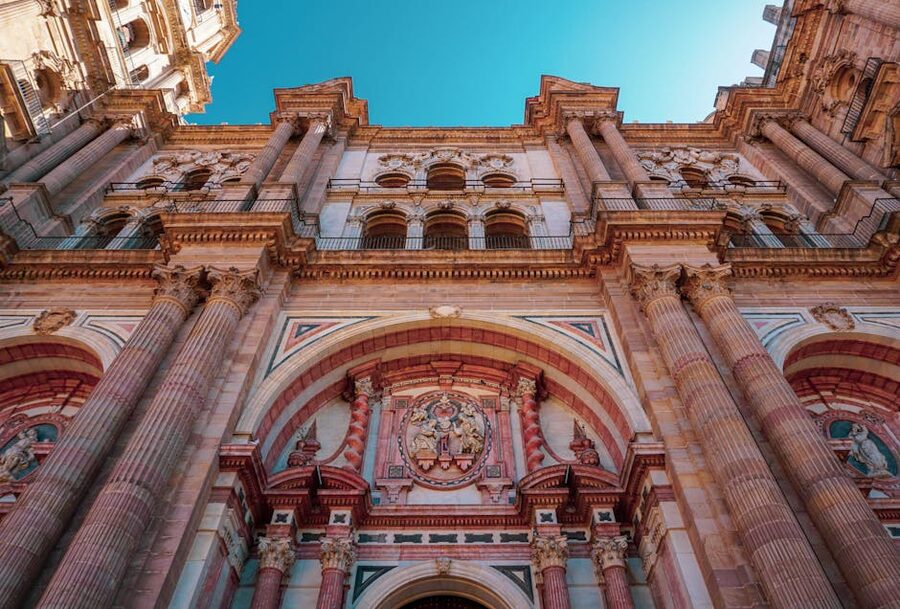
Málaga Cathedral: 3 minutes from Picasso Museum. 30-minute visit covers the highlights.
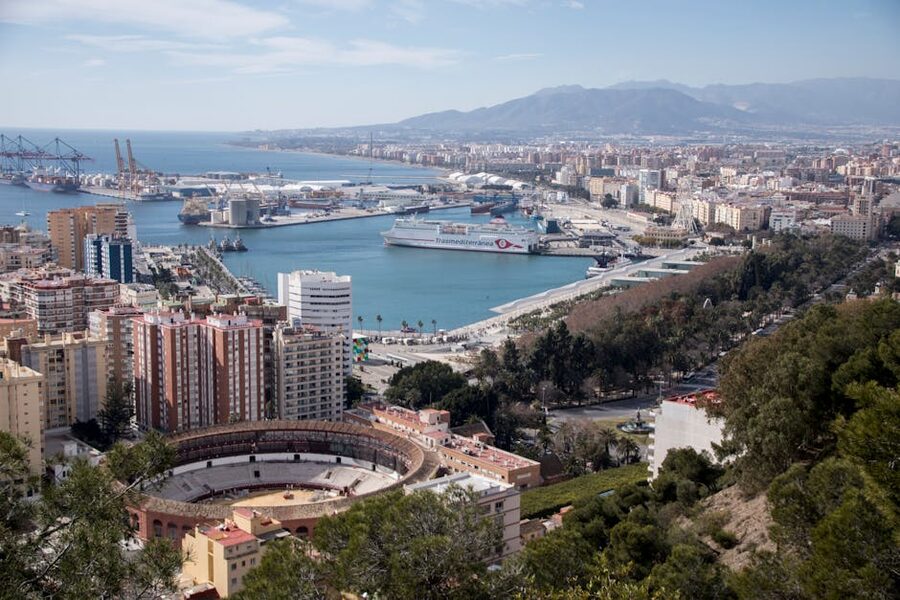
Port and beach: 10 minutes walk. Play area, cafés, beach access.
Birthplace Museum (Plaza de la Merced): 10 minutes from Picasso Museum. If you’re doing both museums, do Birthplace second — it makes more sense after the main collection.
Full Málaga family day: Picasso Museum 10am, Cathedral 11:30am, tapas lunch at 1pm, beach afternoon. Leaves the evening for tapas dinner.
Age-by-age guide
Under 5: possible but short. Budget 45 minutes; focus on the cubist rooms where colour and shape are most impressive. Skip anything slow.
5-8: 60 minutes. Kids’ activity booklet is essential. Audio guide usually too adult; just narrate yourself.
9-12: 90 minutes. Sweet spot. Kids follow the stylistic progression and the activity booklet. Consider the guided tour.
13+: full 2 hours including temporary exhibitions. Teens studying art history at school engage strongly.
Practical tips
Book skip-the-line. Midday queues reach 30-40 minutes in high season. Booking online is the same price.
Audio guide. Free with ticket. Standard English version is adult-focused; ask about the kids’ version at the desk.
Photography. Allowed without flash in the permanent collection. Not allowed in most temporary exhibitions.
Bag size. Large bags must be stored in lockers at the entrance (free). Small bags and cameras can come in.
Accessibility. Fully step-free. Lifts between floors. Buggy and wheelchair accessible throughout.
Café. Small café on the ground floor. Basic but decent; prices standard tourist-attraction level. Kids’ drinks available.
Shop. At the exit. Picasso-themed kids’ art books from €5; cheap postcards; prints and higher-end merchandise. Budget €10-20 if your kid has been properly engaged.
Tips for specific ages at the museum
Because Picasso’s art spans so many styles, different rooms work for different kids. Here’s how to prioritise with limited attention spans:
For art-curious kids 9+: start with early works, walk through each room chronologically, let them absorb the stylistic changes. Budget the full 90 minutes.
For reluctant kids 7-10: skip the early realistic works. Start at the cubism rooms (more visually striking). Work backwards if they engage. 45-60 minutes maximum.
For young kids 5-6: focus on the late colourful works and the ceramics. 30 minutes is enough. Use the activity booklet; it keeps them moving.
For teens: if they know any art history, the cubism rooms lead to real conversations. If they don’t, the scandalous personal life (multiple wives, affairs, long hair and sandals) is surprisingly engaging.
Kids’ art projects at home
If your kid loves the visit, there’s a simple art project: have them draw a portrait of someone in the family using “multiple angles at once” — an eye from the front, a nose from the side, a mouth at a weird angle. Most kids produce surprisingly good cubist portraits on their first try. Brilliant car-journey activity for the rest of your Spain trip.
Sunday family workshops
The museum runs Sunday morning children’s workshops (ages 5-12) — drawing, colouring, Picasso-inspired projects. Free with museum entry but book ahead; 20 spots per session.
Schedule varies by month; check the museum website. If you’re in Málaga on a Sunday with kids in the age range, booking a workshop transforms a regular visit into a creative experience.

What if it rains?
The museum is entirely indoor. Rain is actually ideal — most Málaga rainy days are brief, and a 90-minute museum visit shelters you through the worst of it.
If a rainy day forecast is heavy, plan museum day then. Clear days are better for beach or Caminito del Rey; rainy days are perfect for Picasso.
Before you book, an honest list
Book the standard entry if: your kids are 7+ and you want flexibility.
Book the guided tour if: your kids are 9+ and have some art interest.
Add the Birthplace Museum if: you’re in Málaga for 2+ days. Skip if you’ve only got one.
Skip if: kids are under 5 or strongly dislike museums. Save the Picasso Museum for older kids who’ll engage.
Pair with: Málaga Cathedral, Alcazaba, port, beach — a full Málaga central day is easy to construct around this.
One last tip: ask your kids to pick a favourite painting before leaving. Even the “I don’t like any of them” kids usually pick one. The conversation about why turns into the best souvenir of the visit.
Book the entry ticket, go early morning, grab the kids’ activity booklet. Best Picasso experience for families anywhere in Spain.