When you’re planning a visit to one of Europe’s most extraordinary archaeological sites, the question isn’t whether to hire a guide—it’s which guide to choose. We’ve reviewed this Pompeii skip-the-line tour extensively, and we’re genuinely impressed by what it delivers. What really sets this experience apart is the combination of actual archaeologists leading the tours and the ability to bypass the notorious entrance lines that can eat up valuable time during a limited Italian vacation. The two-hour timeframe is also refreshingly realistic; rather than promising to show you everything at breakneck speed, this tour focuses on quality over quantity.
That said, there’s one consideration worth mentioning upfront: two hours is genuinely brief for a site this massive. While the guides excel at prioritizing the highlights, you’ll want to factor in additional time if you’re the type of traveler who likes to linger and explore independently.
This tour works best for travelers who want genuine historical insight without the tourist treadmill, families with younger children who might struggle with longer walking tours, and anyone visiting from nearby Naples or Sorrento with limited time to spend on the Amalfi Coast.
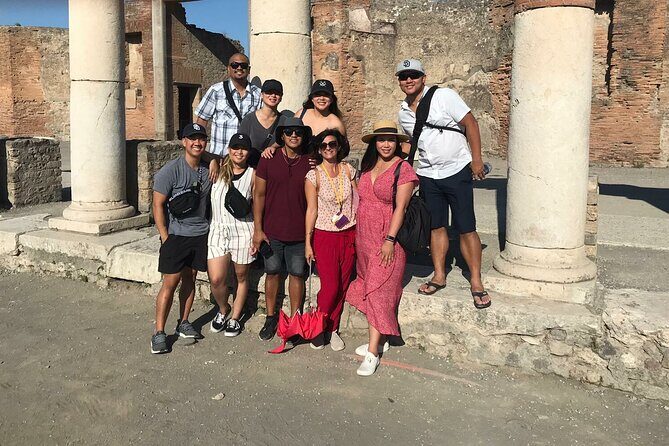
Our guide was very knowledgeable and had a good sense of humor. There were 8 of us and he was inclusive of all.
Lelo, our guide was fabulous. Witty, energetic and so incredibly knowledgeable. You could absolutely tell he knew the site inside and out after having worked on the digs for ten years.The two hour tour just flew by and every minute was really enjoyable
Learn history about Pompeii and what the different ruins were. If exploring on your own would not know what would not know what you were looking at.
- Why This Tour Stands Out in a Crowded Market
- The Itinerary: What You’ll Actually See
- The Forum: The Heart of Roman Civic Life
- The Theaters: Where Entertainment Came Alive
- The Thermal Baths: Ancient Wellness Culture
- Local Businesses: Restaurants, Bars, and Shops
- The Gladiator Barracks and the Brothel
- The House of Menander: Domestic Life
- Practical Considerations That Actually Matter
- Price and Value Analysis
- Who Should Actually Take This Tour
- The Cancellation Policy: Flexibility When You Need It
- Real Feedback from Actual Travelers
- Frequently Asked Questions
- More Guided Tours in Pompeii
- More Tours in Pompeii
- More Tour Reviews in Pompeii
Why This Tour Stands Out in a Crowded Market
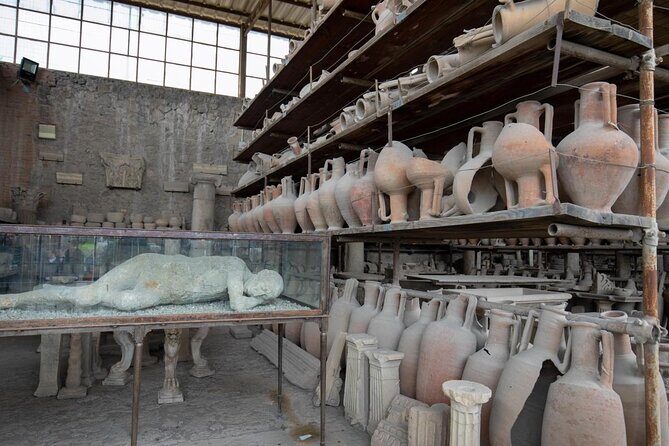
Pompeii attracts roughly three million visitors annually, and most of them shuffle through with audio guides or in large groups that strip away any sense of discovery. This tour takes a different approach entirely. With a maximum of 16 people per group and guides who are actually trained archaeologists—not just people who’ve memorized a script—you’re getting something genuinely educational rather than merely entertaining.
The skip-the-line aspect deserves particular attention. If you’ve ever visited a major Italian archaeological site during peak season, you know that standing in line for 45 minutes to an hour is entirely realistic. This tour gets you directly to an archaeologist at the meeting point near Hotel Vittoria, and you walk straight into the site while other visitors are still queuing. That’s not a small perk—it’s the difference between seeing Pompeii when you’re fresh and energized versus when you’re already tired and frustrated.
The reviews consistently highlight guide quality as the primary reason for satisfaction. One traveler noted, “Lelo, our guide was fabulous. Witty, energetic and so incredibly knowledgeable. You could absolutely tell he knew the site inside and out after having worked on the digs for ten years.” Another visitor mentioned that their guide “has nearly 30 years of experience at Pompeii, and knows literally every nook and cranny of the site. He pointed out little things we never would have found without a guide.”
This isn’t just marketing language—it reflects a real operational difference. The guides aren’t following a standardized route; they’re making decisions about where to linger based on what will genuinely interest your specific group.
The Itinerary: What You’ll Actually See
The tour covers the essential highlights of ancient Pompeii’s urban landscape, which is precisely what you need to understand how Romans actually lived. Rather than just listing destinations, let’s talk about what each stop reveals about daily Roman life.
You can also read our reviews of more guided tours in Pompeii

The Forum: The Heart of Roman Civic Life
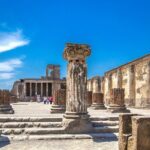
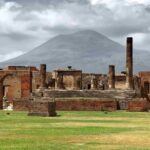
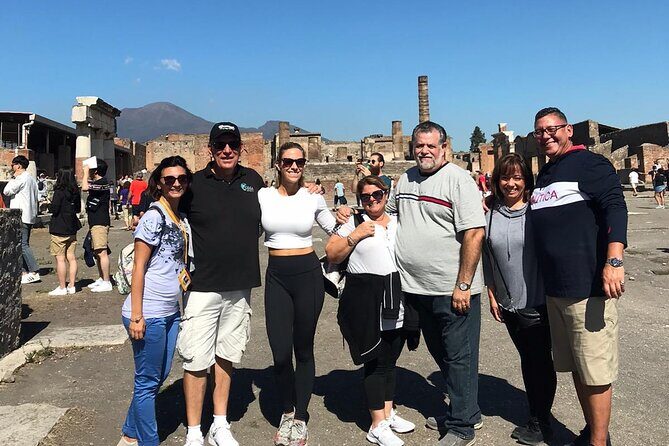
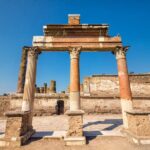
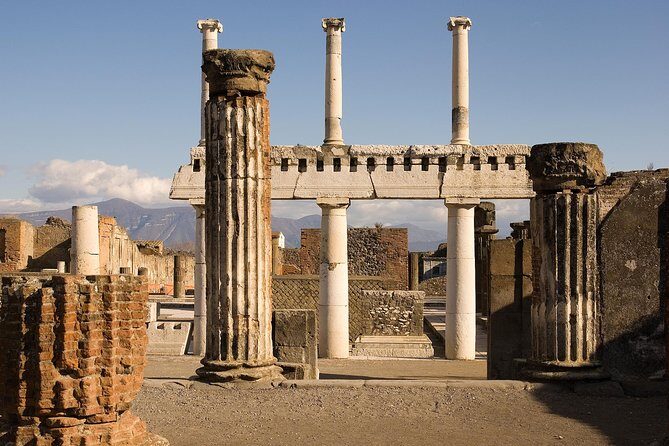
You’ll start by walking through the forum, which was essentially the downtown area where government, religion, and commerce intersected. This wasn’t a place where ordinary residents spent much time—it was where priests conducted religious ceremonies and where the city’s political elite made decisions. Standing in the forum, you can see the remains of temples and civic buildings that anchored the entire city’s identity. A reviewer who took this tour mentioned that their guide “explained everything we were looking at” with such clarity that “the history he provided was excellent and interesting.”
Our tour with Lello was amazing. He was funny and full of knowledge. It’s so cool that he has done archeological work on the site himself and knows the people actively working and can tell you what they are doing. He kept the tour so fun while we learned a lot. Would highly recommended!
Our guide is an archeologist. He pointed out features which the average person would miss. The history he provided was excellent and interesting. Well paced tour! Definitely recommend this tour.
It was a small personal group which was very nice. Got a great education on Pompeii we didn't now about. Tour guide was friendly and knowledgeable, answer all out crazy questions.
The Roman cobblestones themselves tell a story. You'll notice the deep ruts left by wagon wheels after nearly two thousand years—a tangible reminder that this was a functioning city with traffic, commerce, and the daily chaos of urban life. These details are exactly what separate a meaningful visit from a forgettable one.
The Theaters: Where Entertainment Came Alive
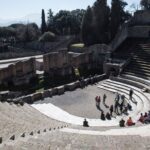
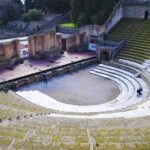
Pompeii had multiple theaters, and your guide will walk you through spaces where residents gathered for performances of tragedy and comedy. What's remarkable is understanding the scale of entertainment in an ancient city—theater wasn't a luxury for the wealthy but a regular part of community life. Your archaeologist guide can explain the acoustics, the social hierarchies reflected in seating arrangements, and how performances connected to religious festivals.
One traveler noted that their guide made the entire experience engaging: "His detailed observations and vivid depictions would inspire the most apathetic tourer." This is the difference between reading about theaters in a guidebook and actually standing in one while someone explains how the structure allowed voices to carry without modern amplification.
The Thermal Baths: Ancient Wellness Culture
The bathhouses reveal something surprising about Roman priorities. Residents didn't just bathe; they exercised, gossiped, and conducted business in these spaces. It was the ancient equivalent of a gym and social club combined. Your guide will point out the different temperature rooms (the progression from hot to cold water), the exercise areas, and the social dynamics that made baths central to daily life.
A family who took this tour mentioned that their children "were enthralled by all the incredible stories of Pompeii," which suggests guides are skilled at making these spaces come alive for travelers of all ages.
Local Businesses: Restaurants, Bars, and Shops
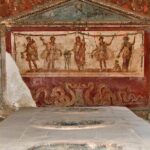
Unlike grand monuments, these small commercial spaces are what make Pompeii feel human. You'll see the remains of restaurants (called thermopolia) where workers grabbed quick meals, bars where residents drank wine, and shops selling food and clothing. These glimpses into ordinary commerce help you understand that Pompeii wasn't a city of temples and villas—it was a working town where people bought lunch and ran errands.
You can also read our reviews of more tours and experiences in Pompeii



The Gladiator Barracks and the Brothel
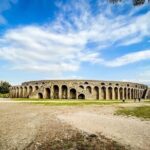
The tour includes the barracks where gladiators trained and lived, offering insight into what was essentially an ancient sports and entertainment industry. The brothel (Lupanare) is one of Pompeii's most visited locations, and your archaeologist guide will provide historical context rather than letting it devolve into titillation. Understanding the economics, the social status of workers, and the role of sexuality in Roman society adds depth to what could otherwise feel like a superficial tourist stop.
One reviewer praised their guide for being "very aware and conscientious of showing us the highlights without being caught up in crowds," which matters enormously at a site this crowded.
The House of Menander: Domestic Life
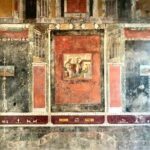
This preserved house offers a window into how wealthy Romans actually lived—the layout, the decorations, the space dedicated to different functions. Your guide will help you understand the distinction between the public-facing sections of the house (where clients were received) and the private family quarters.
Practical Considerations That Actually Matter
Getting There and Meeting Your Guide
You'll make your own way to Pompeii, which is straightforward from either Naples or Sorrento via the Circumvesuviana train to Pompei Scavi station. The tour company recommends you specify your mobile number at booking, which is sensible given that you're meeting a guide rather than checking in at a central location. The meeting point is near Hotel Vittoria, which is easy to find from the train station.
What to Bring and Wear
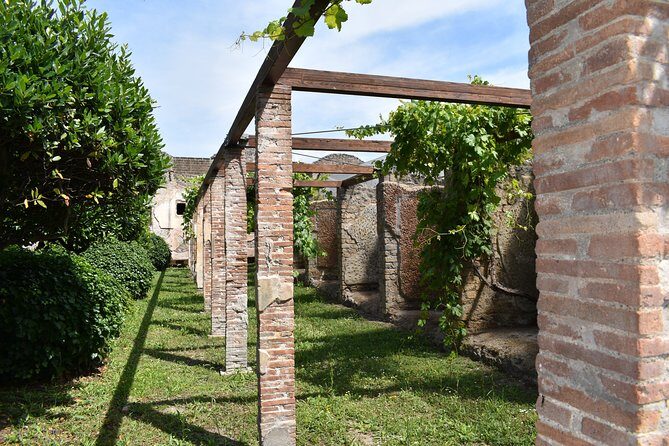
This might sound basic, but it matters: you'll be walking on actual lava rock and ancient Roman cobblestones. Comfortable, sturdy walking shoes aren't optional—they're essential. The tour operator specifically recommends bringing a hat for summer sun, which is practical advice for southern Italy where afternoon temperatures regularly exceed 85°F (29°C).
Group Size and Pacing
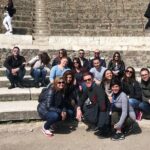
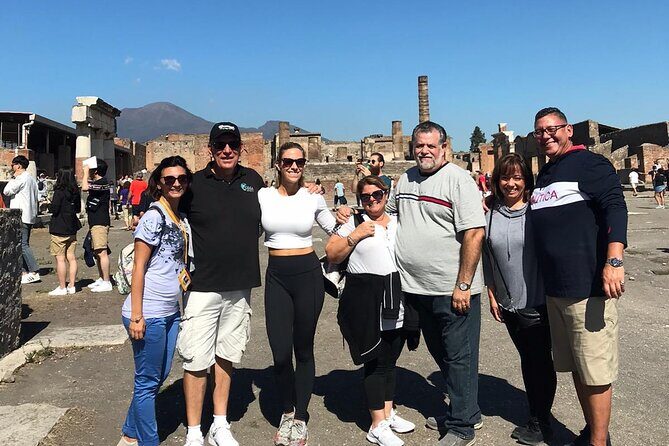
With a maximum of 16 people, you're getting something genuinely small-group compared to the 40+ person tours you'll see elsewhere. This matters for hearing the guide clearly (though ear sets are provided), for the guide's ability to adjust pacing based on the group's interests, and for the overall experience feeling more like a walk with a knowledgeable friend than a cattle-call tour.
One family noted that their guide "kept the tour so fun while we learned a lot" and was "inclusive of all," suggesting these guides are skilled at managing different energy levels and interests within the group.
The Two-Hour Duration
Two hours is enough time to see the major highlights and understand the essential layout of the city, but it's not enough to see everything. The site covers 66 acres, and you could easily spend a full day exploring. This tour is designed to give you the essential experience and context, after which you're equipped to either continue exploring on your own or move on to other activities. Several reviewers mentioned that their guide gave them suggestions for other places to visit after the tour, which is genuinely helpful for planning the rest of your day.
Price and Value Analysis
At $71.35 per person, this tour costs less than many European city walking tours, yet you're getting an actual archaeologist rather than a generic tour guide. That price includes both skip-the-line access and admission to the archaeological park, which separately would run you around $15-20 for entry alone. The skip-the-line component alone saves you 45 minutes to an hour, which has real value if you're on a tight schedule.
Group discounts are available, which matters if you're traveling with family or friends. For a family of four, you're looking at under $300 total for an expert-guided experience that would cost twice that with many other providers.
One traveler summed up the value nicely: "Well worth the cost." Another mentioned that it was "money well invested."
Who Should Actually Take This Tour
This tour makes sense if you're visiting Pompeii with limited time and want genuine understanding rather than surface-level sightseeing. If you have a full day to spend, you might prefer a longer tour or a combination tour that includes nearby Herculaneum.
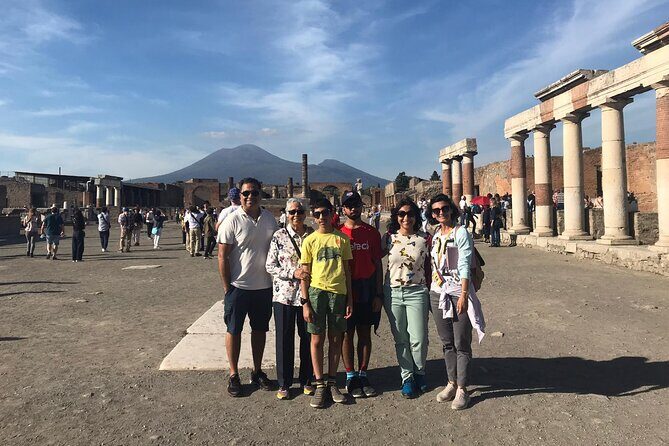
It's excellent for families with children old enough to walk comfortably for two hours (roughly ages 8 and up, though younger children can manage if they're used to walking). The guides are skilled at keeping children engaged with stories and details rather than just listing facts.
If you're a history enthusiast, the archaeologist guides will reward your interest with details and context you won't find in standard tours. If you're someone who prefers independence and doesn't enjoy organized tours, you might feel constrained by the group format, though the small size and guide mitigate this significantly.
The Cancellation Policy: Flexibility When You Need It
You can cancel up to 24 hours in advance for a full refund, which is genuinely generous and acknowledges that travel plans change. Weather cancellations are also covered with either a different date or full refund, which matters in southern Italy where summer thunderstorms can develop quickly.
Real Feedback from Actual Travelers
The 559 reviews with a 4.9-star average (531 five-star reviews, 20 four-star reviews, and just 8 reviews below that) tell a consistent story. Travelers praise the guides' knowledge, energy, and ability to make history tangible. One family wrote, "Our specialist tour guide Lello has kept us entertained with facts and stories told in a very approachable way. It was for sure money well invested."
Another traveler noted, "His deep subject matter expertise combined with his warm engaging personality and style made it easy to take away a wealth of knowledge and create a very memorable experience."
What's notable is that reviews consistently mention specific guides by name (Lelo, Italo, Leonardo, Cela), which suggests the tour company has built a reliable team rather than relying on whoever happens to be available that day.
Pompeii Skip-the-line Tour with Archaeologist Guide
"Our guide was very knowledgeable and had a good sense of humor. There were 8 of us and he was inclusive of all."
Frequently Asked Questions
Q: Do I need to arrange my own transportation to Pompeii?
A: Yes, you'll make your own way to the archaeological site. The Circumvesuviana train from Naples or Sorrento to Pompei Scavi station is the most practical option, and it's straightforward to navigate. The meeting point is near Hotel Vittoria, which is a short walk from the train station.
Q: Is the two-hour tour enough time to see everything?
A: The two-hour tour covers the major highlights and gives you a solid understanding of the city's layout and daily life. However, Pompeii spans 66 acres, so you could easily spend a full day exploring. Many guides recommend staying afterward to continue exploring on your own, and they'll point you toward additional sites worth visiting.
Q: What if I'm late or need to miss the tour?
A: The tour operator's policy is that there are no refunds for late arrivals or missed tours. Given that you're meeting a specific guide at a specific time, this makes sense operationally. Plan to arrive at least 10-15 minutes early to account for any unexpected delays.
Q: Are the ear sets really necessary?
A: The tour operator provides ear sets, and reviewers mention them positively. With a group of up to 16 people and outdoor acoustics, the ear sets ensure you can hear the guide clearly even if you're not standing directly next to them. This is particularly helpful if you're hard of hearing or if there's ambient noise from other travelers.
Q: Can I bring children on this tour?
A: Yes, children are welcome, and reviews from families are consistently positive. The guides are skilled at keeping children engaged. Comfortable shoes are important, and you should assess whether your child can comfortably walk for two hours on uneven surfaces.
Q: What's included, and what do I need to pay for separately?
A: Your tour price includes the guide and admission to the archaeological park. You'll need to arrange your own transportation to get there. Food isn't included, so you might want to grab lunch before or after the tour. There's limited food service at the site itself, so bringing water and snacks is practical.
This tour delivers genuine value for travelers who want to understand Pompeii rather than simply check it off a list. The combination of expert archaeologist guides, skip-the-line access, small group sizes, and reasonable pricing makes it one of the better-reviewed experiences in the region. It's particularly well-suited for travelers with limited time, families wanting educational context, and history enthusiasts who want more than surface-level sightseeing. With nearly 100% of travelers recommending it and consistently high reviews praising both the guides' expertise and engaging personalities, this is a tour that genuinely delivers on its promise.