Pompeii is one of those places where you can spend hours staring at stones and still miss the point. This small-group or private Pompeii tour keeps things focused with an archaeologist guide for 2–3 hours, plus time to explore on your own afterward.
What I like most is how quickly you get oriented to daily life, not just big-name ruins. You’ll walk past major anchors like the Forum, Great Theater, and the Lupanar, and you’ll see preserved wall art up close—frescoes and mosaics that make the city feel real.
One drawback to plan around: this is not an easy walk. There are steps, uneven ground, and some ramps, so it’s not suitable for wheelchair users or many mobility impairments.
- Key tour takeaways
- Pompeii with a real archaeologist in 2–3 hours
- Value check: what includes and why it matters
- Pick your pace: 2-hour highlights or 3-hour Villa of Mysteries
- Meeting point and getting inside fast (plus cloakroom tips)
- Porta Marina Superiore: your quick orientation to the city
- Forum and civic life: Basilica, courts, and the view of Vesuvius
- Temples, baths, and everyday services
- Theater time: the Great Theater and why it feels loud even now
- Homes and wall art: House of Menander, Faun, and Vettii
- Lupanar and the adult side of Pompeii
- Plaster casts and what they add to the story
- Villa of the Mysteries: the fresco stop in the 3-hour option
- How the tour stays manageable: headsets, crowd-avoidance, and pace
- After your guided walk: where to go next on your own
- Language, guide quality, and what travelers mention by name
- Practical rules and accessibility limits
- Who should book this Pompeii tour
- Should you book this tour or go solo?
- FAQ
- How long is the Pompeii tour?
- Is entry to Pompeii included?
- Do I skip the ticket line?
- Is transportation included?
- Can I choose a small group or a private tour?
- What languages are available?
- Are headsets provided?
- What’s the meeting point situation?
- What do I need to bring and have ready?
- What can’t I bring to the site?
- More Tours in Pompei Campania
- More Tour Reviews in Pompei Campania
Key tour takeaways
- Archaeologist-led explanations that help you read what you’re seeing instead of just sightseeing
- Porta Marina Superiore entry gives you a fast start in the ancient city
- Forum and Basilica stops to understand Pompeii’s public life
- Lupanar and House interiors bring daily culture and art into the story
- Optional 3-hour add-on includes the Villa of the Mysteries and its famous frescoes
Pompeii with a real archaeologist in 2–3 hours
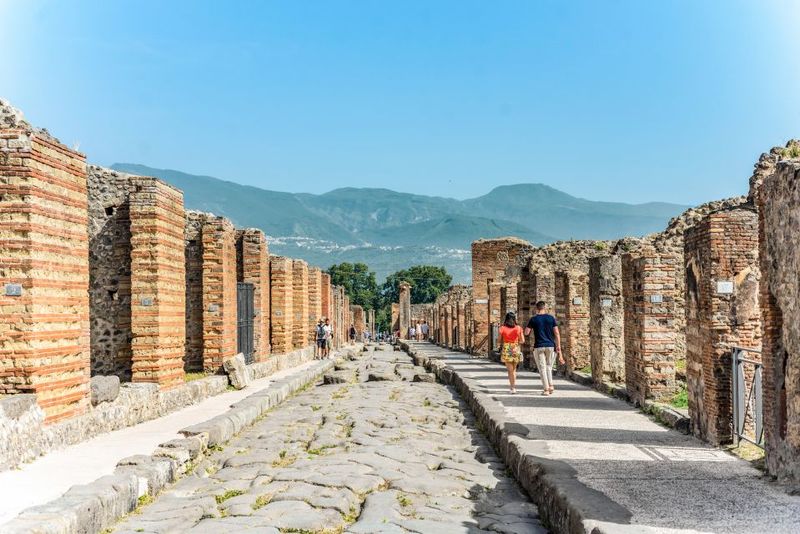
If you only do Pompeii on your own, it’s easy to wander and feel like you’re missing the plot. With this tour, you get a guided route shaped around how archaeologists interpret the city—where people lived, worked, shopped, worshipped, and gathered.
The timing is practical, too. You choose either a 2-hour format for key highlights or a longer 3-hour option that adds the Villa of the Mysteries. Then you’re free to stay inside the archaeological site after the official tour ends.
You can also read our reviews of more tours and experiences in Pompei Campania.



Value check: what $40 includes and why it matters
This tour lists at $40 per person, and that number works better once you see what’s included. You get the Pompeii Express entry ticket, skip the ticket line, and pay for guided time with an archaeologist—not just a general walking tour.
You also get headset support for larger groups (headsets are available for groups of 16 or more). And most importantly, the tour doesn’t “lock” you into a schedule after the guide finishes; you can keep exploring at your own pace.
Food and transportation aren’t included, so you’ll want to plan around water and snacks separately. But for a UNESCO site with real expert guidance, this tends to feel like good value.
Pick your pace: 2-hour highlights or 3-hour Villa of Mysteries
Choose the 2-hour tour if you’re trying to fit Pompeii into a busy day or you want to save energy for the rest of the park afterward. You’ll still enter through Porta Marina Superiore and cover the most memorable civic and residential stops.
Pick the 3-hour tour if the Villa of the Mysteries calls your name. This is the extra time that adds one more standout visual payoff—especially because the tour is built to keep fresco viewing manageable rather than rushed.
Both formats are designed for a guided “story first” experience. Then you decide what you want to repeat, linger on, or chase next.
Meeting point and getting inside fast (plus cloakroom tips)
The meeting point can vary depending on which option you book, and there are multiple starting locations listed around the area. Before you go, double-check the specific address tied to your booking so you don’t waste time searching.
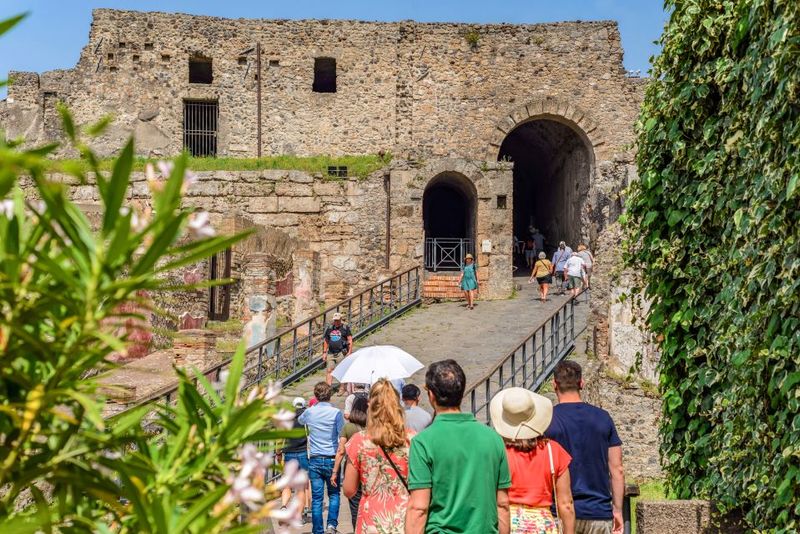
The tour also aims to reduce friction at the entrance: you skip the ticket line, and there’s a free cloakroom service near the Porta Marina Superiore entrance (subject to availability). That matters because luggage or large bags aren’t allowed on site.
If you arrive late, a couple of travelers have reported they were able to join the next available slot or catch up, but I’d still treat punctuality as your best friend here.
Porta Marina Superiore: your quick orientation to the city
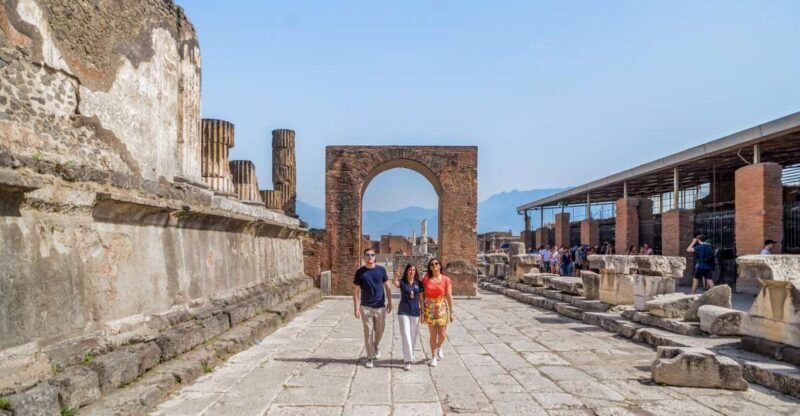
You start by entering Pompeii at Porta Marina Superiore, one of the city’s main gates. This isn’t just a dramatic entrance—it’s a smart way to orient yourself. From the beginning, your guide frames what this gate connected to and what the surrounding areas were like in Roman times.
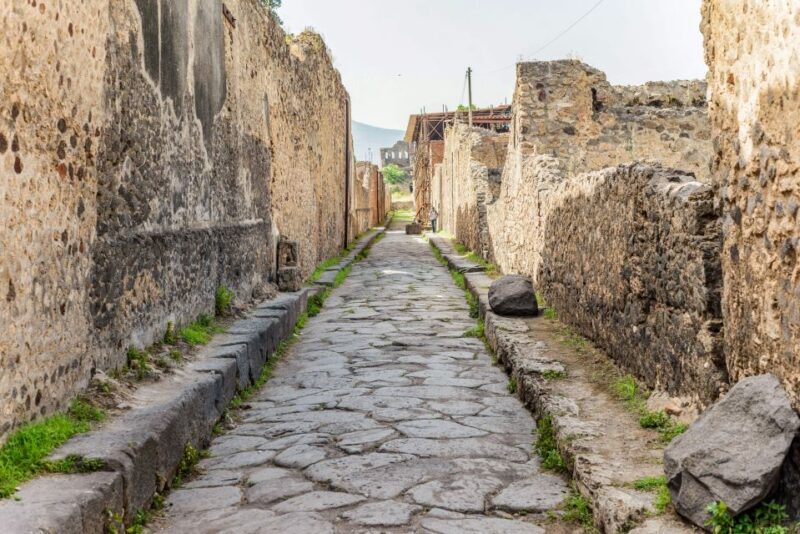
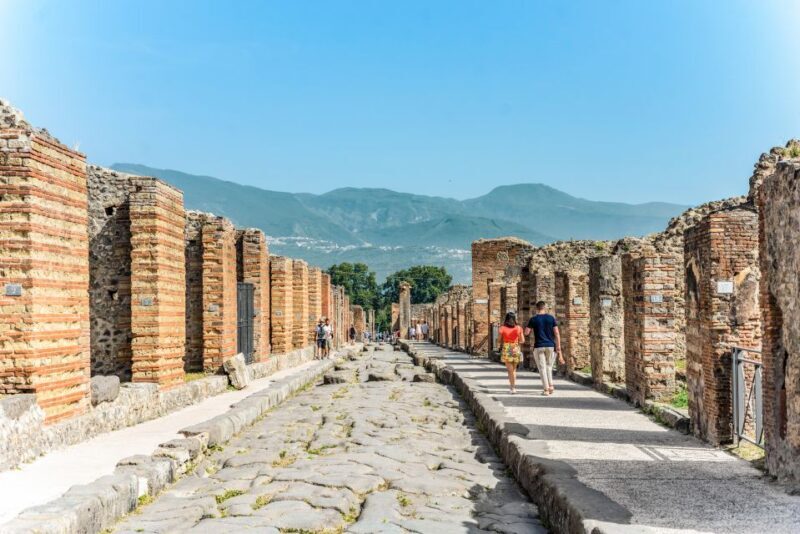
Then you begin moving through the city’s core streets toward the Forum zone. Even if you’ve seen photos online, the guide’s orientation helps you understand where you are in relation to the civic heart of Pompeii.
This is also where you learn a key travel skill: what to notice. Travelers often come away saying they spotted details they would have walked right past—like small architectural clues and the difference between public space and private space.
Forum and civic life: Basilica, courts, and the view of Vesuvius
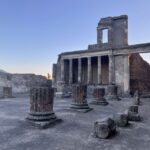
The route centers on the Forum, the old heart of the city and the center of public life. This is where you understand how Pompeii worked as a social machine: business, legal affairs, and gatherings all tied together in one area.
Expect stops that explain civic and religious structure, including the Basilica and other public buildings. One of the best moments is the perspective over the city with Mount Vesuvius in view, which helps you connect the place to the eruption that preserved it.
This part of the tour is where expert storytelling really pays off. It’s not only what you see, but why those spaces mattered to daily life.
Temples, baths, and everyday services
Pompeii isn’t only fancy houses and artwork. A big part of what makes it human is the “in-between” places: temples, baths, and services people used every week.
On this tour, you can pass by sites tied to worship like the Temple of Apollo and Temple of Jupiter. You’ll also see areas connected to daily routines, including thermal baths and a bakery—details that help you picture what life felt like beyond major monuments.
Your guide’s job here is to prevent you from treating Pompeii like a museum of isolated buildings. Instead, you start seeing it as a lived city with rhythms—morning bustle, public meetings, bathing, shopping, and worship.
Theater time: the Great Theater and why it feels loud even now
The Great Theater (and Pompeii’s broader performance culture) is often a highlight because it gives you scale. It’s easier to understand community life when you can picture people gathering for shows, speeches, and events.
As you move through, your guide points out how the theater fits into the larger city layout. That “placement” detail makes a huge difference on a site this large.
If you’re a detail person, you’ll also appreciate how guides encourage you to look at small features rather than just admire the big shape. It’s one of the reasons travelers mention they learned what to notice and how to spot meaningful cues.
Homes and wall art: House of Menander, Faun, and Vettii
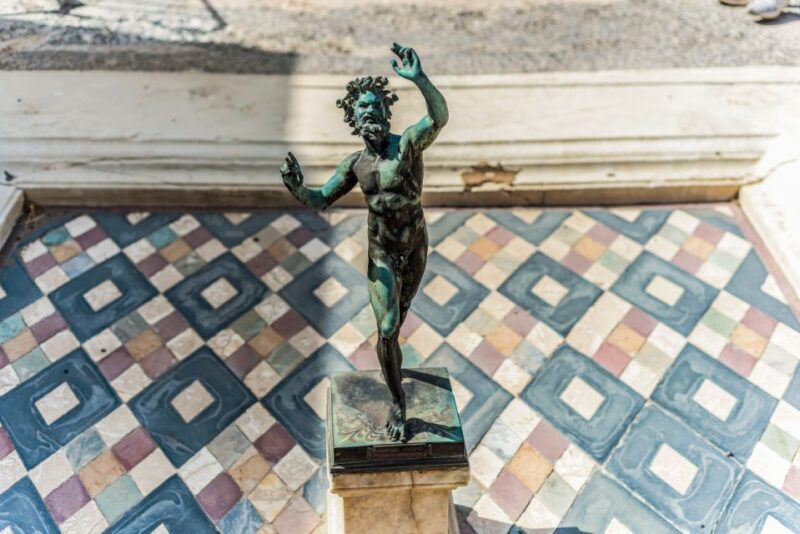
Pompeii’s houses are famous for a reason: they’re where art and personality show up. You may visit interiors tied to households such as the House of Menander, House of the Faun, and the House of the Vettii.
This tour aims to bring those spaces to life through what the walls actually contain—well-preserved frescoes, mosaics, and decorative artwork. Seeing these elements up close is a different experience than reading about them or seeing them in a distant photo.
One travel pattern shows up often: people do the guided tour, then return to the homes they found most interesting. That’s exactly what this format is built for—learn the vocabulary, then spend your free time where you felt the most curious.
Lupanar and the adult side of Pompeii
The Lupanar (a well-known brothel in Pompeii) is part of the highlights on this tour. Your guide explains where it fits in the city’s economy and social world, including how the name relates to the place.
It’s also one of the stops where the content can feel sensitive depending on your comfort level. Some travelers note the tour handles adult themes and graffiti with sensitivity, and that kids in the group mostly missed the context—but it still depends on your family.
If you’re traveling with children, it’s smart to mentally prepare for this stop and consider the maturity level of your group.
Plaster casts and what they add to the story
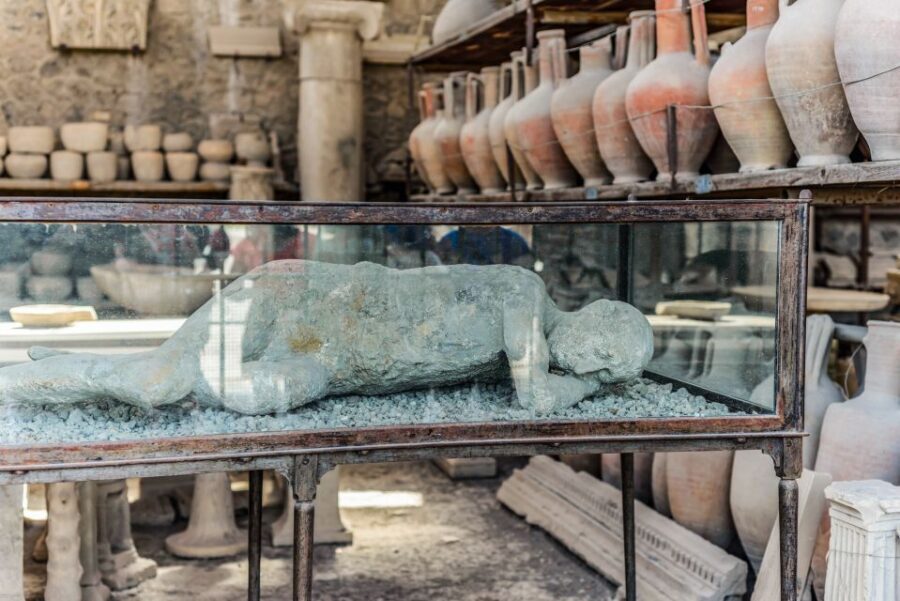
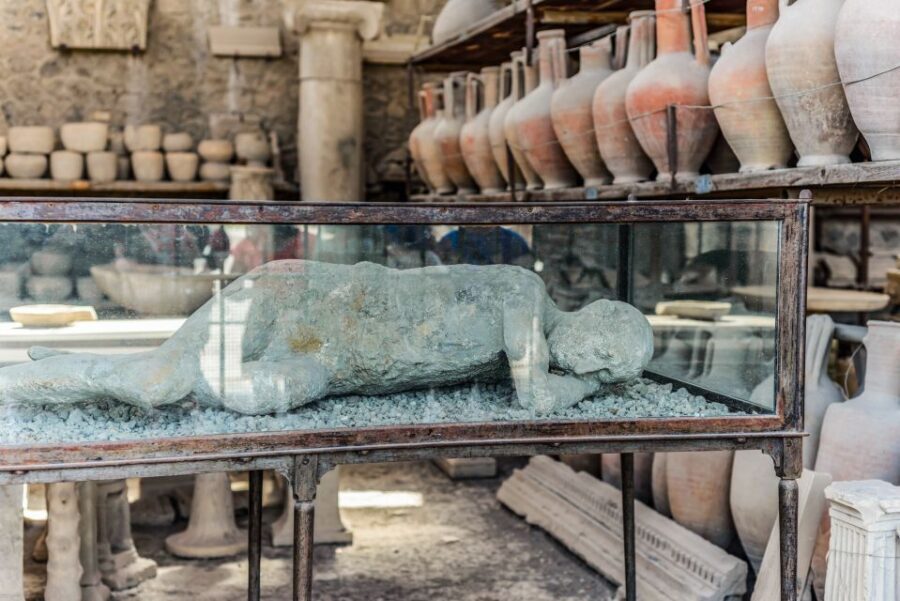
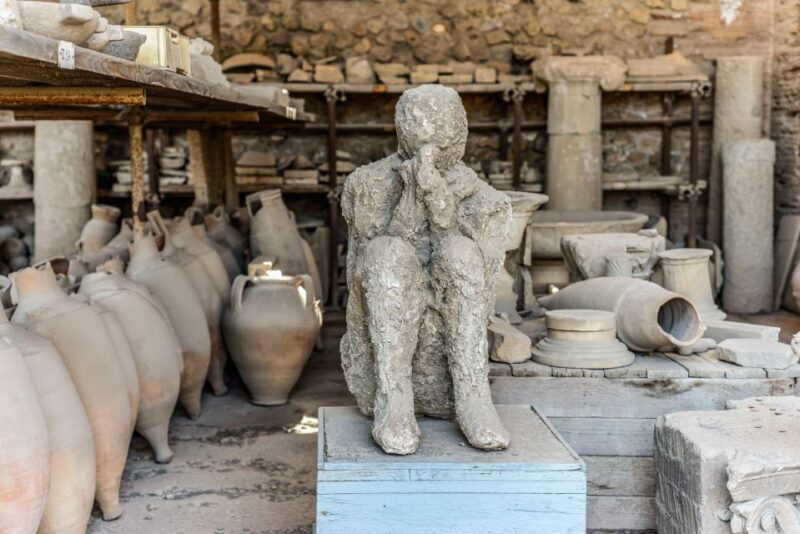
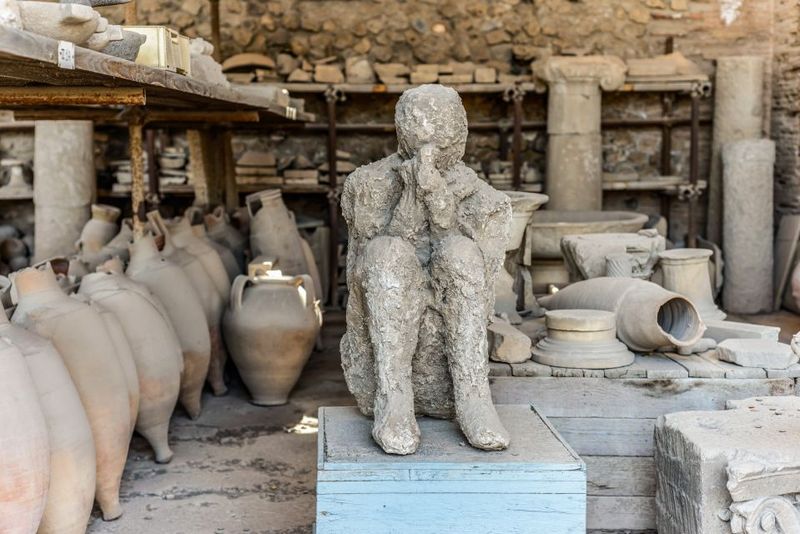
One of Pompeii’s most haunting features is the story told through casts of people who were there at the time of the eruption. This tour includes time to see plaster casts and connect them to what you’re standing on.
A practical heads-up from visitor experience: plaster casts are not shown everywhere in the dwellings the way some people expect. Travelers have reported that the main casts are displayed in sealed glass cases (a limited number), rather than scattered through multiple rooms.
So if you’re picturing cast figures as a roaming walk-through display, adjust expectations. The value is still big, but it’s more focused and centralized than some first-time visitors expect.
Villa of the Mysteries: the fresco stop in the 3-hour option
If you book the longer tour, the Villa of the Mysteries becomes the final “visual payoff” stop. It’s known for frescoes, and the guide’s job is to help you read what you’re seeing instead of letting it blur into background decoration.
This stop works well near the end because your guide has already given you context about Pompeii’s culture and domestic life. By then, the artwork isn’t random. You start noticing patterns, symbols, and the care that went into wall painting.
Even if you’re not a hardcore art person, travelers consistently describe this as a special add-on that makes the extra hour feel worth it.
How the tour stays manageable: headsets, crowd-avoidance, and pace
Pompeii can feel like a lot, mainly because the site is large and the crowds change hour to hour. Guides often try to keep you moving in a way that avoids the worst congestion, which can make the tour feel smoother than doing it entirely on your own.
You’ll also have headsets available for larger groups, which helps you hear clear explanations even in busy areas. Still, one traveler mentioned an accent made parts harder to catch, but the guide checked in and made sure everyone understood.
The walking pace is generally manageable for most able-bodied travelers, but remember: Pompeii has steps and uneven ground. This is a “real site” experience, not a flat museum stroll.
After your guided walk: where to go next on your own
One of the smartest parts of this tour is that you get freedom after the official guide time. You’re not stuck in a strict timeline where you only see what the guide points at.
Use the guide’s tips to aim your extra time. Many people end up spending most of their energy revisiting the homes or streets they found most compelling—especially once they know what details matter.
If you want a simple plan: focus on the area you already visited while it’s still fresh in your mind. Then branch out to nearby sights on your own. You’ll understand more the second time through.
Language, guide quality, and what travelers mention by name
Guides are the main reason this tour earns high praise. Travelers mention archaeologists with strong storytelling and a clear ability to teach you how to see Pompeii as a living city.
Names that have popped up include Roxanne, Alexandra, Alessandra, Paulo (Pablo), Armadeo, Alfredo, Teresa, Anna, Mario, Nicoletta, and Antonella. One traveler specifically mentioned Teresa had worked on excavations, and that hands-on expertise showed in the way she explained details.
Also note the language detail: shared group and private options don’t always offer the same languages, so choose based on your comfort level. The tour lists French, Spanish, German, Portuguese, English, and Italian.
Practical rules and accessibility limits
Plan this like a real site visit. Here’s what you need to know: no smoking, no luggage or large bags, and no mobility scooters. You’ll also need an ID card or passport (a copy is accepted).
Mobility is the biggest limitation. The tour is not recommended for travelers with mobility issues or impairments because of steps, ramps, and some steep climbs. Reviews echo this concern, with warnings about uneven terrain and the number of steps involved.
If accessibility matters for you, it’s worth checking alternative Pompeii options designed for mobility needs. This one is not built for that.
Who should book this Pompeii tour
This is ideal if you want a smart start and a better return on your time. You’ll likely enjoy it if you like history, art details, and city planning—but you also want someone to translate it into real life.
It’s a good fit for couples and families who want the big highlights and a guide who can handle tough questions with tact. It can also work well for repeaters who already know Pompeii basics and want expert direction toward the details they missed.
If you hate crowds and tight schedules, the guided approach plus the option to explore afterward is a solid mix. Just remember the park is large, so you should still plan for walking.
Should you book this tour or go solo?
Book it if you want Pompeii to make sense fast. For the $40 price point, you’re getting entry included, a guided route with an archaeologist, and the chance to keep exploring afterward. The best part is not speed—it’s clarity.
Skip it (or consider alternatives) if mobility is a serious issue or if you need a fully step-free experience. Also, if you’re extremely sensitive about adult-themed stops like the Lupanar, think carefully about whether your group can handle it comfortably.
If you do book, pick the time that leaves room for your own wandering afterward. You’ll get the most value by treating the tour as your map, then using your extra time to follow what genuinely interests you.
Pompeii: Small Group Tour with an Archaeologist
FAQ
How long is the Pompeii tour?
It runs about 2 hours for the standard guided visit, with an option up to 3 hours if you include the Villa of the Mysteries.
Is entry to Pompeii included?
Yes. The Pompeii Express entry ticket is included with the tour.
Do I skip the ticket line?
Yes, the tour includes skipping the ticket line.
Is transportation included?
No. Transportation isn’t included, so you’ll need to handle getting to the meeting point yourself.
Can I choose a small group or a private tour?
Yes. You can choose a shared small-group option or a private group option.
What languages are available?
The live guide is available in French, Spanish, German, Portuguese, English, and Italian.
Are headsets provided?
Headsets are available for groups of 16 or more.
What’s the meeting point situation?
The meeting point may vary depending on the option booked, and you should confirm the exact starting location for your reservation.
What do I need to bring and have ready?
Bring a passport or ID card. A copy is accepted.
What can’t I bring to the site?
Smoking is not allowed. Luggage or large bags, mobility scooters, and large dogs (over 10 kg) are not allowed.
You can check availability for your dates here: