
When you’re planning a Rome visit, the question isn’t whether to take a food tour, but which one deserves your time and money. After reviewing hundreds of traveler experiences, we’re genuinely impressed by what Gourmetaly’s Campo de’ Fiori, Ghetto, and Trastevere tour delivers. We love that this experience manages to be simultaneously generous with food—15 tastings across five stops—while maintaining an intimate atmosphere with groups capped at just 12 people. We’re equally enthusiastic about how the tour weaves together culinary education with genuine Roman history, so you’re not just eating, you’re understanding the cultural context behind every bite.
That said, there’s one consideration worth noting upfront: this tour requires a reasonable amount of walking through Rome’s characteristically uneven cobblestone streets, and it’s not ideally suited for vegans or those with serious food allergies. But if you’re a curious eater who wants to experience Rome like locals actually live it—hitting family-owned shops, historic bakeries, and neighborhood restaurants rather than tourist traps—this tour is exactly what you’ve been looking for.
- What Makes This Tour Worth Your Time
- The Itinerary: Where You’ll Go and Why It Matters
- The Guides: Your Window Into Local Rome
- Practical Considerations
- What Travelers Are Actually Saying
- The One Negative Review Worth Noting
- Value Analysis: Is It Worth ?
- Who Should Book This Tour
- Booking and Logistics
- Frequently Asked Questions
What Makes This Tour Worth Your Time
At $88.28 per person for 3.5 hours of guided food exploration, wine tastings, and culinary history, you’re looking at roughly $25 per hour of experience. But that math undersells what’s actually happening here. You’re paying for access to places that travelers typically never find, insider knowledge from someone who actually lives and eats in Rome, and a carefully curated sequence of tastings that would cost you substantially more if you attempted to piece together the same experience on your own.
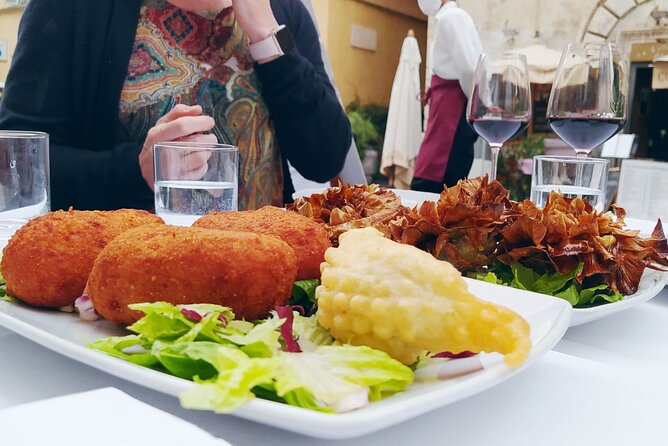
The real value becomes obvious when you consider what’s included. Fifteen food tastings isn’t an exaggeration—the tour delivers quantity without sacrificing quality. You’re tasting seasonal vegetables at the Campo de’ Fiori market, authentic Roman pizza from a bakery that’s been operating since before many of Rome’s famous monuments were restored, risotto balls and fried artichokes from the Jewish Quarter, house-made pasta paired with wine, and finishing with gelato from a gelateria where the owner won a gold medal for best gelato in the world. That’s not a gimmick; that’s genuine curation.
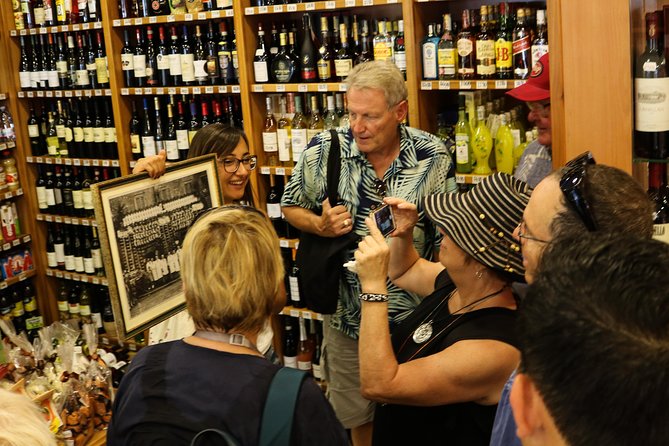
The wine tastings deserve special mention. Rather than a single wine bar experience, you’re tasting different wines at different stops, which gives you context for how Romans actually drink—wine is integrated into meals and social moments, not consumed in isolation. One reviewer noted, “You won’t need lunch after you’ve been on this tour,” which is both a practical consideration and a testament to the generosity of portions.
The Itinerary: Where You’ll Go and Why It Matters
The tour starts at Piazza Farnese, a relatively quiet square that gives you breathing room before diving into Rome’s more chaotic tourist zones. Your guide—and the quality of guides consistently impresses across reviews—will brief your small group on what’s ahead. This setup matters because it establishes the tone: this is intimate, educational, and intentional.
Campo de’ Fiori and the Market Experience
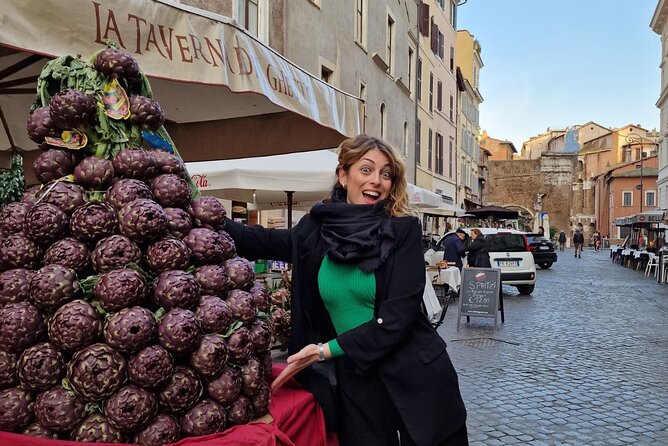
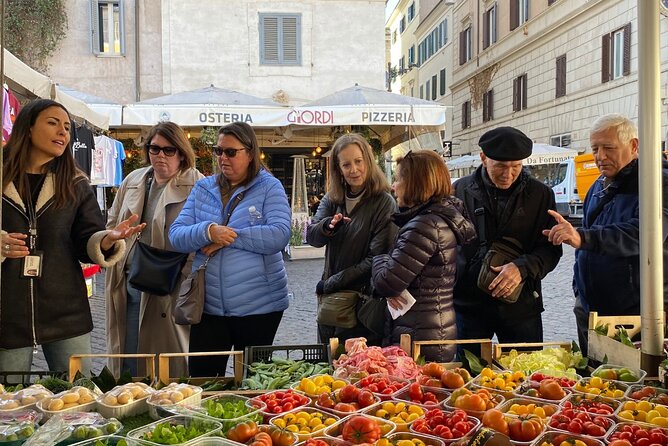
Your first real stop is Campo de’ Fiori, one of Rome’s most vibrant markets. If you’re arriving in the morning (the market visit is exclusive to morning tours), you’ll see the square transformed into a explosion of color—vendor stalls overflowing with seasonal produce, meats, and cheeses. The tour doesn’t just walk you through; your guide explains what’s in season, how Romans use different ingredients, and the practical choices that shape Roman cooking.
This matters more than it might initially seem. Roman cuisine is profoundly seasonal and ingredient-driven. Understanding why artichokes appear in spring or why certain vegetables dominate winter menus helps you understand not just what Romans eat, but how they think about food. One reviewer with experience on other food tours across Italy noted that this market visit helped her “understand what distinguishes Roman cuisine from that of northern Italy.”
From the market, you’ll stop at the Statua di Giordano Bruno, a monument that marks a darker historical moment—Bruno was executed here during the Inquisition. Your guide connects this history to the food traditions of the square, which sounds like an odd pairing until you realize that understanding a place’s history fundamentally changes how you taste its food.
The Grocery Stores and Bakery
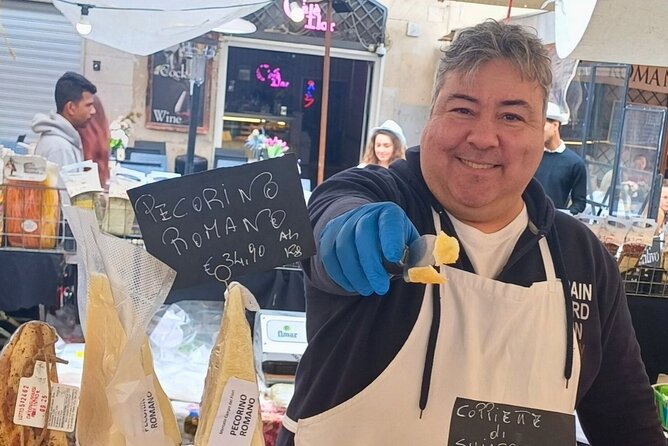
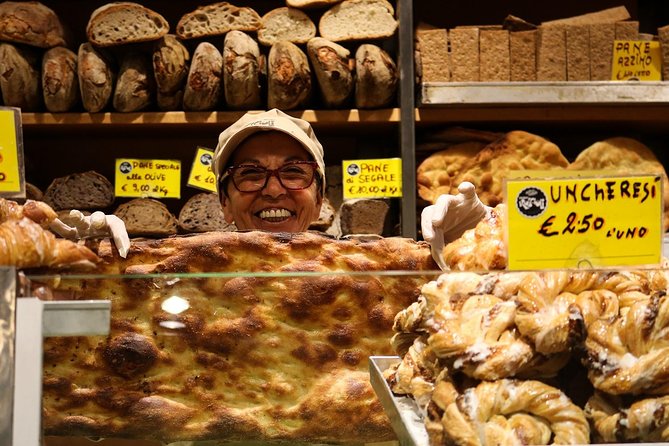
Next comes a stop at Pizzicheria Ruggeri, an ancient grocery store where you’ll meet the family that runs it and taste their specialties. These aren’t corporate chain stores; they’re family operations that have been serving the same neighborhood for generations. You’ll taste guanciale (cured pork jowl), salami, and prosciutto—the holy trinity of Roman meat preparations.
Then you’re at Antico Forno Roscioli, Rome’s oldest bakery. Here you’ll taste authentic Roman pizza—not the puffy Neapolitan style you might expect, but the thin, crispy Roman style that locals actually eat. One reviewer who’d done extensive food touring in Tuscany mentioned that while some elements didn’t meet their expectations, “the pizza was excellent.” Roman pizza is distinctive enough that tasting it in its original context, from the oldest bakery in the city, gives you a reference point you can’t get anywhere else.
The Jewish Quarter: History and Flavor
The tour then moves into the Antico Quartiere Ebraico—the Jewish Ghetto. This neighborhood carries significant historical weight. Rome’s Jewish community was confined to this area for centuries, and the history is palpable as you walk narrow streets and see buildings that rise higher than typical Roman architecture (a direct result of the spatial restrictions imposed on the ghetto).
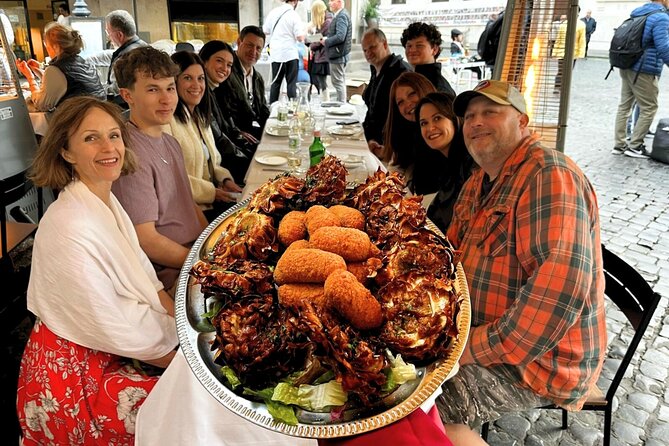
You’ll stop at Il Portico di Ottavia for fried specialties—likely fried artichokes or zucchini flowers depending on the season. These aren’t fancy preparations; they’re the food of a community making the most of available ingredients within constraints. A reviewer noted that the guide “gave us a ton of history,” and in this neighborhood, the history and food are genuinely inseparable.
You’ll also walk across the Ponte Fabricius to Tiberina Island, Rome’s only island. It’s a brief stop, but it’s geographically and historically significant—and it gives you a moment to process the walking and eating before the next phase.
Trastevere: Wine and Pasta
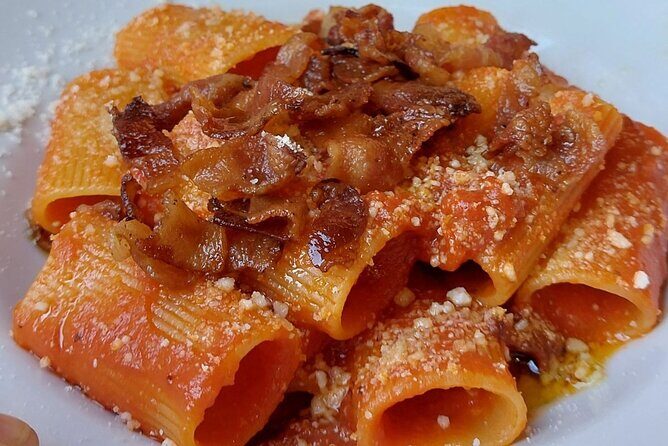
The final neighborhood is Trastevere, where you’ll have a special pasta and wine pairing experience at a restaurant. This is where the tour shifts from sampling to actually sitting down for a proper meal. The pasta dishes—typically cacio e pepe and amatriciana—are Roman classics, and they’re paired with wine selected specifically for the meal.
Cacio e pepe deserves a moment of explanation for those unfamiliar with Roman cuisine. It’s deceptively simple: just pasta, Pecorino Romano cheese, and black pepper. The magic is in the technique and the quality of ingredients. One reviewer mentioned that on another tour, the sauce was “too much” on the cacio e pepe, which suggests that execution matters significantly. On this tour, you’re eating it in context, from experienced restaurants, which means you’re tasting it done properly.
The Gelato Finale
The tour concludes at Fiordiluna, where you’ll taste gelato from Eugenio Morrone, who won a gold medal in 2020 for best gelato in the world. This isn’t hyperbole—the award is real. Ending with this experience rather than with a coffee or digestivo is a smart choice because gelato is distinctly Roman and distinctly delicious.
The Guides: Your Window Into Local Rome
If there’s a standout element across the hundreds of reviews, it’s the quality and personality of the guides. Travelers mention guides by name—Natalia, Clelia, Andy, Lisa, Anastasia, Luca, Silvia—and consistently describe them as knowledgeable, warm, and genuinely passionate about what they’re sharing.
One reviewer wrote: “Lisa was an exceptionally warm and engaging tour guide whose deep knowledge truly elevated the experience. She brought the tour to life with her extensive understanding of Roman history and culture, complemented by a remarkable depth of personal cooking expertise.” Another noted that their guide “shared fascinating bits of Roman history and culture between delicious bites at prepared stops.”
This consistency isn’t accidental. The company appears to hire people who actually care about food and history, not just people who can recite facts. When a guide is genuinely enthusiastic about what they’re showing you, it changes the entire experience. You’re not just eating; you’re learning from someone who understands why these foods matter.
Practical Considerations
Group Size and Pacing
The 12-person maximum is genuinely meaningful. It’s small enough that your guide can manage the group effectively and actually have conversations with you, but large enough that it doesn’t feel awkwardly intimate. One reviewer who ended up as part of a two-person group noted it was “filled with great history, amazing food, and wonderful one on one conversation with our guide,” while others appreciated the small-group dynamic without being the only tour participants.
The pacing matters too. The tour is 3.5 hours, which sounds manageable until you realize you’re walking through multiple neighborhoods, stopping at five different locations, and consuming a substantial amount of food. Reviewers consistently mention never feeling rushed, which is a testament to how the tour is structured. One traveler in their mid-60s noted they covered “a lot of territory but at a comfortable pace, never felt rushed or out of breath.”
Weather and Walking
The tour operates in all weather conditions, which is practical but worth preparing for. One reviewer experienced rain but noted that their guide “Andy was incredibly knowledgeable about the history in the area, the different kinds of foods we were trying and always lightened up the mood given the weather.” That said, you’ll want comfortable walking shoes—Rome’s cobblestones are notoriously unforgiving, and the tour involves significant walking.
Dietary Restrictions
The tour can accommodate vegetarian and dairy-free options if you request them when booking. However, it’s explicitly not recommended for vegans, and travelers with serious food allergies should contact the company directly. The tour involves tastings at five locations, and while the company tries to accommodate, the nature of the experience makes it challenging if you have multiple restrictions.
Timing and Booking
On average, this tour is booked 57 days in advance, which suggests it’s popular enough that you should plan ahead, especially if you have specific dates in mind. The morning tour includes the Campo de’ Fiori market visit, which is a significant advantage—the afternoon tour skips the market and gives you free time to browse local shops instead. If you want the full market experience, book the morning option.
What Travelers Are Actually Saying
Beyond the numerical rating of 4.8/5 across more than 3,200 reviews, the actual feedback reveals what matters to people who’ve done this tour. The most common themes are: guides, authentic food experiences, interesting history, generous portions, and good value for the money.
A few representative quotes capture the experience well:
“Excellent tour with a guide who showed us areas we had not been to before and where we had lovely food.” This is the baseline—you’re getting both the food and the access to neighborhoods you wouldn’t find on your own.
“We had an excellent guide Clelia who gave us a ton of history and some helpful tips for the rest of our trip. The food was excellent! A must do while in Rome.” The “helpful tips for the rest of our trip” detail matters—good guides don’t just show you one tour; they help you understand Rome more broadly.
“Our guide, Luca, was a native Roman and gave historical details. Local food was good.” That “native Roman” detail is significant. You’re getting perspective from someone who actually lives in these neighborhoods and eats this food regularly, not someone who learned a script.
One reviewer with significant food-touring experience noted: “After five stops, I had absolutely no room left!” which is worth considering if you’re planning lunch or dinner before or after the tour. You genuinely won’t need another meal for several hours.
The One Negative Review Worth Noting
Among the 3,205 reviews, there’s a 2-star review from someone who’d done extensive food touring in Tuscany and found the food “mediocre” compared to their expectations. They mentioned “greasy artichokes” and “too much sauce on cacio e pepe.” The company responded thoughtfully, acknowledging the feedback and suggesting they’d review their restaurant selections.
This single negative review against thousands of positives is worth considering contextually. Food preferences are genuinely subjective, and someone with extensive culinary touring experience might have different expectations than a first-time food tour participant. That said, it’s worth being aware that this tour caters to authentic, traditional Roman food rather than innovative or elevated cuisine.
Value Analysis: Is It Worth $88?
Here’s the honest breakdown: if you attempted to visit these five locations independently, order individual tastings at each, and pay for wine, you’d easily spend $150-200 per person. The tour’s value comes from several places: the guide’s knowledge and access (restaurants likely give tour groups better pricing and preparation), the curation (you’re not wasting time on mediocre spots), and the education (understanding why you’re eating what you’re eating enhances the experience).
But the real value might be something less tangible. You’re getting insider access to how Romans actually eat. You’re learning about neighborhoods most travelers skip. You’re tasting food from family-owned businesses that have been operating for decades or centuries. You’re understanding the connection between history, geography, and cuisine.
That’s worth $88.
Who Should Book This Tour
Book this tour if you:
– Actually care about food and want to understand what you’re eating, not just consume it
– Are interested in Roman history and culture, not just checking boxes
– Prefer small-group experiences where you can have actual conversations with your guide
– Want to support family-owned, local businesses rather than tourist-oriented chains
– Have time for a 3.5-hour walking experience and don’t mind cobblestones
– Enjoy wine and can appreciate how it’s integrated into meals
Skip this tour if you:
– Are vegan or have serious food allergies that severely restrict what you can eat
– Prefer large-group experiences or moving quickly through many locations
– Are looking for fine dining or elevated cuisine rather than traditional neighborhood food
– Have limited mobility and struggle with uneven terrain
– Want to maximize the number of attractions visited in a short timeframe
Booking and Logistics
The tour starts at Via dei Baullari, corner of Via dei Baullari, near a newspaper stand in Piazza Farnese. You’ll receive a mobile ticket confirmation at the time of booking. The tour ends in Trastevere (Via della Lungaretta), which is worth noting if you’re planning to continue exploring that neighborhood afterward.
The company offers free cancellation up to 24 hours before the tour, which gives you flexibility if plans change. They’ve also included a free restaurants guidebook and cookbook for all participants, which is a nice touch for extending your food education beyond the tour itself.
This tour represents genuine value for travelers who want to experience Rome like locals, understand the food they’re eating, and support small family businesses rather than tourist operations. The combination of guides, generous food tastings, wine pairings, and historical context makes it one of the most consistently praised food experiences in Rome. With a 96% recommendation rate and thousands of glowing reviews, it’s not hype—it’s the result of thoughtful curation and guides who actually care about what they’re sharing. Whether you’re a serious food enthusiast or someone who simply wants to eat well and learn something about the city, this tour delivers on both fronts.
Rome Food Tour: Campo de’ Fiori, Ghetto, Trastevere Winner 2024
Frequently Asked Questions
How much food will I actually eat on this tour?
The tour includes 15 food tastings across five different locations, plus three wine tastings. Most reviewers mention being completely satisfied (one said they had “absolutely no room left”) and not needing another meal for several hours afterward. Portions are generous throughout.
Are the guides actually knowledgeable, or is it just good marketing?
Based on hundreds of reviews, the guides are consistently praised for deep knowledge of both food and Roman history. Travelers mention specific guides by name and describe them as warm, engaging, and genuinely passionate. The company appears to hire people who actually care about food and history, not just people reciting scripts.
Will I be able to handle the walking?
The tour involves walking through multiple neighborhoods with cobblestone streets and some uneven terrain. Most reviewers note a comfortable pace that doesn’t feel rushed, but you should wear comfortable walking shoes. One reviewer in their mid-60s completed it without difficulty, though mobility-challenged travelers are encouraged to book the private option.
What if I’m vegetarian or have dietary restrictions?
Vegetarian and dairy-free options are available if you request them when booking. The tour is explicitly not recommended for vegans. If you have serious food allergies (nuts, soy, gluten, etc.), contact the company before booking to discuss whether the tour is feasible for your situation.
Is the morning or afternoon tour better?
The morning tour includes a visit to the Campo de’ Fiori market, which is a significant advantage for understanding seasonal ingredients and seeing how Romans shop. The afternoon tour skips the market but gives you free time to browse local shops instead. If you want the full experience, choose the morning option.
How big are the groups?
Groups are capped at 12 people maximum, which is small enough for personal attention but large enough that you’ll likely meet other travelers. Some groups are smaller, and one reviewer noted being part of a two-person group.
Will I understand the history, or is it just background noise?
Multiple reviewers specifically mention learning significant history about the neighborhoods, particularly regarding the Jewish Ghetto and the historical context of Campo de’ Fiori. Guides weave history throughout the tour in ways that connect to the food and culture, making it educational rather than superficial.
What’s included, and what costs extra?
The $88.28 price includes 15 food tastings, three wine tastings, the guide, and a free restaurants guidebook and cookbook. Soft drinks are available at your own expense. Hotel pickup and drop-off are not included, but the tour is near public transportation.
How far in advance should I book?
On average, the tour is booked 57 days in advance, suggesting it’s popular enough that you should plan ahead, especially for specific dates. Booking further in advance also gives you time to arrange transportation and plan the rest of your Rome itinerary.
What if the weather is bad?
The tour operates in all weather conditions. One reviewer experienced rain and noted that their guide handled it well and kept the group comfortable. Dress appropriately for the weather, and bring an umbrella or rain jacket if rain is forecast.
Can I book this if I have a food allergy?
The tour explicitly states that people with certain allergies (nuts, faba beans, soy, and other dangerous allergens) cannot participate. If you have a mild allergy or restriction, contact the company directly to discuss whether accommodation is possible. Celiac disease and vegan diets are suggested to book the private tour option instead.