
When you’re exploring South West England, most travelers gravitate toward the Cotswolds or Bath’s Roman ruins. But if you’re the kind of visitor who finds genuine fascination in understanding how societies actually functioned—including the darker chapters—Shepton Mallet Prison offers something genuinely compelling. We’ve found this guided tour to be an unexpectedly gripping experience that reveals layers of British social history most travelers never encounter.
What makes this tour particularly special is that your guides are ex-prison officers who actually worked these walls. These aren’t historians reading from scripts; they’re former staff who can share firsthand observations about daily life behind bars and the human stories embedded in these 400-year-old structures. The second standout element is the sheer authenticity of wandering through the actual cells, execution sites, and institutional spaces—you’re not looking at a sanitized museum recreation, but the real, atmospheric building where people were actually imprisoned.
The main consideration worth noting is that the prison can be genuinely cold, especially on windy days, and the subject matter is deliberately dark and sometimes harrowing. This tour works best for travelers with historical curiosity who aren’t squeamish about confronting uncomfortable aspects of penal history, and who appreciate learning from someone with genuine insider knowledge rather than following a generic guidebook narrative.
- What You’re Actually Getting for Your Money
- Meeting Logistics and Getting There
- The 90-Minute Experience Breakdown
- Why the Guides Make All the Difference
- The Atmosphere and What to Expect Physically
- What the Reviews Reveal About Value
- Who This Tour Is Actually For
- Practical Booking Details
- Contextualizing the Experience in Your Itinerary
- Final Thoughts on the Experience
- Frequently Asked Questions
What You’re Actually Getting for Your Money
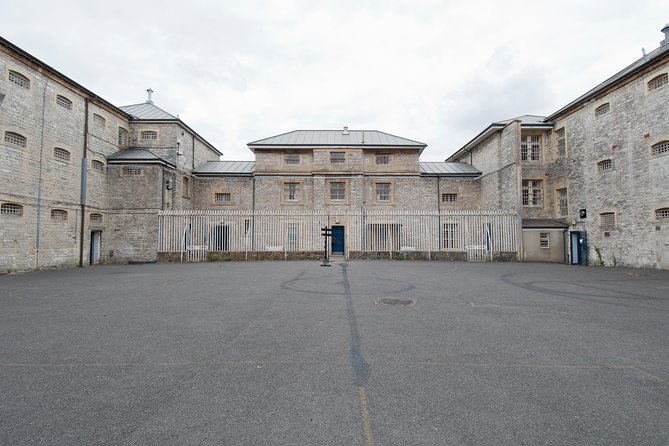
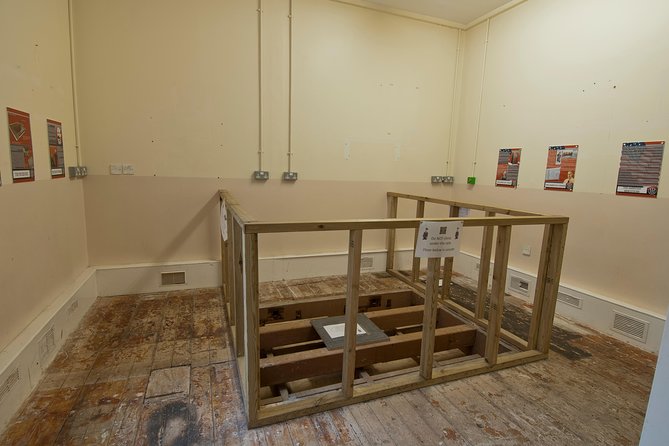
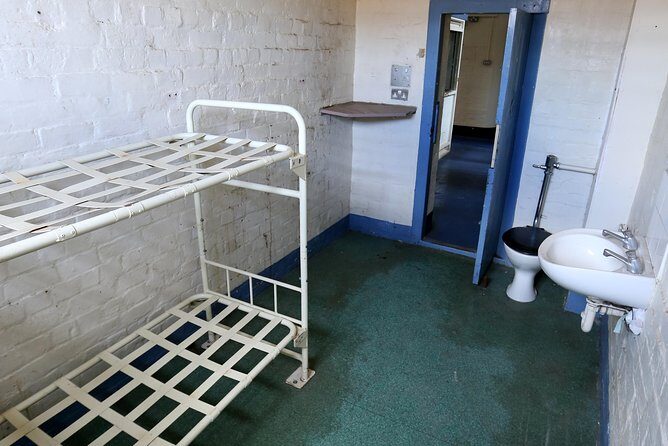
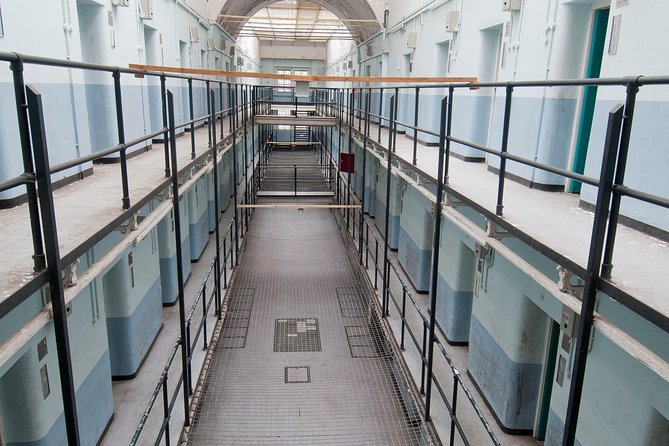
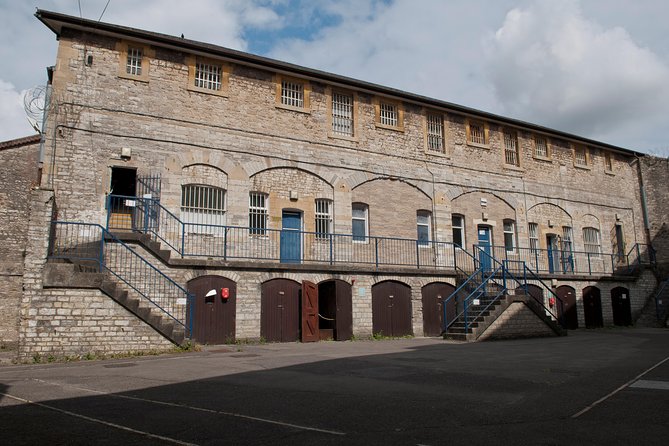
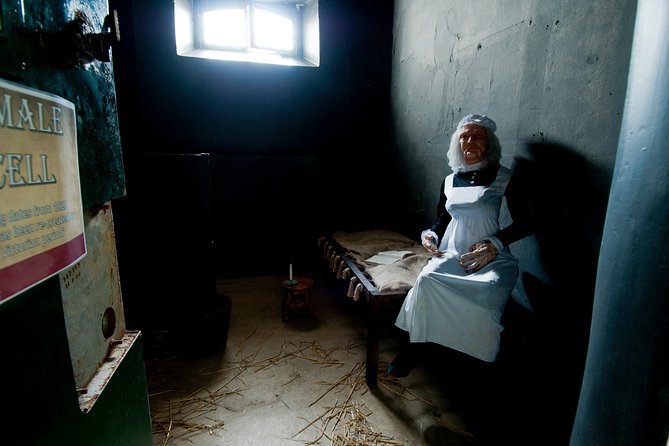
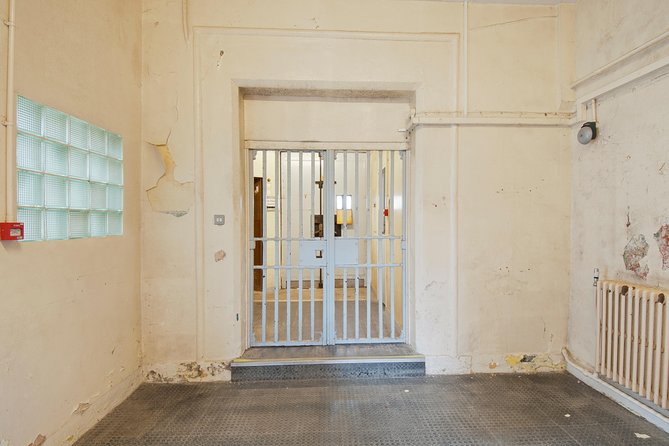
At $34.67 per person, you’re paying for admission plus a 90-minute guided experience. This price point deserves examination because it represents genuinely solid value. You’re not simply getting access to a building; you’re getting structured interpretation from someone who lived and worked within these systems. The difference between wandering alone and having a guide narrate what you’re seeing cannot be overstated—multiple reviewers emphasized this exact point.
One visitor noted: “We would not have gleamed the amount of information if we had not had a personal tour.” Another reflected, “The whole tour was fantastic value for money.” What travelers consistently recognize is that the guide transforms a potentially confusing historical site into a coherent narrative. Without that context, you might walk through cells and hallways without understanding their significance or the stories they contain.
Meeting Logistics and Getting There
The tour operates from Shepton Mallet Prison itself, located on Frithfield Lane in Shepton Mallet, BA4 5FQ. The site is near public transportation, which matters if you’re without a car. Groups max out at 32 people, which is large enough to feel like a real tour operation but small enough that you’re not herded through like cattle at a major attraction.
Booking typically happens about 14 days in advance, and you’ll receive a mobile ticket that serves as your admission. The experience concludes back at the meeting point, so there’s no complicated logistics about being dropped elsewhere. This straightforward setup means less time coordinating and more time actually experiencing the site.
The 90-Minute Experience Breakdown
The tour focuses on a single location—Shepton Mallet Prison itself—but that’s genuinely adequate because the building contains multitudes. You’re walking in the actual footsteps of prisoners spanning nearly 400 years, from 1610 onward. This isn’t a quick fly-through; the 90-minute duration allows for genuine exploration and storytelling.
Your guide will take you through the wings where prisoners were housed, showing you the cells themselves. One reviewer described climbing into a 1600s cell to photograph it, which gives you a sense of the physical intimacy of this experience. You’re not observing from behind glass or velvet ropes; you’re actually moving through the spaces where incarceration happened.
The tour specifically includes viewing areas related to capital punishment and executions. This is where the experience becomes genuinely sobering. Your guide will explain the historical context—how capital punishment functioned, who was executed, and what the actual mechanics of this system looked like. It’s not gratuitous; it’s educational and contextual, but it’s also unflinching about the reality of what happened here.
One visitor captured this well: “Mainly the feeling of the prison in general but also the rich and macabre history.” Another noted it as “thought provoking insight into nearly 400 years of history behind bars.” The guides excel at balancing historical facts with the human element—the stories of actual people who were imprisoned, sometimes for crimes that would barely register as offenses today.
Why the Guides Make All the Difference
What genuinely elevates this experience above a self-guided visit is the caliber of interpretation. The guides are ex-prison officers, which means they’re not just reciting historical facts—they’re drawing on professional experience and institutional knowledge. One reviewer said their guide “really brought it to life and was incredibly knowledgeable and engaging.” Another described their guide as “a mine of information.”
The guides appear across multiple reviews by name—Charlie, Morris, Jeremy, Jason, Maurice, Aaron—and the consistency of praise suggests this isn’t a case of one exceptional person carrying the tour. The operation seems to have cultivated a culture of knowledgeable, personable interpretation. Multiple reviews mention guides having a sense of humor and being approachable about answering questions. This matters because you’re exploring uncomfortable subject matter; guides who can balance gravity with accessibility make the experience more digestible.
One visitor reflected: “Jeremy’s tour was fantastic. Full of detail and insight you just wouldn’t get with the self guided tour. You get a very real experience and will get to see more than you might think.” This captures something essential: the guide doesn’t just tell you what you’re looking at; they help you understand what you’re seeing and why it matters.
The Atmosphere and What to Expect Physically
Multiple reviews mention the cold, and this is worth taking seriously. “Can be very cold if windy” and “Wrap up warm its cold goodness knows how prisoners survived” appear in different reviews. This isn’t a heated museum; it’s a historic building with thick stone walls, limited insulation, and exposure to the elements. If you visit during winter or on a blustery day, dress substantially warmer than you think you’ll need.
The emotional atmosphere is deliberately heavy. You’re walking through spaces designed for confinement and control. One reviewer described it as “harrowing but very real.” The building itself communicates its purpose through its architecture—narrow passages, heavy doors, sparse cells. Your guide will help you understand this wasn’t accidental design; it was deliberate institutional architecture meant to manage and contain people.
One particularly striking review mentioned finding a mysterious photograph on their phone taken inside a 1600s cell—a photo neither they nor their wife had taken. Whether you interpret this as a genuine paranormal experience or simply an unexplained mystery, it speaks to the genuinely uncanny atmosphere the building generates. Multiple reviews reference the possibility of ghost encounters, suggesting the psychological weight of the space lingers with visitors.
What the Reviews Reveal About Value
The 1,680 reviews averaging 4.9 to 5.0 stars provide genuine insight into what visitors experience. What’s striking is that reviews don’t focus on luxury or comfort—they focus on learning and authenticity. “Very informative” appears constantly. “Knowledgeable guide” is mentioned repeatedly. “Well worth the money” surfaces multiple times.
Several reviewers mentioned they’d visited before and returned specifically for the guided tour, which is telling. One person noted: “Been before but decided to have the guided tour second time round, thoroughly enjoyed it.” This suggests the guided experience genuinely adds value beyond simply accessing the building.
The reviews also reveal practical details: one visitor mentioned a coffee shop on-site, and another suggested there’s potential for further development of amenities. This means you might want to grab coffee before or after, but don’t expect extensive food options. One reviewer specifically mentioned planning to return in summer because “there is so much to see,” implying the 90 minutes could feel slightly rushed if you want to absorb everything deeply.
Who This Tour Is Actually For
This experience works best for travelers with genuine historical curiosity who appreciate learning from people with insider knowledge. If you’re someone who finds social history—including the uncomfortable parts—genuinely interesting, you’ll get substantial value here. If you’re traveling with school groups or older teenagers interested in history, this offers educational content that textbooks can’t provide.
It’s less suitable if you’re looking for cheerful, uplifting tourism or if you’re uncomfortable with subject matter involving historical violence and capital punishment. The tour doesn’t sensationalize these topics, but it doesn’t shy away from them either. One reviewer described it as “makes you think,” which captures the reflective, sometimes sobering nature of the experience.
The dog-friendly policy and accommodation of service animals means if you’re traveling with pets, this is accessible. The “most travelers can participate” notation suggests reasonable accessibility, though you should verify specific mobility requirements when booking.
Practical Booking Details
The cancellation policy is straightforward: free cancellation up to 24 hours before your tour. If you cancel with less than 24 hours’ notice, you forfeit payment. This gives you flexibility for changing plans but requires reasonable advance notice.
Mobile tickets mean you don’t need to print anything; you just show your phone at the entrance. This is standard modern practice but worth noting if you’re traveling without reliable phone charging—make sure you have battery life or a charger handy.
Contextualizing the Experience in Your Itinerary
If you’re spending time in South West England, Shepton Mallet Prison works as a standalone experience or as part of a broader historical tourism loop. People who book this tour also tend to book Stonehenge tours, Bath historical experiences, and Cotswolds village tours. This suggests it appeals to travelers building a multi-day historical exploration of the region.
The 90-minute duration means you can fit this into a half-day, making it realistic to combine with other nearby activities. The location in Shepton Mallet, a small town in Somerset, means you’re slightly off the main tourist trail—which is part of its appeal if you’re seeking authentic experiences rather than heavily trafficked sites.
Final Thoughts on the Experience
This tour represents genuine value for travelers seeking authentic historical education from people with real institutional knowledge. You’re not getting polished museum interpretation; you’re getting unvarnished history narrated by ex-prison officers who worked within these systems. The 90-minute guided experience consistently outperforms the self-guided alternative based on visitor feedback, and the $34.67 price point is reasonable for admission plus expert interpretation. The building itself—nearly 400 years old, genuinely atmospheric, and unapologetically focused on uncomfortable historical realities—provides an educational experience most travelers never encounter. This works best for historically curious travelers comfortable with sobering subject matter, willing to dress warmly, and interested in learning from people with genuine insider perspective rather than generic guidebook narratives.
Shepton Mallet Prison Guided Tour
Frequently Asked Questions
How long is the guided tour?
The tour lasts approximately 90 minutes. Multiple reviewers noted the time passed quickly due to engaging interpretation, though one visitor mentioned there’s “so much to see” that you might want additional time to absorb everything.
Can I visit the prison without a guide?
The tour information focuses on the guided experience, but reviews mention the possibility of self-guided exploration. The consensus from reviewers is that the guided tour provides significantly more value and understanding than exploring independently.
What exactly will I see during the tour?
You’ll walk through the prison wings, view actual prisoner cells (including 1600s cells you can enter), see areas related to capital punishment and executions, and explore the institutional spaces. Your guide will explain the history and context of what you’re viewing.
Is the tour suitable for children?
The tour covers historically dark subject matter including executions and capital punishment. One review mentioned children as young as five were historically housed in the prison, but whether the tour is appropriate for young visitors would depend on their maturity level and your comfort with the subject matter. We’d recommend contacting the prison directly to discuss suitability.
How cold does it get inside the prison?
Multiple reviews specifically mention the cold, particularly on windy days. Visitors recommend dressing substantially warmer than you think you’ll need. The stone building has limited insulation and exposure to the elements, so this isn’t a minor consideration.
What’s included in the $34.67 price?
The price includes admission to the prison and the 90-minute guided tour. You’re not paying separately for entry—it’s bundled with the guided experience.
How many people go on each tour?
Tours have a maximum of 32 people. This is large enough for a proper tour operation but small enough that you’re not in a massive crowd.
What’s the cancellation policy?
You can cancel free of charge up to 24 hours before your tour starts. If you cancel with less than 24 hours’ notice, you forfeit the full amount.
Are there food or coffee options at the prison?
One reviewer mentioned a coffee shop on-site, so there are some refreshment options available. However, don’t expect extensive food service; you may want to eat before or after your visit.
When should I book this tour?
On average, people book about 14 days in advance. This gives you flexibility, but booking with reasonable advance notice ensures availability. The tour operates year-round, though reviewers suggest summer might be more comfortable than winter given the building’s temperature issues.