- Why This Tour Deserves Your Attention
- Understanding the Montalcino Region and Brunello Wine
- Your Day Unfolds: A Detailed Breakdown
- The Morning: Pickup and First Vineyard Visit
- Mid-Morning: Free Time in Montalcino
- Lunch: The Heart of the Experience
- The Afternoon: Sant’Antimo Abbey and Final Winery
- What Travelers Consistently Praise
- The Practical Details That Matter
- Price and Value Analysis
- Cancellation and Booking Flexibility
- Frequently Asked Questions
- Final Thoughts
- The Best Of Siena!
- More Wine Tours in Siena
- More Food & Drink Experiences in Siena
- More Tour Reviews in Siena
Why This Tour Deserves Your Attention
 1 / 7
1 / 7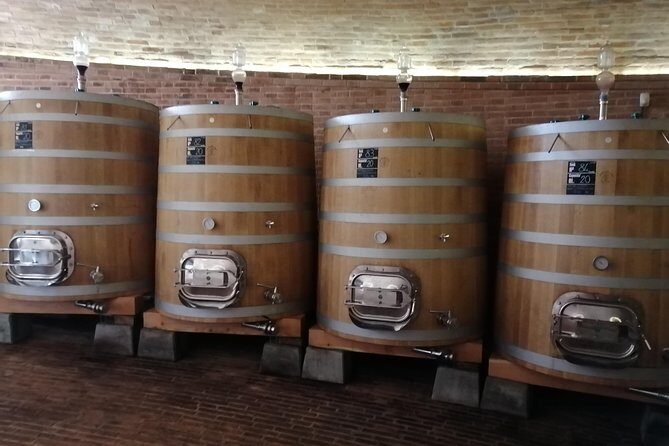 2 / 7
2 / 7 3 / 7
3 / 7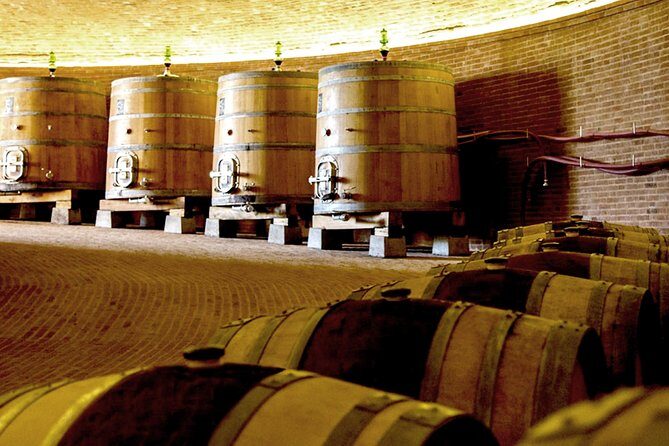 4 / 7
4 / 7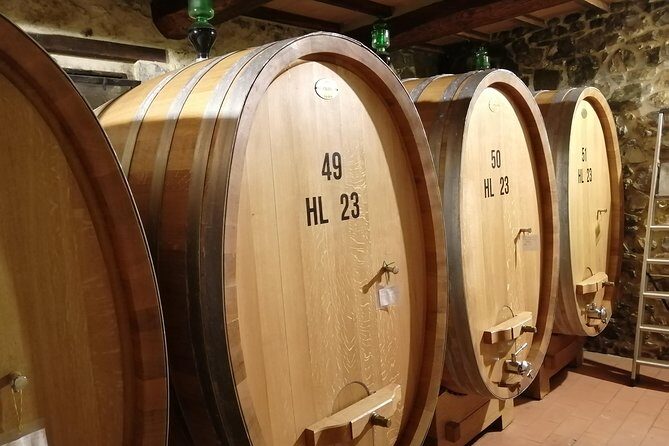 5 / 7
5 / 7 6 / 7
6 / 7 7 / 7
7 / 7We’ve reviewed this tour extensively, and what stands out immediately is how consistently travelers rave about the quality of their guides and the genuine hospitality they encounter at family-run wineries. With a 4.9-star rating across nearly 1,000 reviews, this isn’t a tour that’s just checking boxes—it’s an experience where the details matter, and the people running it clearly care about what they do.
The second thing we love about this tour is the value proposition. At $217.67 per person, you’re getting a full day that includes three separate winery visits, wine tastings at each location, a substantial lunch prepared in a winemaker’s home kitchen, and transportation throughout the Montalcino region. That’s a lot of wine education and authentic food for the price.
One thing worth considering upfront: if you’re expecting a large, anonymous tour experience, this isn’t it. The tour caps at just eight people maximum, which is wonderful for quality but means you’ll be in close quarters with the same group all day. This is actually a feature, not a bug, but it’s worth knowing your personality style meshes with small-group dynamics.
This tour works beautifully for wine enthusiasts who want to move beyond standard tourist tastings, couples seeking a memorable shared experience, and travelers who value depth over breadth. It’s equally suited to wine novices curious about how Brunello actually tastes, as guides consistently explain the “why” behind what you’re experiencing.
👉 See our pick of the Which Siena Pasta Experiences To Choose? We Rank The 7 Best
Understanding the Montalcino Region and Brunello Wine
Before you step into a minivan in Siena, it helps to understand what makes this corner of Tuscany special. Montalcino is a medieval hilltop town in southern Tuscany, famous for producing Brunello di Montalcino—one of Italy’s most prestigious red wines. Made from the Sangiovese grape, Brunello must age for at least five years before release, and the best examples develop extraordinary complexity and depth.
The region’s success comes down to terroir: the specific combination of soil, climate, and elevation that gives Brunello its distinctive character. Different microclimates within Montalcino produce noticeably different expressions of the same grape. This is exactly what makes visiting multiple small wineries so valuable—you can taste these differences side by side rather than reading about them in a book.
The tour operators clearly understand this. Rather than shuttling you to large, industrial operations, they’ve selected three family-run wineries where you’ll actually meet the people making the wine. This is the difference between wine tourism and wine education.
You can also read our reviews of more food & drink experiences in Siena

Your Day Unfolds: A Detailed Breakdown
The Morning: Pickup and First Vineyard Visit
Your day begins at 9:30 a.m. at Piazza San Domenico in central Siena, a convenient location near public transportation if you’re staying elsewhere in the city. You’ll meet your small group—never more than eight people—and your guide, who will be your driver and primary educator for the next nine hours.
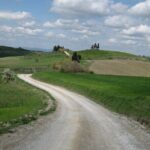
The drive toward Montalcino takes you through rolling Tuscan countryside. This isn’t wasted time. According to multiple reviews, guides on this tour use the drive to begin your wine education, sharing history about the region, explaining the landscape you’re passing, and building context for what you’ll taste later. One traveler noted their guide was “so generous with his information—I was blown away.”
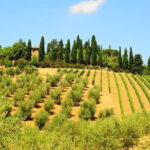
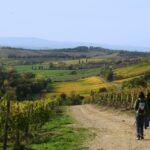
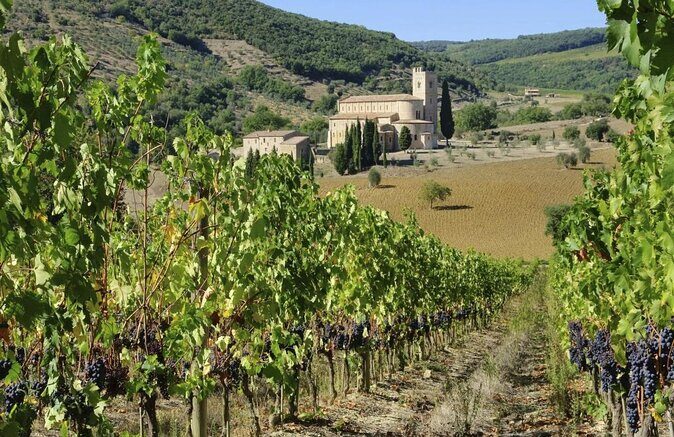
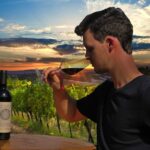
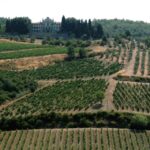
Your first stop is a small winery where you’ll walk among the vineyards. This is where the experience becomes tangible rather than abstract. You’re not just learning about Brunello; you’re standing in the actual soil where the grapes grow, seeing the vines that produce them. Your guide will explain what you’re looking at—why certain slopes face certain directions, how elevation affects ripening, which parcels produce which wines.
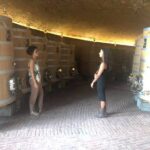
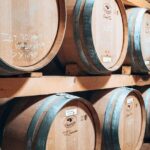
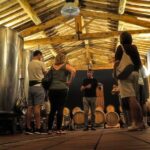
Then comes the cellar visit and first tasting. You’ll see how the wine is actually made, from fermentation tanks to aging barrels. The tastings here are guided, meaning your guide walks you through what to look for, what to smell, what to expect on your palate. This is educational tasting, not just drinking. One reviewer who called this the “Best Experience in Italy!!!” specifically mentioned “visiting high quality wine at very small family vineyards” and noted their guide “was a wine-maker himself,” which explains the depth of knowledge.
Mid-Morning: Free Time in Montalcino
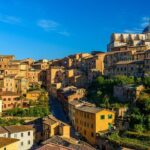
After your first winery, you’ll have unstructured time to explore the town of Montalcino itself. This medieval village sits on a hilltop with views across the Val d’Orcia—some of Tuscany’s most photographed landscape. You can wander the narrow streets, visit the fortress (Fortezza di Montalcino), browse local shops, or visit additional wine bars for more tastings if you wish.
This free time is valuable because it breaks up the day and lets you experience the actual place where this wine comes from, not just taste it. You’re not being herded through a predetermined schedule; you have agency to explore at your own pace. Some travelers use this time for lunch at a local restaurant, though most save their appetite for what’s coming next.
Lunch: The Heart of the Experience
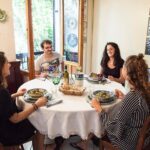
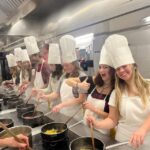
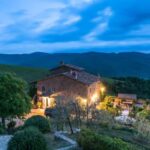
This is where the tour distinguishes itself. Rather than eating at a restaurant, you’ll have lunch at a family-run winery, often in the winemaker’s home kitchen. This isn’t catering; this is home cooking prepared by people who’ve been making this meal for years.
The menu is traditional Tuscan. You’ll start with antipasti—local cold cuts, cheeses, and bruschetta—the kind of thing you can’t quite replicate elsewhere because it’s made from local ingredients and local traditions. The main course features fresh pasta, typically tagliatelle with local sauces (tomato, meat, or pesto), or sometimes risotto. Dessert is simple: cake with coffee or almond biscuits with dessert wine.
What makes this special isn’t fancy plating; it’s authenticity and the social experience. You’re eating in someone’s home, often with the winemaker or their family present. Multiple reviews mention meeting the winemakers and their families, with one traveler noting they had “lunch at the home of a winemaker—an unforgettable experience and not one you would have in the States.”
The wine served with lunch is, naturally, from that winery. You’re tasting their wines in the context they were meant for—with food, in a relaxed setting, over conversation. This is how wine is actually consumed in Italy, not as a formal tasting but as part of living.
You can also read our reviews of more wine tours in Siena
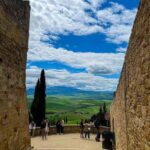
The Afternoon: Sant’Antimo Abbey and Final Winery
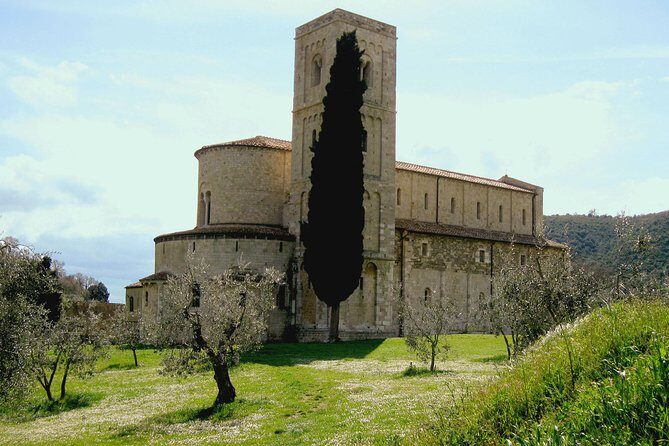
After lunch, you’ll visit the Abbazia di Sant’Antimo, an ancient Benedictine abbey dating back over a thousand years. Your guide will walk you through the building, explaining its history and architectural significance. If you’re fortunate, you might hear the monks singing Gregorian chants—it’s not guaranteed, but it happens occasionally, and when it does, it’s unforgettable.
Then comes your third and final winery visit. This stop focuses on a deeper dive into production methods and the aging process. You’ll learn about how Brunello specifically must be aged—the barrel types used, how long, at what temperature, in what conditions. The final tasting here lets you apply everything you’ve learned throughout the day.
One traveler who gave this tour five stars noted that “each winery has a different character and experience,” which is exactly the point. The first winery introduces you to the basics. The second, with its home lunch, connects wine to culture and community. The third deepens your technical understanding. It’s a thoughtfully designed progression.
What Travelers Consistently Praise
The most frequent compliment across nearly 1,000 reviews concerns the guides. Travelers repeatedly mention guides by name—Mattia, Juliana, Paulo, Guillermo, Emanuele, Georgia—and describe them as knowledgeable, funny, engaging, and genuinely interested in making the day memorable. Several guides are described as former winemakers themselves, which explains the depth of their knowledge.
One particularly detailed review noted: “Juliana’s knowledge of the region is remarkable. She explained the terroir, soil types, and microclimates with clarity and enthusiasm, tying each detail directly to the character of the wines we tasted.” This isn’t surface-level tour guiding; this is education from someone who knows the subject deeply.
The second consistent praise concerns the quality of the wineries selected. Travelers appreciate visiting small, family-run operations rather than larger commercial wineries. The hospitality they encounter feels genuine because it is genuine. You’re not a number in a tour group; you’re a guest in someone’s business.
The third element travelers consistently highlight is the food. The homemade lunch at the winemaker’s home generates superlatives repeatedly. One traveler mentioned having “the best pasta which I ever tasted at this place,” while another noted the meal was “far beyond what we had expected.”
The Practical Details That Matter
Transportation and Timing: You’ll travel in an air-conditioned minivan, which matters because you’re covering significant distance through hilly terrain. The nine-hour duration includes everything—pickups, drives, tastings, lunch, and visits. You’ll leave Siena at 9:30 a.m. and return by late afternoon. This is a full day, not a half-day experience.
Group Size: The eight-person maximum is genuinely important. It allows your guide to manage the group dynamically, ensures you’re not lost in a crowd at wineries, and creates the kind of intimacy where the group often becomes friendly by day’s end. One reviewer noted, “We became fast friends,” which wouldn’t happen with 30 people.
What’s Included and What Isn’t: Your price includes the guide, all transportation, three separate wine tastings, and lunch with wine. It does not include hotel pickup and drop-off, so you’ll need to get to Piazza San Domenico on your own. For Siena visitors, this is typically manageable since it’s in the historic center.
Accessibility: The tour notes that “most travelers can participate,” though the day involves walking through vineyards and towns, plus climbing stairs in the abbey. If you have significant mobility limitations, check with the operator before booking.
Alcohol and Age: You must be at least 18 to be served alcohol in Italy, and the tour follows this law. If you’re traveling with younger family members, they can still participate but won’t receive wine tastings.
Price and Value Analysis
At $217.67 per person, this tour delivers strong value. Let’s break down what you’re actually getting: three separate winery experiences (each might cost $15-25 if booked independently), a substantial lunch with wine (probably $25-35 in a restaurant), nine hours of expert guide services, and transportation. You’re looking at $60-85 worth of individual components, easily, before factoring in the expertise and curation of the guide.
The real value, though, isn’t spreadsheet arithmetic. It’s the difference between wandering into random wineries and visiting carefully selected producers. It’s having someone who understands wine explain what you’re tasting rather than guessing. It’s eating in a winemaker’s home rather than a tourist restaurant. These aren’t things with a fixed dollar value, but they’re why people remember this tour years later.
Booking happens, on average, 61 days in advance, suggesting this isn’t something that fills last-minute. If you’re planning a Siena trip, reserving this early makes sense.
Cancellation and Booking Flexibility
The tour offers free cancellation up to 24 hours before your experience, which provides reasonable flexibility if your plans change. Confirmations are typically immediate unless you book within 16 hours of departure, in which case you’ll receive confirmation as soon as possible, pending availability.
The tour requires a minimum number of participants. If it’s canceled because the minimum isn’t met, you’ll be offered an alternative date or a full refund. This is standard practice and worth understanding upfront, though with nearly 1,000 reviews, the tour clearly runs regularly.
Frequently Asked Questions
Q: How much wine will I actually drink, and is the tour suitable for non-wine experts?
A: Each winery visit includes tastings, but the amounts are modest—you’re tasting to learn, not to get intoxicated. Multiple reviews specifically mention that guides work well with wine novices, explaining what you’re experiencing and why. Your guide will help you understand the differences between wines rather than assuming knowledge. One traveler noted their guide was “informative and accessible,” even when discussing technical topics like terroir and aging processes.
Q: Will there be time to buy wine if I want to?
A: The tour includes tastings at three wineries, and you’ll have time at each location. Several reviews mention travelers purchasing bottles to ship home. However, buying wine isn’t mandatory, and there’s no pressure to purchase. The tastings are included in your tour price; any purchases are optional additions.
Q: What if I have dietary restrictions for the lunch?
A: One review specifically mentions a traveler who “requested vegetarian meal, it was so delicious and fresh,” suggesting the winery can accommodate dietary needs. Contact the operator when booking if you have restrictions (vegetarian, vegan, allergies, etc.) to ensure they can prepare something suitable.
Q: Is this tour better suited to couples or groups of friends?
A: The tour works well for both. Reviews include couples, friend groups, and even family members traveling together. The small group size means you’ll interact with everyone, but you’re not forced into activities. The shared experience of wine tasting and good food naturally creates bonding, regardless of your travel companions.
Q: How physically demanding is this tour?
A: You’ll do some walking through vineyards, around town, and through the abbey, plus climbing stairs. It’s not strenuous hiking, but it’s not completely sedentary either. If you have mobility concerns, contact the operator. The tour notes that “most travelers can participate,” which is a reasonable indicator of the physical demands.
Q: Should I have wine knowledge before booking, or will the guide teach me?
A: Multiple reviews mention guides working with wine novices and wine enthusiasts equally well. One traveler noted their guide “explained the terroir, soil types, and microclimates with clarity and enthusiasm,” making technical concepts accessible. You don’t need prior knowledge; your guide will provide the education throughout the day.
Small-Group Brunello di Montalcino Wine-Tasting Trip from Siena
Final Thoughts
This tour represents the kind of experience that makes travel memorable rather than just checkable. You’re not seeing Tuscany from a bus window; you’re standing in vineyards, eating in a winemaker’s kitchen, and learning from guides who genuinely know their subject. At $217.67 per person for a full day including lunch and three winery visits, the value is solid, but the real value is the quality of the experience itself. The near-perfect rating across nearly 1,000 reviews isn’t an anomaly—it reflects consistent execution and careful attention to what makes a wine tour actually educational and enjoyable rather than just touristy. If you’re spending time in Siena and want a day that goes beyond the typical tourist itinerary, this tour deserves serious consideration.