
Takayama With Kids
Takayama wasn’t on our original Japan itinerary. We’d planned the usual — Tokyo, Kyoto, maybe Osaka — and called it done. Then a friend who’d spent years living in the Chubu region said something that stuck: “If you want to see what Japan actually looked like a hundred years ago, go to Takayama.” So we reshuffled. Dropped a day in Tokyo. Added two nights in the mountains. Best decision of the whole trip.
Takayama is a small town in the Japanese Alps, in the Hida region of Gifu Prefecture. It’s the kind of place that makes you slow down whether you mean to or not. Dark wooden merchant houses line narrow streets. Sake breweries hang cedar balls above their doorways. Old women sell pickles at morning markets that have been running for centuries. There are no neon lights. No crowds pushing onto trains. Just a quiet mountain town that somehow held onto its past while the rest of Japan raced forward. And for families? It’s genuinely wonderful. Small enough to walk everywhere, interesting enough to keep kids fed and curious, and calm enough that you actually relax.
Getting to Takayama
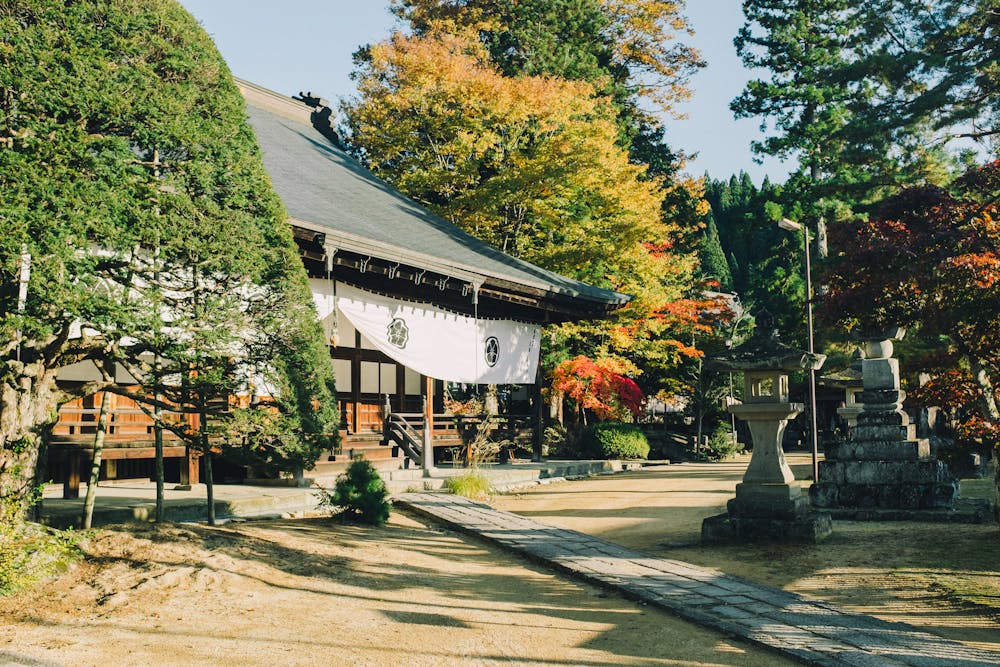
Takayama isn’t the easiest place to reach, and that’s part of its charm. From Tokyo, the journey takes about four hours. You’ll ride the shinkansen to Nagoya (roughly 1 hour 40 minutes), then transfer to the Wide View Hida limited express for another 2 hours 20 minutes through the mountains. That second train is lovely, by the way. River gorges, forested valleys, proper scenery. Our kids were glued to the windows.
From Kyoto or Osaka, it’s a similar sort of journey — train to Nagoya, then the Hida express onwards.
One important thing. The standard Japan Rail Pass does not cover this route. You’ll need either the Takayama-Hokuriku Area Tourist Pass (which is excellent value if your itinerary suits it) or buy tickets separately. Expect to pay around ¥13,000 (~£68) one way from Tokyo. Not cheap. But Takayama earns it back in the kind of experiences that cost nothing — wandering, tasting, watching your children grill their own rice crackers on a street corner.
The Old Town — Sanmachi Suji
This is the heart of Takayama and where you’ll spend most of your time. Sanmachi Suji is a set of three narrow streets lined with preserved Edo-period merchant houses. Think dark timber facades, latticed windows, little canals running alongside the road. It looks like a film set, except it’s real and people still live and work here.
What makes it brilliant for families is the food. Every few metres there’s something to eat. Hida beef skewers grilled over charcoal for ¥500-800 (~£2.60-4.20). Senbei rice crackers that you toast yourself over a small grill — the kids fought over whose turn it was. Mitarashi dango. Soft serve in bizarre flavours. It’s basically a long, beautiful, edible street, and children who might normally drag their feet through a “historic area” are suddenly very keen to keep walking.
The sake breweries are here too, identifiable by the sugidama (balls of cedar branches) hanging above their entrances. Adults can duck in for tastings while the kids wait outside with a beef skewer. We did this three times. No regrets.
The Morning Markets
Takayama has two morning markets: the Miyagawa market along the river and the Jinya-mae market outside the old government building. Both run from around 6am to noon. They’re small. Don’t expect Borough Market. But they’re charming and make for an easy morning activity before the old town gets going.
You’ll find local fruit, pickled vegetables, handmade crafts, rice crackers, and various snacks. Our children were particularly taken with a woman selling tiny wooden spinning tops, which cost about ¥300 each and kept them occupied for the rest of the morning. Sometimes the simple things work best.
If you’re an early riser, the Miyagawa market along the river is the prettier of the two. Get there before 8am and you’ll have it almost to yourselves.
Takayama Jinya
The Takayama Jinya is a former government outpost from the Edo period — the only one of its kind still standing in Japan. Entry is ¥440 (~£2.30) for adults, and children get in free. It’s a handsome building with tatami rooms, a courtyard, and displays about how the region was governed centuries ago.
Honest take: it’s interesting for about 15-20 minutes. Older kids with some interest in history will get something from it. Younger ones will get bored quickly, and that’s fine. We walked through at a reasonable pace, admired the building, and moved on. Not essential with small children, but worth popping into if you’re passing the Jinya-mae market anyway.
Hida Folk Village (Hida no Sato)
This was the surprise hit of our Takayama visit. Hida no Sato is an open-air museum about a 20-minute walk from the town centre (or a short bus ride). It’s a collection of over 30 traditional thatched-roof farmhouses that were relocated here from across the Hida region. Entry is ¥700 (~£3.70) for adults and ¥200 (~£1.05) for kids.
The farmhouses are stunning — steep gassho-zukuri roofs designed to shed heavy mountain snow, with dark interiors full of old tools, looms, and cooking hearths. But what makes it work for families is that children can actually go inside. They can run between the buildings. They can peer into the upper floors where silkworms were once raised. There’s space. Fresh air. Nobody telling them to be quiet or stand behind a rope.
We spent a good two hours here, which is longer than I’d expected. The setting — a hillside overlooking the town with mountains beyond — is beautiful in every season. It’s one of the better outdoor family attractions in the whole region, and I’d rank it above several more famous spots in Kyoto.
Hida Beef — The Real Reason Foodies Come Here
Right. Let’s talk about the beef.
Hida beef is Takayama’s pride. It comes from the same class of premium Japanese wagyu as Kobe beef — beautifully marbled, melt-in-your-mouth tender, absurdly rich — but it’s far less well-known internationally. Which means it’s easier to find and often cheaper. Lucky us.
You can eat Hida beef everywhere in Takayama. The most fun way, especially with kids, is the beef sushi sold from counters along the old town streets. Two pieces of beef sushi on a rice cracker will set you back ¥800-1,000 (~£4.20-5.25). It sounds odd. It tastes extraordinary. Even our fussiest eater — the one who claims to “not like beef” at home — inhaled it and asked for more.
Grilled skewers from street vendors cost ¥500-800 (~£2.60-4.20) and are equally good. For a proper sit-down meal, there are dozens of restaurants serving Hida beef steaks, sukiyaki, and shabu-shabu. Expect to pay more for those, obviously, but lunch sets can be reasonable.
If your family eats meat, Takayama is basically an extended tasting menu disguised as a town. Budget accordingly.
Sake Breweries
There are several sake breweries scattered through the old town, and most offer free tastings and a small museum or exhibition space. The tasting is obviously an adults-only affair, but the brewery tours are short — ten minutes, maybe fifteen — and free to walk through.
Will your children care about the history of sake production? Almost certainly not. But the interiors of these old breweries are atmospheric, and you can usually combine a quick visit with a wander through the shop, where they sell sake-flavoured sweets and ice cream that kids can actually try. We treated the breweries as pit stops between beef skewers, which felt like a very reasonable approach.
How Long to Stay
One night minimum. Two nights if you can manage it.
A lot of visitors do Takayama as a day trip, which is technically possible but misses the point entirely. The town empties by about 5pm when the day-trippers leave, and that’s when it becomes something special. Quiet streets. Lanterns coming on. The river reflecting the last of the light. We walked through the old town at dusk with barely another person around, and it felt like stepping back in time in a way that the busy daytime version doesn’t quite achieve.
With one night, you can cover the old town, morning markets, and Hida Folk Village comfortably. Two nights gives you time for a day trip to Shirakawa-go (more on that below) without feeling rushed.
Where to Stay
Takayama is one of the best places in Japan to try a ryokan — a traditional Japanese inn. The town has a strong ryokan culture, and prices here are genuinely reasonable compared to places like Hakone or Kyoto. Expect to pay around ¥15,000-25,000 (~£79-132) per person per night, which typically includes both dinner and breakfast. Yes, both meals. The dinners are often multi-course kaiseki featuring — you guessed it — Hida beef.
Sleeping on futons laid out on tatami mats, soaking in an onsen bath, eating an elaborate Japanese dinner in your yukata. The kids thought the whole thing was an adventure. It was. A ryokan stay in Takayama is one of those experiences that justifies the entire side trip.
Shirakawa-go Day Trip
If you’re staying overnight, a day trip to Shirakawa-go is almost obligatory. This UNESCO World Heritage village is about 50 minutes by bus from Takayama, with round-trip tickets costing around ¥2,600 (~£13.70). Book the bus in advance during peak seasons — it does sell out.
Shirakawa-go is a farming village of steep thatched-roof houses (the same gassho-zukuri style you’ll see at Hida Folk Village, but still lived in). In winter, covered in snow, it looks like something from a fairy tale. Genuinely magical. Other seasons are beautiful too — rice paddies in summer, blazing leaves in autumn — but the snow is the iconic image for good reason.
Fair warning: it can feel very touristy, especially between 10am and 2pm when the tour buses arrive. If possible, take an early bus out and a later one back. The village is small enough to explore in a couple of hours, but having breathing room makes a real difference. There are a few houses open to visitors, a lookout point with a panoramic view, and several small restaurants and cafes.
With kids, it’s an easy day out. Flat paths, interesting buildings, good photo opportunities, and enough food stalls to keep everyone fuelled. Just dress warmly if you’re visiting in winter. The Hida mountains don’t mess about with cold.
Best Time to Visit
Honestly? Any season works, and each has something different to offer.
Spring brings cherry blossoms to the riverside. Autumn turns the surrounding mountains orange and red. Winter blankets the town in snow, which makes the old wooden streets look impossibly pretty. Summer is warm and green, with the famous Takayama festivals in April and October drawing huge crowds. If you happen to be in the area during festival time, the elaborate floats are spectacular — but the town will be packed, so book accommodation well in advance.
We visited in late autumn and thought it was perfect. Crisp air, stunning colours, and just enough chill to make the hot meals taste even better.
Practical Bits
Takayama is a small town and almost everything is walkable. The old town, morning markets, Takayama Jinya, and most restaurants are within a compact area that you can cross in 15 minutes on foot. Hida Folk Village is the only attraction that requires a bus or a longer walk.
Main streets are stroller-friendly — flat and paved. Some of the narrower old town lanes have uneven surfaces, but nothing terrible. We managed fine with a compact buggy.
There are convenience stores, a few supermarkets, and plenty of vending machines. You won’t struggle for supplies. The town is also extremely safe and quiet — the kind of place where you stop checking over your shoulder and just enjoy being somewhere peaceful with your family.
Is Takayama Worth It With Kids?
Completely. It’s not a theme park destination. There are no big-ticket attractions or flashy entertainment centres. What Takayama offers is something rarer and, I’d argue, more valuable: a genuine window into traditional Japan, at a pace that actually suits families. Your children will grill their own snacks, explore old farmhouses, eat extraordinary beef, and wander streets that haven’t changed much in centuries.
It takes effort to get there. The trains are long. The town is remote. But that remoteness is exactly what makes it special. When the day-trippers leave and the lanterns flicker on and your kids are sleepy from a day of fresh mountain air and too many beef skewers, you’ll understand why your friend told you not to skip it.
Ours did. And she was right.
For more on planning a family trip to Japan, our complete Japan itinerary with kids covers how Takayama fits into a wider trip. And if the ryokan idea appeals, our guide to family-friendly ryokans in Japan has specific recommendations.