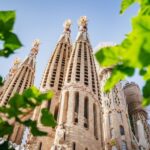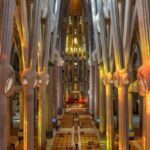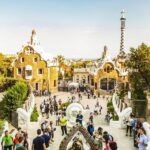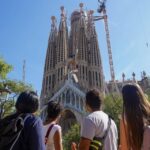
When you want to understand Barcelona beyond the Sagrada Familia crowds, this Steel Donkey bike tour offers something genuinely different. We love how the tour trades the congested city center for quieter neighborhoods where locals actually live—places like El Poblenou and El Born that most visitors miss entirely. We also appreciate that at $47 per person for four hours of guided exploration, including bike rental and helmet, you’re getting solid value for a personalized experience with small groups capped at eight people.
The one consideration worth mentioning upfront: Barcelona’s streets can feel chaotic when you’re navigating between pedestrians and traffic, so this tour works best if you’re a confident rider comfortable with urban cycling. That said, the guides are experienced at managing mixed-ability groups and keep a comfortable pace.
This tour suits travelers who’ve already seen the major monuments and want to understand how Barcelona actually functions as a city. It’s perfect for cycling enthusiasts, families with teenage kids, and anyone seeking authentic neighborhoods over Instagram-worthy landmarks.
- What Makes This Tour Different
- Breaking Down the Route: Eight Stops Through Barcelona’s Soul
- Stop 1: Basilica de Santa Maria del Mar
- Stop 2: El Born—Medieval Streets and Modern Life
- Stop 3: Parc de la Ciutadella
- Stop 4: Torre Glories
- Stop 5: Los Encantes Barcelona
- Stop 6: El Poblenou—Industrial Past, Creative Future
- Stop 7: Port Olimpic
- Stop 8: Playa de La Barceloneta—The Perfect Finale
- The Guides Make All the Difference
- Practical Details That Matter
- The Value Proposition
- A Couple of Honest Notes
- Booking and Cancellation
- Who This Tour Is Really For
- The Bottom Line
- Frequently Asked Questions
- The Best Of Barcelona!
- More Cycling Tours in Barcelona
- More Tours in Barcelona
- More Tour Reviews in Barcelona
What Makes This Tour Different
 1 / 8
1 / 8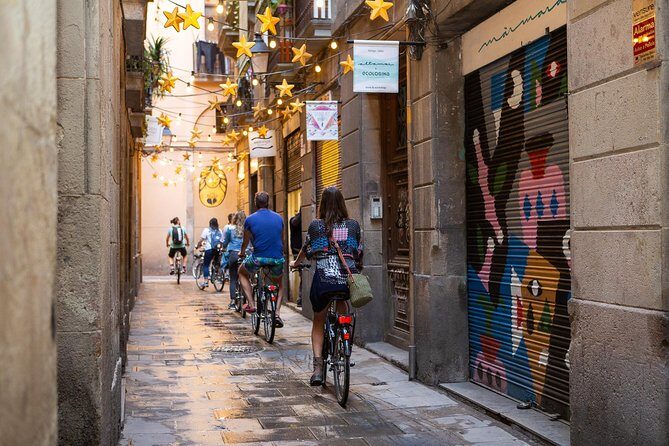 2 / 8
2 / 8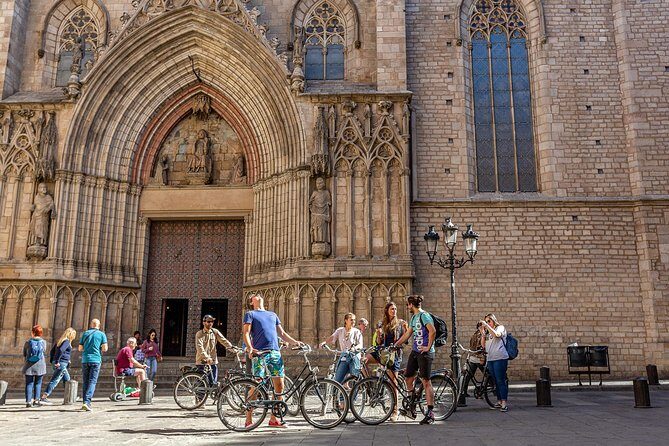 3 / 8
3 / 8 4 / 8
4 / 8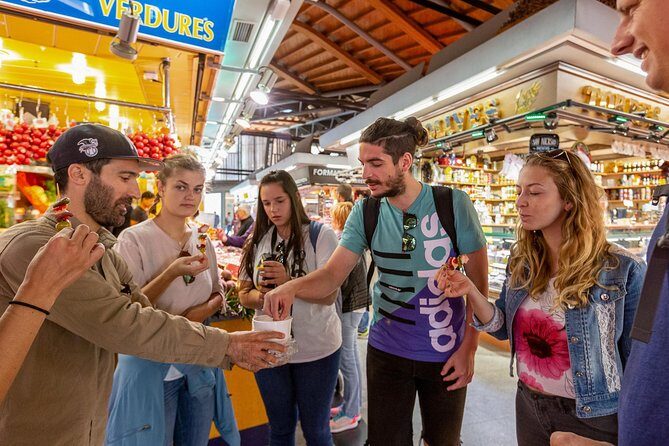 5 / 8
5 / 8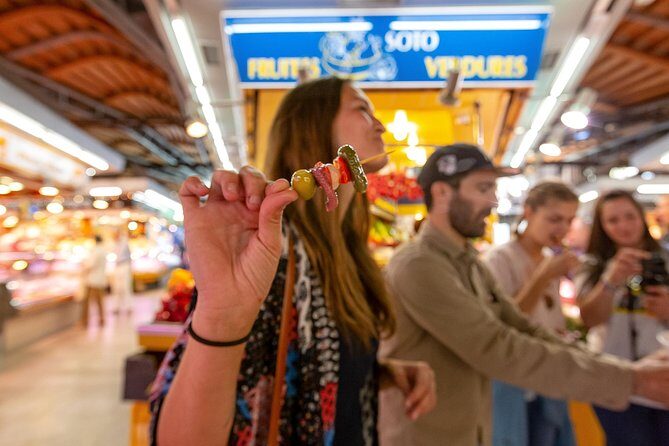 6 / 8
6 / 8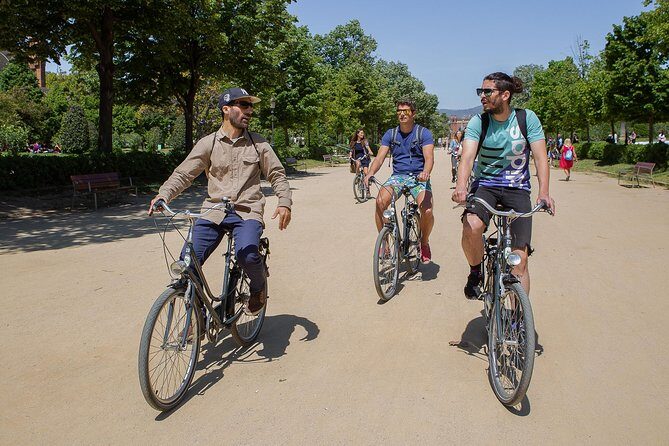 7 / 8
7 / 8 8 / 8
8 / 8You’ll notice immediately that this isn’t the typical Barcelona experience. While other tours herd you toward Gaudí’s masterpieces, Steel Donkey takes you into the working heart of the city—the places where you’ll see how neighborhoods have transformed, where artisans still run small shops, and where Barcelona’s modern ambitions meet its medieval past.
The small-group format matters here. With a maximum of eight people, your guide can actually have conversations with you, adjust the route based on your interests, and share insider knowledge that never makes it into guidebooks. One traveler mentioned that their guide “was open to going where the attendees wanted, giving advice on what would be seen in each area,” and even ran over time because she was passionate about showing them more. That flexibility is rare and valuable.
The bike itself is the perfect tool for this kind of exploration. You move faster than on foot, so you cover more ground, but you’re still slow enough to actually see what’s happening around you. As one reviewer noted, this approach offers “a different view than the walking tours” and lets you experience “small streets, beach and neighborhoods” that would take forever to explore on foot.
👉 See our pick of the The Top 5 Tours In Barcelona
Breaking Down the Route: Eight Stops Through Barcelona’s Soul
You can also read our reviews of more cycling tours in Barcelona
Stop 1: Basilica de Santa Maria del Mar
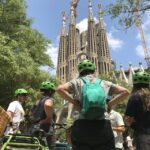
You’ll start at one of Barcelona’s most stunning Gothic structures, though most travelers never venture here. The Basilica de Santa Maria del Mar sits in the El Born neighborhood and represents a completely different architectural era than Gaudí’s whimsical modernisme. Built over 150 years starting in the 14th century, this church showcases the power of Barcelona’s merchant class during its medieval golden age.
Your guide will point out the rose window façade before you move deeper into the neighborhood. What’s remarkable about this stop is the contrast—you’re looking at one of Europe’s finest Gothic achievements, yet it’s relatively unknown compared to the Sagrada Familia. It’s a reminder that Barcelona contains multitudes if you know where to look.
Stop 2: El Born—Medieval Streets and Modern Life
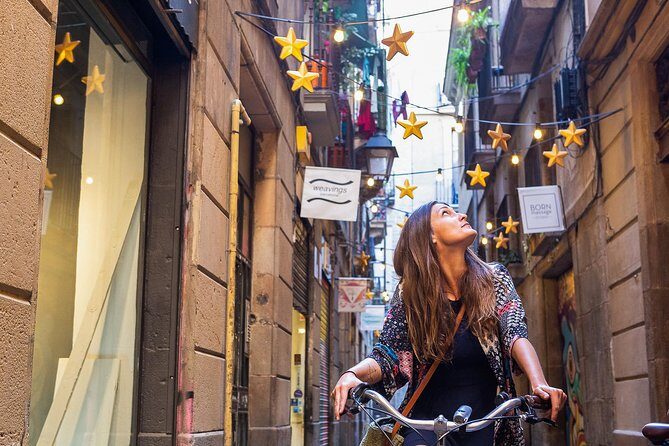
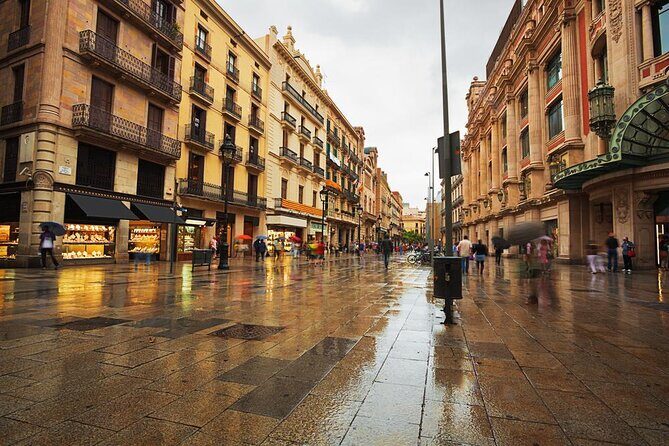
You’ll spend about thirty minutes here, and this is where the tour really begins to reveal Barcelona’s hidden character. El Born was once a medieval jousting ground, and the street layout still reflects that ancient purpose. Today it’s filled with exactly the kind of places that make a neighborhood worth visiting: boutiques run by independent designers, artisan shops selling everything from ceramics to vintage records, and small cafés where locals actually sit down with their coffee.
This is where the tour’s value becomes obvious. Your guide will show you corners and alleyways that you’d walk past without noticing on your own. One traveler with their teenage daughter said Bella “shared so many special details about each of the neighborhoods and parts of Barcelona that we would never have found on our own.” That’s the difference between seeing a neighborhood and understanding it.
Stop 3: Parc de la Ciutadella
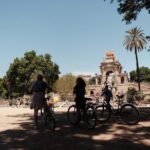
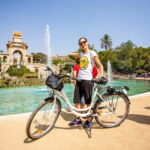
After navigating El Born’s narrow streets, you’ll reach this expansive park, named after the citadel that once stood here—a fortress built to control Barcelona after it lost its independence. The park is Barcelona’s answer to Central Park, and you’ll get a chance to catch your breath while your guide explains the area’s political history.
The fountain you’ll see was partially designed by Gaudí early in his career, before he became famous. It’s one of those details that illustrates how deeply Gaudí’s influence runs through the city, even in places travelers don’t typically associate with him. The park also offers tree-lined paths perfect for cycling, and you’ll likely notice the peaceful contrast with the urban intensity you just left behind.
Stop 4: Torre Glories
This distinctive cylindrical tower, sometimes called the “phallic-shaped wonder” by guides with a sense of humor, is one of Barcelona’s most recognizable modern structures. Completed in 1970, it’s become an icon of the city’s skyline, and your guide will use it as a jumping-off point to discuss how Barcelona modernized itself, particularly for the 1992 Olympics.
The multi-hued exterior—covered in colored glass tiles—makes it unmissable, and it represents a completely different architectural philosophy than the Gothic quarters you’ve just explored. This juxtaposition is intentional on the tour’s part; you’re seeing how Barcelona contains centuries of different urban visions layered on top of each other.
Stop 5: Los Encantes Barcelona
This charming flea market has been revitalized in recent years and offers a genuinely local shopping experience. You’ll have about thirty minutes to browse, grab a snack, or simply watch how Barcelona’s everyday commerce works. This isn’t a tourist market; it’s where locals actually shop for secondhand goods, vintage finds, and unique items.
One reviewer mentioned stopping for “kitsch souvenirs,” which perfectly captures the spirit of the place. It’s unpretentious and real—exactly the kind of stop that helps you feel like you’re part of the city rather than just passing through it. The area’s recent revitalization also illustrates Barcelona’s ongoing transformation, turning overlooked spaces into vibrant community hubs.
Stop 6: El Poblenou—Industrial Past, Creative Future
You’ll spend forty-five minutes here, and this is arguably the most fascinating neighborhood on the entire route. El Poblenou was once Barcelona’s industrial heartland, filled with textile factories and working-class housing. Today it’s undergoing a remarkable transformation into a creative district while maintaining its character.
What you’ll see here tells the story of modern Barcelona better than any museum. There are modern parks built on former factory sites, a neoclassical cemetery that’s architecturally stunning, vibrant street art covering warehouse walls, and new architectural projects that show how the city is thinking about its future. One traveler mentioned that the neighborhood is “quieter than the centre and ideal for cycling around,” which is exactly the point—you get to experience Barcelona at a human pace, on a human scale.
The “superblocks” concept you’ll see here is particularly interesting; Barcelona has been experimenting with closing off certain streets to cars, creating safe zones for pedestrians and cyclists. It’s urban planning in action, and seeing it on a bike gives you a different perspective than reading about it in a newspaper.
Stop 7: Port Olimpic
Built for the 1992 Olympic Games, this marina transformed Barcelona’s relationship with its waterfront. The gleaming white buildings and modern sculptures—including Frank Gehry’s famous golden fish—represent Barcelona’s ambition to position itself as a world-class city.
You’ll spend about fifteen minutes here, which is enough to appreciate the architectural accomplishment without lingering too long. The contrast between this ultra-modern waterfront development and the medieval Gothic quarters you visited earlier really drives home how Barcelona has reinvented itself multiple times over the centuries.
Stop 8: Playa de La Barceloneta—The Perfect Finale
The tour typically saves the beach ride for the way home, and there’s wisdom in that structure. After hours of urban exploration, cycling along the sand with the Mediterranean breeze on your face feels like a reward. You’ll experience the “carnival atmosphere” of this popular beach, watching how Barcelona’s residents and visitors blend together in this public space.
One family noted that their guide Bella made the experience “wonderful” for both parent and teenager, and the beach section is where that magic often happens. It’s the moment where the tour shifts from being educational to being genuinely joyful. As one reviewer simply put it: “No cycle ride in Barcelona is complete without a ride along the beach.”
The Guides Make All the Difference
Reading through the reviews, one pattern emerges consistently: guides matter enormously. You’ll see names like Bella, Marianna, Julio, Claudia, and Augustin mentioned repeatedly, each with travelers raving about their knowledge, passion, and ability to adapt the tour to the group’s interests.
One reviewer who’d been out of cycling for eight years said: “I hadn’t ridden a bike in about 8 years and it was easy for me to keep up and an amazing tour! We loved our tour guide who was born and raised in Gracia and very knowledgeable about Barca!” That’s the sweet spot—guides who are genuinely from Barcelona and can speak to the city with real knowledge and affection.
Your guide will provide historical context that transforms what you’re seeing from just “nice buildings” into actual stories. They’ll explain why certain neighborhoods developed the way they did, what the political and social forces were, and how Barcelona got to be the city it is today. One traveler said their guide “provided so much information” that it “helped tremendously in the days that followed,” suggesting that this tour actually functions as an excellent orientation to the city.
Practical Details That Matter
The Bikes and Equipment
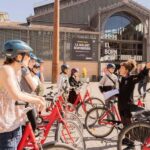
You’ll get a quality bike, a lock, and a helmet (available on request). Reviewers consistently mentioned that “the bikes were excellent” and “in good condition,” which matters when you’re cycling for four hours through an urban environment. The locks are essential—you’ll want to feel confident leaving your bike when you stop.
Group Size and Pacing
The maximum of eight people keeps things intimate. You’re not cycling in a massive peloton trying to keep up with a guide on a megaphone. The pace is described repeatedly as “easy,” “comfortable,” and “not rushed,” which means even less experienced cyclists can enjoy themselves. One reviewer mentioned that their guide “always checked to ensure we were ok,” which speaks to the attentiveness you can expect.
Timing and Logistics
Four hours might sound like a long time in the saddle, but the frequent stops break it up nicely. You’re cycling maybe two hours total and spending the rest of the time exploring neighborhoods on foot. The tour operates year-round, though reviewers who went on hot days mentioned that “riding through the tree lined streets the breeze was very pleasant”—a reminder that Barcelona’s urban design includes shade and wind patterns that make cycling comfortable even in summer.
The meeting point is at Steel Donkey Bike Tours Barcelona, located at the Port Vell area near the Marina. It’s close to public transportation, so getting there isn’t complicated. The tour ends back at the same location, so you don’t need to worry about transportation logistics.
Weather Considerations
The tour requires good weather, which is reasonable for cycling. If it’s canceled due to poor weather, you’ll get offered an alternative date or full refund, so you’re not taking a financial risk on the weather gamble.
The Value Proposition
At $47 per person, you’re paying less than many walking tours in Barcelona, yet you’re covering significantly more ground and getting a more personalized experience. The bike rental alone would cost €15-25 if you rented independently, so you’re essentially paying $22-32 for four hours of expert guidance through neighborhoods most travelers never see.
The fact that 98% of travelers recommend this tour isn’t random. It’s the result of guides who genuinely care about sharing their city, an itinerary thoughtfully designed to reveal Barcelona’s actual character, and an approach that respects both your time and your intelligence as a traveler.
One reviewer who works as a baker mentioned that their guide Claudia “found a bakery that I never would have,” illustrating how these guides have real local knowledge that goes beyond the standard tour script. Another family said the tour was “the highlight of my trip to Barcelona,” which is high praise considering all the competing attractions in the city.
A Couple of Honest Notes
The tour isn’t perfect for everyone. One experienced cyclist felt that the guide wasn’t organized enough, that they got separated from the group at times, and that the frequent stops in narrow alleys where you had to dismount and walk weren’t ideal for someone wanting to actually ride the city’s extensive bike lane network. If you’re an experienced urban cyclist looking to maximize time actually pedaling, this tour prioritizes exploration and knowledge over cycling performance.
Also, Barcelona’s streets are genuinely busy with pedestrians, scooters, and cars. You need to be alert and confident on a bike. This isn’t a leisurely country ride; it’s urban cycling in a crowded Mediterranean city. The reviews mention “zigzagging in between pedestrians,” which is accurate. If you haven’t ridden a bike in years, you might want to do a short practice ride before the tour to rebuild your confidence.
Booking and Cancellation
You can cancel up to 24 hours in advance for a full refund, which is generous and low-risk. The tour books on average 37 days in advance, suggesting you should plan ahead during peak season (May through September), though it’s available year-round.
The tour offers group discounts, so if you’re traveling with friends or family, ask about rates. The mobile ticket system means you don’t need to print anything; just show your phone at the meeting point.
Who This Tour Is Really For
Families with older kids and teenagers will find this works beautifully. It’s active enough to keep younger people engaged, but the historical context and guide expertise appeals to adults. Multiple reviews mention teenagers being “pleasantly surprised” by the experience.
Travelers who’ve already done the major attractions and want to understand the real Barcelona will get the most from this tour. It’s an excellent second or third activity if you’re spending multiple days in the city.
People who love cycling but want guidance rather than just renting a bike and figuring it out themselves. You get the independence of cycling with the local knowledge of a guide.
Solo travelers will appreciate the small-group format, which is social without being overwhelming. You’ll naturally interact with the other seven people on the tour.
Anyone who values authenticity over Instagram moments will find this tour aligned with their travel philosophy. You’re seeing neighborhoods where people actually live and work, not just posing in front of famous monuments.
The Bottom Line
This tour delivers genuine value through guides, a thoughtfully designed route that reveals Barcelona’s actual character, and a small-group format that allows for real interaction and flexibility. At $47 per person for four hours of expert cycling and neighborhood exploration, it’s one of Barcelona’s better-value experiences. You’ll see parts of the city most travelers miss, understand how different eras and neighborhoods fit together, and leave with a much deeper sense of what Barcelona actually is beyond its famous attractions. Book it if you’re a reasonably confident cyclist seeking authentic neighborhoods and guides who genuinely love their city—you’ll likely find it the highlight of your Barcelona visit.
Barcelona Off the Beaten Track Bike Tour
Frequently Asked Questions
What’s included in the tour price, and what isn’t?
The $47 price includes a quality bike, a lock, a helmet (available on request), and four hours with an experienced local guide. What’s not included: food and drinks, and hotel pickup/drop-off. You’re responsible for getting to the meeting point at Port Vell, though it’s near public transportation. The only paid attraction mentioned is Torre Glories, but you’re just viewing it from outside, not paying admission.
Do I need to be an experienced cyclist to enjoy this tour?
Not necessarily. Multiple reviews mention people who hadn’t cycled in years managing the tour just fine. The pace is comfortable and not rushed, and guides check in to make sure everyone’s okay. That said, you need to be confident enough to navigate Barcelona’s busy streets—it’s not a leisurely park ride. If you’re very nervous about urban cycling, you might want to practice first or consider a walking tour instead.
What’s the actual cycling-to-stopping ratio, and how much are we actually pedaling?
You’re cycling maybe two hours total across the four-hour tour, with the rest spent exploring neighborhoods on foot. The frequent stops—typically 10-45 minutes at each location—break up the ride and let you actually absorb what you’re seeing rather than just pedaling past it. This makes the tour less physically demanding than it might sound.
How hot does it get, and is the tour comfortable in summer?
Barcelona can get quite warm (80s-90s F/27-32C) in July and August. However, reviewers who went on hot days noted that “riding through the tree lined streets the breeze was very pleasant.” The urban design includes shade, and you’re moving rather than standing still, which helps. Start early in the day if you’re concerned about heat, bring water, and wear sunscreen.
What if the weather is bad—do I lose my money?
No. The tour requires good weather, and if it’s canceled due to poor conditions, you can either reschedule for another date or get a full refund. You can also cancel up to 24 hours before the tour for any reason and get a full refund, so you’re not taking a financial risk.
How much time do we actually spend cycling versus standing around listening to information?
One reviewer mentioned “lots of stopping and listening” was boring at first, which is honest feedback. However, most travelers found the historical context and guide knowledge added value rather than detracting from the experience. The stops average 15-45 minutes depending on the location, so you get chunks of time to actually explore rather than being rushed through. If you prefer maximum cycling time over neighborhood exploration, this might not be the right tour for you.