When you’re planning a trip to Bordeaux, you want to make the most of your time in this elegant French city. We love this walking tour because it hits all the major architectural highlights—from the stunning Grand Theatre to the iconic Water Mirror—while keeping you moving at a comfortable pace. What really sets it apart is the quality of the guides, who consistently earn praise for making the history of Bordeaux feel alive and personal rather than like a recitation from a guidebook.
The main consideration worth noting upfront: at around $120 per person for a 2-3 hour walking tour, it’s pricier than some free walking tours you’ll find in European cities. However, the private nature of the experience and the consistent five-star reviews suggest you’re paying for genuine expertise and a customized pace that adapts to your interests.
This tour works best for travelers who appreciate architecture and history, want a comprehensive orientation to Bordeaux’s center on their first day, or prefer the comfort of knowing they’ll have a guide rather than navigating on their own. If you’re the type who gets energized by learning how a city actually became what it is today, you’ll find real value here.
- What Makes This Tour Stand Out
- The Complete Itinerary: What You’ll Actually See and Do
- What Travelers Actually Say About the Experience
- The Practical Details That Matter
- Is This Tour Worth the Price?
- Practical Tips for Getting the Most Out of This Tour
- Frequently Asked Questions
- The Bottom Line
- More Tours in Bordeaux
- More Tour Reviews in Bordeaux
What Makes This Tour Stand Out
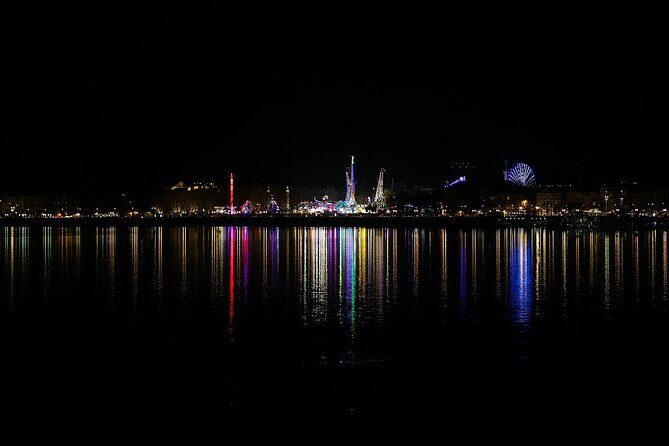
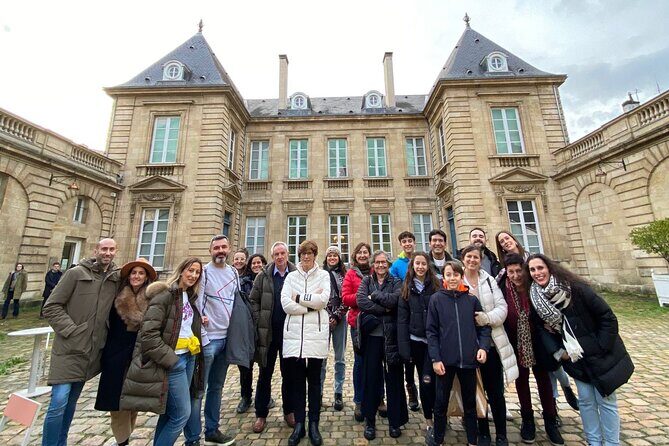
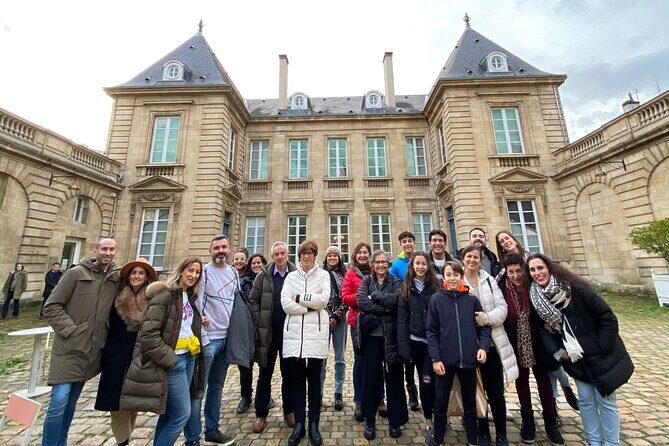
The Walking Is Free tour has earned an exceptional 5.0 rating across 610 reviews, which tells you something important: this isn’t a case of one or two lucky travelers having a great experience. The consistency of praise across dozens of reviews reveals a tour company that has figured out how to deliver real value.
What we’re seeing in the reviews is a pattern of travelers appreciating three specific things: guides who actually know their material deeply, a route that balances major sights with quieter neighborhood moments, and the flexibility to spend more time where you’re genuinely interested. One traveler noted that their guide “asked us about our interests so that the tour could be adapted to suit us,” which speaks to how the tour operates in practice. You’re not locked into a rigid script.
The guides themselves deserve special mention. Reviewers name-check Pascale, Elissa, Nicolas, Elisa, and Pamela—and praise them individually for being warm, engaging, knowledgeable, and funny. That’s not generic praise; those are specific qualities that come through in how people describe their experience. One traveler said their guide “clearly loves Bordeaux and was very compelling. I could listen to him forever,” which captures something important: you’re getting someone who chose to be a guide because they actually care about sharing the city.
The Complete Itinerary: What You’ll Actually See and Do
The tour covers 13 distinct stops over 2-3 hours, which gives you a sense of the pace. You’re moving regularly, but not rushing. Let’s walk through what you’ll encounter:
Starting at the Grand Theatre
You begin at the Opéra National de Bordeaux, the Grand Theatre itself—a stunning neoclassical structure that dominates Place de la Comédie. This 18th-century building is one of Bordeaux’s most recognizable landmarks, and your guide will explain its history and architectural significance. Note that entrance isn’t included, but you’ll get the full exterior experience and the context for understanding why this building matters to the city’s identity.
The Historic Center: Squares and Gates
From the Grand Theatre, the tour moves through the historic heart of Bordeaux. You’ll spend time in Place de la Comedie, where you can see the Grand Hotel alongside the theatre. Place Gambetta comes next, where you’ll learn about the Dijeaux gate and the square’s role in the city’s medieval history. These aren’t just pretty plazas—your guide will explain how they shaped how people moved through and lived in Bordeaux.
The tour includes the Tour Pey-Berland, the separate bell tower of Bordeaux Cathedral. This distinctive structure, named after its patron, sits on its own square and gives you a different perspective on the cathedral itself. A traveler mentioned their guide had “a deep knowledge of Bordeaux and was happy to share it with us,” and these architectural details are exactly where that knowledge shines through.
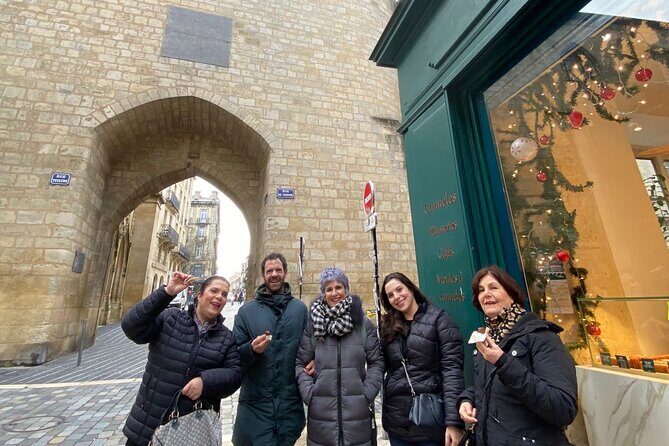
You’ll also see the Grosse Cloche (the Gate of the Great Bell) on Saint James Street—another piece of medieval Bordeaux that remains standing. These gates and towers aren’t just decorative; they’re the actual infrastructure that controlled access to the medieval city, and understanding that changes how you see them.
Religious Architecture: Basiliques and Spiritual Life
The tour includes two important religious structures. The Basilique Saint-Michel sits in the San Miguel neighborhood—a Gothic basilica that’s been central to Bordeaux’s spiritual and community life for centuries. Your entrance to either the Cathedral or this Basilica is included with the tour, so you’ll get to step inside at least one major religious building.
These aren’t quick photo stops. Your guide will have time to explain the architectural styles, the historical periods they represent, and what they tell you about how Bordeaux saw itself. One reviewer noted learning “so much history” during the tour, and these stops are where that historical depth really comes through.
Markets and Local Life: Marche des Capucins
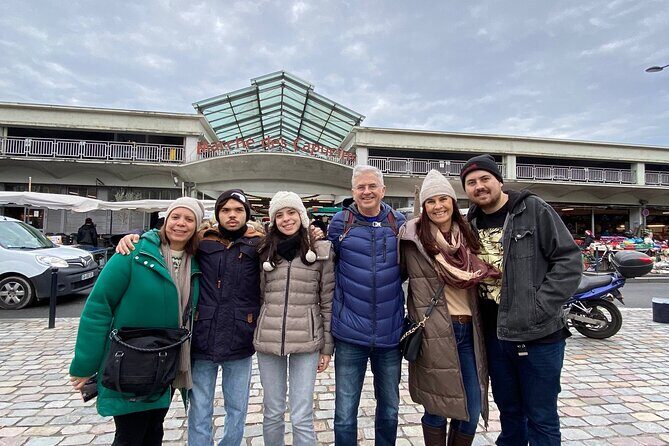
The Marche des Capucins represents a shift from monuments to actual daily life. This is Bordeaux’s most traditional market, and you’ll spend 15 minutes here. You’ll find local products, cheeses, wines, prepared meals, and coffee. This isn’t a tourist-focused stop; it’s where locals actually shop. Your guide might recommend where to eat, what to try, or what’s seasonal. Several reviewers specifically mentioned getting “food recommendations” and “tips for lunch, dinner and special places around the city,” which suggests guides use this market stop to genuinely help you experience Bordeaux the way residents do.
Architectural Drama: Porte Cailhau and the Waterfront
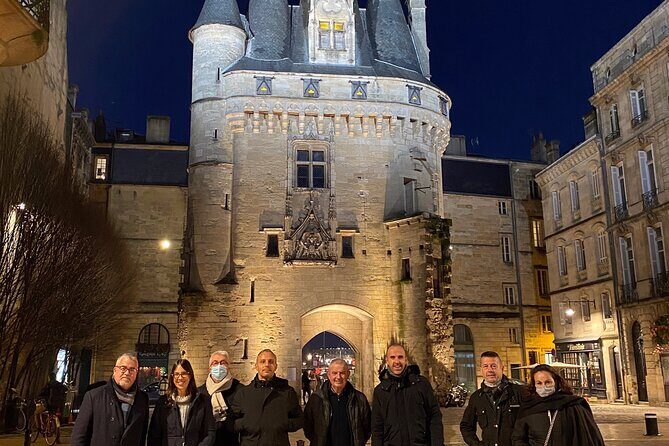
Porte Cailhau is a castle-like structure that served as the main gate to medieval Bordeaux. Seeing how it dominates Palace Square gives you a visceral sense of how Bordeaux controlled and presented itself to the world. The tour then moves to the Pont de Pierre (Stone Bridge), one of Bordeaux’s most photographed structures. You’ll learn about its history and the city that grew around it.
The Water Mirror: The Iconic Bordeaux
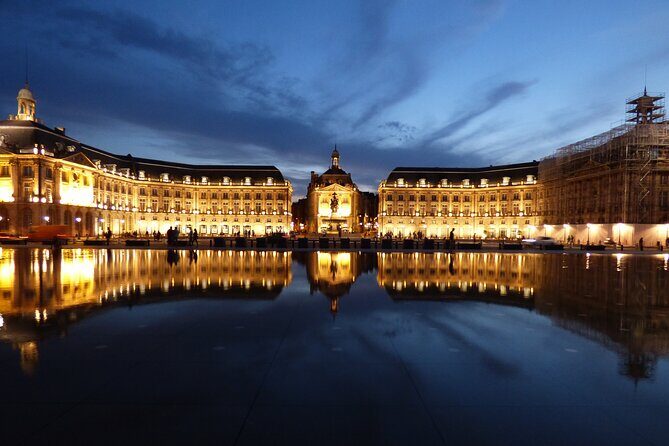
The tour concludes at the Water Mirror (Miroir d’eau) in Place de la Bourse, and this deserves special attention. This is where the tour ends, and it’s deliberately positioned as the finale. The Water Mirror is Bordeaux’s most famous modern attraction—a shallow reflecting pool that mirrors the 18th-century Stock Exchange building and creates one of those perfect photographs that makes you understand why people visit Bordeaux in the first place.
Entrance to the Water Mirror is included, which means you’ll actually experience it rather than just viewing it from a distance. One traveler called it “a gem of Bordeaux” and “the typical postcard of this beautiful city,” and that’s exactly right. It’s also a beautiful place to end a walking tour—you’ve moved through centuries of history and you finish in a space that feels both modern and timeless.
You can also read our reviews of more tours and experiences in Bordeaux.



What Travelers Actually Say About the Experience
Looking at the reviews, several themes emerge consistently. First, guides receive almost universal praise for knowledge and passion. A traveler described their guide as having “a deep knowledge of ancient and modern history of the city” paired with “engaging storytelling and passion for the city.” Another noted that their guide “kept the tour at a perfect pace, allowing us to take in the stunning sights while sharing fascinating insights and little-known facts.”
Second, families appreciate that the tour works for different ages and interests. One parent mentioned their guide “was very nice with our kid,” and another noted the tour was “great for families that are interested in the history of the place they are visiting.” The flexibility to adapt to what people actually want to learn about matters.
Third, people consistently mention learning unexpected details. One traveler was surprised to learn about a “sun tax” in Bordeaux—exactly the kind of historical tidbit that makes a tour memorable rather than forgettable. Another traveler noted that their guide “knew just where to stand for the best photo,” which speaks to the guides understanding not just history but also how to help you experience the city visually.
The price concern does appear in reviews, though interestingly, most people who mention it still rate the tour highly. One traveler noted that “the price is a little high for a walking tour of 2 to 2 and a half hours,” while another said it was “well worth the money” despite the rain. The company’s response to pricing criticism notes that “this is a private tour” and that “our rate is the average rate for a private tour in Bordeaux,” which is fair context. You’re paying for a private guide experience, not a group tour.
One honest review noted that after taking three tours in Bordeaux, this one ranked third—the guide was good but “seemed to be giving us a rote memorized experience” compared to other tours that were “more immersive, engaged and interesting.” This is worth noting: the quality can vary based on which guide you get and whether they connect with your particular interests. Most reviews suggest this doesn’t happen, but it’s possible.
The Practical Details That Matter
Duration and Pacing
The tour runs 2-3 hours, which is long enough to cover genuine ground and context but short enough that you’re not exhausted. The 15-minute stops at major sites and 10-minute stops at smaller ones mean you’re always moving. This pacing works well if you want an overview and orientation to the city on your first day, or if you have limited time. It’s not a leisurely pace where you’ll spend an hour in any single location.
Group Size and Private Experience
This is a private tour, meaning only your group participates. You’re not joining 30 other travelers. This changes the experience significantly—your guide can adapt to your pace and interests rather than keeping to a schedule set by the largest group. It also means you can ask questions and have actual conversations rather than just listening to a prepared speech.
Timing and Booking
The tour is booked, on average, 55 days in advance, which suggests you should plan ahead if you have specific dates in mind. Confirmation comes at the time of booking, and you can cancel up to 24 hours in advance for a full refund. The meeting point is the Grand Theatre in Place de la Comédie, which is central and easy to find.
Accessibility and Logistics
Service animals are allowed, and the tour is near public transportation. The company notes that “most travelers can participate,” which suggests it’s reasonably accessible, though the walking pace and distance should be considered if you have mobility concerns. You’ll want comfortable walking shoes and weather-appropriate clothing—one traveler mentioned their guide “kept us going through the rain and managed to inform us of lots of facts,” so the tour operates in various conditions.
What’s Included and What Isn’t
Entrance to the Cathedral of Bordeaux and/or Basilica of San Miguel is included, as is entrance to the Water Mirror. An exclusive guide speaking English or Spanish is included. What’s not included: entrance to museums or other sites beyond those mentioned. Budget accordingly if there are specific museums you want to visit beyond what the tour covers.
Is This Tour Worth the Price?
At $119.72 per person, this tour costs more than a typical free walking tour but less than a full-day excursion. The value question comes down to what you’re paying for: a private guide who knows Bordeaux deeply, a curated route that hits the major sights while including neighborhood moments, and the flexibility to focus on what genuinely interests you.
If you’re comfortable spending roughly $40-50 per hour for a knowledgeable private guide in a European city, this sits in the normal range. If you’re comparing it to free walking tours (where you tip the guide), it’s more expensive. If you’re comparing it to large group tours, it’s significantly more expensive. The 5.0 rating across 610 reviews suggests people generally feel they got what they paid for.
The tour makes most sense if you’re arriving in Bordeaux and want a comprehensive orientation that’s more personalized than a large group experience, or if you’re genuinely interested in understanding the city’s history and architecture rather than just seeing famous photo spots.
Practical Tips for Getting the Most Out of This Tour
Wear comfortable walking shoes—you’ll cover several kilometers over 2-3 hours. Bring water, especially in warm months. The tour includes a market stop, so if you’re interested in local products, bring cash or be prepared to make purchases. Ask your guide about neighborhood recommendations for dinner or coffee; the reviews suggest guides are generous with local knowledge.
If you have specific interests—Eleanor of Aquitaine’s history, wine culture, medieval architecture, or local food—mention them when you book or when you meet your guide. The tour is designed to adapt to what you actually want to learn about.
Consider what time of day works best for you. The tour operates year-round, but Bordeaux is pleasant in spring and fall. Summer can be crowded; winter is quieter but potentially rainy (though one traveler noted the guide handled rain gracefully).


Frequently Asked Questions
How long is the tour and what’s the walking distance?
The tour runs 2-3 hours with 13 stops throughout central Bordeaux. You’ll cover several kilometers, so comfortable walking shoes are essential. The pace is steady but not rushed, with stops ranging from 10-15 minutes at each location.
Are entrance fees included in the tour price?
Partial. Entrance to the Cathedral of Bordeaux and/or Basilica of San Miguel is included, as is entrance to the Water Mirror. Other museums and attractions beyond these are not included. The Grand Theatre exterior is viewed but not entered.
Can the tour be customized to my interests?
Yes. Multiple reviews mention guides asking about travelers’ interests and adapting the tour accordingly. This is one of the key benefits of a private tour—you’re not locked into a rigid script.
What languages is the tour offered in?
The tour is offered in English and Spanish. Guides are exclusive to your booking, so you’ll have a guide who speaks your language fluently.
What’s the cancellation policy?
You can cancel up to 24 hours in advance for a full refund. Cancellations made less than 24 hours before the tour are non-refundable, and changes less than 24 hours before the start time won’t be accepted.
What should I bring and wear?
Comfortable walking shoes are essential. Bring water and weather-appropriate clothing. The tour operates in various weather conditions. Cash is useful if you want to purchase items at the market stop.
How far in advance should I book?
The tour is booked, on average, 55 days in advance, suggesting you should plan ahead for specific dates. However, availability may exist for closer dates depending on guide schedules.
The Most Complete and Best Rated Tour of Bordeaux
The Bottom Line
This is an exceptionally well-reviewed walking tour that delivers genuine value for travelers who want to understand Bordeaux’s architecture, history, and character rather than just check off famous photo spots. The 5.0 rating across 610 reviews isn’t an accident—it reflects a tour company that has trained guides to be knowledgeable, engaging, and genuinely interested in helping you experience the city. The private nature of the experience means you get a guide who adapts to your pace and interests, not a one-size-fits-all script.
You’ll spend 2-3 hours moving through centuries of Bordeaux’s history, from medieval gates and Gothic basilicas to 18th-century neoclassical plazas and modern reflecting pools. Your guide will explain how the city actually developed and why it looks the way it does. You’ll visit a working market where locals shop. You’ll end at the Water Mirror, one of Europe’s most photogenic public spaces.
The price is higher than free walking tours but reasonable for a private guide experience in a major European city. It works best for travelers arriving in Bordeaux who want a comprehensive orientation, history enthusiasts who appreciate understanding a city’s development, families who want an engaging introduction suitable for different ages, and anyone who values personalized attention over large group experiences. If you’re looking for a solid first day in Bordeaux that sets the context for exploring further on your own, this tour delivers consistently.