When you’re exploring Sofia, Bulgaria’s lively capital, you might find yourself intrigued by its striking blend of architecture that reflects its complex past. This Communist architecture walking tour offers a focused look at how Bulgaria’s political history is etched into the city’s buildings.
It’s a gentle, one-hour stroll through some of Sofia’s most distinctive structures from the mid-20th century—an experience that’s as much about understanding history as simply admiring architecture.
What really draws us in is how the tour reveals the layers of Bulgaria’s recent past—from the staged power displays to everyday residential life in a ‘new humanity’. Plus, it’s conducted by a friendly live guide, which makes the stories more engaging. That said, it’s a short tour, so it’s perfect if you’re pressed for time or want a brief, themed glimpse rather than an exhaustive deep dive.
It’s especially suited to those curious about Sofia’s political history, architecture enthusiasts, or travelers who appreciate an easy, quiet walk with a focus on culture.
One consideration? The tour is designed to be accessible and straightforward, so if you’re expecting a large group or a highly detailed, in-depth exploration, it might feel a bit light. Still, for a focused, well-paced overview, it hits the right notes. If you’re in downtown Sofia and want to see the city’s communist-era buildings in context, this tour ticks a lot of boxes.
This experience is a good pick for history buffs, architecture fans, or anyone eager to understand Bulgaria’s 20th-century story without a heavy itinerary. If you’re after a relaxed, informative walk that ties architecture to history, this one’s worth considering.
- Key Points
- What to Expect from the Tour
- The Itinerary in Detail
- Starting Point: bul. “Knyaginya Maria Luiza” 16
- The Walk: About 1 Hour
- End Point: Palais national de la culture
- What You’ll See and Learn
- Buildings from the 1950s and 1980s
- The Power of Architecture
- Cultural and Traditional Elements
- Symbols and Their Clash
- The Value of the Experience
- Practical Details
- Who This Tour Is Best For
- FAQs
- Final Thoughts
- More Walking Tours in Sofia
- More Tours in Sofia
- More Tour Reviews in Sofia
Key Points
 1 / 6
1 / 6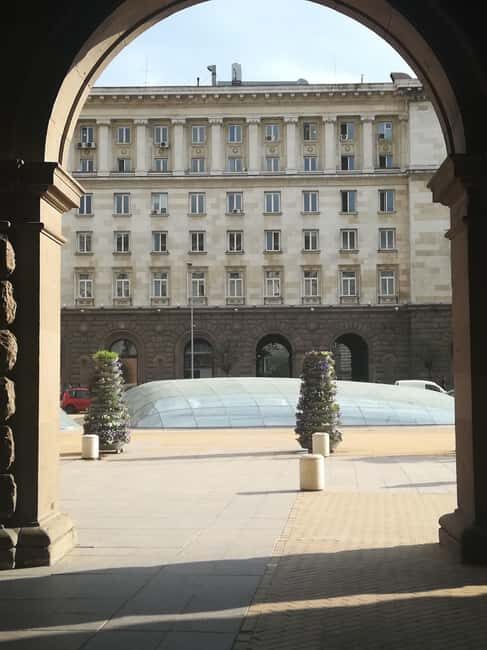 2 / 6
2 / 6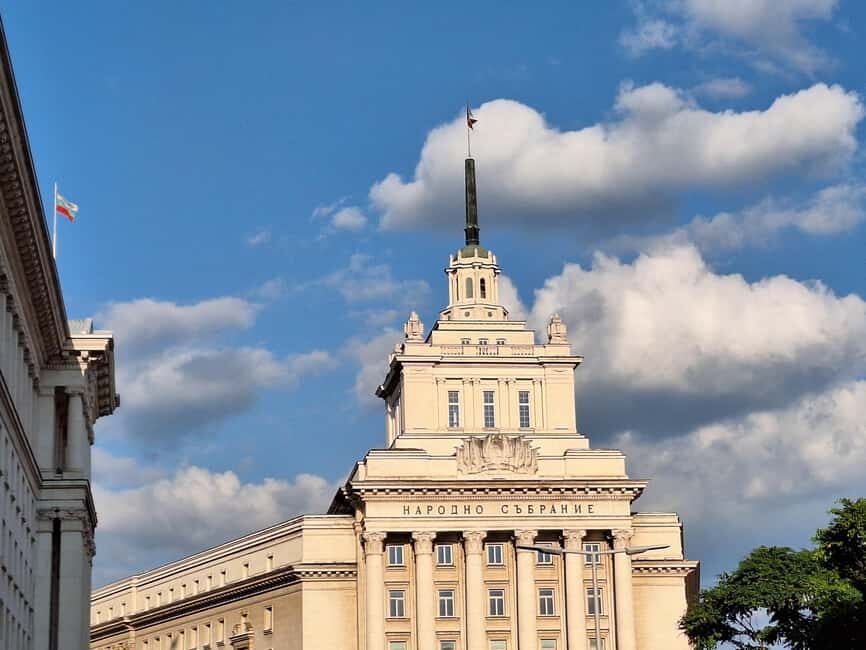 3 / 6
3 / 6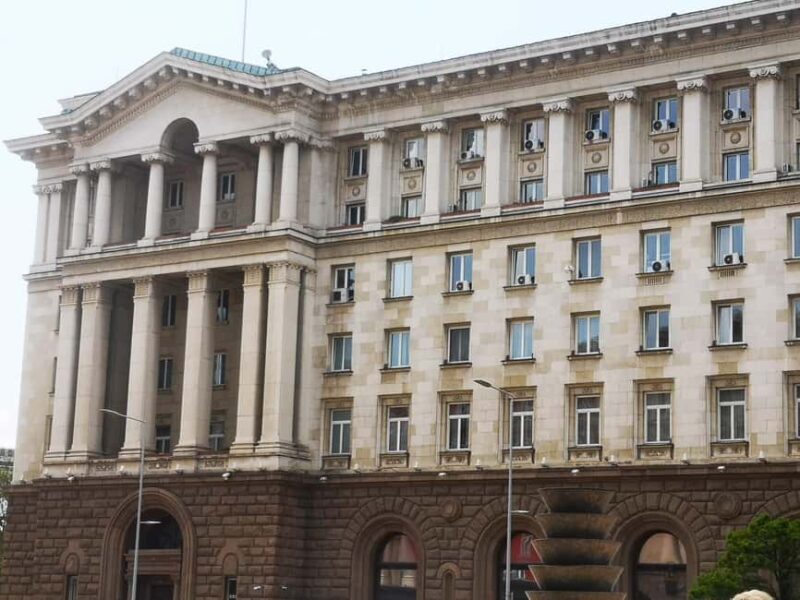 4 / 6
4 / 6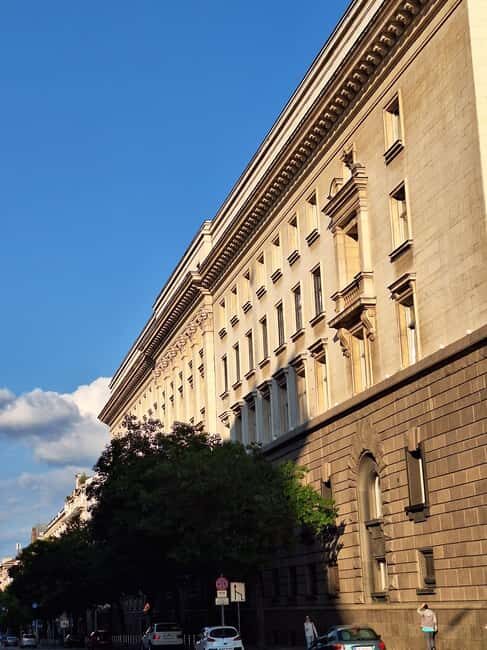 5 / 6
5 / 6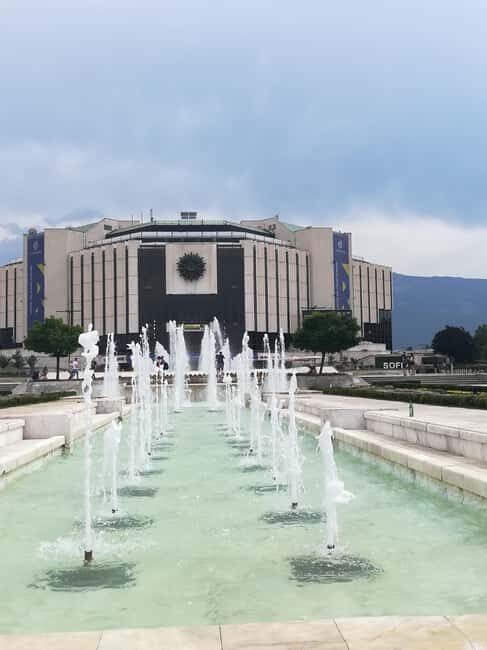 6 / 6
6 / 6- Short and focused: An hour-long walk that covers Sofia’s communist architecture, making it ideal for quick, insightful sightseeing.
- Themed exploration: Concentrates on buildings from 1950 and 1981, showcasing modernist and brutalist styles.
- Historical context: The tour connects architecture with Bulgaria’s political power and societal changes.
- Interactive and engaging: The guide encourages chats and exchanges, making the experience more personable.
- Accessible and quiet: Designed to be easy to walk and wheelchair-friendly, great for a relaxed pace.
- Location and convenience: Begins at a central spot near Maria-Luisa Boulevard and ends at the Palais national de la culture.
What to Expect from the Tour
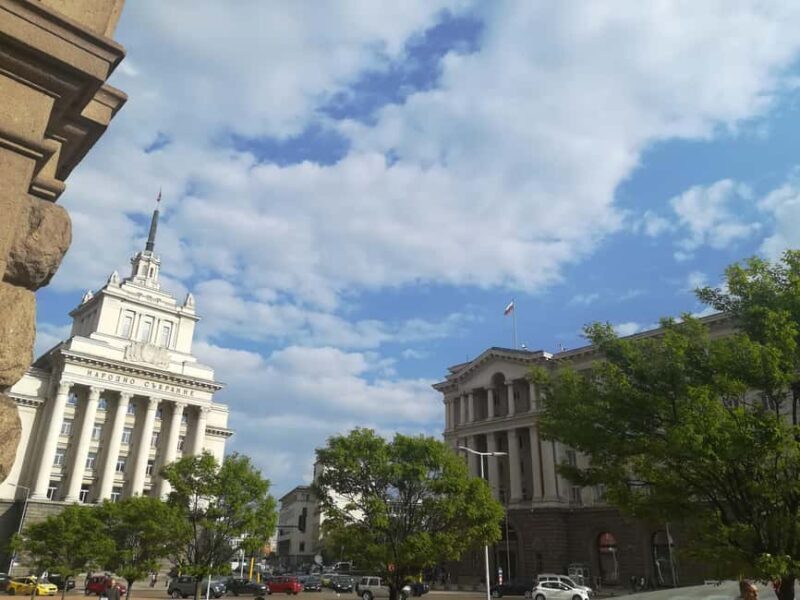
This walking tour is centered around the historic core of Sofia, mainly between the Largo and NDK area. It’s a themed stroll, focusing on the architecture built during Bulgaria’s communist era—specifically structures from roughly 1950 and 1981. You’ll get a glimpse into how political power staged its presence through the design of buildings, and how a modern cultural center like NDK (National Palace of Culture) integrates local traditions in a way that reflects Bulgaria’s layered identity.
The tour kicks off at the ‘Roca’ building—located near the Museum of Illusions—and guides you through key sites, giving insights into their architecture and the stories behind them. You’ll learn about how symbols of communist and historical power often clash in the city’s landscape, creating a visual dialogue that’s both striking and thought-provoking.
Throughout the walk, your guide will weave in narratives about 20th-century events, helping you visualize the city’s transformation. It’s an easy, quiet stroll through Sofia’s urban fabric, designed to give you a sense of how everyday life was shaped by grand political visions, especially in the residential buildings aimed at creating a ‘new humanity.’
You can also read our reviews of more walking tours in Sofia
The Itinerary in Detail
Starting Point: bul. “Knyaginya Maria Luiza” 16
You’ll meet your guide outside the ‘Roca’ building, near the entrance to the Museum of Illusions. This spot is central and easy to find, great for starting your exploration.
The Walk: About 1 Hour
From here, the guide will lead you through key sites in Sofia’s city center. You’ll see buildings from the 1950s and 1980s, with a focus on their modernist and brutalist styles. You’ll be encouraged to observe how political power was staged through architecture, and how public spaces and residential buildings reflect a vision of a ‘new humanity’.
More Great Tours NearbyEnd Point: Palais national de la culture
The tour concludes at this cultural hub, which itself embodies Bulgaria’s efforts to blend modernist and traditional elements—a fitting ending point to tie together history, architecture, and cultural identity.

What You’ll See and Learn
Buildings from the 1950s and 1980s
You’ll get a close look at structures built in these periods, which showcase the brutalist and modernist styles—characterized by raw concrete, functional forms, and simple lines. The guide might point out how these buildings embody the political ideology of their time.
The Power of Architecture
One of the tour’s strengths is showing how architecture acts as a reflection of political authority. For example, some buildings might appear grand and imposing, designed to stir awe or convey strength. Others, like residential blocks, represent ideals of social engineering—aimed at fostering a sense of community under a socialist regime.
Cultural and Traditional Elements
While the focus is on communist-era buildings, the tour highlights how local traditions are subtly incorporated, especially in the design of public spaces or cultural buildings like NDK. This blend shows Bulgaria’s complex identity—modern yet rooted in history.
Symbols and Their Clash
A fascinating aspect is how communist symbols often clash with historical or religious symbols. The tour might point out these visual contradictions, giving you an idea of Bulgaria’s ongoing negotiations with its past.
The Value of the Experience
It’s a quiet, contemplative tour that appeals to those interested in urban history, politics, and architecture. Reviewers have enjoyed the informative commentary, with some noting that the guide’s ability to revisit 20th-century events adds depth to what might otherwise be just a visual experience.
While some found the pace to be relaxed and easy, others commented that it’s great for a short visit—a quick, meaningful glimpse into Sofia’s recent past. The tour’s small group size (not specified but implied by its design) encourages conversation and personalized attention.
Practical Details
- Duration: 1 hour – great for fitting into a busy schedule or as a light introduction to Sofia’s history.
- Language: Guided in French, with some content shown in its original language.
- Accessibility: Wheelchair accessible, making it inclusive for different mobility needs.
- Cost: The tour offers free cancellation up to 24 hours in advance and the ability to reserve now and pay later, providing flexibility.
- What to bring: Just water and comfortable shoes—since it’s a walking tour, staying hydrated is a good idea.
Who This Tour Is Best For
If you’re someone who appreciates architecture as a reflection of history, or if you’re curious about Sofia’s political and social evolution, you’ll get a lot out of this tour.
It’s ideal for history buffs, architecture enthusiasts, or travelers who want a light, guided overview without a heavy itinerary. It’s also good for those who prefer quiet, contemplative walks rather than loud or busy tours.
It’s less suited for travelers looking for a deep or extensive exploration—given its one-hour duration and focused theme—but it works well as a complement to other city highlights.
FAQs
Is the tour suitable for wheelchair users?
Yes, the tour is wheelchair accessible, making it inclusive for travelers with mobility needs.
How long does the tour last?
It lasts approximately 1 hour, which is enough to get a meaningful overview without feeling rushed.
What language is the guide in?
The guide speaks in French, with some content presented in its original language, ensuring clarity for French-speaking visitors.
Where do we meet for the tour?
You meet at the ‘Roca’ building near the Museum of Illusions, at coordinates 42.7003, 23.3227—central and easy to find.
What should I bring?
Just water and comfortable shoes—since it’s a walk, staying hydrated and comfortable is key.
Can I cancel if my plans change?
Yes, you can cancel up to 24 hours in advance for a full refund, providing flexibility if your schedule shifts.
Walking tour: Communist architecture in downtown Sofia
Final Thoughts
This Communist architecture walking tour in Sofia offers a thoughtfully curated window into Bulgaria’s recent history, through the lens of its distinctive buildings. It’s best suited for travelers who like their sightseeing thoughtful and relaxed, with a focus on stories rather than just sights.
The guide’s ability to weave in historical context makes it a meaningful experience without feeling heavy or overwhelming.
If you’re visiting Sofia and want to understand how the city’s political past shaped its urban landscape, this tour provides a neat, accessible introduction. It’s a good way to see some of Sofia’s most emblematic communist-era buildings and gain insight into their significance—without the fuss of a long, complicated tour.
Whether you’re a history lover or simply architecture-curious, you’ll likely find this short walk both interesting and worthwhile.
In brief: For a compact, informative, and accessible way to explore Sofia’s communist architecture—highlighting history, symbolism, and urban design—this tour makes for a worthwhile addition to your city experience.
You can check availability for your dates here: