
We’ve reviewed this tour carefully, and what stands out immediately is the combination of exceptional value and consistently enthusiastic guide performances. You’ll appreciate both the carefully curated route through one of Paris’s most captivating neighborhoods and the genuine enthusiasm from guides who clearly love sharing Montmartre’s artistic heritage. That said, this tour involves considerable uphill walking on steep streets, and group sizes can reach 35 people—factors that matter if you’re managing mobility concerns or prefer more intimate experiences.
This tour works best for art and history enthusiasts, travelers visiting Paris for the first time, and anyone curious about the bohemian culture that shaped modern art. Even if you’re not particularly interested in Picasso or Monet, the neighborhood itself rewards exploration, and a guide makes all the difference in understanding why this hilltop district captivated so many creative minds.
- Why This Tour Deserves Your Attention
- Understanding the Route: A Carefully Planned Journey
- Stop 1: The Moulin Rouge and Nightlife History
- Stops 2-3: The Heart of Artistic Montmartre
- Stop 4: Sacré-Cœur and Panoramic Views
- Stops 5-9: Cultural Deep Dives and Hidden Gems
- What to Expect: The Practical Realities
- The Guide Experience: Where This Tour Truly Shines
- Value Analysis: Is This Worth the Money?
- When to Book and Practical Logistics
- The Honest Considerations
- FAQ: Practical Questions Answered
- Final Thoughts: Is This Tour Worth Your Time?
Why This Tour Deserves Your Attention

At $31.44 per person for a two-hour guided experience through one of Paris’s most historically significant neighborhoods, this represents genuinely smart spending. You’re not paying for a bus, a fancy venue, or a meal—you’re paying for access to a knowledgeable local guide who can explain the stories behind the streets you’re walking. That’s a worthwhile trade-off.
The tour operates through Sandemans, a company known for free and budget-friendly walking tours across Europe. This particular experience is their paid offering, and the reviews suggest they’ve earned the investment. With a 4.9-star rating across 810 reviews, and 97% of travelers recommending it, you’re looking at genuinely consistent satisfaction.
What makes this tour special isn’t just what you’ll see, but the context you’ll gain. Montmartre isn’t a museum—it’s a living neighborhood that happens to have extraordinary history embedded in its streets and buildings. A guide transforms what might otherwise be a pleasant walk into an education about why this particular hilltop became the birthplace of modern art movements.
Understanding the Route: A Carefully Planned Journey
The tour starts at Place Blanche, right at the border of Montmartre, and works its way uphill to conclude at the Basilica of Sacré-Cœur. This isn’t random wandering—it’s a strategic progression that builds from the neighborhood’s bohemian nightlife reputation to its spiritual heart.
Stop 1: The Moulin Rouge and Nightlife History
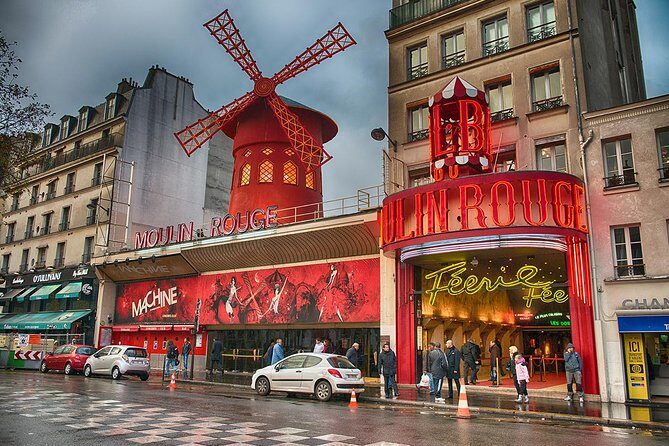
Your journey begins at the Moulin Rouge, the world-famous cabaret that opened in 1889. Your guide will explain how this venue defined entertainment, artistic expression, and the neighborhood’s reputation. One reviewer noted that their guide Alberto was “amazing, knowledgeable, funny, a great story teller,” and this is the kind of storytelling that transforms a building facade into a window into Belle Époque Paris. You won’t go inside (the tour doesn’t include admission), but understanding the venue’s cultural significance—how it attracted artists, performers, and creative thinkers—matters more than seeing the interior.
Stops 2-3: The Heart of Artistic Montmartre
The route then takes you through Place du Tertre, where you’ll see working portrait artists and caricaturists still plying their trade much as they did a century ago. This isn’t a staged tourist performance—these are legitimate artists making their living from their craft, which gives the square an authentic energy.
From there, you’ll pass by the studios and residences where Picasso and Van Gogh lived and worked. The tour also covers Au Lapin Agile, the cabaret bar where Picasso famously traded paintings for food and drink. These aren’t just buildings to photograph—they’re places where artistic movements were born. A reviewer named Neil noted that the tour works beautifully for “both history and art lovers,” and this is where that becomes evident.
Stop 4: Sacré-Cœur and Panoramic Views
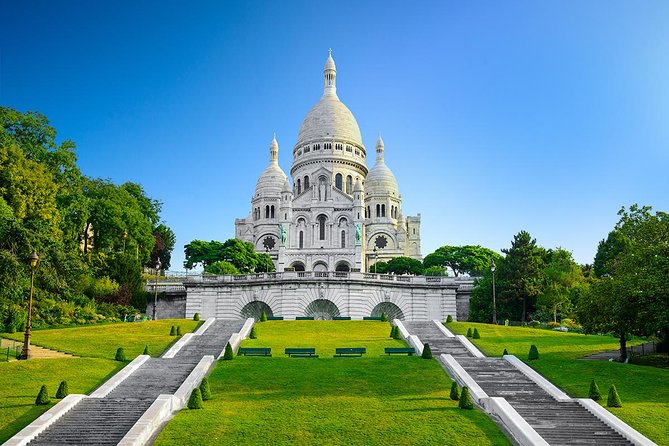
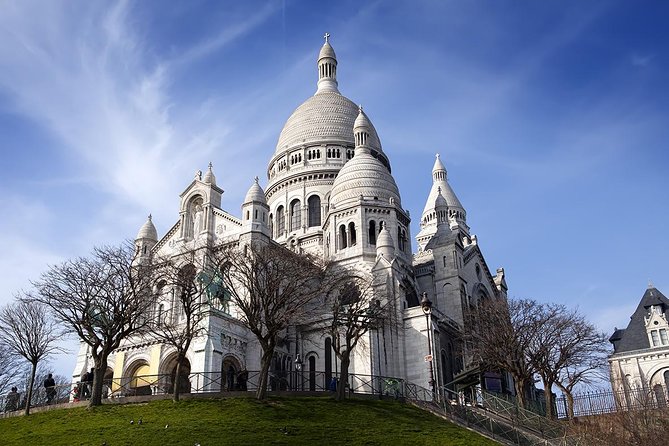
The tour climbs to the Basilica of Sacré-Cœur, the white Romano-Byzantine church that dominates Montmartre’s skyline. Multiple reviewers specifically praised the views from this location, with one traveler calling it “magnificent.” The basilica sits at the highest point in Paris, and the panorama from its steps is genuinely stunning—you can see across the entire city on clear days.
Your guide will explain the basilica’s history and architecture. It’s worth knowing that while the exterior and surrounding area are free to explore, going inside the basilica isn’t included in the tour. However, the steps and plaza offer plenty of photo opportunities and viewing points without admission.
Stops 5-9: Cultural Deep Dives and Hidden Gems
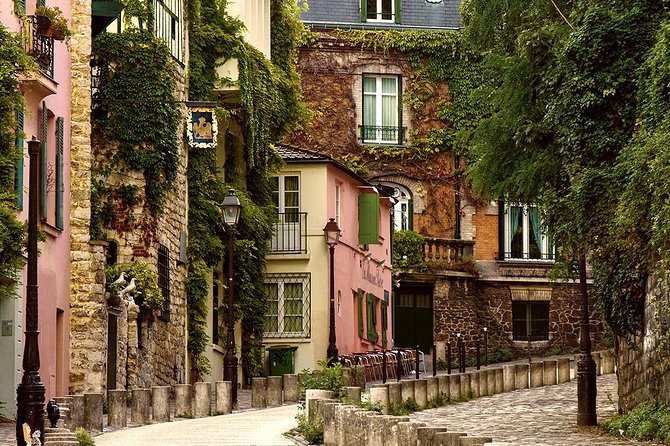
The tour continues to lesser-known but culturally significant stops: Place Dalida, dedicated to the French-Italian singer and LGBTQ+ icon; the Clos Montmartre vineyard, Paris’s last authentic vineyard; the Café des Deux Moulins, famous as a setting in the film Amélie; and La Maison Rose, the pink-hued building that appears in countless paintings and photographs.
Finally, you’ll explore Place Pigalle, which has a more complex reputation. Your guide will provide historical context about the red light district, helping you understand its role in Montmartre’s cultural evolution rather than presenting it as merely a tourist curiosity.
What to Expect: The Practical Realities
The Walking Factor: This tour is genuinely walk-intensive. You’re climbing steep hills in a neighborhood built on a hillside, which means your legs will feel the effort. One reviewer mentioned “a lot of walking up steep hills,” and another noted it was “long and all uphill.” This isn’t a criticism in the reviews—travelers understood what they were signing up for—but it matters if you have mobility limitations or aren’t accustomed to sustained climbing. Wear comfortable shoes you’ve already broken in, not new ones.
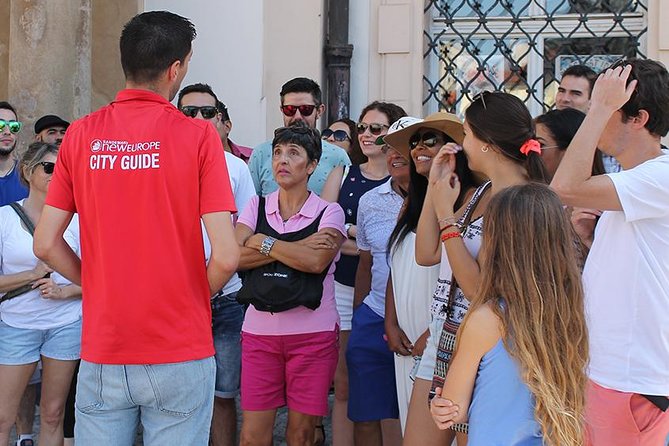
The Group Size: Tours max out at 35 people, which is substantial. One reviewer felt the group was “over subscribed” and found it “difficult to hear the guide at times.” However, most guides seem to manage group dynamics well. A reviewer named Tracy noted that despite hoping for a smaller group, “our tour guide did a great job keeping everyone engaged.” The quality of your experience depends partly on your guide’s ability to project and maintain attention across a larger group.
The Duration: The tour officially lasts about two hours, though several reviews mention it feels more like 2.5 hours. Plan accordingly if you have other activities scheduled. The 5:00 PM start time means you’ll finish around 7:00-7:30 PM, which works well if you want to explore cafés or restaurants afterward.
Mobile Tickets: You’ll receive your confirmation immediately upon booking, and you can access your ticket on your phone. No printing necessary, which simplifies logistics in a foreign city.
The Guide Experience: Where This Tour Truly Shines
If there’s one element that consistently elevates this tour above a self-guided walk, it’s the guides. The reviews repeatedly mention specific guides by name—Alberto, Dawie, Harry, Sebastian, Francois—and travelers credit them with bringing the neighborhood to life. One person wrote: “Harry was the most wonderful tour guide. He knew so much about the area and its history. I learned way more than I thought I would. Harry is super charismatic and animated and made the whole tour come to life!”
This suggests that guides aren’t just reciting facts. They’re selecting stories, adjusting pacing to group energy, and genuinely enjoying their work. Another reviewer noted that their guide was “not only knowledgeable but also passionate about Montmartre.” When a guide cares about their subject, that energy transfers to the group.
That said, not every experience is equally strong. One negative review mentioned a guide who was “hard to hear” and showed images on a cracked iPad, and another traveler felt shamed for arriving slightly late. These outliers matter—they remind you that experience quality depends on which guide you get and how that particular person handles their group.
Value Analysis: Is This Worth the Money?
At $31.44, you’re looking at roughly $15-16 per person per hour of guided experience. Compare this to museum entry fees (the Louvre costs around $17 just to walk in), restaurant meals, or other Paris activities, and you’re getting a legitimate bargain. You’re paying for expertise and curation, not for admission to a building or a meal.
The tour also includes free entry to all stops—you’re not paying extra fees at any location. What you’re not getting is food, drinks, or hotel pickup. This keeps costs down but means you’ll want to eat before or after, and you need to navigate to the starting point yourself. Most travelers find this reasonable given the price point.
When to Book and Practical Logistics
The tour is typically booked 66 days in advance, suggesting it’s popular enough to fill regularly but not so exclusive that booking far ahead is essential. However, if you’re traveling during peak summer season, booking earlier provides more certainty.
The starting point is at 5 Place Blanche, near the Moulin Rouge, which is accessible by Metro (Line 2 or Line 12). The ending point is at the Basilica of Sacré-Cœur, which is also Metro-accessible. You’ll want to use the Metro or a taxi to reach the starting point—there’s no hotel pickup included.
The free cancellation policy gives you flexibility: you can cancel up to 24 hours before the tour for a full refund. This matters if your plans change or if you want to secure a booking without committing immediately.
The Honest Considerations
This tour isn’t perfect for everyone. If you prefer smaller group experiences, the 35-person maximum might feel crowded. If you have mobility challenges, the steep hills and sustained walking will be difficult. If you’re exhausted from a long day of sightseeing, adding a 2-2.5 hour walking tour might not appeal.
Plus, your experience depends significantly on which guide you get. The reviews suggest most guides are excellent, but the outliers show that guide quality varies. You can’t control this when booking.
The tour also covers Montmartre’s highlights in a structured way, which means if you want to linger longer at any particular spot—sitting at a café for an hour, or spending time in a museum—this tour won’t accommodate that. It’s a survey course, not a deep dive.
FAQ: Practical Questions Answered
What’s the best time of day to take this tour?
The 5:00 PM start time means you’ll finish around 7:00-7:30 PM, as the sun is setting or has just set. This timing works well for photography if the weather is clear, though you’ll be walking partly in fading light. Consider bringing a light jacket, as it can be cool in the evening.
Do I need to speak fluent English to enjoy the tour?
The tour is offered in English, but it’s not specified whether guides speak additional languages. If English isn’t your first language, you might find it helpful to watch a short video about Montmartre beforehand so you’re familiar with the basic context and key names (Picasso, Van Gogh, etc.).
Are there restroom stops during the tour?
The tour doesn’t mention scheduled breaks, though it does hit several public areas where you could step away briefly. If you need regular restroom access, this is worth considering before booking.
Can I take photos throughout the tour?
Nothing in the tour information restricts photography, and reviewers mention “plenty of photo opportunities in very picturesque streets.” You should feel comfortable photographing at all stops.
What should I wear besides comfortable shoes?
Dress for the weather and evening conditions. Since the tour finishes around 7:00-7:30 PM, bring a light layer even if the day was warm. Avoid clothing that restricts movement, since you’ll be climbing hills and navigating crowded streets.
Is this tour suitable for children?
Children up to 13 can join for free with a valid ID. Several reviews mention the tour working well for “a variety of ages,” so it’s family-friendly. However, the sustained walking and uphill terrain might be challenging for very young children.
What’s included in the price, and what isn’t?
The $31.44 covers the guide and access to all stops. You’re paying for your own food, drinks, and transportation to the starting point. Budget accordingly if you plan to eat beforehand or grab a coffee during the tour.
How do I get to the starting point?
The tour starts at 5 Place Blanche, accessible by Metro Lines 2 and 12. The ending point is at Sacré-Cœur, also Metro-accessible. Plan for travel time to reach Place Blanche by 5:00 PM.
What happens if I’m running late?
One negative review mentioned being shamed for arriving slightly late, suggesting the tour starts promptly. Arrive early to avoid this stress. If you’re going to be significantly late, contact the provider, though one reviewer noted difficulty reaching them.
Montmartre District Walking Tour in Paris
Final Thoughts: Is This Tour Worth Your Time?
This tour delivers genuine value for budget-conscious travelers who want to understand Montmartre’s artistic heritage with expert guidance. The $31.44 price point is hard to beat for two hours of knowledgeable instruction in one of Paris’s most historically important neighborhoods. The consistently positive reviews—97% of travelers recommend it—suggest that most people walk away feeling they learned something meaningful and experienced the area authentically.
The tour works best if you appreciate art history, enjoy walking, and value expert context over solitude. It’s less ideal if you need mobility accommodations, prefer very small groups, or want to linger at specific spots without time pressure. The guide quality matters significantly, and while most guides earn genuine praise for their knowledge and charisma, you’re taking a small risk that yours might be less engaging.
If you’re in Paris and Montmartre is on your list, this guided tour transforms a neighborhood walk into an education. You’ll understand why artists chose to live here, how the area shaped modern art movements, and why it remains culturally significant today. That context—delivered by someone who knows the neighborhood intimately—is worth the modest investment.