
We’ve reviewed countless historical tours across Europe, and what stands out about this Schindler’s Factory experience is how genuinely knowledgeable the guides are. These aren’t people reading from scripts—they’re locals who’ve clearly studied this history deeply and actually care about helping visitors understand the complexity of what happened in Krakow during the Nazi occupation. One traveler captured this perfectly: “Our guide Mateusz was unbelievably knowledgeable, not only with historical facts, but he gave us loads of information on Schindler and little personal stories of people he knew of throughout the tour, which really brought it alive.”
The other thing we really appreciate is the value. For under $50, you’re getting skip-the-line museum access plus a 90-minute guided experience that transforms what could be a confusing self-guided walk through exhibits into a coherent, meaningful narrative about one of history’s most important stories. The museum itself is exceptionally well-designed, and having someone who knows how to guide you through it means you’ll actually retain what you learn instead of just moving from plaque to plaque.
- One Important Expectation to Reset
- Who Should Book This Tour
- The Logistics: Making It Easy to Get Started
- The Experience: What Happens During Those 90 Minutes
- What Makes the Guides Special
- The Value Proposition: Is .77 Worth It?
- Practical Considerations Before You Book
- Related Experiences Worth Considering
- The Bottom Line
- Frequently Asked Questions
One Important Expectation to Reset
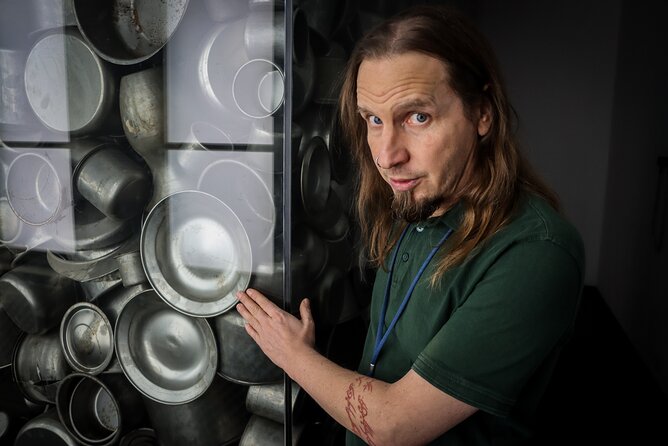
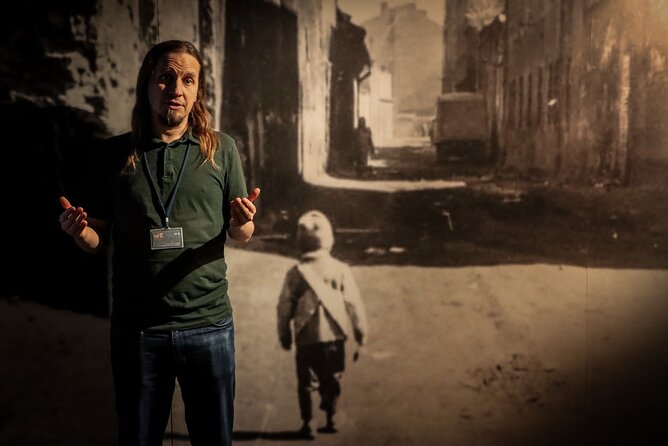
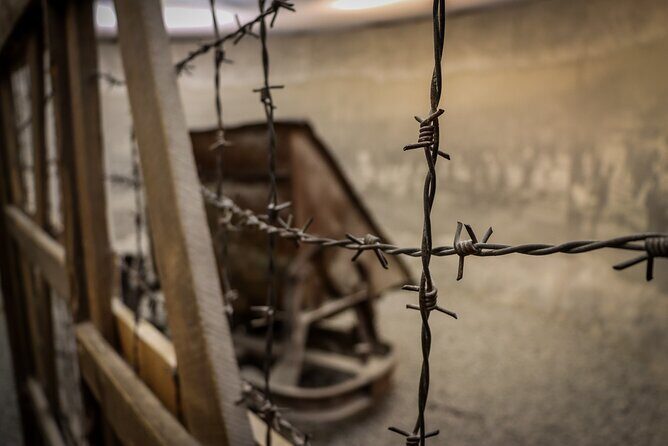
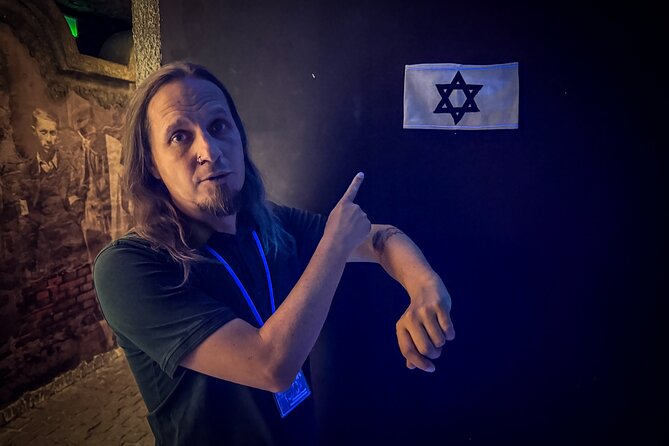
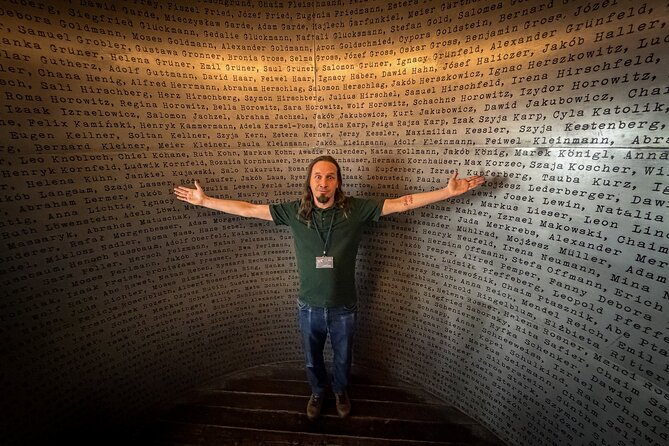
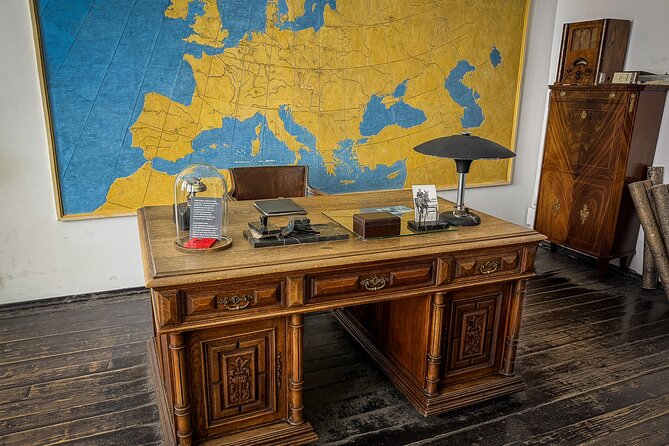
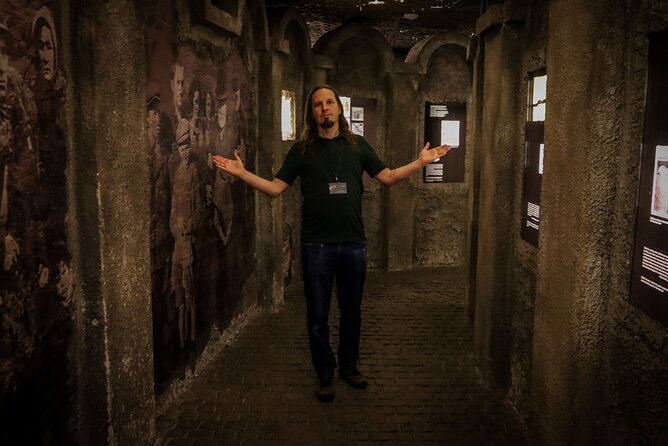
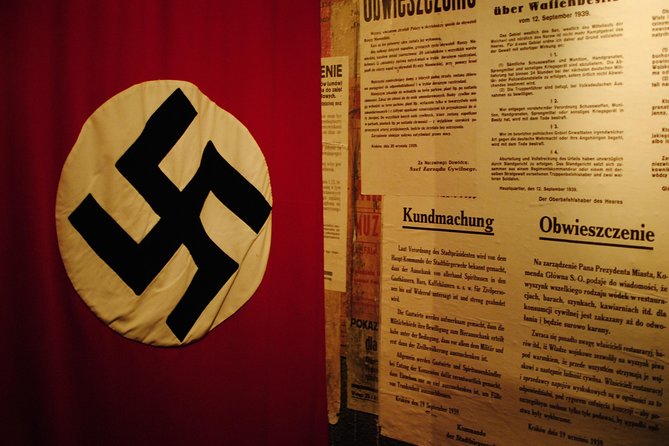
Here’s the thing: this tour isn’t primarily about Schindler himself or the factory operations. The museum occupies what was Schindler’s office building, and you will see his actual office space, but the real focus is a comprehensive exhibition about Krakow’s experience during WWII—the Jewish community before the war, the occupation, the ghetto, and the broader historical context. Several reviewers initially expected a factory tour and were pleasantly surprised to discover something more historically significant. As one traveler noted: “We were in a group of about 10 people. The guide explained that in this tour Schindler is a background character. The tour we was given was Krakow under the nazis.”
Understanding this upfront means you’ll appreciate what the tour actually delivers rather than feeling disappointed about what it isn’t.
Who Should Book This Tour
This experience is ideal for anyone interested in WWII history, the Holocaust, or understanding Poland’s experience during the Nazi occupation. If you’re planning to visit Auschwitz, adding this tour gives you crucial context about the community and history that makes Auschwitz even more meaningful. You don’t need to be a history buff—the guides are skilled at making complex history accessible—but you should be prepared for emotionally heavy subject matter. The tour involves a fair amount of standing and listening, so reasonable mobility is helpful. Small group sizes (maximum 20 people) mean you’ll actually hear your guide and can ask questions.
The Logistics: Making It Easy to Get Started
Meeting Point and Timing
The tour starts at 4:00 pm at Oskar Schindler’s Enamel Factory (Lipowa 4, 30-702 Kraków, Poland). The good news is that the meeting point is straightforward—your guide will be holding a yellow umbrella, so you literally can’t miss them. Multiple reviewers mentioned appreciating how easy it was to find their guide this way. The location is near public transportation, so getting there from your hotel or other parts of Krakow is manageable without requiring additional transportation costs.
Mobile Tickets and Entry
You’ll receive a mobile ticket upon booking, which means no hassle exchanging vouchers at ticket windows. Your skip-the-line access means you move straight into the museum with your guide rather than waiting in queues, which matters more during peak tourist season. The ticket includes museum admission and the guided experience—you’re not paying separately for anything once you arrive.
What’s Included and What Isn’t
The tour price covers your museum ticket, the 90-minute guided experience with a professional local guide, and local taxes. What’s not included is transportation to the museum (though it’s accessible by public transit) or hotel pickup. You’re also not getting any food or beverage during the tour, so you might want to grab coffee beforehand if you’re sensitive to standing for extended periods. The tour is offered in English, and based on reviews, the English proficiency of guides is consistently high.
The Experience: What Happens During Those 90 Minutes
Understanding the Museum’s Layout and Focus
The museum experience unfolds across exhibits that tell the story of Krakow before, during, and after the Nazi occupation. Your guide will help you understand the historical progression and significance of what you’re seeing rather than leaving you to interpret exhibits on your own. The difference between reading plaques and having someone explain the context is genuinely significant—one traveler wisely noted: “I learned far more than I would have reading the limited English plaques.”
The exhibits include artifacts, photographs, personal accounts, and reconstructed spaces that show daily life under occupation. You’ll see Schindler’s office—both the historical space and how it was portrayed in the film—which provides a tangible connection to the story many people know from “Schindler’s List.” But more importantly, you’ll understand how Schindler fit into the larger historical moment rather than viewing him in isolation.
The Pacing Question
This is where individual experiences vary noticeably. Some travelers felt the 90 minutes flew by too quickly, while others appreciated the pace. One reviewer mentioned: “Our guide rushed out through the museum in about an hour and that was it,” while another said: “Mateusz provided us with background information and tied in where he fitted in with history… he took his time and was very polite and considerate.” The difference often comes down to the specific guide’s approach and how many questions your group asks.
The takeaway: if you’re someone who likes to linger and read everything, you might find yourself wishing for more time. If you prefer a guided narrative that hits the highlights and helps you understand the big picture, 90 minutes is well-paced.
Group Size and Interaction
Tours are capped at 20 people, which is small enough that you can actually hear your guide and see the exhibits without constant jostling. Several reviewers specifically mentioned that their group of 8-10 people allowed for better interaction and more time for questions. This is a genuine advantage over larger group tours where guides rush through material just to keep people moving.
What Makes the Guides Special
If we’re being honest, the guide quality is what separates an okay museum visit from a truly memorable experience. The reviews consistently highlight specific guides by name—Mateusz, Max, Mitch, Lucie, Hania—and describe them as knowledgeable, patient, engaging, and genuinely passionate about the subject matter.
One particularly enthusiastic traveler wrote: “I’ve been on not than 100 tours all over the world, and Mitch (Maejic) is possibly the best guide. He’s acerbic, succinct, with wit, and had a way about him that will have you remembering the facts very easily.” Another noted that their guide “filled in any gaps with personal, family information and stories,” which suggests guides aren’t just delivering rehearsed material but drawing on genuine knowledge and connection to Polish history.
What you should expect: guides who can answer questions beyond the prepared script, who understand how to make historical context meaningful rather than just tragic, and who respect your intelligence as a traveler. This isn’t a tour where you’re talked at—it’s one where you’re guided through understanding.
The Value Proposition: Is $47.77 Worth It?
Let’s talk money. At under $50 per person, you’re paying less than a fancy dinner for 90 minutes of expert-guided access to one of Krakow’s most important museums. For comparison, self-guided museum visits might be cheaper in terms of ticket price, but you’d miss the context that transforms a collection of exhibits into a coherent story. If you were to take a private guide for 90 minutes in Krakow, you’d typically pay $100-150 or more.
The skip-the-line access alone has value, especially during peak season when museum queues can waste 20-30 minutes of your limited time in Krakow. The professional guide is the real value—you’re getting someone who knows how to tell this complicated story in a way that actually sticks with you.
One reviewer summed it up: “Not enough time in 1 day!” This suggests the experience left them wanting more, which is actually a compliment. They felt the time was so valuable they wished they’d had longer.
Practical Considerations Before You Book
Cancellation and Flexibility
You can cancel up to 24 hours before the tour for a full refund, which gives you flexibility if your plans change. Just note that cancellations within 24 hours forfeit your payment. The tour requires a minimum number of participants; if it’s canceled due to insufficient bookings, you’ll be offered an alternative date or a full refund.
Timing and Booking
Tours are typically booked about 59 days in advance on average, which suggests good availability but doesn’t mean you should wait until the last minute. The 4:00 pm start time is afternoon, which works well if you’re spending a full day in Krakow and want to do other activities in the morning.
Physical Demands
Be prepared for a fair amount of standing and moving through museum spaces. Multiple reviewers mentioned “lots of standing and listening,” so if you have mobility limitations, this tour might be challenging. The museum is indoors, so weather isn’t a factor, but comfortable shoes are definitely recommended.
Language Considerations
The tour is in English, and based on reviews, guides have strong English proficiency. If English isn’t your first language but you’re comfortable with it, you should be fine. If you need translation services or prefer a different language, you’d need to check availability.
Related Experiences Worth Considering
Many travelers combine this tour with other Krakow experiences. The most popular pairing is with an Auschwitz-Birkenau day trip, which makes sense—understanding Krakow’s wartime history provides crucial context for understanding Auschwitz. Some travelers also add the Wieliczka Salt Mine tour for variety, though that’s a completely different type of experience.
If you’re spending multiple days in Krakow, you might also visit the Jewish Ghetto Memorial and the remains of Plaszow concentration camp on your own, which one thoughtful reviewer suggested would “tie in” with what you learn on this tour.
The Bottom Line
This tour delivers genuine value for history-minded travelers willing to engage with heavy subject matter. You’re getting expert local guides, skip-the-line museum access, and 90 minutes of guided narrative that transforms exhibits into meaningful understanding—all for under $50. The main caveat is resetting expectations: this is about Krakow’s WWII experience with Schindler as an important but not central figure. If you’re interested in WWII history, planning to visit Auschwitz, or simply want to understand this crucial moment in Polish and Jewish history, this tour is absolutely worth booking. The guides are consistently praised for their knowledge and engagement, and travelers repeatedly express that the guide made the experience significantly better than it would have been alone.
Krakow Schindler’s Factory Museum Guided Tour in English
Frequently Asked Questions
Q: Is this tour actually at Oskar Schindler’s original factory?
A: No, the original factory building no longer exists. The museum is housed in the office building that Schindler used, and you do see his actual office space. However, the museum is primarily focused on the broader history of Krakow during WWII rather than factory operations. Multiple reviewers noted this distinction, but once they understood what the tour actually covered, they found it more meaningful than they’d expected.
Q: How much walking is involved, and how physically demanding is this tour?
A: The tour involves substantial standing and moving through museum exhibits over 90 minutes. Multiple reviewers specifically mentioned “lots of standing and listening.” If you have mobility limitations or difficulty standing for extended periods, you should consider whether this tour is feasible for you. Comfortable shoes are definitely recommended.
Q: Can I explore the museum on my own after the guided tour ends?
A: Based on reviewer feedback, it appears the tour concludes and doesn’t include additional independent exploration time. One reviewer noted being surprised that they couldn’t return to explore on their own after the guide finished. If extended time in the museum is important to you, you might want to contact the tour operator beforehand to clarify.
Q: What’s the maximum group size, and how does that affect the experience?
A: Tours are capped at 20 people maximum, though many reviewers reported groups of 8-15 people. The smaller group size means you can actually hear your guide and see exhibits without constant crowding. Several reviewers specifically noted that smaller groups allowed for better interaction and more time for questions.
Q: Is this tour appropriate for teenagers?
A: The museum recommends admission for youth from age 14 and up. Given that the content covers the Holocaust and Nazi occupation, this is appropriate for mature teenagers with interest in history, but parents should consider their individual child’s readiness for this heavy subject matter.
Q: What’s included in the ticket price, and what extra costs should I expect?
A: The $47.77 price includes museum admission, the 90-minute guided tour, and local taxes. It does not include transportation to the museum (though it’s near public transit) or any food and beverages. Once you arrive at the meeting point, there are no additional costs.
Q: How far in advance should I book this tour?
A: Tours are typically booked about 59 days in advance on average, suggesting good availability. However, you can book closer to your travel dates. Just remember you need to cancel at least 24 hours in advance for a refund if plans change.
Q: What language is the tour offered in, and how strong are guides’ English skills?
A: The tour is offered in English. Based on consistent reviewer feedback, guides have strong English proficiency and communicate clearly. Reviewers repeatedly mentioned that guides were “easy to understand” and “excellent” with English.
Q: Is this tour better than visiting Auschwitz, or should I do both?
A: One reviewer who’d been on over 100 tours worldwide said this was “better than the Auschwitz tour,” but most travelers who’ve done both suggest they’re complementary rather than competitive. This tour provides crucial context about Krakow’s wartime history that actually enhances an Auschwitz visit. Many travelers do both during their time in the region.