
If you like history that feels close enough to touch, Western Approaches HQ Museum is a standout stop in Liverpool. The premise is wonderfully simple: you’re going underground to a secret WW2 command center that helped coordinate the Battle of the Atlantic.
It’s self-guided, so you set the pace. That matters here, because the best parts are the quiet details—rooms that feel staged, documents that suggest real work in motion, and the sense of a place paused when the doors finally closed in 1945.
- What you actually see inside the Western Approaches HQ
- The Map Room: the nervous system of the battle
- Working tools, wartime phones, and intelligence that had to stay secret
- Self-guided walkthrough: pace, rooms, and hands-on moments
- A museum still unfolding: why some visits feel richer
- The ending that eases you back to wartime life
- How it compares to London’s war museums (and why it still matters)
- Practical tips before you go
- Who this tour is best for
- Pricing, timing, and flexibility
What you actually see inside the Western Approaches HQ
 1 / 8
1 / 8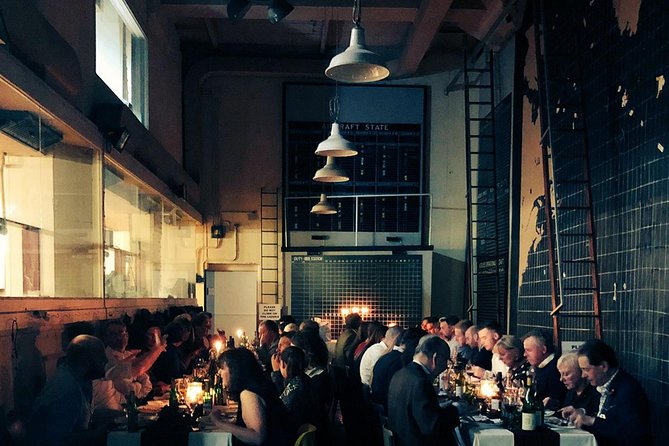 2 / 8
2 / 8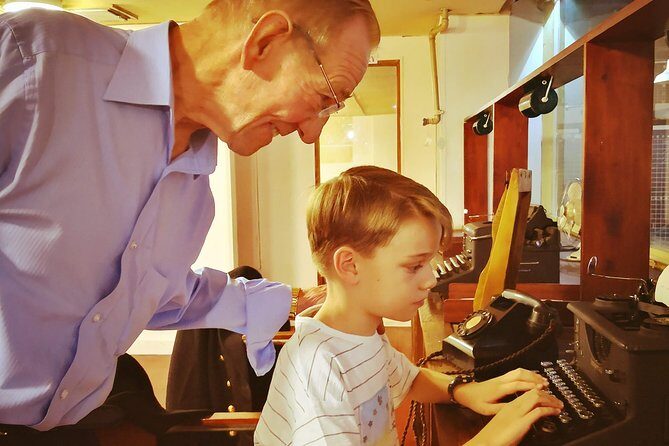 3 / 8
3 / 8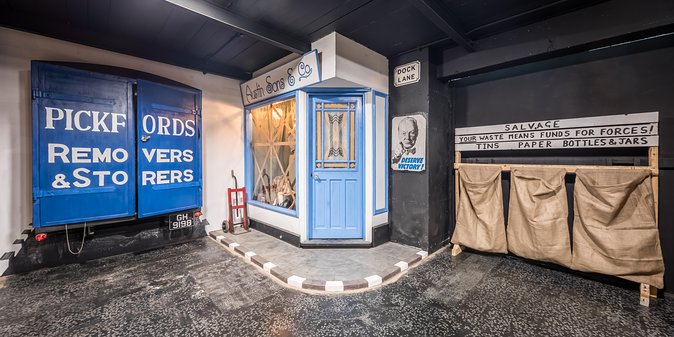 4 / 8
4 / 8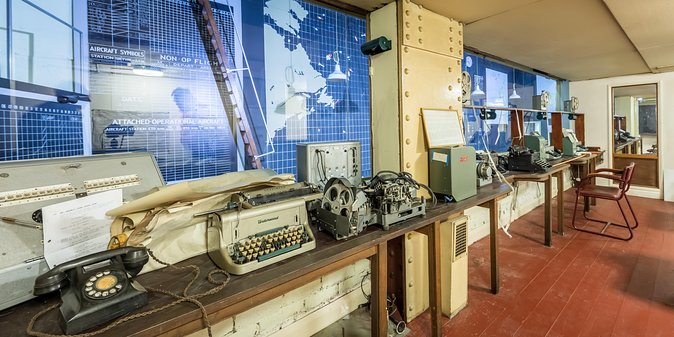 5 / 8
5 / 8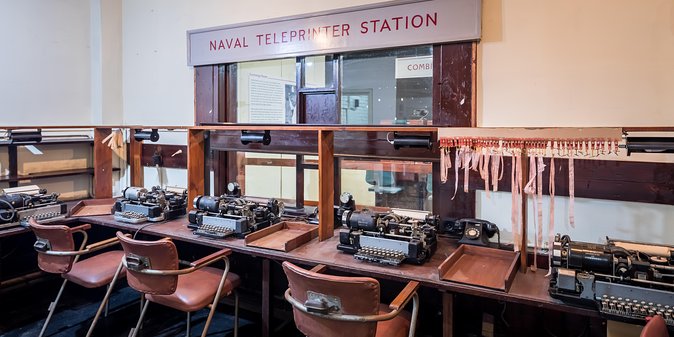 6 / 8
6 / 8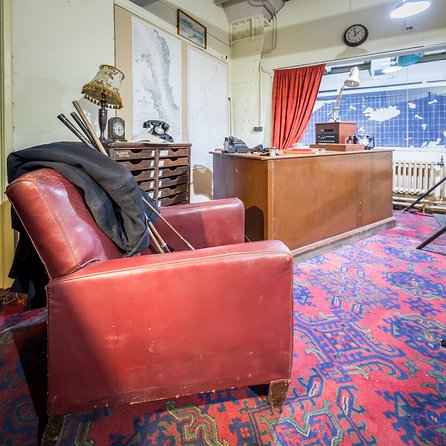 7 / 8
7 / 8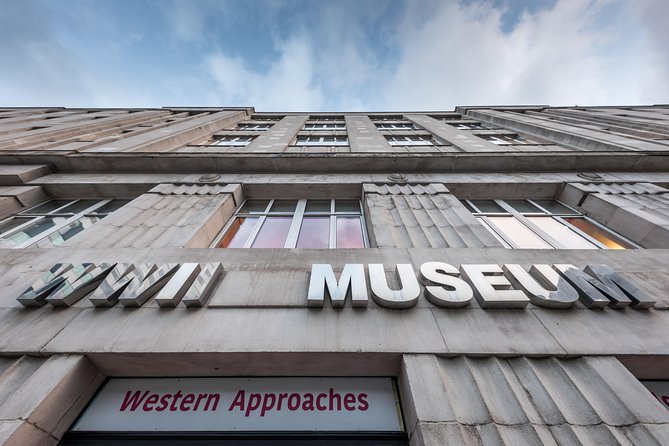 8 / 8
8 / 8Your visit centers on The Battle of the Atlantic Experience, a guided-without-being-a-guided tour through a sequence of bunker spaces. Expect about a dozen rooms that cover how convoys were monitored, how intelligence was processed, and how decisions were turned into action.
This museum leans into atmosphere. The corridors, offices, and working areas are arranged like they were left behind, which is why many visitors say it feels newly reopened rather than merely displayed.
The Map Room: the nervous system of the battle
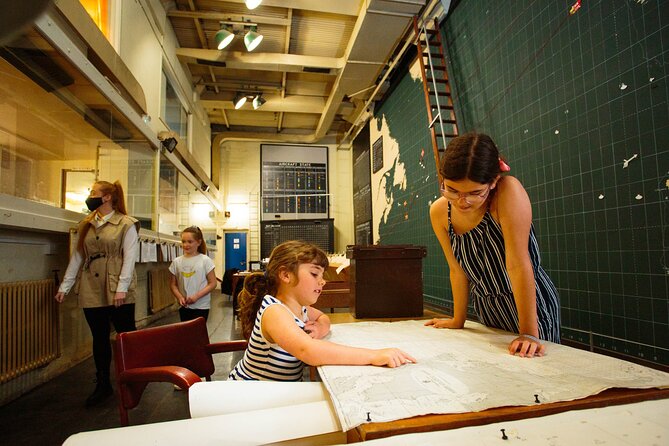
The highlight for most people is the Map Room, described by the museum as the nerve center of the operation. You’ll see commanders and allied personnel working from this critical hub, with a huge map spread across the table to track convoy routes and shipping lines.
What makes this room hit is the logic of wartime accuracy. Pinpointing enemy locations wasn’t a theory—it was the difference between contact and failure, and between disrupting threats or losing ships.
Working tools, wartime phones, and intelligence that had to stay secret
One of the most compelling parts of the museum is the emphasis on communications and operational secrecy. You’ll spot wartime tools used to monitor enemy convoys and send information onward while keeping the full picture hidden from the enemy.
Visitors consistently mention the extraordinary presence of a surviving wartime phone with a direct line to London’s war cabinet. It’s the kind of artifact that makes you stop walking for a minute and just stare.
Self-guided walkthrough: pace, rooms, and hands-on moments
Since this is a self guided tour, you can move quickly if you’re short on time, or slow down if you’re the type to read everything. Reviewers often report they planned for about an hour and ended up closer to two.
The tour is structured like a journey: hidden rooms and corridors, desks you can sit at, and equipment such as typewriters and teleprinter-style machines that help you visualize how information flowed. There’s even a telephone exchange area and opportunities to try on uniforms, which is a fun bonus even for adults.
A museum still unfolding: why some visits feel richer
A common theme in recent feedback is that the museum feels alive rather than finished. One review notes ongoing refurbishment and that they’re continually finding new items to add.
If you’ve ever visited a small museum that felt static, this won’t be that. It’s compact, but the care in presentation and the grounded attention to detail create a sense of continuing discovery.
The ending that eases you back to wartime life
At the end of the visit, you’re not just dumped back upstairs. There’s a room with hot drinks available at wartime-style prices, plus traditional games and a film about life in Liverpool during the war.
This is a good way to broaden the story beyond naval strategy and into daily reality. It’s also an easy win if you’re visiting with kids or anyone who wants a break from reading-heavy exhibits.
How it compares to London’s war museums (and why it still matters)
Many travelers bring up the Churchill War Rooms when they compare this experience. Fair comparison: the Churchill site is bigger and more immersive in places, with more layered storytelling.
But Liverpool’s strength is different. Here, the setting does a lot of the work for you. Walking those bunker spaces and seeing the command environment recreated with such care makes it feel personal, especially if you want the Atlantic campaign through the lens of real operations.
Practical tips before you go
Here’s what to plan for so the visit goes smoothly:
- Location and finding it: It’s not far from Albert Dock, but some visitors say the streets aren’t clearly marked, so give yourself a little extra time to navigate.
- Accessibility reality check: There are steps down into the bunker, and moderate physical fitness is recommended.
- Time needed: Many people treat it like a quick stop, then stay longer—think 1–2 hours depending on how much you want to read.
- Transport: It’s near public transportation, so it’s easy to pair with other Liverpool sights.
- Tickets: You get a mobile ticket and admission to the museum with your booking.
Who this tour is best for
This is a strong choice if you’re a WWII history fan, especially if you’re interested in the Battle of the Atlantic, intelligence work, or the role of naval communications and coordination. Reviews also highlight the significance of women in wartime operations, which adds a valuable angle to the story.
It’s also a solid pick for families, since the bunker setting is inherently engaging and the museum includes playful, hands-on touches. Just note: it’s small and focused, so if you’re looking for a huge, blockbuster-style museum, you may feel you want more than what fits in a self-guided walk.
Western Approaches Self Guided Tour
Pricing, timing, and flexibility
The price is about $24.26 per person, and it’s scheduled daily from 10:00 AM to 6:00 PM across the listed operating period. Confirmation comes at booking time, and service animals are allowed.
One perk worth planning for is the return admission plan—an annual pass-style benefit that lets you come back within 12 months. If you’re the type who always wants one more look at maps and documents, this can make the price feel like a bargain.