
I like Berlin best when I’m walking and reading the city as I go. This tour strings together major Cold War and modern landmarks in a tight center-area route, starting near Alexanderplatz and ending back where you began.
Two things I really like: the emphasis on a live, guide (you’ll often hear names like Ester, Ana, Miguel, Katia, and Nora come up in guest feedback), and the strong value for money at a low per-person price with free admission at the listed stops.
One thing to consider: a few unhappy travelers reported guide no-shows or confusion about meeting points, so it’s smart to double-check the exact location on your confirmation and arrive a bit early.
- Key highlights worth planning for
- What this Berlin walking tour gives you (and what it doesn’t)
- Price and timing: how the value really works
- Meeting point at Generator Berlin Alexanderplatz
- Walking pace and fitness level
- Guide quality is the make-or-break factor
- Itinerary breakdown: what you’ll see and why each stop matters
- Stop 1: Reichstag building and the story of German parliament
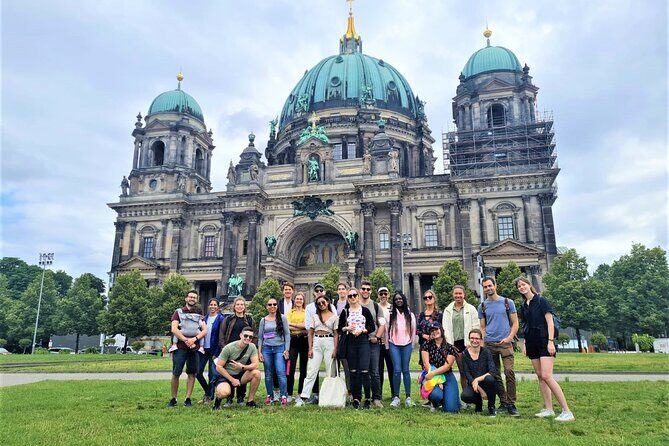
- Stop 2: Berliner Dom and the German capital through civic life
- Stop 3: Brandenburg Gate and the symbols of shifting eras
- Stop 4: Checkpoint Charlie’s Cold War spotlight
- Stop 5: Memorial of the Berlin Wall and what separation did
- Stop 6: Memorial to the Murdered Jews of Europe (Holocaust Memorial)
- Stop 7: Ausstellung Objektschutzregiment der Luftwaffe Friesland
- The in-between storytelling moments
- Mobility, transit, and how to plan your day
- What the best guides do differently (based on guest feedback)
- A note on tipping and the idea of free walking tours
- Weather and comfort: Berlin reality check
- Who this tour is best for
- Should you book? My practical take
- FAQ
- FAQ
- How long is the Berlin walking tour?
- Where does the tour start?
- Does the tour end at the same place?
- What language is the tour offered in?
- How many people are in the group?
- Is admission included for the stops?
- What’s the price?
- Is public transportation included?
- What fitness level do I need?
- What is the cancellation policy?
- When do I receive confirmation?
Key highlights worth planning for
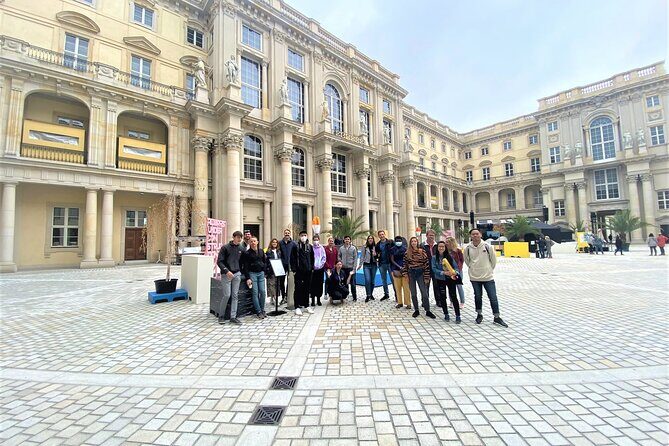
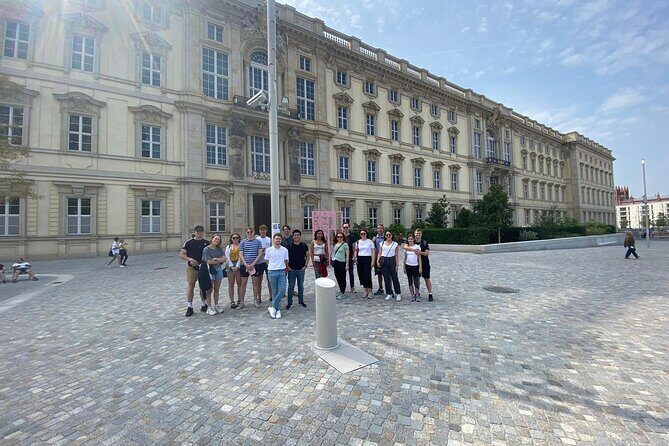
- Max 50 travelers for a manageable group size
- English-speaking guide with an “answer your questions” vibe in many reviews
- Free admission at key sights listed (Reichstag, Berliner Dom, Brandenburg Gate viewpoints)
- Big history beats in a short walk: parliament, the Berlin Wall legacy, and the Holocaust Memorial
- Prime center locations: you start at Generator Berlin Alexanderplatz and loop back there
- Real street-level context for Soviet-era and Cold War remnants you might miss on your own
What this Berlin walking tour gives you (and what it doesn’t)
This is a classic “orientation by foot” style tour. You trade public transit for steady walking and a guide who helps you connect the dots between architecture, power, and everyday life in Berlin across centuries.
What you won’t get is a slow, stop-everywhere pace with long museum time. The tour is built around short, story-led stops—so you come away with context and direction, not a full-day deep dive into any single building.
It’s also worth noting that the tour is priced very low, which can be great for budget travel—but it can also mean you should pay attention to practical details like meeting instructions and any tipping expectations mentioned in communications.
Price and timing: how the value really works
On paper, the price is $2.90 per person, and the tour runs about 3 hours (approx.). The practical value is that you’re paying for guide time and direction, while key stops list free admission.
That said, several travelers reported the tour can run longer than advertised (some mention it being closer to 4 hours). If you have tight plans after the tour, keep some breathing room.
Also, the tour is booked on average 18 days in advance, which suggests it can fill up—so booking earlier usually helps your odds.
Meeting point at Generator Berlin Alexanderplatz
The tour starts at Generator Berlin Alexanderplatz, at Otto-Braun-Straße 65, 10178 Berlin. It ends back at the meeting point, which is convenient if you want an easy return to your hotel area.
Because multiple guest comments mention issues with meeting logistics (including a couple of no-show or meeting-point-change complaints), I’d treat this like any good walking tour: arrive early, and keep your phone ready for your confirmation and any mobile ticket details.
Walking pace and fitness level
The tour calls for moderate physical fitness. That usually means you should expect continuous city walking, some time spent standing around at major sites, and the usual Berlin walking surfaces.
If you’re traveling with mobility limitations or you’re not used to multi-hour walking, you might want to plan for breaks. In bad weather, that matters even more—some reviews specifically mention cold, snow, and icy streets, but also note the walking paths felt manageable.
Guide quality is the make-or-break factor
The most consistent praise is about guides with clear English and strong storytelling. Several names show up repeatedly in guest feedback: Ester, Adolfo, Ana, Katia, Francesca, Nora, Rosanna, Miguel, Evan, Ronja, Richard, and Phillipe.
Here’s what that quality looks like in real terms:
- Guides tend to answer questions instead of just reading a script.
- They often bring in architectural and social context, not only dates.
- Many guests mention the tour felt fun and engaging, even when covering heavy topics.
The downside is also clear from the lower ratings: if your guide doesn’t show up, or if delivery is very dry, your experience can take a hit. On walking tours, the guide isn’t a detail. It’s the whole product.
Itinerary breakdown: what you’ll see and why each stop matters
Stop 1: Reichstag building and the story of German parliament
You start at the Reichstag Building, the famous parliament structure in Berlin. Even with just a short visit time, the guide’s job is to connect what you’re looking at now with how Germany’s political life has shifted over time.
The value here is framing. The Reichstag is more than a landmark photo—your guide should help you understand why this building became a symbol of power, rebuilding, and change.
One practical note: the listed stop time is about 20 minutes, so don’t expect a long architectural tour or extended time for questions.
Stop 2: Berliner Dom and the German capital through civic life
Next is Berliner Dom (Berlin Cathedral). The big idea is how religion, civic identity, and landmark architecture tie into Berlin’s image of itself.
This stop is also listed at about 20 minutes, so you’ll likely get key background and a few pointers on what to notice rather than a full interior or museum-style visit.
If you want more cathedral time, treat this stop as your “orientation”—then revisit later on your own when you can slow down.
Stop 3: Brandenburg Gate and the symbols of shifting eras
You’ll reach the Brandenburg Gate, one of the most recognizable monuments in Berlin. The guide typically explains its origins and why it became a stage for modern history.
A short stop like this is best for photo angles and context. It’s an easy place for your guide to point out how Berlin’s past is layered: Prussian-era intentions, later upheavals, and Cold War meaning.
Expect a quick rhythm: listen, look, snap a photo, and keep moving.
Stop 4: Checkpoint Charlie’s Cold War spotlight
Then comes the story zone around Checkpoint Charlie, the best-known Berlin Wall crossing point between East and West Berlin during the Cold War.
This is one of those stops where the guide’s narration matters a lot. You’ll want them to connect the point on the map to the bigger system: borders, pressure, escapes, and international attention.
If you’re expecting a long, museum-level experience here, set expectations lower. The tour structure is built for short storytelling pauses rather than extended exploration.
Stop 5: Memorial of the Berlin Wall and what separation did
Your next major stop is the Memorial of the Berlin Wall. This section is where the emotional weight of the Wall becomes very real—because it wasn’t just concrete, it was separation for millions of people.
Because the stop is listed at about 20 minutes, you’ll get the big themes and human impact, not an extended research project.
I’d still approach it with a little time to pause. Even in a group, this is one of the locations where you’ll probably want a quiet moment after the guide’s explanation.
Stop 6: Memorial to the Murdered Jews of Europe (Holocaust Memorial)
Next is the Holocaust Memorial, also called the Memorial to the Murdered Jews of Europe. This is a serious stop, and the tour’s short timeframe means the guide’s framing becomes extra important.
You’re likely to hear how Berlin’s history includes both early national growth and the darkest period under the Nazi regime. Many guides on this kind of route also highlight how remembrance works in the city today.
If you prefer to read and walk slowly through memorial spaces, consider leaving a bit of your own time afterward, because a guided stop can feel fast.
Stop 7: Ausstellung Objektschutzregiment der Luftwaffe Friesland
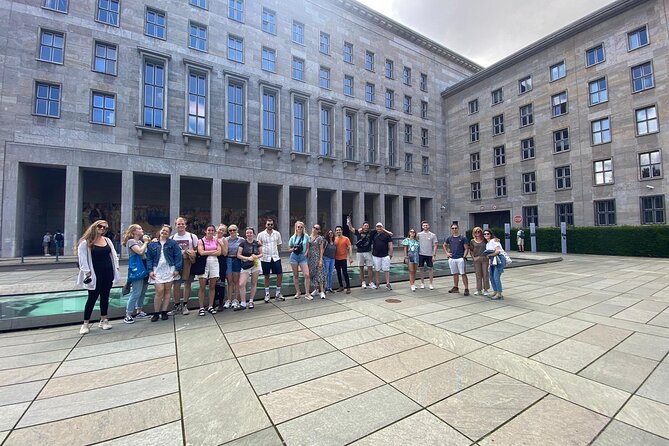
One of the more interesting parts is the stop for Ausstellung Objektschutzregiment der Luftwaffe Friesland. This is the kind of place you might pass on your own because it’s not always the first thing people think of when they say Berlin Wall history.
Your guide will point out guard towers, memorial elements, and streetlights tied to the presence and construction of Soviet authority from Stalin’s empire—plus the sense that these Cold War structures still stand today.
This is also where you can get a more “lived-in Berlin” feeling. It’s history you see right in the streets, not only history behind glass.
The in-between storytelling moments
There’s also a portion of the tour described as extra time for stories of past wars, urban legends, and Berlin’s triumphs and tragedies.
This matters because Berlin history isn’t only political events. It’s also the way people told stories, built myths, survived daily life, and turned trauma into memory.
If your guide is strong, these “in-between” segments can be some of the most entertaining parts of the day.
Mobility, transit, and how to plan your day
The tour is a walk-first route. The listing notes that public transportation is not included if applicable, so you’ll likely rely on transit before and after the walk.
Because you start near central transit at Alexanderplatz and use major sights around the core, you can usually line up the day easily:
- Tour in the morning for orientation
- Then return later to whichever stops you want to see longer
Several guests specifically say this is a great first-day plan because it helps you choose what to revisit.
What the best guides do differently (based on guest feedback)
If you get a great guide, the tour often turns into more than a list of sights. Guests mention details like:
- clear English and strong pacing (not rushing)
- a fun, personable approach with group energy
- lots of specific questions answered
- guides helping people stay oriented and not get lost
Some reviews also mention guides taking time to help with photos, and one guest says the guide made it easy to socialize with other travelers. That can matter if you’re traveling solo.
A note on tipping and the idea of free walking tours
One mixed set of comments raises a practical caution: a couple of travelers said the tour was described as free, but they felt pressured to pay or tip (including claims of upfront amounts). Other guests emphasize that it’s excellent value.
Here’s the safe way to handle this: treat the published price as what you pay, and then be ready that a guide may suggest tipping based on your experience. If tipping expectations are important to you, read any booking notes carefully and plan your budget accordingly.
Weather and comfort: Berlin reality check
Berlin walking tours live or die by weather. Reviews mention snow and ice, and at least one guest says the paths felt safe to walk on, but it’s still smart to dress for cold conditions.
Bring layers, water, and comfortable shoes. If you’re sensitive to long standing times, you’ll enjoy the tour more if you’re prepared.
Who this tour is best for
This fits well if you:
- have a short time in Berlin and want a center-area orientation
- enjoy history but also want a human guide to translate the city
- like walking tours with frequent “look at this and here’s why it matters” moments
It might not be ideal if you:
- want long museum-style stops
- need minimal walking
- are very sensitive to guide quality—because reviews show it varies
Should you book? My practical take
I’d book this tour if you want an efficient first pass through Berlin’s major sights and Cold War storylines, especially with a guide who’s known for being clear and engaging. The strong guest feedback on guide knowledge and the low cost make it easy to justify.
But book with eyes open. A walking tour at this price can be fantastic—or it can be frustrating if logistics go wrong. Arrive early at Generator Berlin Alexanderplatz, confirm the meeting details from your confirmation, and keep a flexible mindset for walking pace and weather.
If you’re the type who thrives on street-level history and can enjoy a guided narrative (even when it covers heavy topics), this is a good bet.
Berlin Walking Tour
FAQ
FAQ
How long is the Berlin walking tour?
It’s listed as about 3 hours (approx.), though some travelers report it can run longer depending on pace and the guide.
Where does the tour start?
The tour starts at Generator Berlin Alexanderplatz, Otto-Braun-Straße 65, 10178 Berlin, Germany.
Does the tour end at the same place?
Yes, it ends back at the meeting point.
What language is the tour offered in?
It’s offered in English.
How many people are in the group?
The maximum group size is 50 travelers.
Is admission included for the stops?
The listed stops include free admission tickets where applicable (based on the information provided for each stop).
What’s the price?
The tour price is $2.90 per person.
Is public transportation included?
No. Public transportation is not included if applicable.
What fitness level do I need?
You should have moderate physical fitness for walking for the duration of the tour.
What is the cancellation policy?
You can cancel for free up to 24 hours in advance for a full refund.
When do I receive confirmation?
You receive confirmation at the time of booking.