
This small-group walking tour is a fast, friendly way to see Copenhagen’s biggest landmarks without spending your first day guessing what matters. It runs about 2 to 2.5 hours, stays small (max 10), and it ends right in the middle of the city where you can keep exploring.
Two things I really like are the native English guides (and the way they explain Danish history and daily life in plain language) plus the lineup of viewpoints: Nyhavn, Amalienborg, Frederiks Kirke (Marmorkirken), and the Little Mermaid area. In the reviews, guides like Kenneth, Oskar, Liva, and Peter get repeated praise for being funny, knowledgeable, and good at keeping everyone moving.
One possible drawback: the tour has a brisk pace with stairs and cobblestones, so if you’re not comfortable with walking for a couple hours (in rain too), you may feel it.
- Key takeaways before you book
- The route starts at Toldboden and heads straight into Copenhagen’s center
- Old Copenhagen foundations: Gefion Fountain and the darker origin story
- A church with a specific reason it’s different (and your guide will explain why)
- Citadel views and long-history storytelling: Kastellet area
- Little Mermaid: the view, the myths, and the guide’s twist
- Amalienborg Palace: royalty stories, Royal Guards, and a playful game
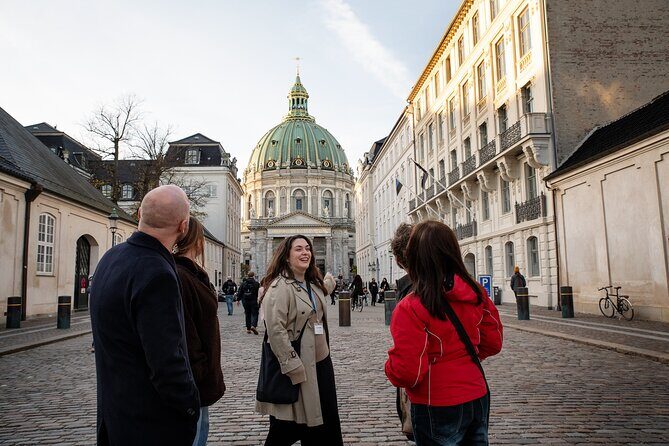
- Marmorkirken (Frederiks Kirke): the palace alignment view
- Opera House across the harbor and a quick theater front look
- Amaliehaven canal garden: a calmer pocket off the main crush
- Nyhavn photo viewpoint: colorful history on a tightly timed walk
- King’s New Square and Nikolaj Kunsthal spire spotting
- Ending at Christiansborg Slot: Danish politics and welfare in plain terms
- Price and what you’re actually getting for .81
- Guide quality is the real star here
- Small group size: why max 10 feels different
- Logistics: what to bring and how to pace yourself
- Where food fits in (and why that matters)
- Who this tour is perfect for
- Possible downsides to know before you go
- Cancellation policy and booking confidence
- Should you book Copenhagen Highlights with a small group?
- FAQ
- How long is the Copenhagen highlights walking tour?
- What’s the group size?
- Is the tour offered in English?
- Where does the tour start and end?
- Do I need to buy tickets for the sights?
- Is coffee included?
- Is a mobile ticket included?
- What should I wear or bring?
- What are the cancellation terms?
- Are service animals allowed?
Key takeaways before you book
 1 / 9
1 / 9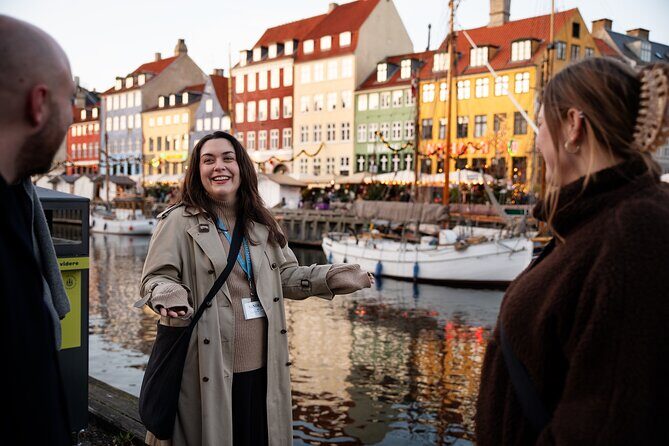 2 / 9
2 / 9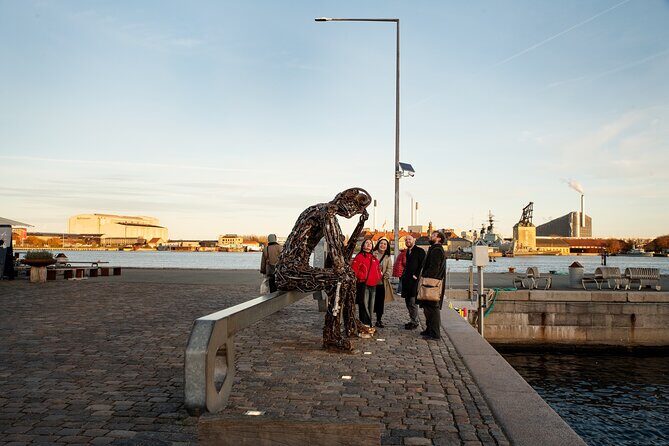 3 / 9
3 / 9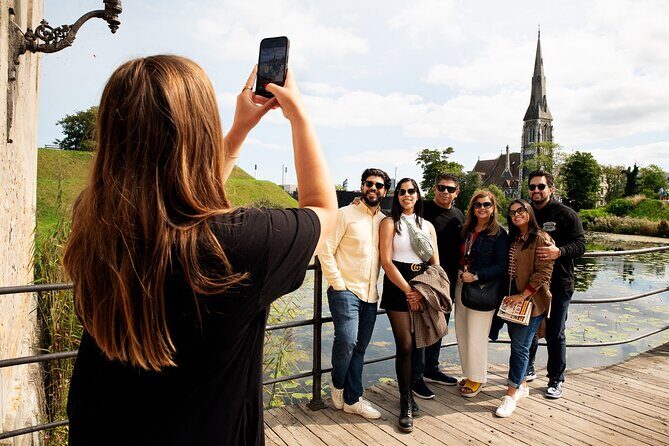 4 / 9
4 / 9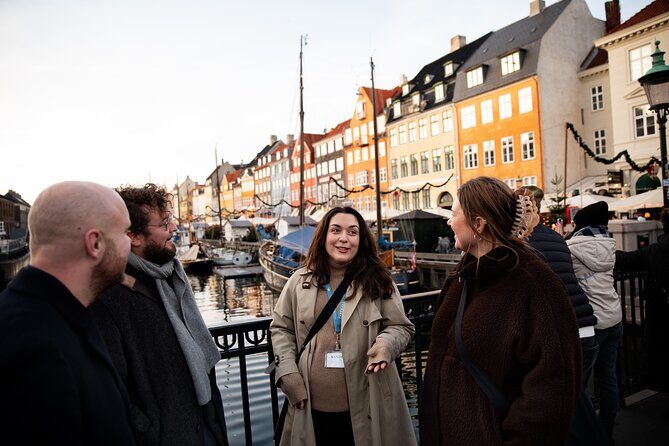 5 / 9
5 / 9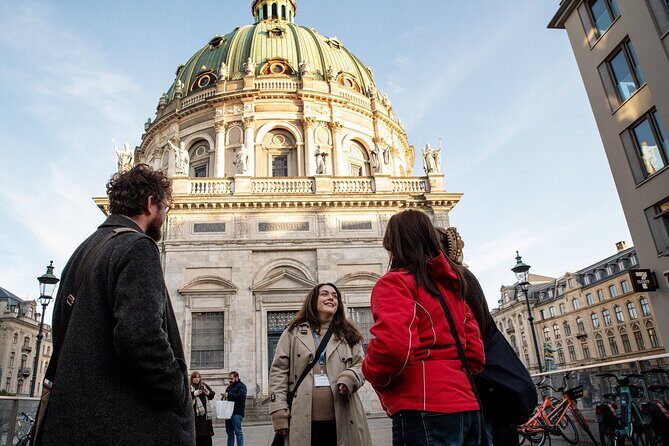 6 / 9
6 / 9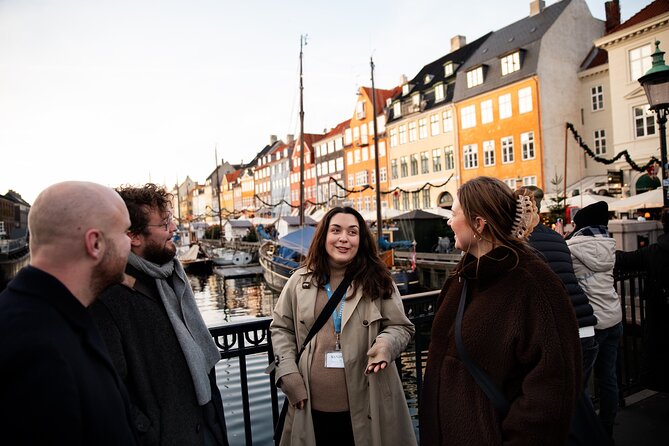 7 / 9
7 / 9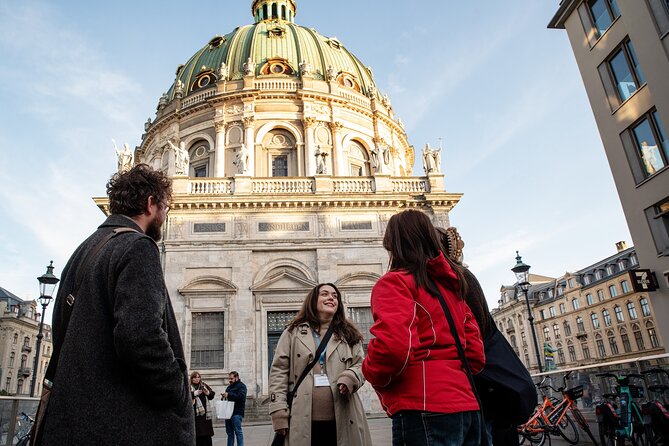 8 / 9
8 / 9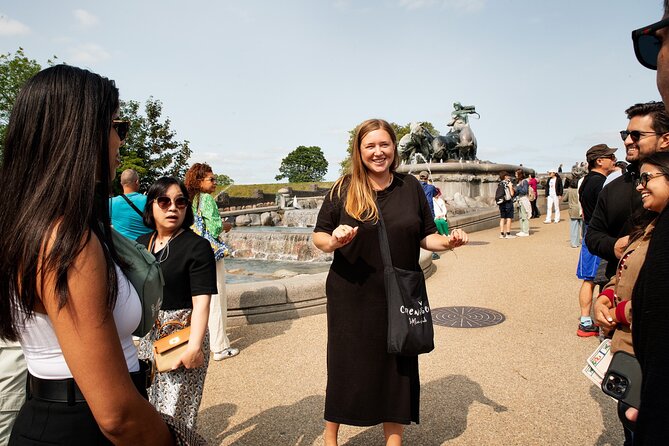 9 / 9
9 / 9- Max 10 travelers keeps the tour personal, not herd-like.
- Native English guiding with strong Danish history, culture, and current politics context.
- Icon-to-icon route: from Toldboden area to the harbor and Nyhavn, with great photo angles.
- Stated free admissions at the stops listed, so you’re not hit with surprise tickets.
- Food and shopping recommendations show up in the feedback, including one guide pointing travelers to Maven.
- Brisk walking means you’ll see a lot, but you’ll want decent shoes and patience for stairs.
The route starts at Toldboden and heads straight into Copenhagen’s center
You begin at Zinkglobal by Kim Michael, at Nordre Toldbod 12. This area sits near one of the city’s more “up-and-coming but still charming” zones, which is a nice way to start: you get a quick sense of Copenhagen as both classic and evolving.
The meeting setup is simple. The guide is there about 10 minutes early, and they’ll wait a bit if you’re on the way. If you don’t connect in time, you’re told to call right away so staff can help. For me, that’s a good sign: it means they expect punctual arrivals and try to prevent people from getting left behind.
You can also buy coffee on your own expense before you depart. It’s not included, but you’ll have a chance to grab something quick if you need a warm-up.
Old Copenhagen foundations: Gefion Fountain and the darker origin story
The first major stop is Gefionspringvandet (Gefion Fountain). Your guide frames it as the legend behind the land’s origin, and the wording in the tour description points to a dark tone—something many Danes joke about or discuss with a knowing smile.
Why this matters on a highlights tour: it gives you a story hook. Before you hit the big “pretty” sights, you’re hearing the kind of local storytelling that makes monuments feel less like postcards and more like culture.
Right after, you’ll see Churchillparken, a park commemorating heroes from World War II. It’s a short stop, but it adds emotional context to the walking route. You’re not only collecting landmarks; you’re learning why Denmark remembers what it remembers.
A church with a specific reason it’s different (and your guide will explain why)
Next comes St. Alban’s Church, described as unusually different from other Copenhagen churches for a specific reason. The tour data doesn’t spell out the reason in advance, but the promise is clear: the guide uses this stop to highlight something distinctive.
On tours like this, that kind of “you’ll find out here” moment is often the most memorable. You’ll likely understand the point as you stand there, not hours later on a phone screen.
This stop is quick (around 5 minutes), so don’t expect time to wander. Plan to focus on what your guide is pointing out.
Citadel views and long-history storytelling: Kastellet area
Then you get a “Game of Thrones-worthy” moment with a view toward the citadel area. The tour description calls out Kastelle. Kapellet i horsholm, with outside views rather than museum time.
Even if you’ve seen fortress walls in other European cities, Copenhagen’s citadel feeling is its own thing—low, sturdy, and tied to the city’s long timeline. Your guide ties that landscape to Denmark’s rise and decline across more than 1000 years of history, which is a tall order for a walking tour, but the format is designed for quick, memorable context.
The watch-out here is simple: outside views take place while you’re moving. If you’re the type who likes to linger and zoom in, you’ll need to balance your pace with the tour’s brisk flow.
Little Mermaid: the view, the myths, and the guide’s twist
Next is the Little Mermaid stop for an “amazing view,” plus the story behind her. The tour description hints that not everything is what it seems, and that’s usually where a good guide does the real work: separating famous fiction from what the site actually represents.
This is one of the most photographed landmarks in Denmark, so expect crowds in the area. The tour keeps things efficient, so you’ll get the key look and explanation without trying to fight for prime angles all on your own.
If you’re visiting in peak season, consider this: the tour gives you a structured way to see it without burning time on guesswork.
Amalienborg Palace: royalty stories, Royal Guards, and a playful game
After the mermaid, you move toward Amalienborg Palace Museum, the real-life fairy tale of Danish royalty in the tour’s words. This is where you’ll hear insider-style stories about the Royal Guards and Denmark’s royal world.
One specific detail stands out: at Amalienborg, you’re told you’ll even get to play a little game about where the current head of the royal family, Daisy, lives. That kind of interactive moment is often the difference between a “walk past it” experience and something you remember later.
In the feedback, guides including Kenneth and Oskar get praised for being personable and answering questions. If you like stories with a bit of humor, this part of the route is likely your favorite.
Marmorkirken (Frederiks Kirke): the palace alignment view
From Amalienborg you’ll see Frederiks Kirke, also called Marmorkirken. The tour description highlights views of the Marble Church that align with the Royal Palace.
This is a classic Copenhagen “why the city layout matters” moment. When buildings line up across open space, you understand why people build their most famous landmarks where they do, and how sightlines were designed for both locals and visitors.
It’s a short stop, so again: watch and listen now, then come back later if you want longer time.
Opera House across the harbor and a quick theater front look
Next is Copenhagen Opera House, described as a majestic sight on the other side of the harbor. Then the tour walks toward The Playhouse, with front views and more harbor-facing scenery.
These segments are brief, but the payoff is visual. If you only do Copenhagen at ground level, you miss how much of the city’s drama comes from water, bridges, and long lines of architecture across the harbor.
If you’re traveling with someone who likes photos, this is where your phone will get plenty of exercise.
Amaliehaven canal garden: a calmer pocket off the main crush
Then the route reaches Amaliehaven, a small green garden by the canals. The tour’s description frames it as a canal-side gem and notes that Copenhageners weren’t initially thrilled about these kinds of awesome places.
That “resistance to change” angle is useful because it reminds you that what feels charming now didn’t always feel that way. Gardens, waterfront paths, and public spaces are often fought over at first, and the city’s evolution is part of the story.
This stop also helps break the pace. You get a scenic reset before heading back into the biggest harbor drama.
Nyhavn photo viewpoint: colorful history on a tightly timed walk
Finally, you reach Nyhavn, Copenhagen’s iconic canal harbor. The tour plans a special photo point with guidance from your guide so you can capture a picture that looks like Copenhagen bragging rights.
The description also promises the harbor’s colorful, somewhat charming history—exactly the kind of story that helps you understand why Nyhavn became what it is.
In practice, this stop can be crowded. What you’re paying for is not just the view; it’s having someone show you where to stand and what to listen for while you’re surrounded by noise.
King’s New Square and Nikolaj Kunsthal spire spotting
After Nyhavn, you cross toward Copenhagen King’s New Square. The tour description mentions the views of major landmarks: the first shopping mall in Denmark, a historic hotel, and the royal theater.
Then you pass through small streets to Nikolaj Kunsthal, with a focus on spotting a spire from one of the city’s oldest churches. This is a “look up” moment. Copenhagen rewards that habit—your best photos often come from angles most travelers miss.
These are short stops, but they help you connect dots between what you’ve seen and where you’ll want to go next.
Ending at Christiansborg Slot: Danish politics and welfare in plain terms
The tour ends at Christiansborg Slot area, with a final segment tied to Danish politics and welfare. The description says Christiansborg Palace today houses the Danish parliament, and your guide will cover how that connects to daily life and government.
You’ll also finish at Højbro Pl. near a major pedestrian street, right where it makes sense to keep walking on your own.
The practical upside: you end in a lively location with plenty of onward options, instead of back at the far edge of town.
Price and what you’re actually getting for $50.81
At $50.81 per person for roughly 2 to 2.5 hours, this isn’t the cheapest tour in Copenhagen. But for what it includes, it’s strong value.
Here’s the value equation:
- You get a native English-speaking guide.
- You get a curated route of major sights plus story context.
- The tour description lists admission ticket free for the stops noted.
- The package includes mobile ticket access.
- You also get 1-on-1 recommendations for where to go next.
In the reviews, the guides’ ability to keep things lively shows up constantly. People mention humor, clear explanations, and guides like Kenneth and Oskar doing more than reciting facts. When a guide can answer questions and adapt to the group, you’re paying for time with someone who knows where to look and what to notice.
If your goal is a highlights orientation and you want to hit key places efficiently, the price makes sense.
Guide quality is the real star here
A lot of reviews read like the same theme wearing different outfits: guides are knowledgeable, funny, and good at managing the group.
Some names you’ll see praised:
- Kenneth for being informative and keeping things moving, plus strong local humor.
- Oskar and Oskar with a K for history and a pace that still leaves room for questions.
- Liva for being witty and warm, and for making the small group feel easy.
- Sandra for combining knowledge with humor.
- Peter for balancing history, culture, and local charm, and also for being attentive when kids were part of the group.
- Nathan for staying moving while allowing time for questions and pictures.
- Lukas for answering queries in a helpful way.
This matters because Copenhagen is easy to walk and hard to fully understand without context. A good guide turns the route into a narrative.
Small group size: why max 10 feels different
With max 10 travelers, you get something important: you can actually ask questions without feeling like you’re interrupting a machine. Multiple reviews mention the guides interacting with each member, seeking questions, and being attentive.
Even when stops are short, small groups generally make crowd navigation less stressful. You can also hear better in outdoor spaces, especially at harbor viewpoints and square areas.
Logistics: what to bring and how to pace yourself
A few practical things the tour description flags:
- Moderate physical fitness is recommended.
- The pace is brisk, with stairs and cobblestones.
- Bring suitable footwear.
- Pack an umbrella or rain jacket because it’s Denmark and weather can change fast.
- The guide is there 10 minutes before start time.
If you want the best experience, treat this like a workout disguised as sightseeing. You’ll feel better if you plan light shopping and museum time after.
Also, note that coffee isn’t included and tips/gratuities aren’t included. One review mentions feeling bad they didn’t have cash for tipping, which tells you the guides do put their personality into the work.
Where food fits in (and why that matters)
You won’t have a meal built into the tour, but the guide does provide restaurant and food recommendations. In one review, a guide recommended Maven, and other feedback mentions recommendations for places to shop and eat.
That’s useful. Copenhagen can be great for food, but choosing where to go after a walking tour is where many travelers waste time. A local guide can steer you toward a practical option near where you’ll be standing next.
Who this tour is perfect for
This tour fits best if:
- You want a high-impact overview in a short time.
- You like guides who explain history, culture, and even politics in understandable terms.
- You prefer a small group rather than being one of 40 people.
- You’re visiting Copenhagen for the first time and want an easy plan for what to do next.
It’s also a good choice if you’ve been before but want updated storytelling and insider-sounding context. The ending near central streets makes it easy to build your own follow-up itinerary.
Possible downsides to know before you go
The biggest consideration is the brisk pace. You’ll cover many stops, and you’ll spend time standing and walking on cobblestones with stairs. If mobility is a concern, this might feel rushed rather than relaxed.
Crowds are another reality, especially around major attractions like the Little Mermaid and Nyhavn. This tour is efficient, but it’s not a private viewing experience.
Finally, coffee is on you. If you’re the type who needs a morning caffeine hit to enjoy walking tours, plan a quick stop before departure.
Cancellation policy and booking confidence
Good news: the tour offers free cancellation. You can cancel up to 24 hours in advance for a full refund. If you cancel less than 24 hours before start time, the amount you paid will not be refunded.
That flexibility helps if your travel plans are fluid.
Should you book Copenhagen Highlights with a small group?
Yes, if you want the fastest “see the icons and understand the city” format with a guide who makes the stories stick. The max 10 size, the repeated praise for knowledgeable, funny guides, and the strong sense that you’ll leave with clear recommendations are the main reasons to book.
Skip it if you dislike brisk walking, cobblestones, and stairs, or if you prefer unstructured time at one attraction. This tour is designed to move.
If you’re trying to make your first day in Copenhagen count, this is a solid choice.
Copenhagen Highlights: Small Group Walking Tour – Max 10 people
FAQ
How long is the Copenhagen highlights walking tour?
It’s listed at about 2 hours 30 minutes (approximately 2 to 2.5 hours), and the duration is described as flexible.
What’s the group size?
The tour has a maximum of 10 travelers, keeping it small-group rather than large-scale.
Is the tour offered in English?
Yes, it’s offered in English.
Where does the tour start and end?
It starts at ZinkGlobal by Kim Michael, Nordre Toldbod 12, 1259 København and ends at Højbro Pl., 1200 København, near a main pedestrian street.
Do I need to buy tickets for the sights?
The tour details list admission ticket free for the stops described in the itinerary.
Is coffee included?
No. The tour mentions that you can get coffee on your own expense before starting.
Is a mobile ticket included?
Yes. The tour includes a mobile ticket.
What should I wear or bring?
Wear suitable footwear for walking and bring an umbrella or rain jacket, since rain is possible. The tour also includes stairs and cobblestones.
What are the cancellation terms?
You can cancel for a full refund up to 24 hours in advance of the start time. After that, the amount you paid will not be refunded.
Are service animals allowed?
Yes, service animals are allowed.