
I’m sharing my take on a smart way to travel Lisbon to Porto without the stress: a private one-way transfer with planned breaks in Óbidos, Nazaré, Fátima, and Aveiro. You’re picked up at your Lisbon hotel, you explore several standout towns along the coast, then you’re dropped at your Porto hotel.
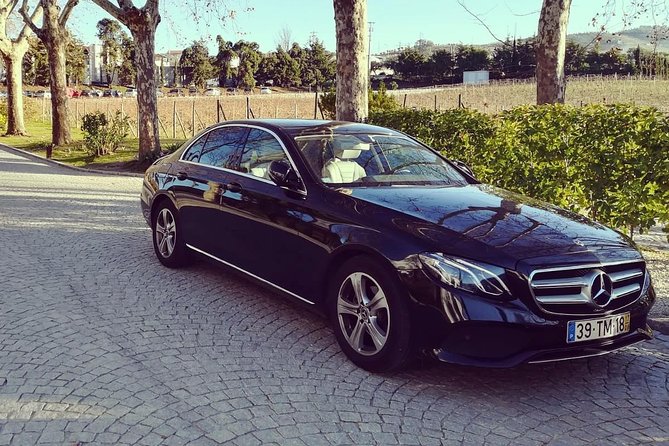
What I like most is how practical it feels. You get hotel pickup and drop-off (not station-hopping), and the ride is set up for comfort with air-conditioned transport plus bottled water waiting for you.
One possible drawback: some of these stops are popular, so you may run into tourist crowds and traffic, especially around the most famous viewpoints and historic cores.
- Key highlights at a glance
- A smooth one-way transfer: Lisbon hotel to Porto hotel
- How the up-to-4-stop route works (and why your day length changes)
- Óbidos walls, cobblestones, and the ginjinha tip that locals care about
- Nazaré: surf legend cliffs, fishing culture, and real sea air
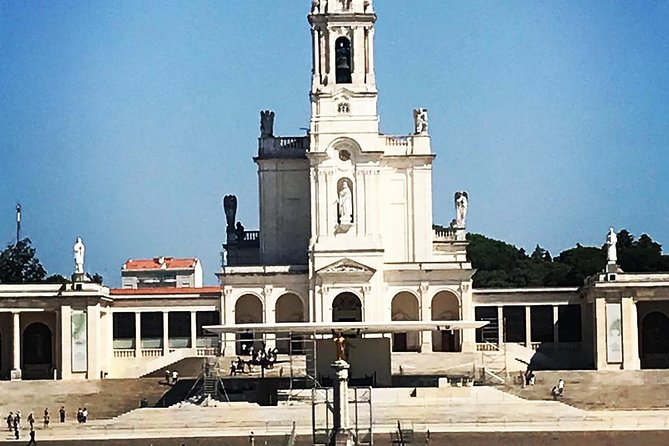
- Fátima: a meaningful pause you can add without derailing the drive
- Aveiro canals and ovos moles, plus that canal-boat flavor
- Comfort details that save your energy on a long day
- Local-guide energy: José, João, Tiago, and the rest of the strong drivers
- The food factor: lunch in Nazaré and other “call this your guide” moments
- Price and value: is 7.34 per person a good deal?
- Practical tips so your stops don’t feel rushed
- Potential drawbacks and how to avoid them
- Should you travel between Lisbon and Porto by this tour instead of train?
- Should you book this Lisbon to Porto up-to-4-stops transfer?
Key highlights at a glance

- Private car, one-way transfer: Lisbon hotel pickup to Porto hotel drop-off, just your group.
- Up to 4 stops on the route: Óbidos, Nazaré, Fátima, Aveiro can be mixed to fit your day.
- Guides who actually talk like locals: many drivers double as on-the-spot interpreters and day planners.
- Time to breathe in each town: you get guided context first, then free time to wander.
- Food stops that feel real: drivers often recommend memorable meals (with lunch in Nazaré showing up a lot).
- Aveiro canal experiences may require add-ons: the tour time includes Aveiro, while any cruise isn’t included.
A smooth one-way transfer: Lisbon hotel to Porto hotel
If you’ve ever done the Lisbon-to-Porto shuffle, you know the pain: you move your bags, find transport, figure out timing, and then still lose time when plans slip. This experience cuts a lot of that out. You’re picked up directly from your Lisbon hotel and dropped off at your Porto hotel, all in one go.
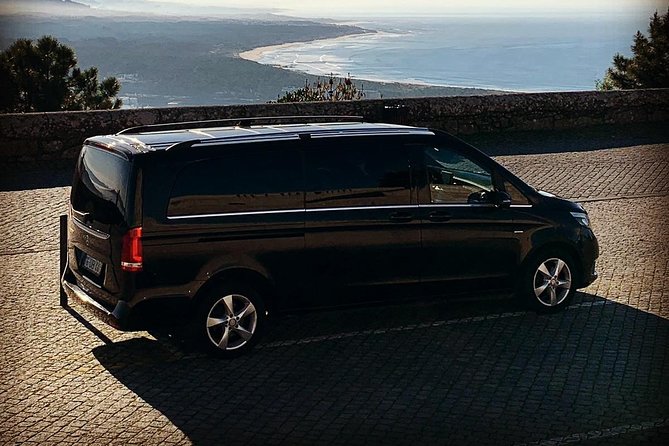
It’s private, meaning it’s not a big cattle-car day. You travel in a comfortable, air-conditioned vehicle, and the car is stocked with bottled water. Even on a long route, that matters more than you’d think, especially in warmer months or if you’re arriving hungry and slightly travel-stressed.
How the up-to-4-stop route works (and why your day length changes)
The booking says 4 to 10 hours (approx.), and reviews include longer days too—one group picked up around 9:00am and arrived around 7:00pm. The reason is simple: the schedule depends on how many stops you choose and how much time you spend wandering.
The “core” route people love is Óbidos + Nazaré + Aveiro, with Fátima often added as an extra stop. Some travelers pick fewer stops to keep things relaxed; others go for the full scenic sampler.
Here’s the useful part for planning: you’re not just “driving through.” You get set drop times in each place (with free time to explore), plus the driver helps you make sense of what you’re seeing so you don’t waste your limited time.
Óbidos walls, cobblestones, and the ginjinha tip that locals care about
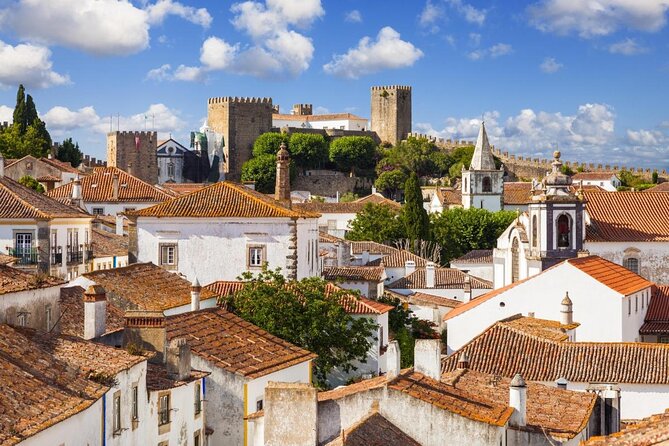
Óbidos is the kind of place that makes you slow down. It’s medieval, compact, and easy to enjoy on foot. You’ll recognize the vibe fast: castle walls, cobbled lanes, and whitewashed houses with colorful flowers.
You’ll typically get about an hour here, which is enough for a satisfying loop through the historic streets without turning it into a sprint. The added bonus is understanding the story. Óbidos was tied to royalty for centuries, once functioning as a dowry town and earning its “Town of Queens” reputation.
Now, the fun part: ginjinha. You’ll see plenty of options, but one standout tip from travelers is to try it at a traditional tavern and museum just outside the castle gates rather than the most commercial inside-the-walls setups. It’s a small detour that can make the whole stop taste more authentic.
If you want a cultural event tie-in, Óbidos is also known for things like a chocolate festival and a literary festival, so even a short visit can feel like you’re stepping into a place that keeps a creative rhythm.
Nazaré: surf legend cliffs, fishing culture, and real sea air
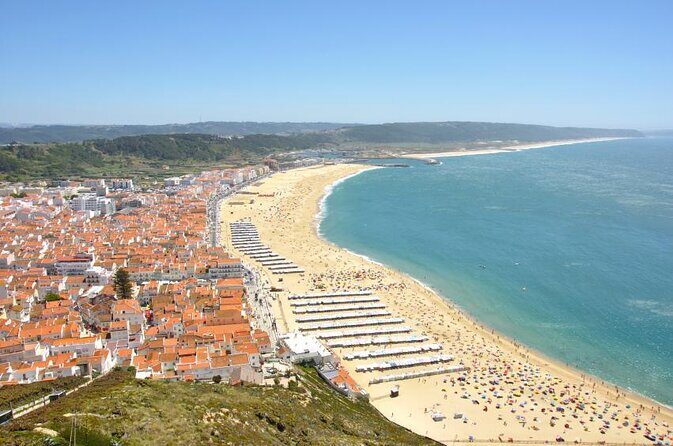
Nazaré is where the coast turns dramatic. This town is famous for record-breaking waves, but you don’t have to be a surfing fanatic to enjoy it. You’re also seeing a working fishing culture and a landscape shaped by the Atlantic.
In the time most people choose for Nazaré, you’ll get to experience both sides of the town: the beachside area and the clifftop viewpoints. You’ll see the traditional fishing boats and the old rhythms of daily life, not just postcard angles.
And yes, the views are a big deal. One traveler specifically mentioned walking the beach area beneath the well-known clifftop location associated with the sanctuary area. If the weather is cooperative, this is often the “wow” stop of the day.
A strong practical note: Nazaré can get busy around peak hours, and traffic can be slow in the approach roads and near viewpoints. That’s not a reason to skip it—it’s just a reason to expect that your time gets spent wisely, not wasted.
Fátima: a meaningful pause you can add without derailing the drive
Fátima is often chosen for spiritual reasons, and travelers mention adding it to honor their faith. In practical terms, it’s a calmer, more reflective stop compared with the seaside towns.
Because Fátima is included as one of the possible stops (up to 4 total), your exact timing depends on how your day is assembled. The overall experience still works like a transfer with guided context and then free time.
If you’re mixing Fátima with beach towns, this is a nice pacing trick: you get waves and viewpoints on one side, then you rebalance with a different kind of atmosphere.
Aveiro canals and ovos moles, plus that canal-boat flavor
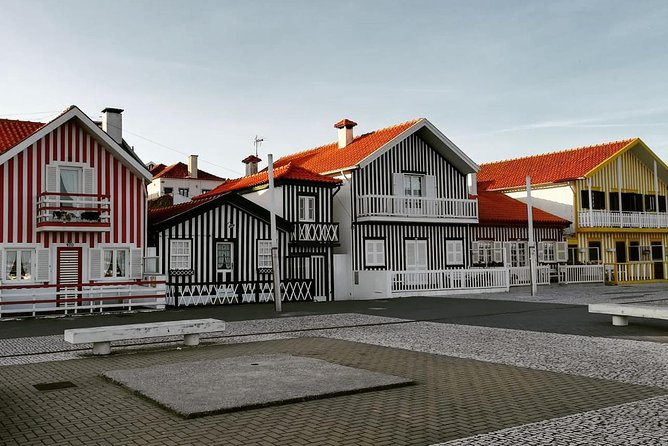
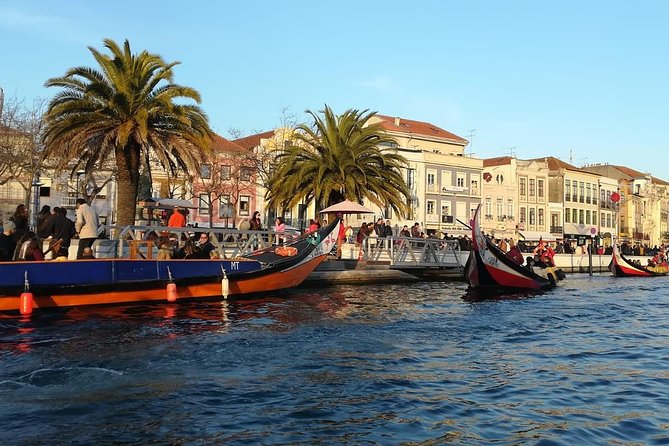
Aveiro is where things shift from cliffs to canals. It’s often called the Venice of Portugal, and the nickname has a point. You’ll see colorful moliceiro boats and canal promenades that feel pleasant even when the day is running long.
Aveiro is also known for Art Nouveau architecture, and it has a connection to salt production through the lagoon system. Even if you don’t go deep into all of that, the town’s layout makes it easy to appreciate why it developed the way it did.
Food is part of the charm too. A local favorite you’ll likely hear about is ovos moles, the egg-yolk-and-sugar sweet that people treat like a must-try souvenir.
About the canal boat experience: your tour data says a cruise isn’t included, but travelers talk about adding a canal boat outing in Aveiro as part of their time there. So think of Aveiro as your “walk around town + maybe add a boat moment” stop. Either way, the time is usually enough for a wander, a snack, and a few photos.
Comfort details that save your energy on a long day
This isn’t a bus tour. You’ll ride in a private vehicle, and it’s air-conditioned. Bottled water is included, and travelers mention their cars being clean and comfortable.
Another underrated detail: your driver often controls the flow of the day. In reviews, guides adjust pacing, handle parking challenges, and even respond to weather forecasts. One group noted their itinerary shifted when rain looked likely around Aveiro—exactly the kind of real-world help that keeps travel days from turning into grumpy compromises.
Local-guide energy: José, João, Tiago, and the rest of the strong drivers
The biggest repeat theme in feedback is not the towns—it’s the people driving you through them. Many drivers bring knowledge, humor, and just enough guidance to help you understand what matters at each stop.
You’ll see names come up again and again:
- José: described as knowledgeable, warm, and great at tailoring the day when travelers ask questions along the way.
- João: praised for being personable and for making the day feel more like a guided road trip than a checklist.
- Tiago Andrade: noted for safe driving, strong communication, and even small thoughtful touches like organizing the day smoothly and adding a candy surprise after a boat outing.
- Teresa: mentioned as prompt, helpful, and flexible with preferences.
- Vasco: highlighted for professionalism and a thoughtful level of guidance without overtalking.
- Ricardo and Miguel: praised for being smooth, organized, and for knowing the best spots for photos, food, and timing.
- Inês and Anna: called out for pacing, helpful introductions, and finding ways to reduce walking where possible.
If you’re the type who hates feeling lost in a new place, this is a real advantage. You get context fast, then you can explore at your own pace.
The food factor: lunch in Nazaré and other “call this your guide” moments
Food is where road trips become memories. Travelers specifically mention a great meal in Nazaré, with one person calling it one of the best meals they had in Portugal. That kind of endorsement usually means the driver didn’t just suggest something convenient—they suggested something that fit the moment.
In Óbidos, the ginjinha tip matters too. Getting the cherry liqueur in a more traditional spot can be a small win that feels surprisingly authentic once you’re there.
In Porto at the end, many drivers also share a short list of what to do next—like where to eat and what to prioritize—so you don’t arrive cold and overwhelmed.
Price and value: is $287.34 per person a good deal?
Pricing is always personal, but here’s how I’d think about value. At around $287.34 per person, you’re paying for:
- Private, one-way transport (not sharing a vehicle with strangers)
- Hotel pickup and drop-off
- A driver who helps you manage multiple stops
- A comfortable ride with bottled water and air-conditioning
If you tried to stitch this together on your own—train plus taxis or multiple transfers plus timed entry tickets—you’d likely spend similar money once you factor in time, hassle, and the “opportunity cost” of standing around waiting.
Also, the stops themselves don’t look like they require expensive admission. The tour notes free admission tickets for the stop times shown, but it also says ticketed monuments aren’t included. So you can keep it casual and pay only when you choose.
Bottom line: it’s good value if you want convenience, want to avoid navigation stress, and like the idea of having someone local help you choose where to spend your limited hours.
Practical tips so your stops don’t feel rushed
Here are a few smart moves based on how these towns tend to run:
- Pick your priorities early: If you love medieval streets, Óbidos needs real walking time. If you’re chasing views, Nazaré needs flexibility.
- Start early if you can: Long drive days feel easier when you’re not rushing the first stop.
- Plan for crowds: One review noted packed stops and heavy traffic. That’s normal for popular coastal viewpoints and historic cores, so don’t assume you’ll have everything to yourself.
- Bring layers: Coastal weather shifts fast. Even if it’s warm in Lisbon, it can feel cooler near the Atlantic.
- Use the driver as a resource: Ask what time to go, where the best photo angles are, and where to eat lunch. Travelers repeatedly mention drivers finding great options.
- If you add a canal boat in Aveiro, remember cruises aren’t included, so budget extra if you want that add-on.
Potential drawbacks and how to avoid them
This is a smooth setup, but it’s not magic. The two most common friction points are:
1) Traffic and crowd density at major stops. Even with a good driver, some areas get congested.
2) A long day if you choose all the stops. You’ll likely be in transit for much of the route, so it’s better for travelers who like road-trip days rather than people who want to fully “settle in” somewhere.
Another small consideration: this is a transfer with guidance, not a deep museum tour. If monuments or specific ticketed attractions matter a lot to you, you’ll want to handle those separately since monument tickets aren’t included.
Should you travel between Lisbon and Porto by this tour instead of train?
Some people debate the train versus a guided transfer, and the biggest deciding factor is how you want the day to feel.
- Choose this if you want door-to-door convenience, multiple towns in one day, and an expert helping you pace the route.
- Choose the train if you’d rather control every detail and you’re happy to travel lighter and move more on your own.
For many travelers, the deciding point is simple: they want to avoid wasting hours on logistics, and they want extra stops they wouldn’t do otherwise.
Lisbon to Porto Up to 4 Stops: Obidos, Nazare, Fatima and Aveiro
Should you book this Lisbon to Porto up-to-4-stops transfer?
Book it if you:
- Want a private, one-way way to go from Lisbon hotel to Porto hotel.
- Like the idea of ticking off Óbidos, Nazaré, Fátima, and/or Aveiro with guided help and free-time wandering.
- Care about the human part—several drivers are praised for knowledge, humor, and thoughtful recommendations.
- Value convenience and comfort over “travel like a local” DIY planning.
Skip it (or adjust your plan) if you:
- Hate crowds and traffic at tourist hotspots.
- Want a shorter, lighter day with fewer moving parts.
- Plan to rely on monument tickets you’ll need to buy separately.
If your goal is to make that Lisbon-to-Porto day feel like a real mini road trip—without the stress—this is a strong, practical choice.